$1.3 Trillion in Fake Goods Fuel Global Crime Networks Annually
Every year, an estimated $1.3 trillion in counterfeit goods flows through the global economy, fueling crime networks that wreak havoc on communities and economies worldwide. This staggering figure underscores the scope and severity of the issue, highlighting the need for a more comprehensive understanding of the complex relationships between counterfeit goods and organized crime.
Are Counterfeit Goods Funding Crime is a critical question that has significant implications for global security and economic stability. As governments and law enforcement agencies grapple with the growing threat of counterfeiting, it is essential to explore the ways in which these illicit goods are financing crime networks, perpetuating violence, and undermining public trust.
Counterfeit Goods Fuel Global Crime Networks Annually
The global market for counterfeit goods is a massive and complex problem. $1.3 trillion in fake products are sold annually, fueling crime networks worldwide. This staggering figure is a result of the ease with which counterfeiters can manufacture and distribute their goods, often using sophisticated technology and clandestine networks.
The rise of e-commerce has made it easier for counterfeiters to reach a wider audience, with online marketplaces becoming a major hub for fake goods. According to a report by the International Chamber of Commerce, online counterfeit sales are projected to increase by 15% annually. This trend highlights the urgent need for law enforcement and regulatory agencies to adapt to the changing nature of counterfeiting.
The impact of counterfeit goods extends beyond financial losses, with many products posing serious health and safety risks to consumers. From fake pharmaceuticals to counterfeit automotive parts, the consequences of purchasing these goods can be catastrophic. As the global economy continues to grow, it is essential that governments and businesses work together to combat this issue and protect consumers from the risks associated with counterfeit goods.
Counterfeiting Epidemic Spreads Across International Trade Routes
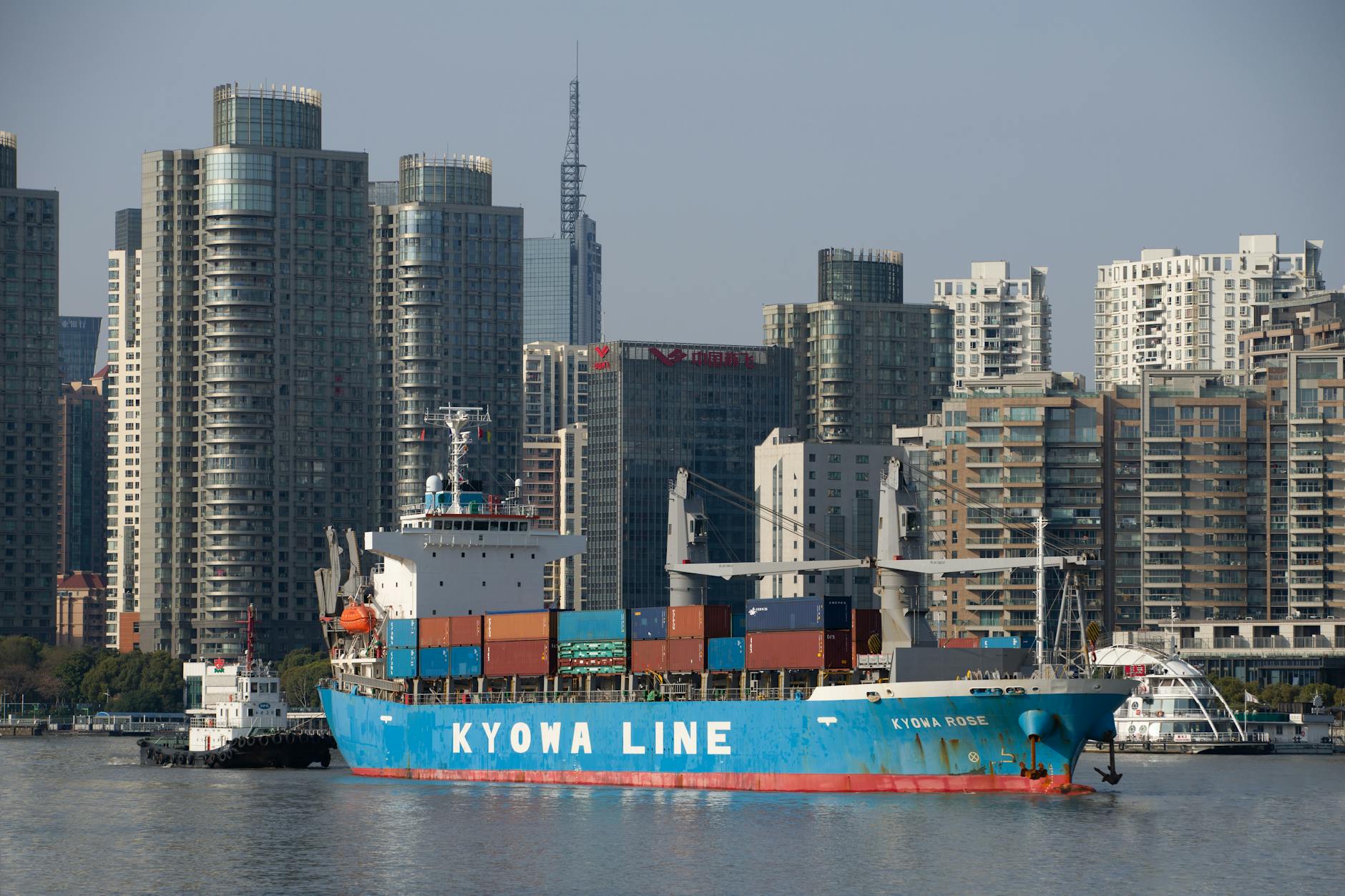
Counterfeit goods are flooding international trade routes, fueling global crime networks and siphoning off billions of dollars from legitimate businesses. The proliferation of counterfeit products is outpacing law enforcement efforts, with an estimated $1.3 trillion in fake goods traded annually.
According to a recent study, the global counterfeiting industry is valued at $2.3 trillion, with a staggering 3.3% of global trade consisting of counterfeit goods. This staggering figure underscores the scale of the problem, with organized crime syndicates and terrorist groups increasingly involved in the production and distribution of fake products.
Law enforcement agencies are struggling to keep pace with the rapidly evolving landscape of counterfeiting. Sophisticated networks have developed, using complex supply chains and online platforms to distribute their illicit wares. The lack of coordination and cooperation between international authorities is exacerbating the issue, allowing counterfeiters to operate with relative impunity.
Estimates suggest that up to 40% of all online purchases may involve counterfeit goods, with the average consumer unaware of the risks involved. As the global economy becomes increasingly interconnected, the threat posed by counterfeit goods will only continue to grow.
Crime Syndicates Profit from Proliferation of Fake Products
Counterfeit goods are flooding global markets, fueling a lucrative trade that is estimated to be worth $1.3 trillion annually. This staggering figure is a testament to the scope of the problem, with crime syndicates profiting from the proliferation of fake products.
The ease of production and distribution of counterfeit goods has made them a prized commodity for organized crime groups. According to the World Customs Organization, these groups are responsible for the majority of counterfeit goods seized worldwide. The high demand for luxury items, electronics, and pharmaceuticals has created a booming black market. As a result, counterfeiters are adapting their tactics to stay ahead of law enforcement.
Fake cosmetics and perfumes, for instance, are often packaged in convincing replicas of the real thing, making them difficult to distinguish from authentic products. In some cases, even the packaging and labeling are nearly identical to the originals, further complicating efforts to curb the trade.
Law enforcement agencies are working to combat the issue, but the sheer scale of the problem makes it a daunting task. With the continued growth of e-commerce, it's becoming increasingly difficult to track down and seize counterfeit goods. The rise of online marketplaces has created a new frontier for counterfeiters, allowing them to reach a wider audience and operate with relative impunity.
Hidden Revenue Streams Fund Terrorism and Organized Crime

Counterfeit goods are a lucrative business, with a staggering $1.3 trillion in annual sales fueling global crime networks. This illicit trade has far-reaching consequences, with profits often funneled into terrorism and organized crime.
The production and distribution of fake goods involve complex networks of manufacturers, smugglers, and retailers. According to a recent report, up to 15% of global trade is comprised of counterfeit products, with the majority being sold through online marketplaces. One expert estimates that the illicit proceeds from these sales are likely being laundered into the global financial system.
Law enforcement agencies struggle to keep pace with the ever-evolving nature of these crime networks. The sheer volume of counterfeit goods flooding the market makes it difficult to identify and prosecute those responsible. As a result, the profits from these illicit sales continue to fund terrorism and organized crime.
Global Law Enforcement Struggles to Combat Counterfeit Goods Market
Counterfeit goods have become a significant contributor to global crime networks, with $1.3 trillion in fake merchandise sold annually. This staggering figure raises concerns about the role of counterfeit goods in funding illicit activities. Estimates suggest that up to 5% of global trade involves counterfeit products, with the majority being sold online.
The ease of selling counterfeit goods online has created a fertile ground for crime networks to thrive. A report by the International Chamber of Commerce estimates that 15% of online transactions involve counterfeit products. This trend has led to increased scrutiny of e-commerce platforms, with many countries implementing stricter regulations to combat the sale of counterfeit goods.
Experts warn that the counterfeiting industry is becoming increasingly sophisticated, with high-quality fake products being sold alongside low-quality ones. The proliferation of counterfeit goods has also led to a surge in intellectual property theft, with brands and creators losing billions of dollars each year. As law enforcement struggles to keep up with the pace of counterfeiting, it is clear that a more concerted effort is needed to combat this global issue.
The staggering figure of $1.3 trillion in fake goods annually fuelling global crime networks is a stark reminder of the devastating impact of counterfeiting on legitimate businesses and innocent people. This colossal figure underscores the intricate web of organized crime that permeates the global economy, with counterfeit goods serving as a lucrative source of funding for illicit activities.
To combat this menace, governments and law enforcement agencies must adopt a more coordinated approach, collaborating with international partners to disrupt supply chains and crack down on counterfeit production facilities. By doing so, they can create a more level playing field for legitimate businesses and ultimately reduce the financial incentives for organized crime groups. As the world grapples with this complex issue, it is imperative that policymakers prioritize investments in anti-counterfeiting technologies and intelligence-sharing initiatives to stay one step ahead of these cunning networks.
Need this answered for your specific case?
Get a flat-fee consultation with a verified U.S. immigration attorney. Engagement letter on every paid consult.
Related guides
-
Crime Statistics Debunked: Separating Fact from Fiction in 10 Common Misconceptions
6 min read · Apr 12, 2026
-
One in Five Small Businesses Hit with Cybercrime Every Year, Statistics Reveal
5 min read · Apr 12, 2026
-
More Than 2 Million Americans Fall Victim to Fraud Every Year
6 min read · Apr 12, 2026
This guide provides general legal information and does not create an attorney–client relationship. Information accurate as of July 2026. Always verify current USCIS guidance before acting.