
1 in 5 Arrests in the US is for a Misdemeanor Marijuana Possession Charge
More than 500,000 people are arrested each year in the United States for marijuana possession, with nearly one in five of these arrests resulting in a misdemeanor charge. This staggering statistic highlights the need to reexamine the country's approach to drug possession laws. The sheer volume of arrests and convictions for non-violent drug offenses has sparked a national conversation about the effectiveness and fairness of these laws. Is drug possession always a crime, or are there circumstances in which it should be treated as a healthcare issue rather than a criminal one?
Misdemeanor Marijuana Possession Charges: A Growing Conundrum
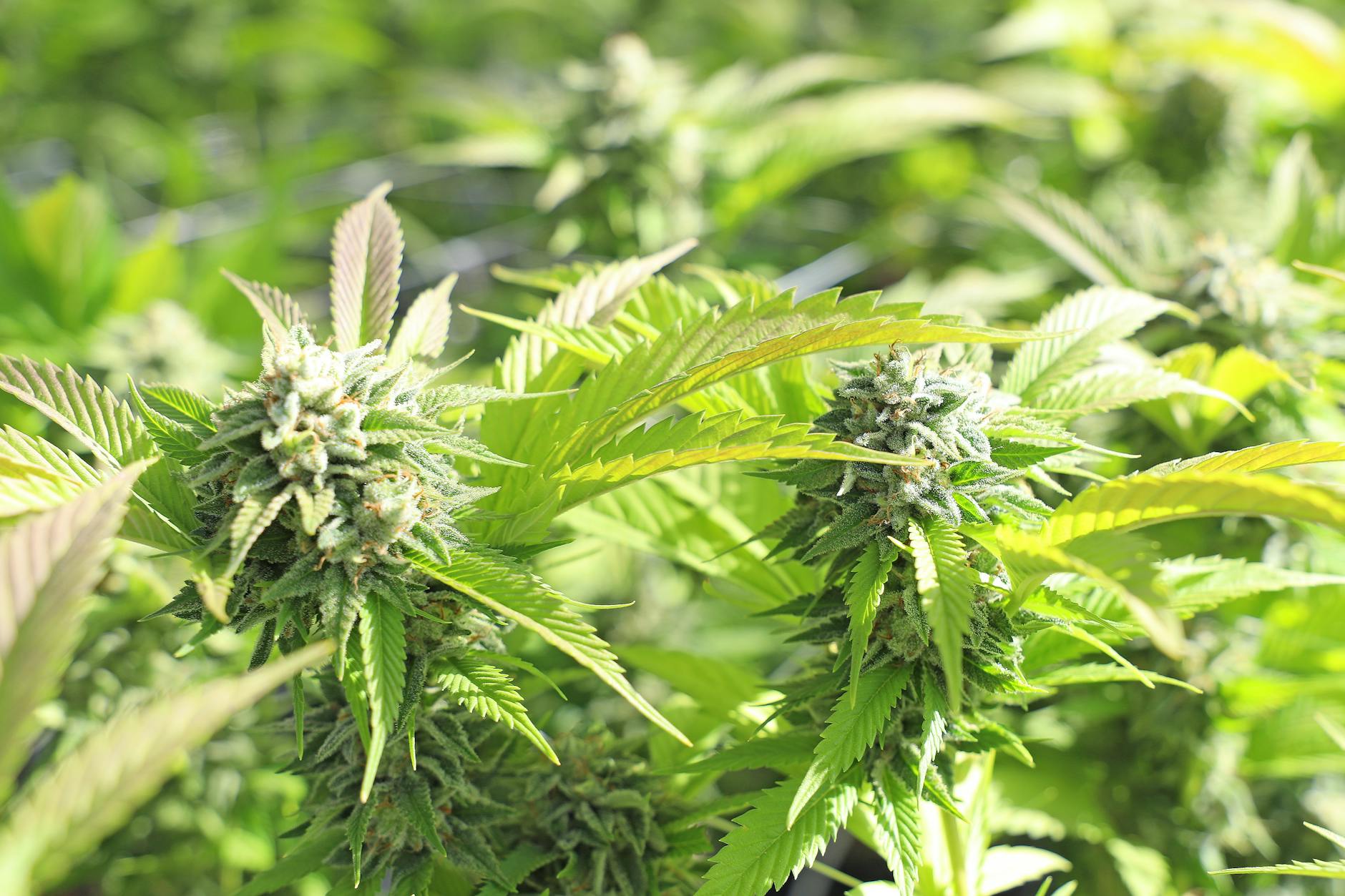
Misdemeanor marijuana possession charges have become a pressing issue in the United States, with one in five arrests resulting from such offenses. The question remains: is drug possession always a crime? The increasing number of arrests for minor marijuana possession has led many to question the effectiveness of current laws and the potential for reform.
According to the American Civil Liberties Union (ACLU), African Americans are nearly four times more likely to be arrested for marijuana possession than whites, despite similar usage rates. This disparity raises concerns about racial bias in law enforcement and the need for more nuanced approaches to drug policy. As the landscape of marijuana laws continues to evolve, it is crucial to address these systemic issues and promote a more equitable justice system.
Some argue that the focus on marijuana possession detracts from more pressing concerns, such as violent crime and public safety. However, supporters of decriminalization or legalization point to the economic benefits and potential tax revenue that could be generated. As the debate surrounding marijuana laws intensifies, one thing is clear: the current system is in need of reform.
The consequences of a misdemeanor marijuana possession charge can be severe, including fines, jail time, and a permanent record that can impact future opportunities. With the weight of such charges hanging over their heads, individuals are often left with limited options and few resources to navigate the complex justice system. As policymakers consider reforms, it is essential to prioritize the needs of those affected by these charges.
Rethinking the War on Drugs: A Shift in Public Sentiment
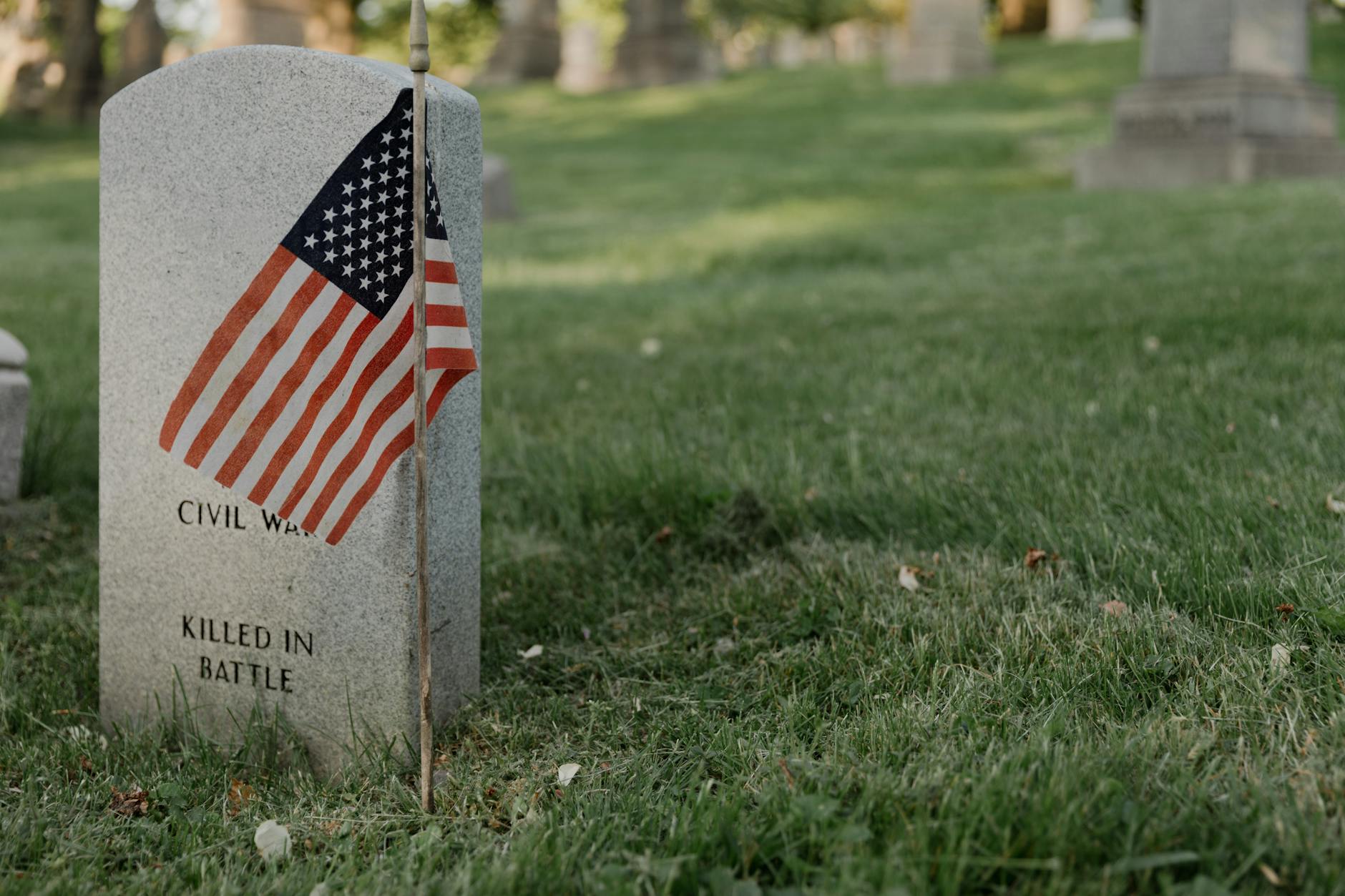
The war on drugs, a decades-long campaign aimed at eradicating the illicit trade, has left a lasting impact on the US justice system. Despite its intentions, the approach has been criticized for its harsh consequences on individuals and communities. According to a 2020 report by the American Civil Liberties Union (ACLU), nearly 50% of marijuana-related arrests are for simple possession, rather than distribution or sale.
The disproportionate number of misdemeanor charges underscores the need for a reevaluation of the country's stance on substance possession. In many states, possession of small amounts of marijuana is now decriminalized, or even legal for recreational use. This shift in public sentiment has sparked a national conversation about the effectiveness of the war on drugs.
Experts suggest that a more nuanced approach could prioritize treatment over punishment, addressing the root causes of addiction and substance abuse. By doing so, the focus could shift from incarceration to rehabilitation, allowing individuals to receive the support they need to overcome addiction. This perspective is gaining traction, as a growing number of lawmakers and advocates push for policy reforms that prioritize public health over punitive measures.
Marijuana Laws: A Complex Web of Federal and State Regulations

Marijuana Laws: A Complex Web of Federal and State Regulations
The United States has a long history of regulating marijuana, with federal laws prohibiting its use, possession, and distribution. However, many states have implemented their own laws, creating a complex web of regulations that can be difficult to navigate.
According to the American Civil Liberties Union (ACLU), marijuana possession laws vary significantly from state to state, with some states having strict penalties and others having more lenient laws. For instance, in states like California and Colorado, recreational marijuana use is legal, while in states like South Dakota and Nebraska, it remains a felony offense.
The difference in laws has led to confusion and inconsistent enforcement, with some people facing harsh penalties for possessing small amounts of marijuana. A report by the ACLU found that black people are nearly 4 times more likely to be arrested for marijuana possession than white people, even though both groups use marijuana at similar rates.
The complexities of marijuana laws are a significant factor in the high number of misdemeanor marijuana possession charges in the US. In many cases, these charges can have long-lasting consequences, including a permanent record and difficulty finding employment.
From Felony to Misdemeanor: The Changing Face of Drug Possession

The landscape of drug possession laws has undergone significant changes in recent years. What was once considered a felony offense can now be classified as a misdemeanor, depending on the jurisdiction and the quantity of the substance found.
While marijuana possession remains a crime in most states, many have reduced the severity of the charge from a felony to a misdemeanor. For instance, in 2020, the state of California reclassified simple marijuana possession as a misdemeanor, allowing those convicted to avoid felony records. This shift reflects a growing trend towards decriminalization and compassion in drug policy.
According to the American Civil Liberties Union (ACLU), African Americans are nearly four times more likely than whites to be arrested for marijuana possession, despite similar rates of use. These disparities highlight the need for more nuanced and equitable approaches to drug enforcement.
The consequences of a misdemeanor marijuana possession charge can still be severe, however, including fines, probation, and even jail time. As the debate over drug policy continues, it remains essential to address the disproportionate impact on marginalized communities and to explore alternatives to incarceration.
A Path Forward: Decriminalizing Possession and Focusing on Treatment

Decriminalizing possession charges is a crucial step towards reducing the burden on the US justice system. Many argue that the current laws are not only ineffective but also disproportionately affect marginalized communities.
Studies have shown that 1 in 5 arrests in the US is for a misdemeanor marijuana possession charge. This staggering statistic highlights the need for reform. The American Civil Liberties Union (ACLU) has been a vocal advocate for decriminalization, citing the need to redirect resources towards treatment and rehabilitation.
Decriminalizing possession charges does not mean legalizing the drug. Instead, it means that individuals would no longer face arrest and incarceration for minor possession offenses. This shift in approach would allow law enforcement to focus on more serious crimes.
The benefits of decriminalization are multifaceted. By reducing the number of people incarcerated for minor offenses, the justice system can redirect resources towards addressing the root causes of addiction and providing support for those struggling with substance abuse.
As the United States continues to grapple with the complexities of the war on drugs, a stark reality has emerged: one in five arrests is for a misdemeanor marijuana possession charge. This staggering statistic serves as a stark reminder that our current laws are not only failing to address the root causes of substance abuse, but are also perpetuating a cycle of mass incarceration that disproportionately affects communities of color. By decriminalizing marijuana possession, we can redirect resources towards evidence-based treatment programs and community outreach initiatives that truly address the underlying issues driving substance abuse. As we move forward, it's essential that policymakers prioritize a more compassionate and holistic approach to addressing addiction, one that prioritizes public health over punishment.
Need this answered for your specific case?
Get a flat-fee consultation with a verified U.S. immigration attorney. Engagement letter on every paid consult.
Related guides
-
Crime Statistics Debunked: Separating Fact from Fiction in 10 Common Misconceptions
6 min read · Apr 12, 2026
-
One in Five Small Businesses Hit with Cybercrime Every Year, Statistics Reveal
5 min read · Apr 12, 2026
-
More Than 2 Million Americans Fall Victim to Fraud Every Year
6 min read · Apr 12, 2026
This guide provides general legal information and does not create an attorney–client relationship. Information accurate as of July 2026. Always verify current USCIS guidance before acting.