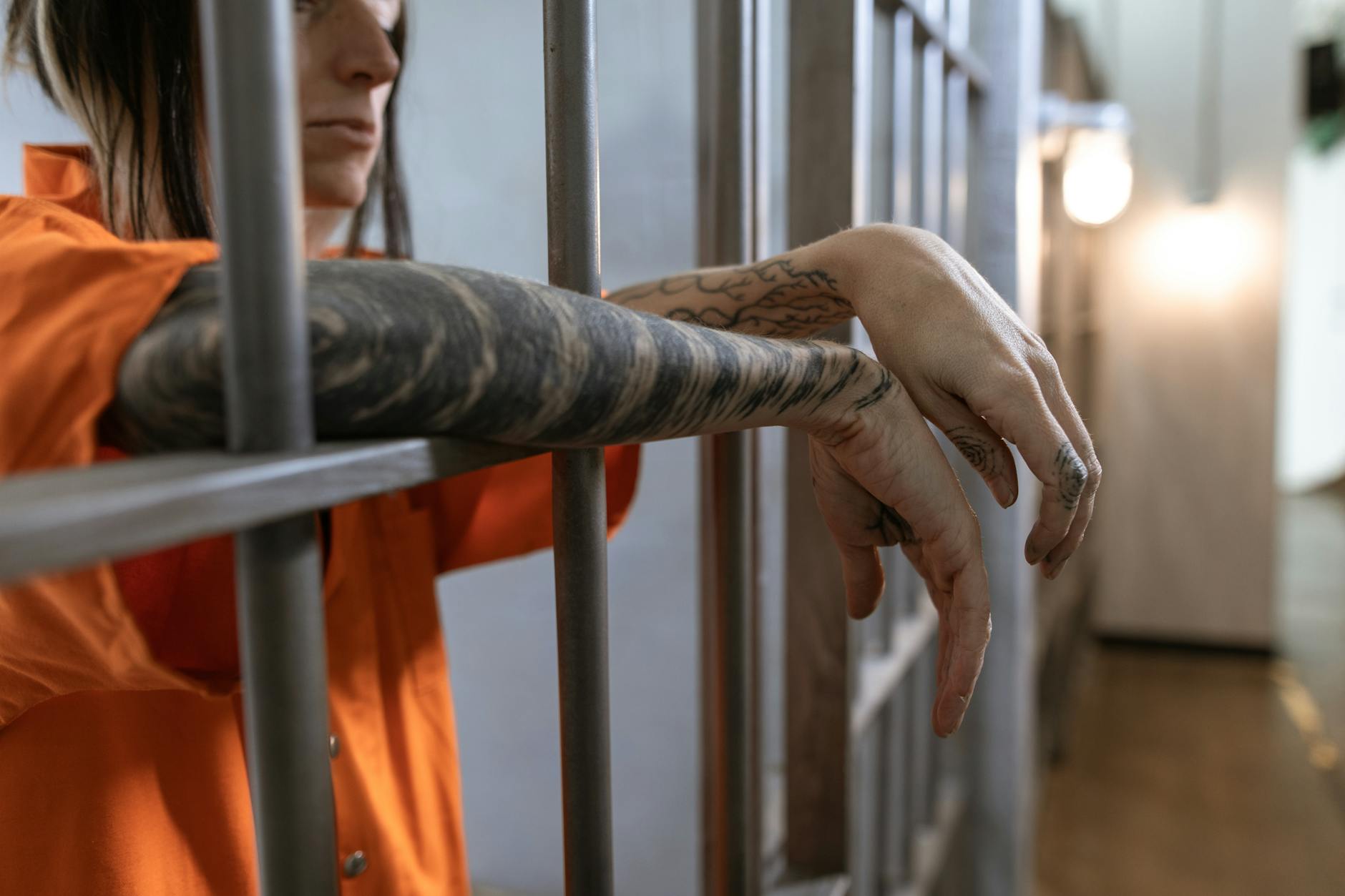
The U.S. prison system has a profound impact on families, with devastating consequences for children. One in five children is affected by parental incarceration, and this staggering statistic is often linked to child custody disputes. A growing body of research highlights the complex dynamics at play when a parent is incarcerated, and it's clear that the effects can be felt long after a parent's release from prison.
Child custody disputes are inherently challenging, but the involvement of the prison system adds a layer of complexity that can be overwhelming for families. When a parent is incarcerated, it can be difficult to determine the best interests of the child, as the parent's ability to provide care and support is severely limited. This is precisely why understanding how prison affects child custody is so crucial, and why policymakers and family court professionals are working to develop more effective solutions to support families in this situation.
Parental Incarceration: A Growing Reality in Child Custody
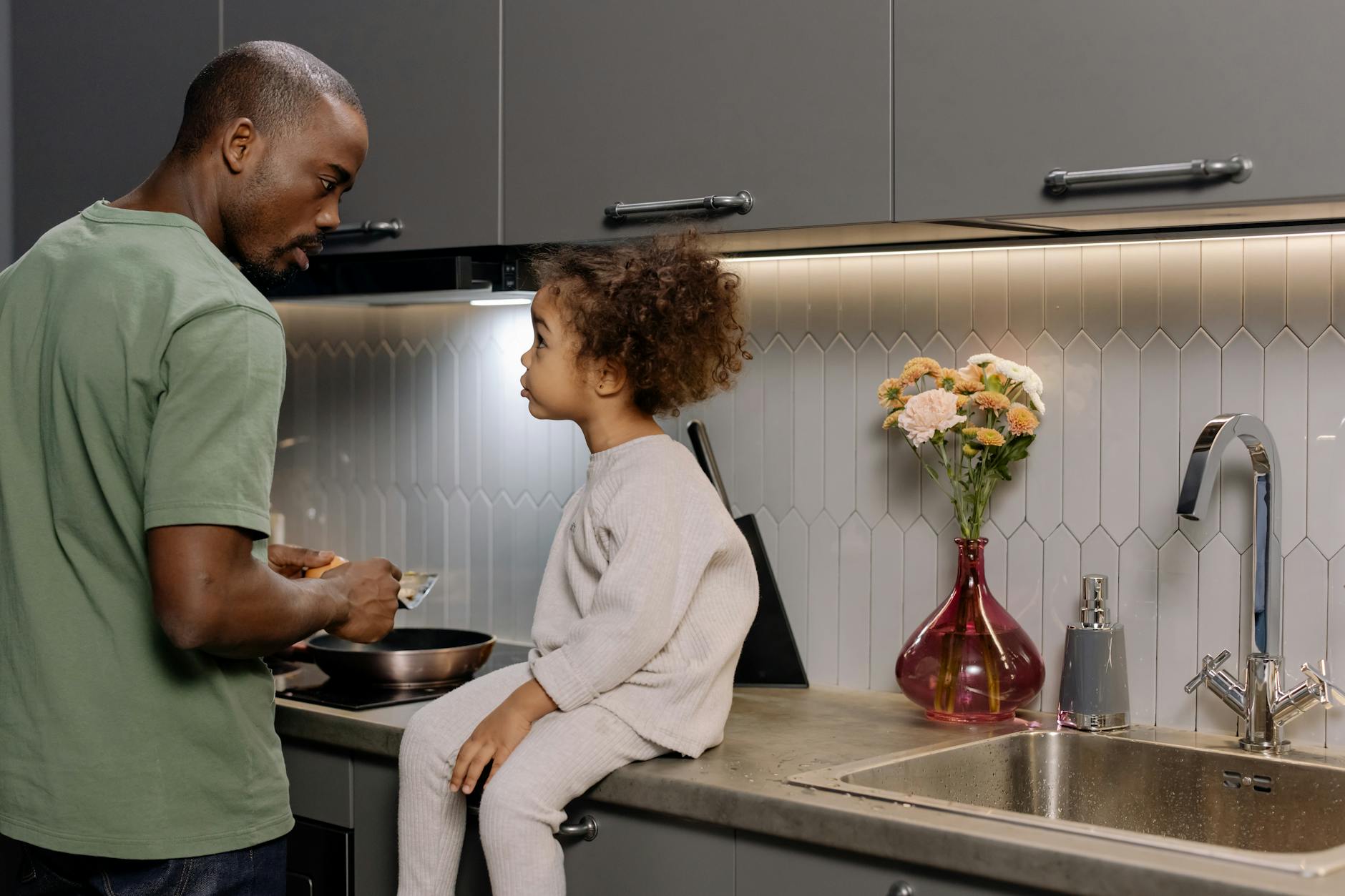
The impact of parental incarceration on child custody disputes is a growing concern in the United States. According to a study by the National Center for State Courts, 1 in 5 children have experienced the incarceration of a parent. This issue is often overlooked, but the effects on children can be profound and long-lasting.
Children who experience parental incarceration often experience anxiety, depression, and behavioral problems. They may also struggle with feelings of abandonment and low self-esteem. The emotional toll can be significant, and in some cases, it may lead to difficulties in forming trusting relationships in the future.
A lack of stable adult supervision can also have practical consequences. Children may be left to fend for themselves, leading to truancy, substance abuse, and involvement in the justice system. In child custody disputes, the incarcerated parent's rights are not always considered, and the child's needs may be ignored.
Courts are beginning to recognize the importance of considering the impact of parental incarceration on child custody decisions. This shift in perspective acknowledges that children have a right to a stable and loving relationship with both parents, even if one parent is incarcerated.
Child Custody Disputes Complicated by Parental Incarceration
When a parent is incarcerated, child custody disputes can become even more complicated. The emotional toll of separation can be devastating for children, and the prospect of losing a parent can lead to anxiety, depression, and behavioral problems. According to a study by the Bureau of Justice Statistics, approximately 7 million children in the United States have a parent in prison.
A parent's incarceration can also raise questions about their ability to care for their child. Judges and social workers may be more inclined to grant custody to the other parent, even if that parent is not the biological mother or father. This can lead to a rift in the family, as the incarcerated parent's rights are put in jeopardy.
Children of incarcerated parents face unique challenges, including social stigma and feelings of guilt or shame. They may struggle to maintain a relationship with a parent who is behind bars, and their own mental health can suffer as a result. In some cases, the incarcerated parent may not even be aware of their child's needs or struggles.
The impact of parental incarceration on child custody disputes is multifaceted and far-reaching. It can affect not only the child's emotional well-being but also their educational and economic prospects. As the number of children affected by parental incarceration continues to grow, it is essential to address these complex issues and provide support to families in need.
Impact of Parental Incarceration on Child Development and Well-being

Prison sentences can have a ripple effect on families, and child custody disputes are often the unfortunate outcome.
Children affected by parental incarceration face significant emotional and psychological challenges. Studies have shown that these children are more likely to experience anxiety, depression, and behavioral problems. According to the American Community Survey, approximately 2.7 million children in the United States have a parent incarcerated. This staggering number highlights the need for a more comprehensive approach to addressing the issue.
Children without a stable family environment are more prone to behavioral problems, including aggression, substance abuse, and delinquency. They may also struggle to form healthy relationships and achieve academic success. Additionally, the lack of a supportive parent can lead to decreased self-esteem and increased feelings of isolation.
For children whose parents are incarcerated, a stable and loving relationship with the other parent or caregiver is crucial. This can provide a sense of security and help mitigate the negative effects of parental incarceration. However, child custody disputes can often arise in such situations, making it difficult for families to access the resources they need to heal and rebuild.
Navigating Child Custody After a Parent's Imprisonment

Prison sentences can have a lasting impact on children, particularly in the context of child custody disputes. The number of children affected by parental incarceration is staggering, with approximately 5.1 million children in the United States having had a parent incarcerated at some point in their lives.
When a parent is imprisoned, the court's primary concern is the well-being and safety of the child. The court may consider the imprisoned parent's ability to provide for the child's physical and emotional needs, and whether they pose a risk to the child's safety. In some cases, the court may grant temporary or permanent custody to the other parent or a trusted family member.
Children of incarcerated parents often experience emotional and psychological trauma, including anxiety, depression, and feelings of abandonment. These effects can be long-lasting and impact the child's ability to form healthy relationships in the future. Experts estimate that children of incarcerated parents are 4.5 times more likely to experience behavioral problems in school.
The court's decision regarding child custody after a parent's imprisonment is often influenced by the child's best interests. This means considering factors such as the child's attachment to each parent, the quality of the relationship, and the ability of each parent to provide a stable and nurturing environment.
Creating a Stable Future for Children Affected by Incarceration
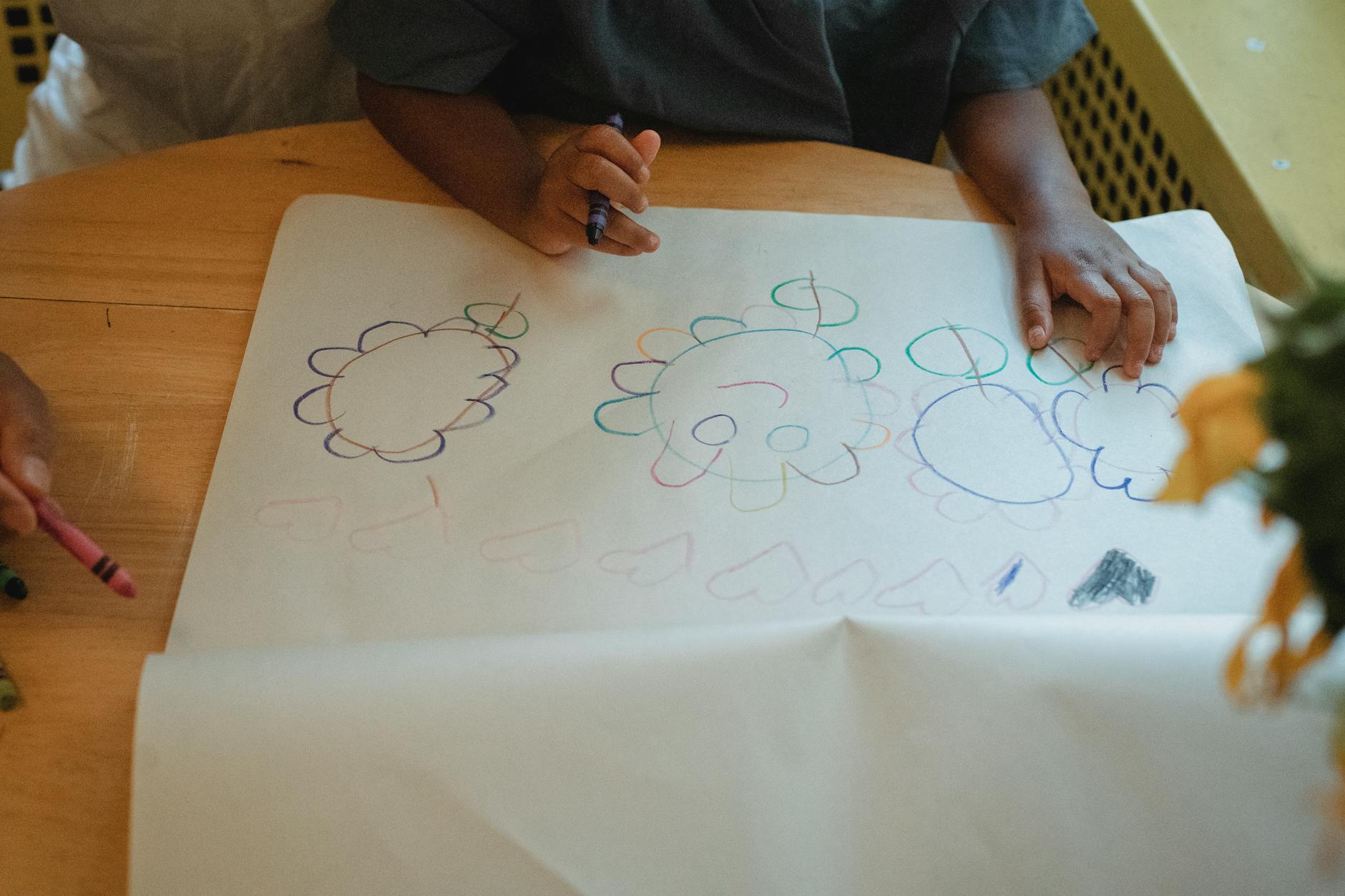
Children whose parents are incarcerated face significant challenges, particularly when it comes to child custody disputes. The absence of a parent can lead to increased stress, anxiety, and feelings of abandonment among children. These emotions can have long-lasting effects on a child's emotional and psychological well-being.
According to a study by the American Community Survey, approximately 7.3 million children in the United States have had a parent incarcerated. This number underscores the need for a stable and supportive environment for these children. A stable home environment is crucial for children to thrive, particularly during times of uncertainty and change.
The impact of parental incarceration on child custody disputes can be profound. Without a stable home environment, children may be more likely to experience behavioral problems, academic difficulties, and other issues related to their parent's incarceration. Courts must consider the best interests of the child when making custody decisions, taking into account the potential effects of parental incarceration on the child's well-being.
Creating a stable future for children affected by parental incarceration requires a multifaceted approach. This may involve providing support services for families, such as counseling and financial assistance, as well as creating policies that prioritize the child's needs in child custody disputes.
The stark reality is that one in five children is affected by parental incarceration in child custody disputes, leaving them vulnerable to emotional trauma, instability, and even long-term psychological damage. This alarming statistic underscores the urgent need for policymakers and family courts to prioritize the well-being of these innocent children, often caught in the crossfire of adult conflicts.
To mitigate this issue, courts should prioritize maintaining a consistent and nurturing relationship between the child and the incarcerated parent through phone calls, visits, and video conferencing. By doing so, they can help minimize the negative effects of parental incarceration on the child's emotional and psychological development. As we move forward, it's essential to develop more comprehensive support systems for these children, ensuring they receive the love, care, and stability they deserve, even in the face of parental incarceration.
Need this answered for your specific case?
Get a flat-fee consultation with a verified U.S. immigration attorney. Engagement letter on every paid consult.
Related guides
-
Sanctions on Juvenile Offenders Cut Recidivism Rate by 27% in First Year
7 min read · May 13, 2026
-
Federal Court Rules Graduated Sanctions Can Reduce Recidivism by 30% in Prisons
6 min read · May 13, 2026
-
Four-Year Prison Sentence for Man Convicted of 12 Technical Violations of Probation
6 min read · May 11, 2026
This guide provides general legal information and does not create an attorney–client relationship. Information accurate as of July 2026. Always verify current USCIS guidance before acting.