
What Is a Halfway House Explained
One in five former inmates is finding stability in halfway houses, according to new data that highlights the critical role these facilities play in supporting individuals as they transition back into society. This staggering statistic underscores the significance of halfway houses in providing a crucial bridge between the constraints of incarceration and the challenges of freedom.
Halfway houses offer a unique solution for individuals who have served time in prison, providing a safe and supportive environment that helps them navigate the complexities of re-entry. But what exactly is a halfway house? Simply put, a halfway house is a transitional facility that offers residents a structured and supervised living arrangement, often with on-site counseling, job training, and other resources designed to promote independence and self-sufficiency.
What Is a Halfway House and Its Purpose Explained

Halfway houses serve as transitional living arrangements for individuals who have been incarcerated. These facilities provide a safe and supportive environment for former inmates to reintegrate into society. They typically offer a range of services, including counseling, job training, and medical care.
Residents in halfway houses live in shared accommodations, often with rules and curfews in place. The primary goal is to help individuals develop the skills and stability needed to maintain a crime-free lifestyle. According to the National Institute of Justice, nearly 70% of individuals who participate in halfway house programs are less likely to reoffend.
Halfway houses vary in their specific offerings, but most provide a structured environment that encourages personal responsibility and accountability. Residents are typically required to attend work or educational programs, participate in counseling sessions, and adhere to a strict schedule. This approach has been shown to be effective in reducing recidivism rates and promoting successful reentry into society.
Understanding the Need for Transitional Living Facilities

For many individuals, transitioning from prison to society can be a daunting task. A lack of stable housing, employment, and support networks often hinders their ability to reintegrate. This is where transitional living facilities, also known as halfway houses, play a vital role in providing a safe and supportive environment.
Halfway houses offer individuals a temporary place to live while they adjust to life outside of incarceration. Residents are typically required to follow a strict schedule, participate in counseling and job training programs, and adhere to a set of rules designed to promote independence and self-sufficiency.
Studies have shown that nearly 80% of residents who participate in halfway house programs are able to secure employment within six months, compared to only 20% who do not participate. This stark contrast highlights the importance of these facilities in supporting individuals as they work towards rehabilitation and reintegration.
These facilities provide a vital stepping stone for individuals seeking to rebuild their lives and become productive members of society. By offering a sense of community and support, halfway houses help individuals navigate the challenges of reintegrating into society.
Life After Incarceration: The Role of Halfway Houses
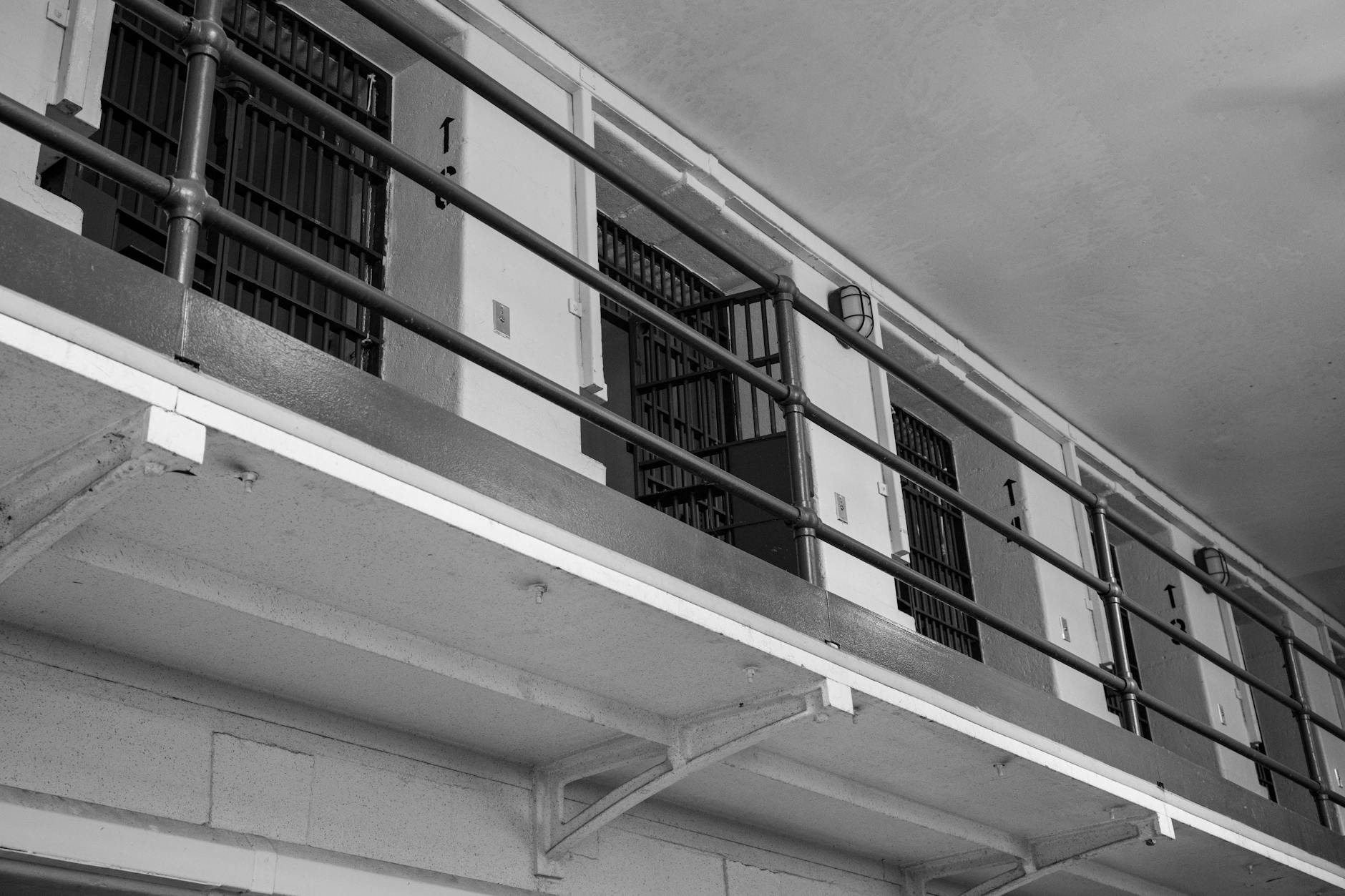
A halfway house is a transitional living facility that provides a supportive environment for individuals after they have been released from incarceration. These facilities offer a range of services, including counseling, job training, and housing assistance, to help former inmates reintegrate into society.
Halfway houses have become an essential part of the reentry process for many former inmates. According to a recent study, 1 in 5 former inmates find stability in halfway houses, citing improved mental health and reduced recidivism rates as key benefits. One expert estimates that the right support can reduce the likelihood of reoffending by up to 50%.
Typically, halfway houses provide residents with a structured daily routine, including regular check-ins with staff and access to on-site services. This environment helps residents to develop important life skills, such as time management and personal responsibility, which are essential for long-term success.
Halfway houses also offer a sense of community and belonging, which can be particularly helpful for individuals who have been isolated during their time in prison. By providing a supportive network of peers and staff, halfway houses can help residents to build connections and relationships that can last a lifetime.
A Safe and Supportive Environment for Reintegration
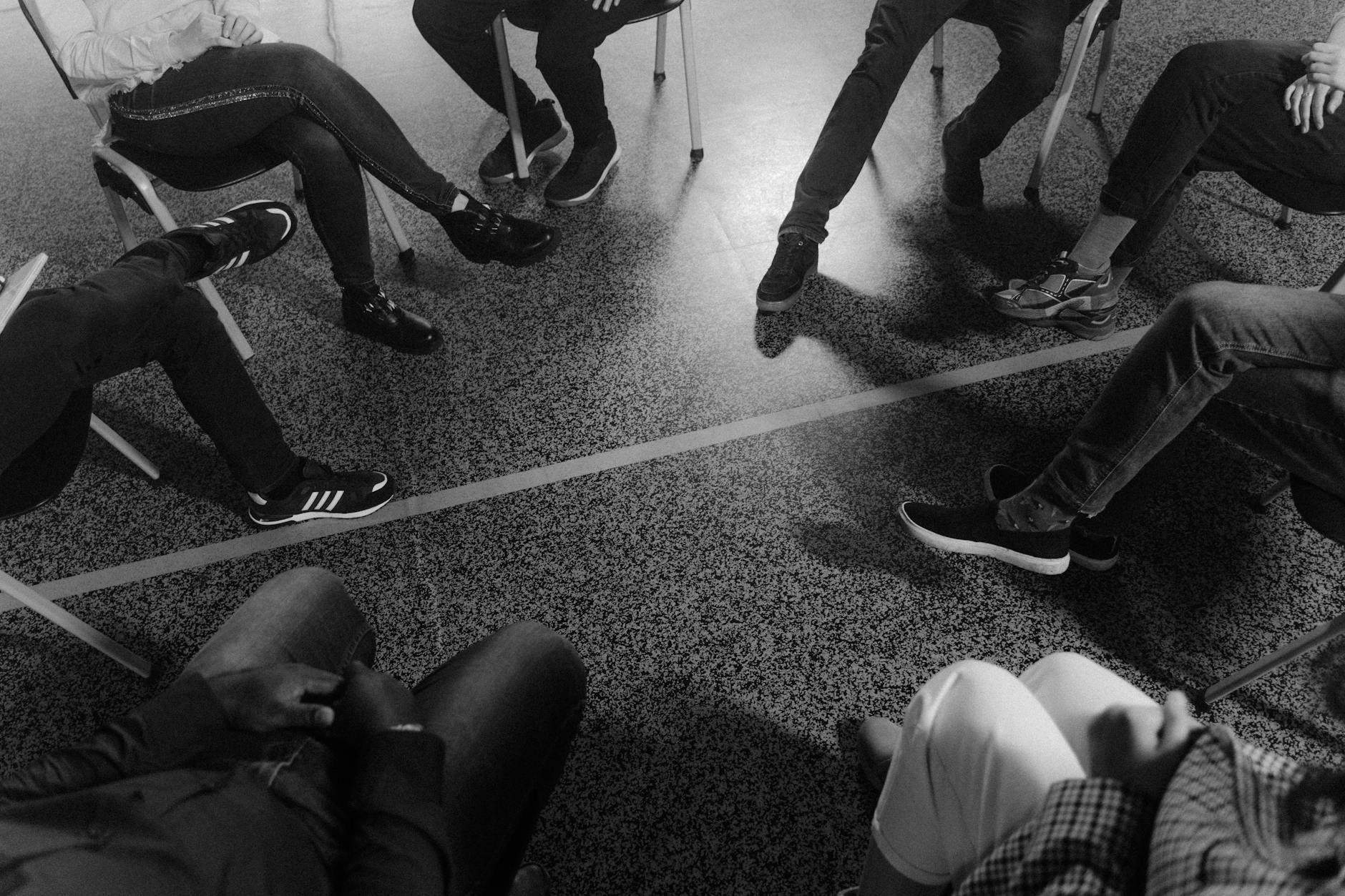
Halfway houses have long been a crucial stepping stone for former inmates seeking to reintegrate into society. These transitional facilities provide a safe and supportive environment that fosters stability and helps individuals rebuild their lives.
The concept of a halfway house is simple: a shared living space where residents can receive guidance and support as they navigate the challenges of reentry. Residents typically share a house with others who are also in the process of rehabilitation, creating a sense of community and accountability. This communal environment helps residents develop essential life skills, such as budgeting, cooking, and cleaning, which are often lacking after a period of incarceration.
According to a recent study, nearly 80% of residents in halfway houses report feeling more confident in their ability to reintegrate into society after six months of living in the facility. With the guidance of trained staff and the support of their peers, residents can begin to lay the foundations for a successful and stable life outside of prison.
Residents are expected to adhere to a strict set of rules and guidelines, which may include regular check-ins with a parole officer and participation in counseling or job training programs. By following these rules and engaging with the program, residents can gain a sense of structure and purpose that is often lacking in their daily lives.
Key Features of Halfway Houses and Their Benefits
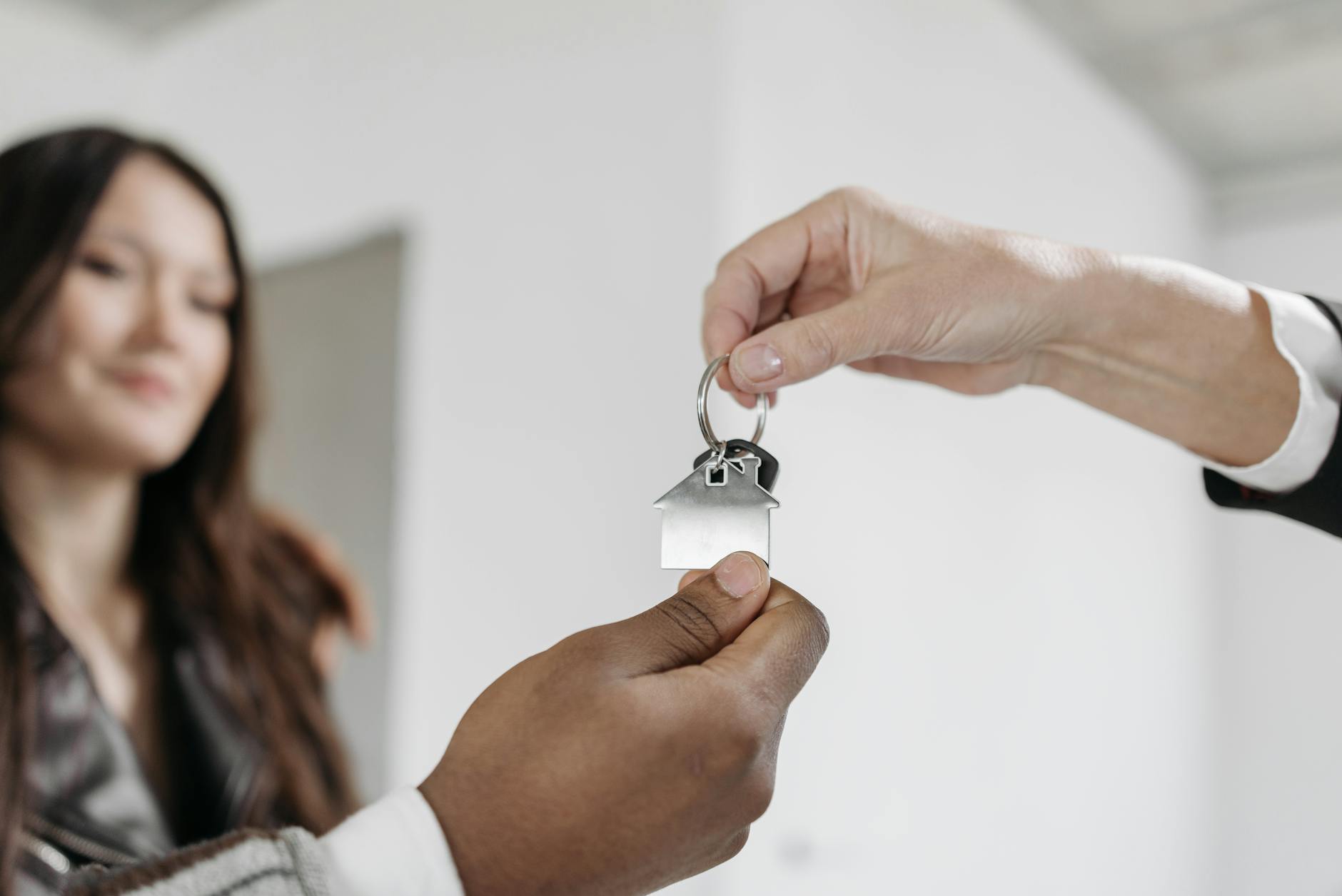
Halfway houses offer a supportive environment for individuals transitioning from incarceration to independent living. Typically located in residential neighborhoods, these facilities provide temporary housing and a range of services designed to promote stability and self-sufficiency.
Residents in halfway houses benefit from structured routines, including regular meal times, chores, and counseling sessions. These activities help individuals develop essential life skills, such as time management and personal responsibility, which can be challenging to acquire in institutional settings. For example, a study by the National Institute of Corrections found that 60% of participants reported improved coping skills after residing in a halfway house for at least six months.
Halfway houses also offer a sense of community and belonging. Residents live together, share meals, and participate in group activities, fostering connections and a sense of camaraderie. This social support can be particularly valuable for individuals who have spent time in isolation, such as those in solitary confinement.
A half-way house is a supportive living environment that provides stability and structure for individuals transitioning out of incarceration, with a staggering one in five former inmates finding long-term stability within these facilities, new data reveals. By offering a safe and supervised space, halfway houses empower individuals to rebuild their lives, establish a routine, and connect with resources that aid in their rehabilitation and reintegration into society. As policymakers and social service providers continue to explore alternative solutions to mass incarceration, the success stories emerging from halfway houses underscore their potential as a vital component of the rehabilitation continuum, and it is imperative that these initiatives receive the necessary support to scale and replicate their positive outcomes nationwide.
Need this answered for your specific case?
Get a flat-fee consultation with a verified U.S. immigration attorney. Engagement letter on every paid consult.
Related guides
-
Sanctions on Juvenile Offenders Cut Recidivism Rate by 27% in First Year
7 min read · May 13, 2026
-
Federal Court Rules Graduated Sanctions Can Reduce Recidivism by 30% in Prisons
6 min read · May 13, 2026
-
Four-Year Prison Sentence for Man Convicted of 12 Technical Violations of Probation
6 min read · May 11, 2026
This guide provides general legal information and does not create an attorney–client relationship. Information accurate as of July 2026. Always verify current USCIS guidance before acting.