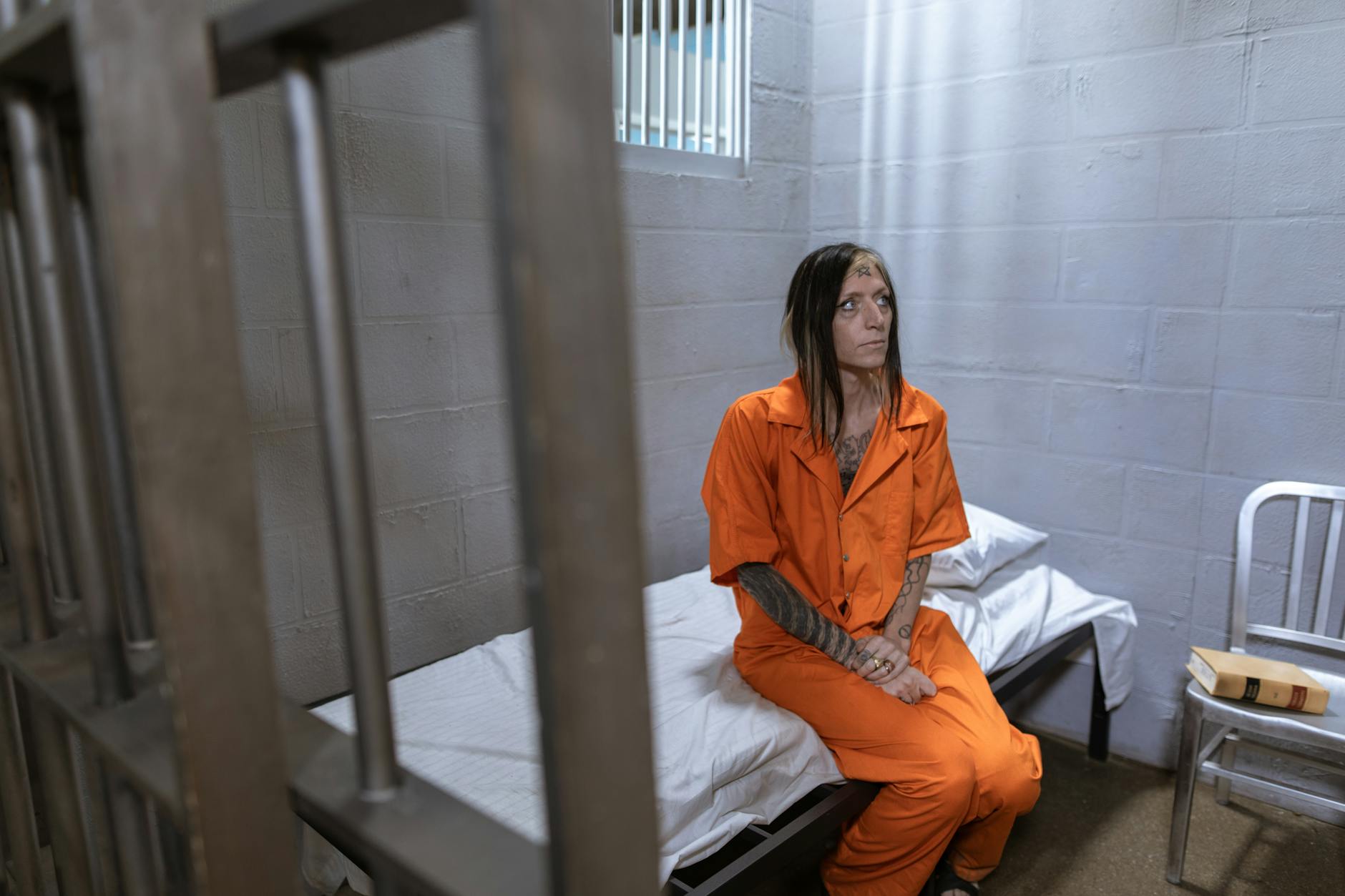
1 in 5 Former Inmates Relies on Transitional Housing Amid Reentry Struggles
The harsh realities of life after prison are a stark contrast to the promise of rehabilitation. For far too many former inmates, the transition back to society is marked by struggle, poverty, and vulnerability. According to recent statistics, nearly 20% of those released from prison rely on transitional housing to get back on their feet. This staggering figure highlights the pressing need for effective support systems in place to aid in the reentry process. Transitional housing, a critical component of this support, provides a temporary haven for individuals transitioning out of the correctional system.
What is transitional housing after prison? It is a type of short-term housing that offers a safe and stable environment for former inmates to rebuild their lives. Transitional housing programs often provide essential services such as counseling, job training, and medical care to help individuals overcome the challenges of reentry. By offering a structured and supportive environment, transitional housing aims to bridge the gap between prison and community, empowering former inmates to reintegrate successfully into society.
Reentry Challenges Confront Many Former Inmates Daily
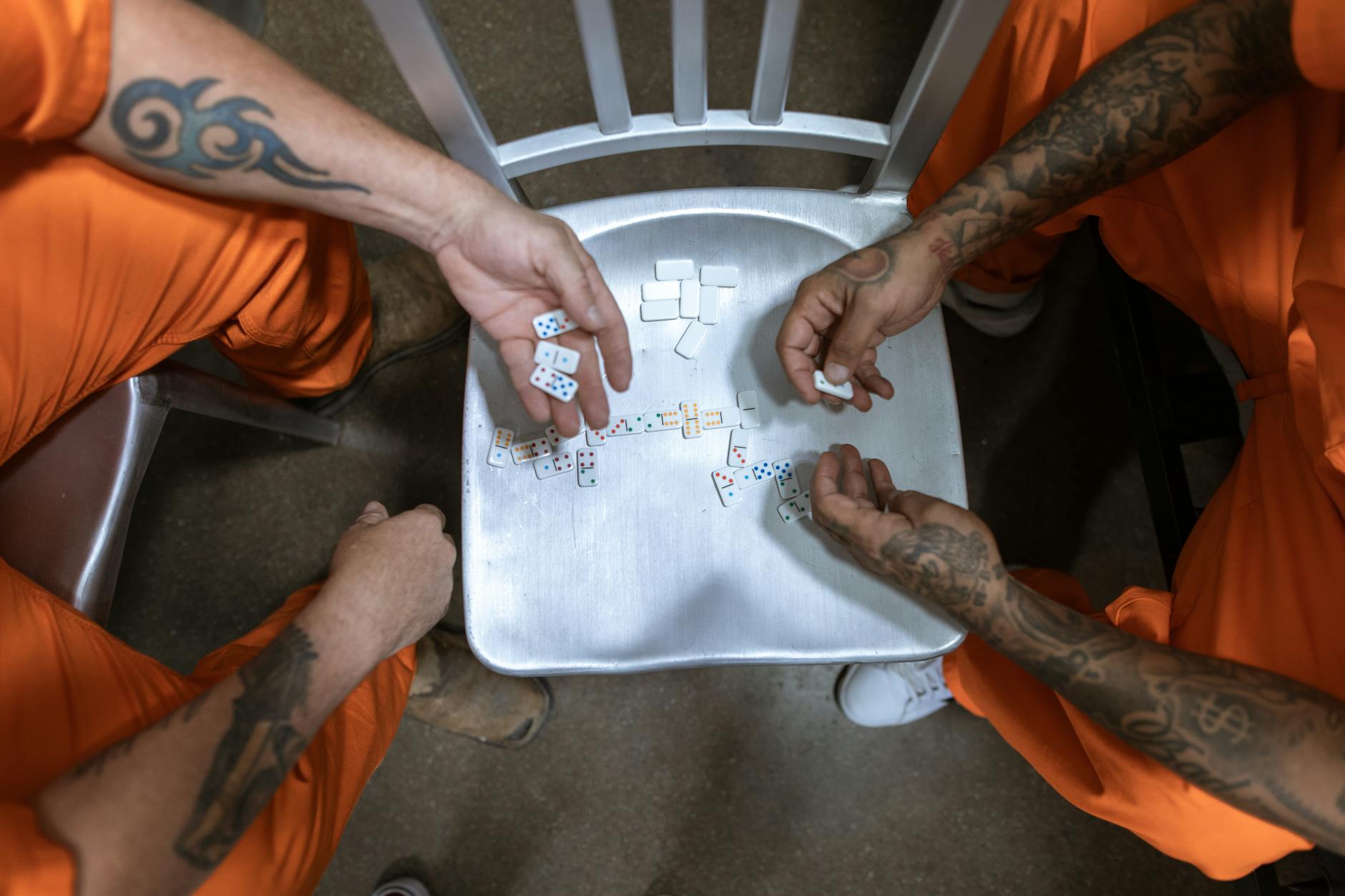
For many former inmates, the struggle to reintegrate into society is a daily challenge. Some individuals are forced to navigate this difficult period on their own, while others rely on transitional housing to help them adjust to life outside of prison. Transitional housing provides a temporary residence for those who have been incarcerated, often with structured programs and support services designed to ease the transition back into the community.
Research suggests that approximately 1 in 5 former inmates relies on transitional housing to help them get back on their feet. This statistic highlights the significant need for these types of services, which can offer a safe and stable environment for individuals to rebuild their lives. Transitional housing can provide former inmates with access to essential resources, including food, clothing, and medical care.
The benefits of transitional housing extend beyond basic necessities. Many programs also offer counseling, job training, and education services to help individuals prepare for life outside of prison. These services are often provided by a team of dedicated professionals who understand the unique challenges faced by former inmates. With the right support, individuals can overcome their past and start anew.
Navigating the System: Transitional Housing Explained

Transitional housing serves as a vital lifeline for many former inmates navigating the complexities of reentry into society. Typically lasting anywhere from a few weeks to a year or more, these programs provide temporary accommodations and essential services to support individuals in transitioning from incarceration to independent living.
Common features of transitional housing include shared living spaces, meal preparation assistance, and access to counseling and job training. According to a recent study, approximately 70% of individuals participating in transitional housing programs reported a decrease in recidivism rates within the first six months of reentry.
Participants often undergo a rigorous screening process, which assesses their suitability for the program based on factors such as behavior, mental health, and substance abuse history. Once accepted, they work closely with program staff to develop personalized plans for reintegration into society. Regular check-ins and support groups help former inmates stay on track and address any challenges that arise.
Providing a Safe Haven: Transitional Housing Overview

Transitional housing provides a crucial stepping stone for individuals reentering society after incarceration. This type of housing offers a safe and supportive environment, allowing former inmates to rebuild their lives and gain stability. Typically, transitional housing lasts anywhere from several months to two years.
Research suggests that nearly half of released prisoners experience homelessness within the first year of their release. Providing a safe haven is essential, especially considering the unique challenges faced by this population. Transitional housing programs often include services like job training, counseling, and medical care to help residents reintegrate into their communities.
Residents of transitional housing live in shared accommodations, usually in group homes or apartments, and are expected to contribute to household chores and other responsibilities. By living in a community with others who are going through similar experiences, residents can find camaraderie and support, helping to alleviate feelings of isolation.
From Streets to Stabilization: Transitional Housing Programs Work

Transitional housing programs provide a vital lifeline for former inmates navigating the complex challenges of reentry. These programs offer temporary housing, often with support services, to individuals released from prison. The goal is to help them stabilize their lives and reintegrate into society.
Many transitional housing programs operate on a short-term basis, typically ranging from several months to a few years. During this time, residents have access to essential services, such as job training, counseling, and medical care. This comprehensive support helps alleviate the stresses of reentry and fosters a smoother transition into independent living.
Research suggests that nearly 75% of former inmates face significant barriers to successful reentry, including employment, housing, and healthcare. Transitional housing programs aim to mitigate these challenges by providing a safe and supportive environment. By doing so, they play a critical role in reducing recidivism rates and promoting long-term rehabilitation.
While transitional housing programs vary in their specific services and durations, they share a common purpose: to help former inmates build a foundation for a brighter future.
Building a New Life: Transitional Housing Supports Reentry Success

Transitional housing, a crucial step in the reentry process, provides former inmates with a safe and supportive environment to readjust to society. This type of housing offers temporary accommodations, often for a set period, typically ranging from several months to a year. The goal is to help individuals transition smoothly back into their communities, connecting them with essential resources and services.
Studies have shown that up to 75% of former inmates face significant barriers to reentry, including housing insecurity. Transitional housing helps bridge this gap by providing a stable living situation, enabling individuals to focus on rebuilding their lives. For many, this means finding employment, reconnecting with family and friends, and accessing healthcare services.
A well-structured transitional housing program can significantly reduce recidivism rates, according to research. By offering support and guidance, these programs empower individuals to make positive changes and achieve long-term success.
Transitional housing has become a lifeline for countless former inmates navigating the complexities of reentry into society. For one in five individuals released from prison, these temporary homes provide a crucial stepping stone towards stability and a fresh start, bridging the gap between incarceration and independent living.
As policymakers and community leaders work to address the needs of those returning to their communities, investing in transitional housing programs is a practical recommendation that can yield tangible results. By supporting these initiatives, cities and states can help reduce recidivism rates and foster more successful reentries, ultimately benefiting both individuals and society as a whole. Ahead, there's a pressing need to continue scaling up these efforts and exploring innovative solutions to meet the evolving needs of former inmates, ensuring that transitional housing remains a vital resource in the years to come.
Need this answered for your specific case?
Get a flat-fee consultation with a verified U.S. immigration attorney. Engagement letter on every paid consult.
Related guides
-
Sanctions on Juvenile Offenders Cut Recidivism Rate by 27% in First Year
7 min read · May 13, 2026
-
Federal Court Rules Graduated Sanctions Can Reduce Recidivism by 30% in Prisons
6 min read · May 13, 2026
-
Four-Year Prison Sentence for Man Convicted of 12 Technical Violations of Probation
6 min read · May 11, 2026
This guide provides general legal information and does not create an attorney–client relationship. Information accurate as of July 2026. Always verify current USCIS guidance before acting.