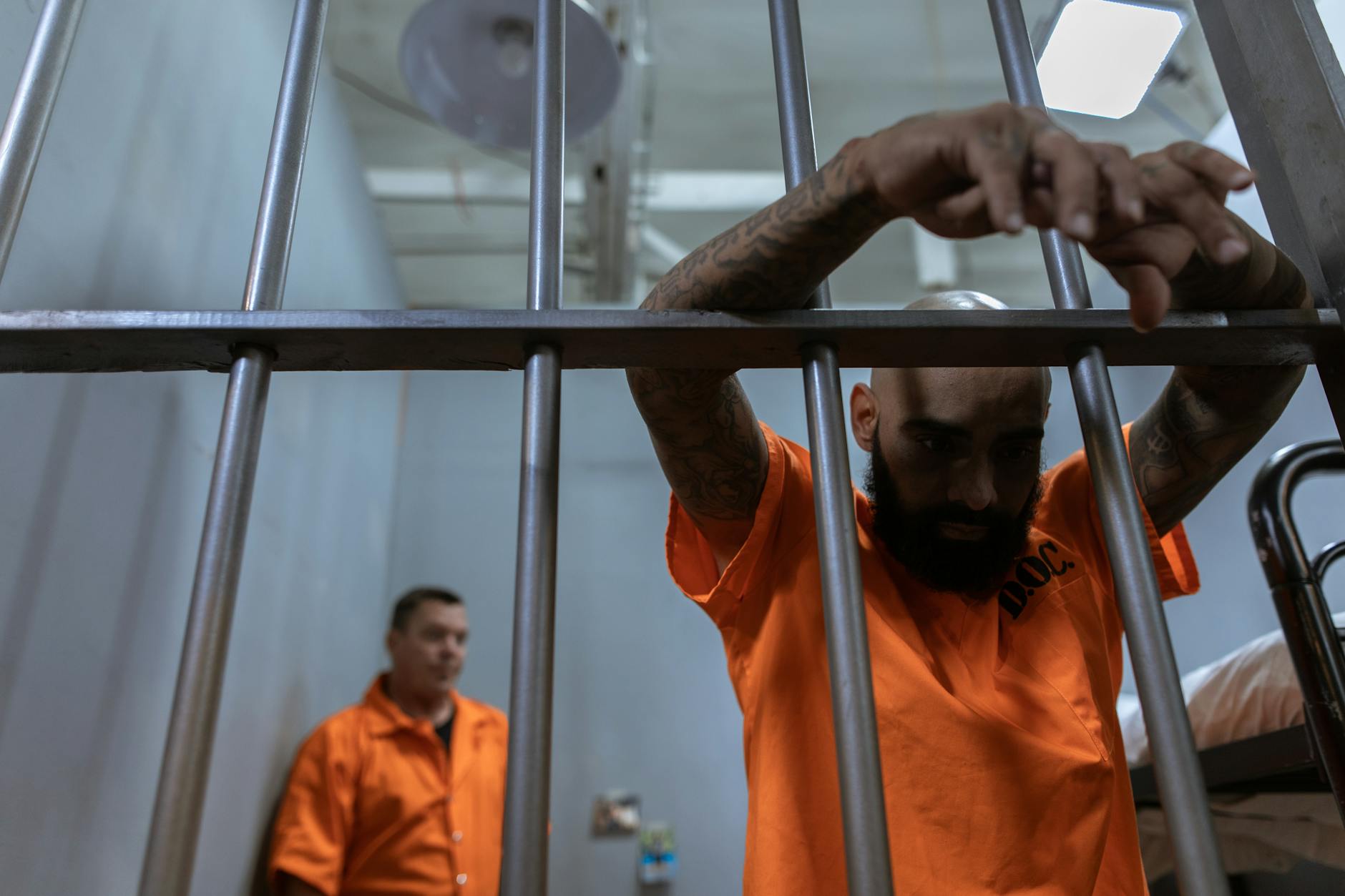
Behind Bars and Behind on Healthcare
One in five inmates develops a serious health condition while incarcerated, a stark reality that exposes the inadequacies of the prison healthcare system. The numbers are alarming, and the consequences are dire. In the United States alone, thousands of prisoners suffer from untreated illnesses, exacerbating their conditions and often resulting in lifelong damage. For those who are fortunate enough to receive medical attention, the treatment is often inadequate, leading to further complications.
The harsh truth is that getting sick in prison is a daunting experience, with severe implications for one's physical and mental well-being. What happens if you get sick in prison is a question that echoes through the corridors of correctional facilities, haunting those who are already struggling to survive behind bars. The consequences of neglect, coupled with inadequate medical care, have a lasting impact on inmates, making it essential to understand what happens if you get sick in prison and to push for reform in the prison healthcare system.
Healthcare Behind Bars: A Growing Concern
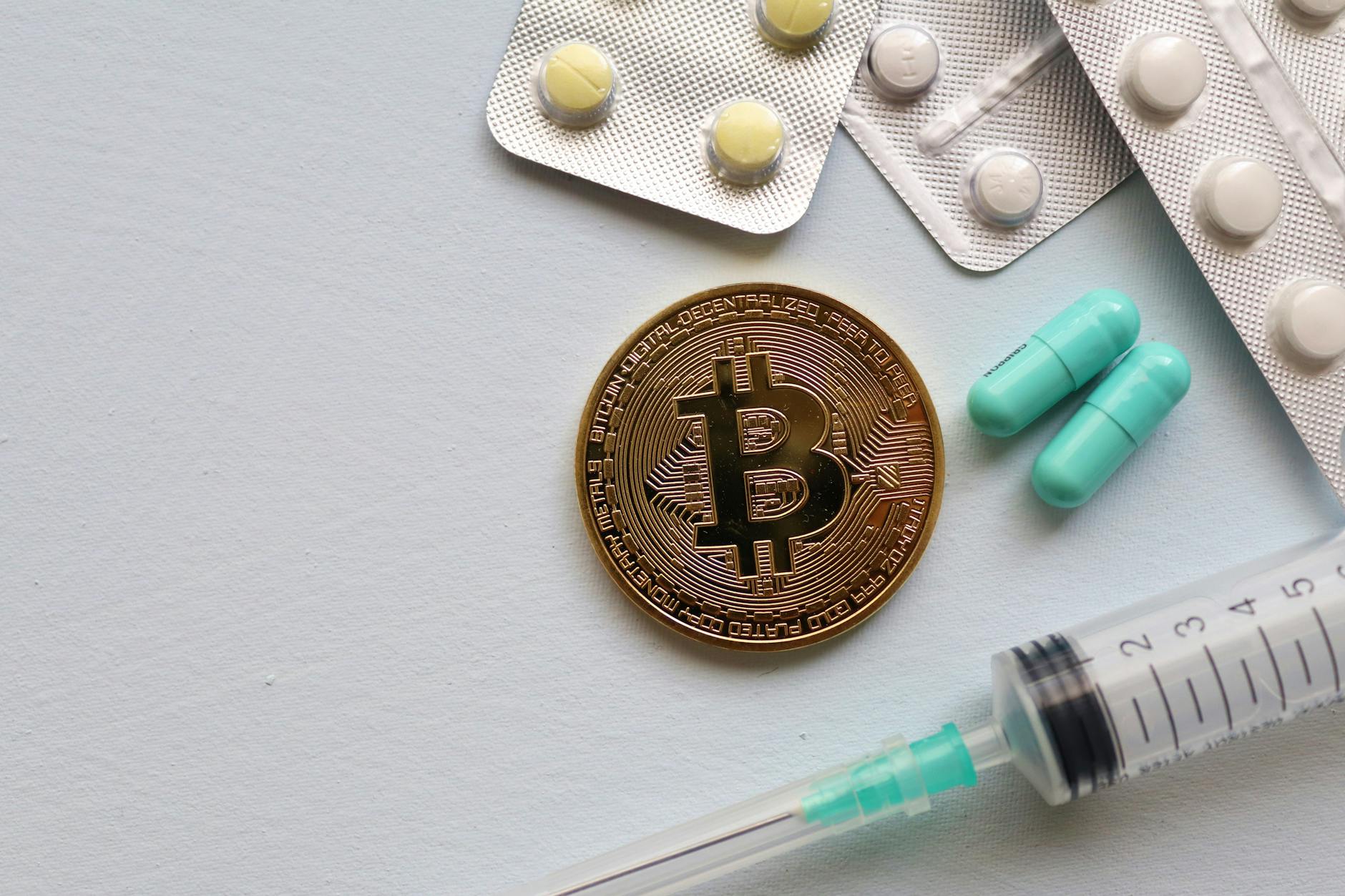
Prison healthcare systems are often understaffed and underfunded, leaving inmates vulnerable to serious health conditions. A study found that nearly 1 in 5 inmates develops a serious health condition while behind bars, including chronic diseases, mental health issues, and infectious diseases.
When an inmate falls ill, they typically rely on the prison's medical staff for treatment. However, the quality of care can vary greatly depending on the facility and its resources. Inmates may experience long wait times, inadequate medication, and a lack of specialized care.
In extreme cases, inmates may be transferred to a hospital or other medical facility for treatment. However, this can be a lengthy and difficult process, and inmates may experience a range of challenges, from language barriers to lack of access to medical records.
A significant concern is the spread of infectious diseases within prisons, which can have devastating consequences for both inmates and staff. According to the Centers for Disease Control and Prevention (CDC), outbreaks of infectious diseases in prisons are a growing concern, with a recent study highlighting the need for improved infection control measures.
Life Inside Prisons Takes a Toll on Inmate Health
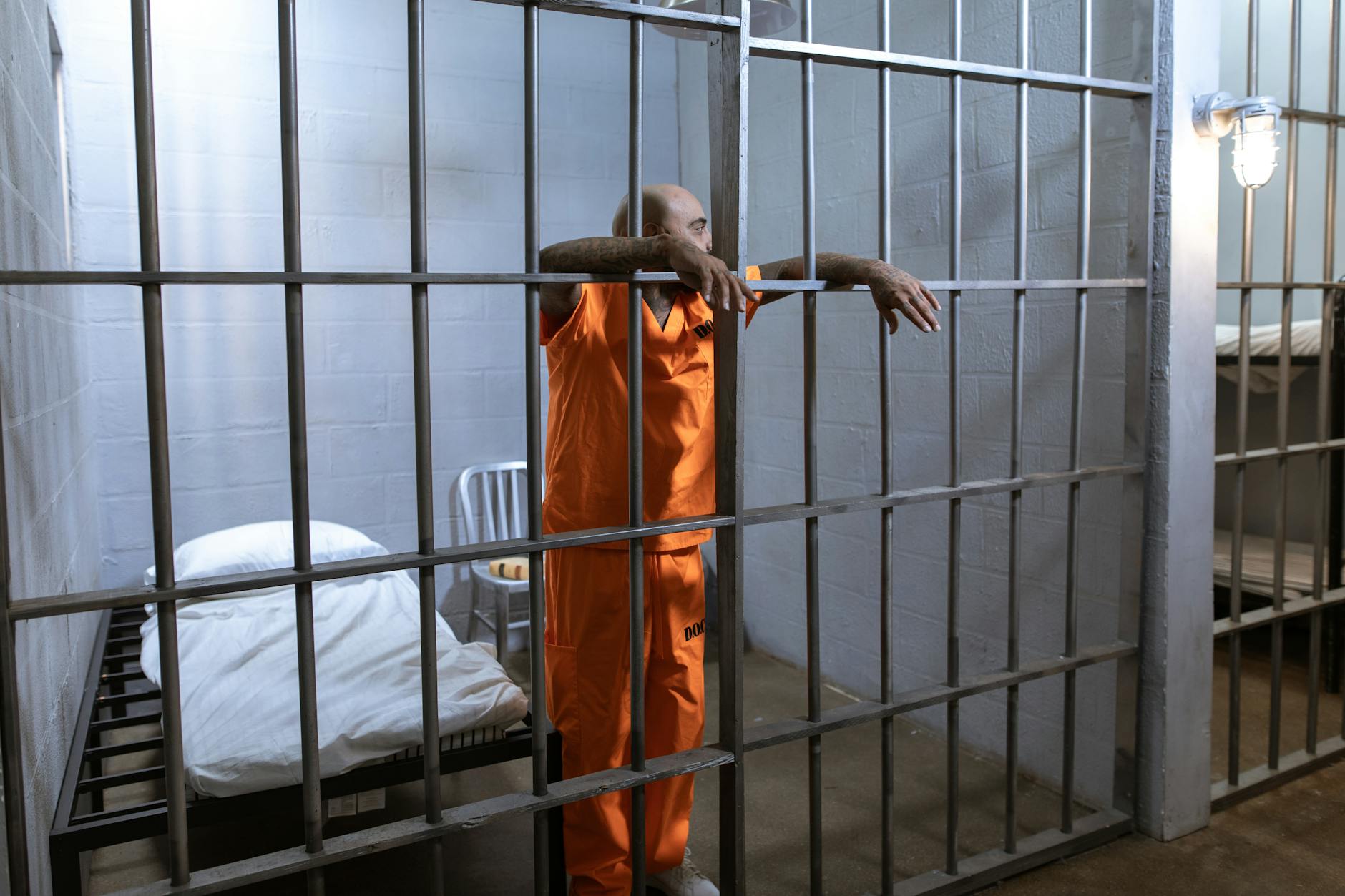
Poor sanitation and unsanitary living conditions in prisons create an ideal environment for the spread of diseases. Inadequate access to medical care, coupled with the physical and emotional stress of incarceration, can trigger underlying health issues in inmates. Many prisoners struggle to cope with the added burden of a serious medical condition on top of their existing mental health problems.
According to the Bureau of Justice Statistics, approximately 22% of state and federal prisoners have a serious medical condition, such as diabetes, HIV, or heart disease. The prison system's failure to provide adequate healthcare exacerbates these conditions, putting inmates' lives at risk.
Prisoners may have limited access to nutritious food, clean water, and adequate housing, making it difficult to recover from illnesses. In some cases, medical care is delayed or denied, leading to further complications and potentially life-threatening consequences.
Medical Care in Prisons: A Patchwork System at Best
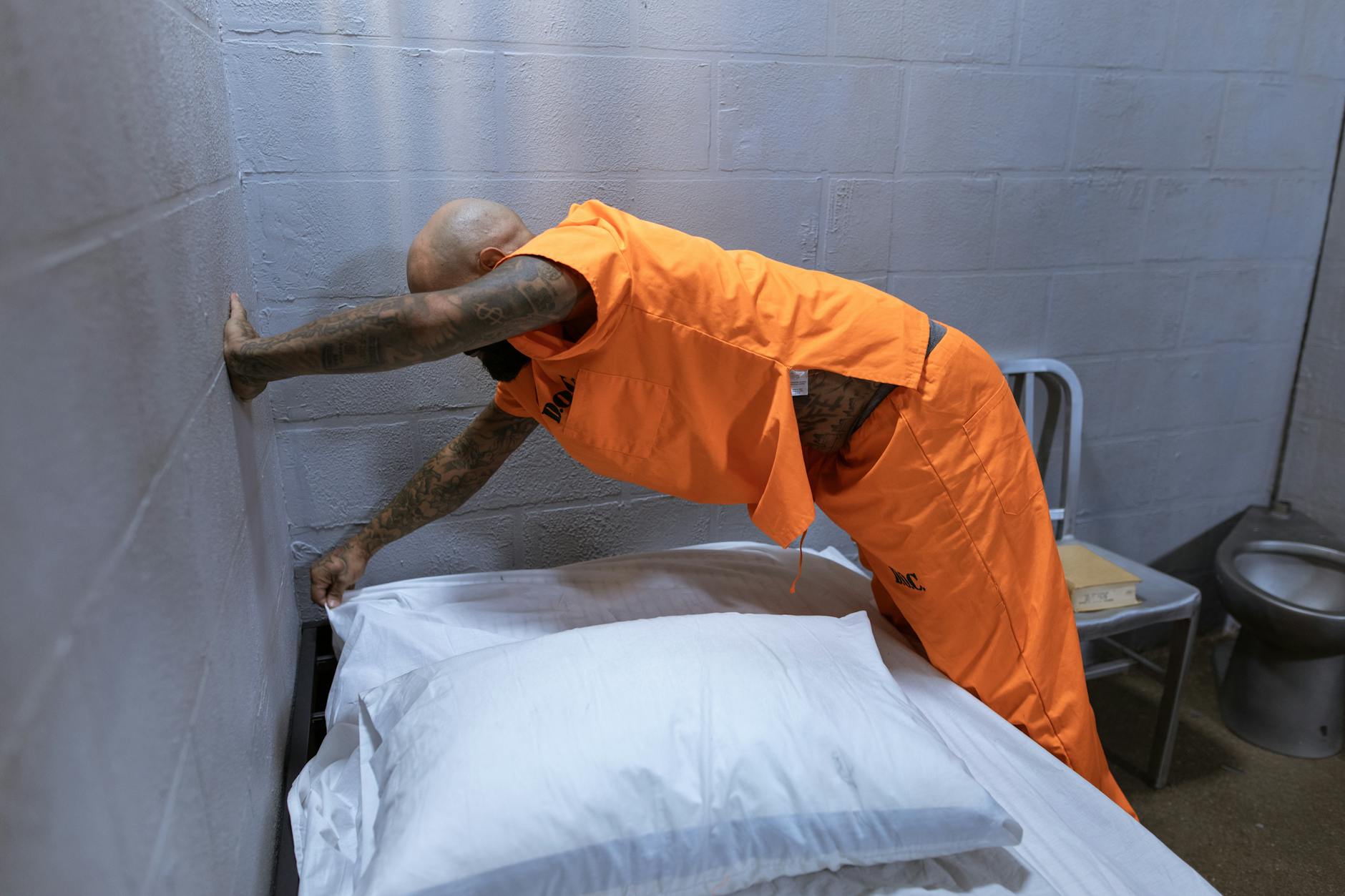
Prison healthcare systems vary significantly in terms of quality and accessibility. Some facilities have on-site medical staff, including doctors and nurses, while others may only have a part-time nurse or a medical officer.
The majority of inmates who fall ill in prison are treated in infirmary settings, which are often understaffed and under-resourced. These facilities are often tasked with managing complex medical needs, including chronic conditions such as diabetes and hypertension. According to the Bureau of Justice Statistics, nearly 45% of inmates experience a serious health condition while incarcerated. This highlights the need for more comprehensive medical care within the prison system.
The availability of specialized medical services, such as mental health counseling and surgical procedures, can be limited in prison settings. As a result, many inmates are transferred to outside hospitals for treatment, which can be a lengthy and often traumatic process. This can exacerbate existing health problems and create new challenges for both the inmate and the prison system.
Getting Sick in Prison: Consequences for Inmates and Staff
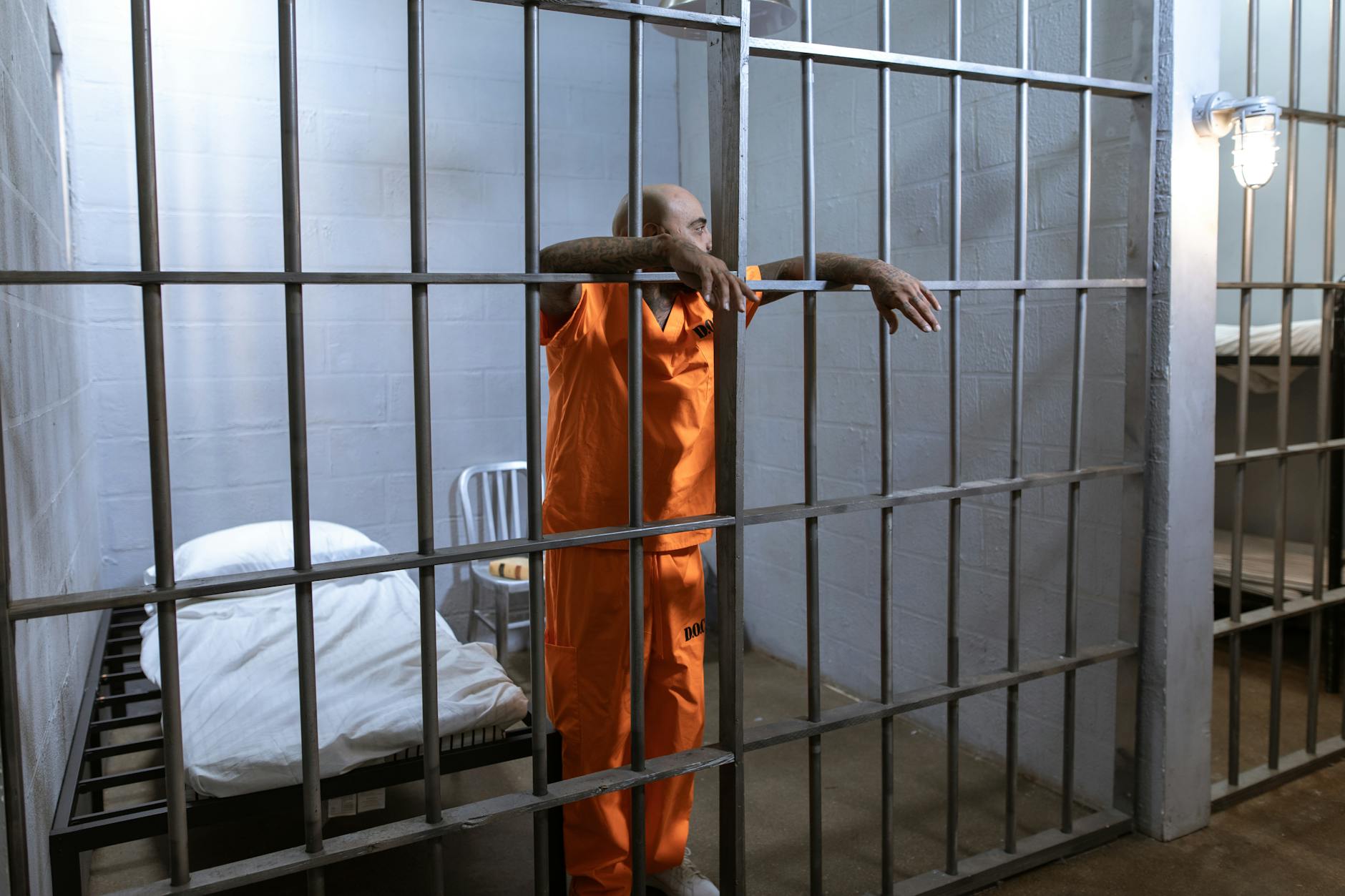
When an inmate becomes ill in prison, the consequences can be severe and far-reaching. The lack of proper medical care and resources can lead to the spread of diseases, exacerbation of existing conditions, and even death.
According to the Bureau of Justice Statistics, nearly one-third of all prison deaths are attributed to medical causes. Prison staff, who are often under-trained and over-worked, are also at risk of contracting illnesses from inmates. With inadequate personal protective equipment (PPE) and suboptimal sanitation, the risk of transmission is high.
An inmate who falls ill may face a grueling struggle to receive adequate treatment. Limited access to medical facilities, long wait times, and inadequate staffing can leave inmates without the care they need. This can have long-term consequences, including the development of serious health conditions.
Reforming Prison Healthcare to Save Lives and Resources
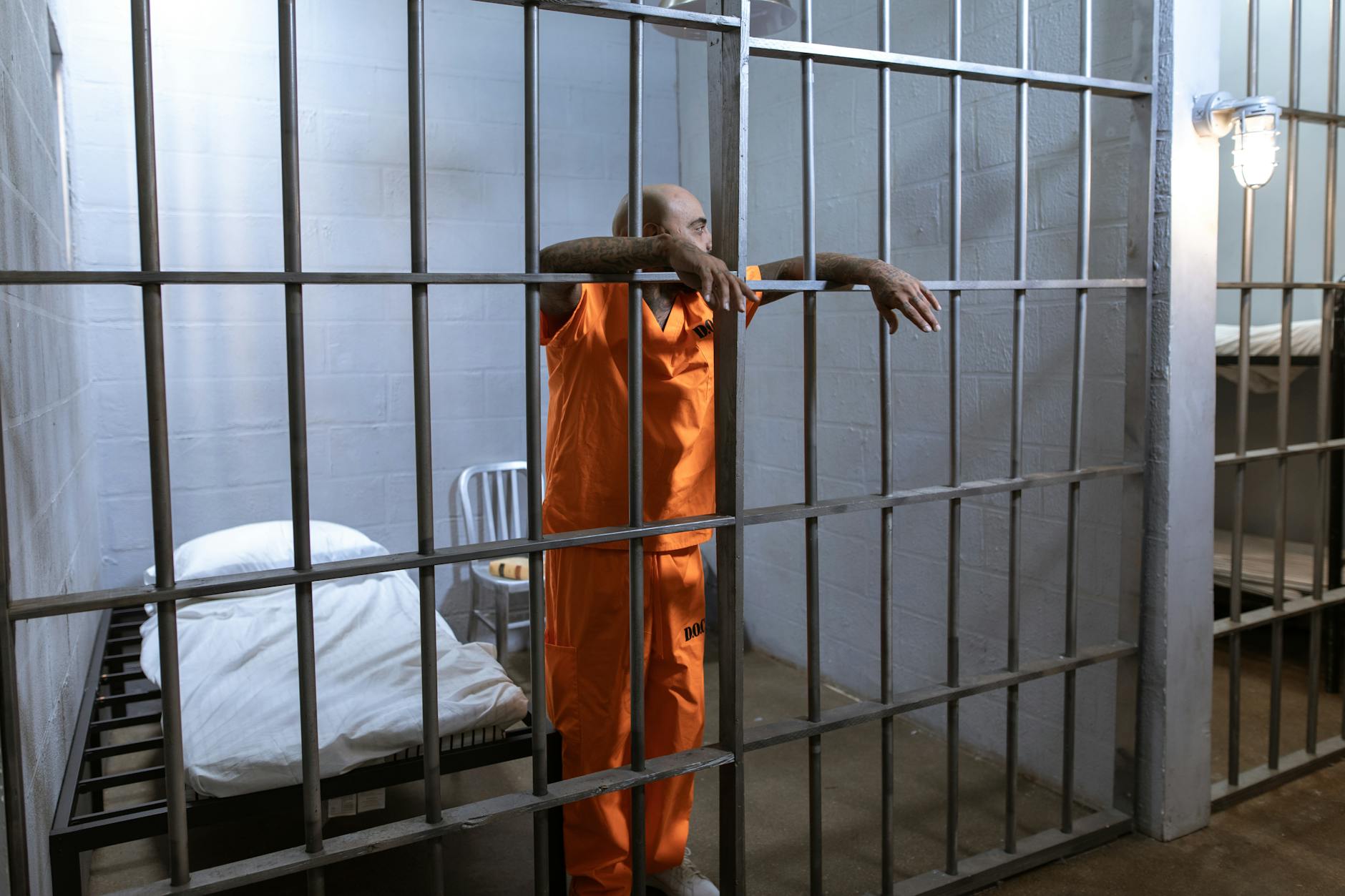
When an individual enters the prison system, they are often unprepared to handle the challenges that come with living behind bars. The physical and emotional toll can be overwhelming, leading to a higher risk of developing serious health conditions.
The statistics are alarming: nearly one in five inmates develops a serious health condition while incarcerated. The lack of access to quality healthcare and the stress of prison life can exacerbate existing conditions, making it difficult for inmates to receive the medical attention they need.
According to the Bureau of Justice Statistics, prisoners are more likely to contract diseases such as tuberculosis and HIV due to inadequate healthcare services. This not only puts their lives at risk but also poses a threat to the general public upon release.
Prison healthcare reform is long overdue, and it's crucial that lawmakers prioritize the well-being of inmates. By investing in quality healthcare services and providing access to mental health support, prisons can reduce the risk of serious health conditions and improve the overall health outcomes of inmates.
The grim reality of America's prison system is that nearly one in five inmates develops a serious health condition while behind bars, often due to inadequate access to medical care and unsanitary living conditions. This staggering statistic highlights the urgent need for reform, not just to prioritize the health and well-being of inmates but also to prevent the spread of diseases that can have far-reaching consequences for public health. As the US prison population continues to grow, it's imperative that policymakers and correctional officials prioritize investment in healthcare infrastructure and training for medical staff, ensuring that inmates receive the care they need to stay healthy and safe behind bars.
Need this answered for your specific case?
Get a flat-fee consultation with a verified U.S. immigration attorney. Engagement letter on every paid consult.
Related guides
-
Sanctions on Juvenile Offenders Cut Recidivism Rate by 27% in First Year
7 min read · May 13, 2026
-
Federal Court Rules Graduated Sanctions Can Reduce Recidivism by 30% in Prisons
6 min read · May 13, 2026
-
Four-Year Prison Sentence for Man Convicted of 12 Technical Violations of Probation
6 min read · May 11, 2026
This guide provides general legal information and does not create an attorney–client relationship. Information accurate as of July 2026. Always verify current USCIS guidance before acting.