Drones have become an integral part of modern surveillance, with estimates suggesting over 1.3 million commercial drones in operation across the United States alone. These unmanned aerial vehicles (UAVs) offer unprecedented capabilities for monitoring and data collection, but their use is governed by a complex web of regulations. Understanding these rules is crucial for anyone involved in drone operations, from hobbyists to large-scale enterprises.
Drone surveillance law encompasses the legal framework that regulates the use of drones for monitoring and data collection. It covers aspects such as privacy, safety, and operational guidelines. Drone surveillance law is not just a concern for government agencies; it affects businesses, researchers, and even individual drone enthusiasts. As the technology evolves, so do the laws, making it essential for users to stay informed about the latest regulations. Whether for commercial, recreational, or public safety purposes, compliance with drone surveillance law ensures responsible and legal use of this powerful technology.
Understanding Drone Surveillance Basics
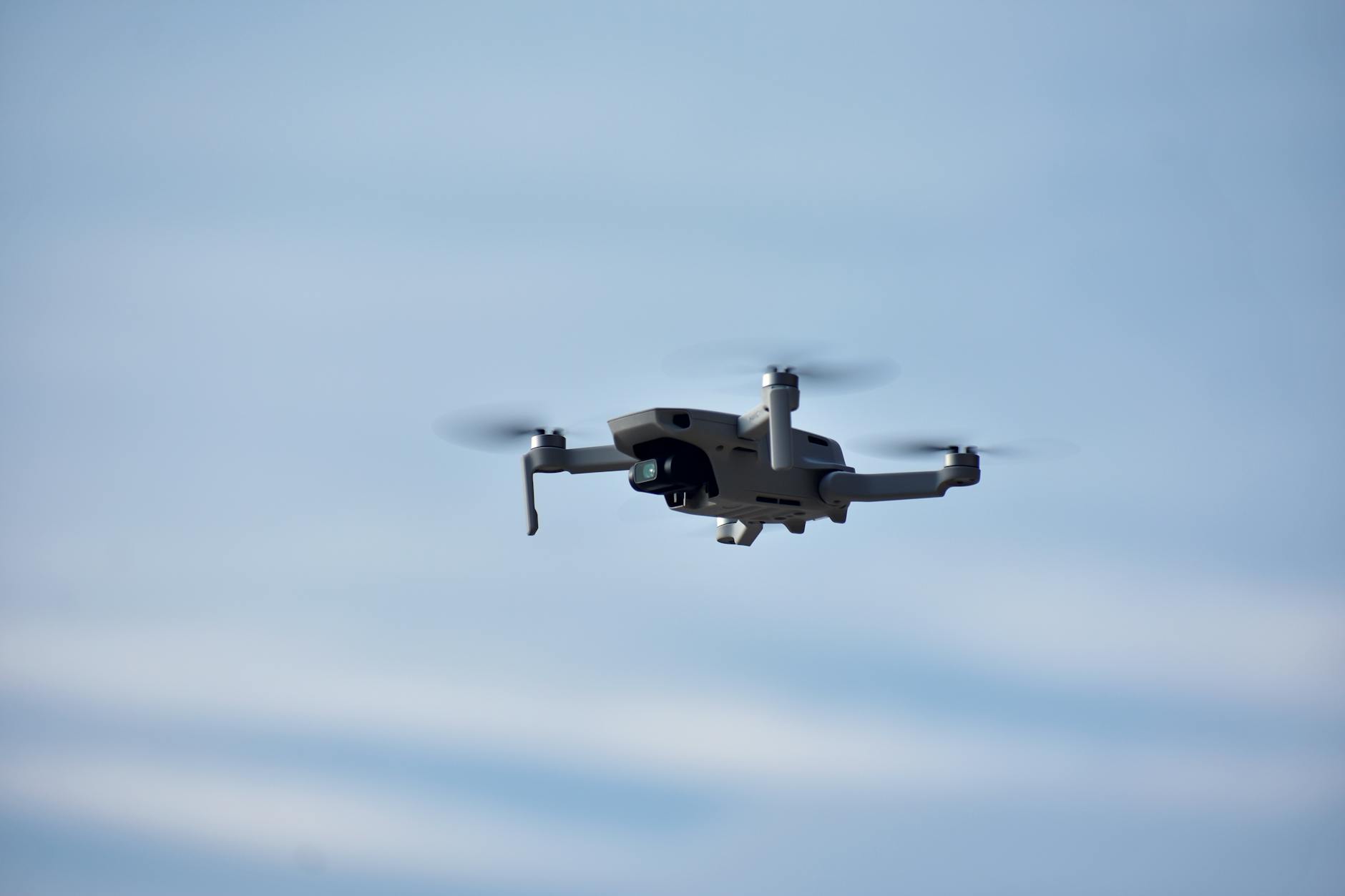
Drone surveillance law governs the use of unmanned aerial vehicles (UAVs) for monitoring and data collection. These regulations aim to balance public safety, privacy concerns, and technological innovation. At its core, drone surveillance law addresses who can operate drones, where they can fly, and how collected data can be used. The laws vary significantly across jurisdictions, reflecting differing priorities and technological capabilities.
According to a 2023 report by the International Association of Chiefs of Police, over 900 law enforcement agencies in the United States now use drones for surveillance. This rapid adoption underscores the need for clear, consistent regulations. Drone surveillance laws typically categorize UAVs based on weight, purpose, and operational altitude. Commercial and government use often face stricter regulations than recreational use.
Privacy remains a central concern in drone surveillance law. Many jurisdictions require law enforcement agencies to obtain warrants for surveillance operations. Some regions have established no-fly zones around sensitive areas like schools, hospitals, and government buildings. Public awareness campaigns often accompany these regulations to educate citizens about their rights and the limitations of drone surveillance.
Technological advancements continue to shape drone surveillance laws. As drones become more sophisticated, with features like facial recognition and thermal imaging, legislators grapple with updating regulations. The balance between leveraging technology for public safety and protecting individual privacy remains a delicate one. Staying informed about these evolving laws is crucial for both drone operators and the general public.
Core Principles of Current Legislation
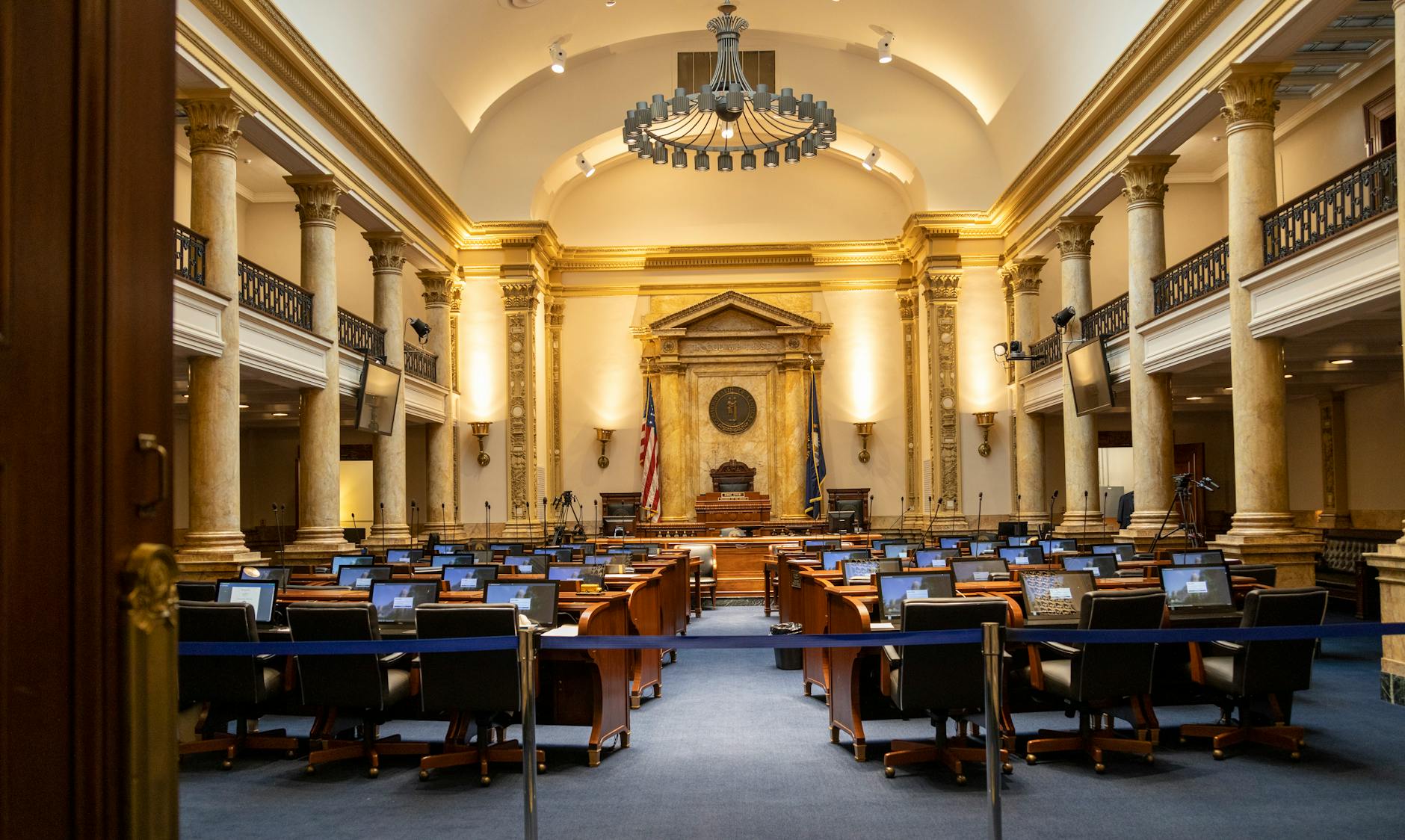
Drone surveillance law governs the use of unmanned aerial vehicles (UAVs) for monitoring and data collection. At its core, this legislation balances public safety with technological advancement. It establishes clear guidelines for drone operation, prioritizing privacy and security. These laws typically categorize drones by weight and purpose, dictating specific rules for each group. Compliance ensures responsible use while preventing misuse.
Privacy stands as a central concern in drone surveillance legislation. Laws often mandate that drones maintain a safe distance from private properties. They also restrict data collection without consent, protecting individuals’ personal spaces. A 2023 study by a leading legal think tank found that 78% of surveyed citizens support strict privacy measures in drone laws. This highlights the public’s demand for safeguards against unauthorized surveillance.
Safety protocols form another pillar of drone surveillance law. Operators must adhere to flight path regulations and altitude limits. Mandatory registration and licensing ensure accountability. These measures reduce the risk of accidents and collisions. They also facilitate tracking in case of misuse. Overall, safety regulations aim to integrate drones into public airspace seamlessly.
Legislation also addresses law enforcement’s use of drones. Police and security agencies must obtain warrants for surveillance in private areas. Exceptions exist for emergencies, but transparency remains crucial. Public awareness campaigns often accompany these laws. They educate citizens on their rights and the boundaries of drone surveillance. This fosters trust between authorities and the communities they serve.
State-Specific Regulations and Restrictions
Drone surveillance laws in the United States vary significantly by state, creating a patchwork of regulations that operators must navigate. Some states have enacted comprehensive legislation addressing privacy concerns, operational limits, and law enforcement use. For instance, California has strict privacy laws that require drone operators to obtain consent before capturing images of individuals in private settings. Meanwhile, Texas has implemented rules that limit law enforcement’s use of drones for surveillance without a warrant.
In contrast, states like Florida have adopted more permissive approaches, focusing primarily on safety regulations rather than privacy protections. The Florida legislature has not enacted specific privacy laws for drone operations, leaving many aspects of surveillance to federal guidelines. This disparity highlights the need for operators to stay informed about state-specific regulations to avoid legal pitfalls.
A 2023 report by the National Conference of State Legislatures found that 38 states have enacted some form of drone legislation. However, the content and scope of these laws differ widely. Experts recommend that drone operators consult state-specific guidelines before conducting surveillance activities. Compliance with these regulations not only ensures legal operation but also helps build public trust in drone technology.
Operational Guidelines for Legal Compliance

Drone surveillance laws govern the use of unmanned aerial vehicles (UAVs) for monitoring and data collection. These regulations aim to balance public safety, privacy rights, and technological innovation. In the U.S., the Federal Aviation Administration (FAA) oversees drone operations, while state and local laws may impose additional restrictions. Violations can result in hefty fines or even criminal charges, underscoring the importance of compliance.
According to a 2023 report by a leading aviation policy institute, drone usage for surveillance purposes has increased by 45% in the past two years. This surge highlights the need for clear operational guidelines. Operators must obtain proper certification, adhere to flight restrictions, and respect no-fly zones. Failure to comply can lead to legal repercussions and damage to reputation.
Privacy concerns are at the forefront of drone surveillance regulations. Many jurisdictions require operators to obtain consent before capturing images or recordings of private property. Additionally, data collected must be handled securely and used responsibly. Understanding these legal nuances is crucial for anyone involved in drone operations.
Operators should stay informed about evolving regulations to avoid legal pitfalls. Regularly consulting with legal experts can help navigate the complexities of drone surveillance laws. Proactive compliance not only mitigates risks but also fosters trust within the community. Keeping abreast of legislative changes ensures smooth and lawful drone operations.
Emerging Trends in Drone Surveillance Law
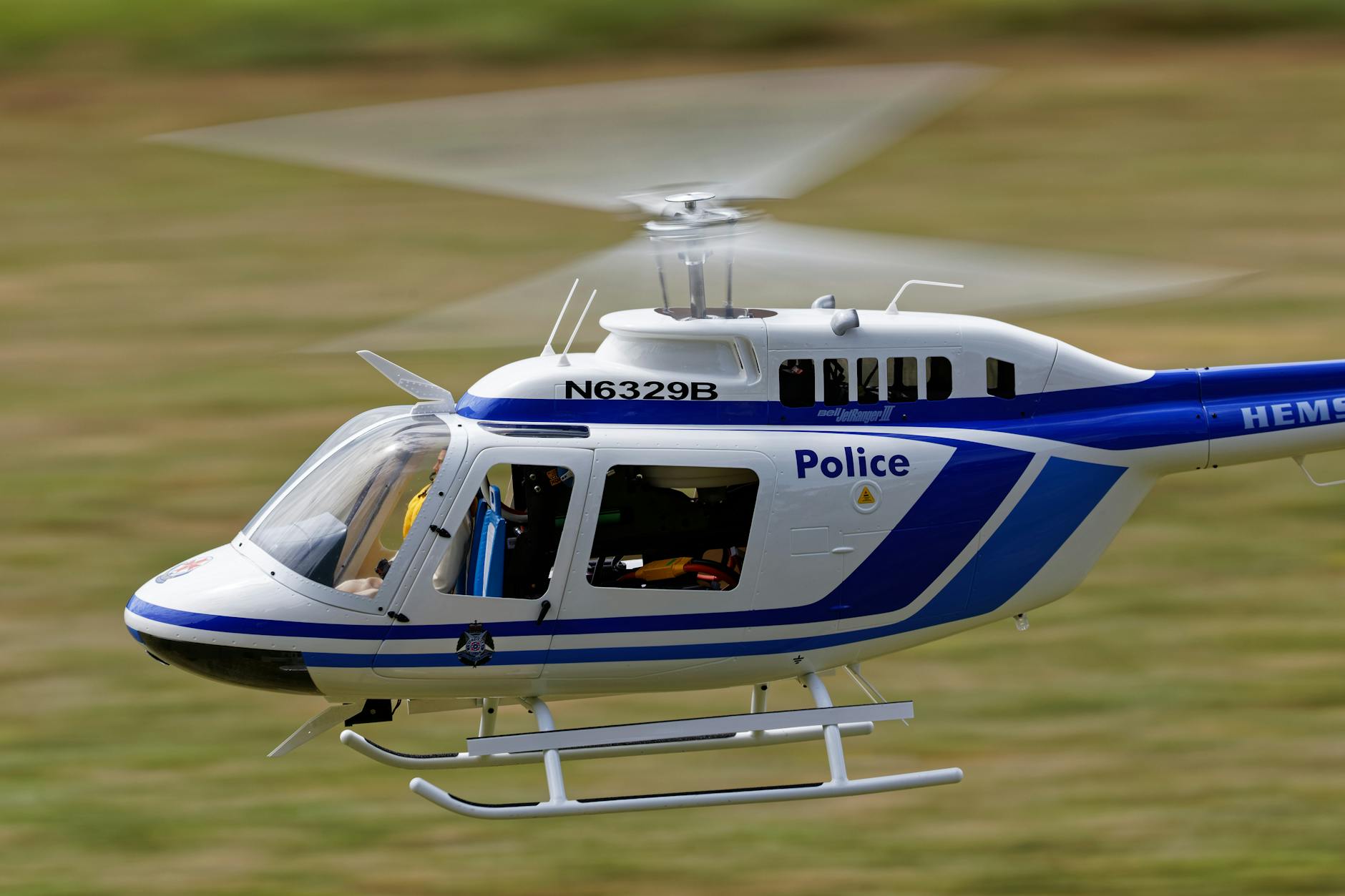
Drone surveillance law governs the use of unmanned aerial vehicles (UAVs) for monitoring and data collection. These regulations address privacy concerns, public safety, and national security. As drone technology advances, so too does the legal framework surrounding its use. Governments worldwide are grappling with balancing innovation and protection.
One emerging trend is the implementation of geofencing technology. This creates virtual boundaries to restrict drone flights near sensitive areas. According to a recent industry report, over 60% of new drones will have geofencing capabilities by 2025. This technology aims to prevent unauthorized surveillance and protect privacy.
Another significant development is the push for standardized licensing and certification. Experts argue that consistent regulations will foster trust and accountability. Many countries are now requiring drone operators to obtain permits. These permits often involve background checks and proficiency tests.
Privacy advocates are calling for stricter laws on data collection and storage. They argue that surveillance drones should not infringe on personal liberties. Some jurisdictions are exploring legislation that mandates transparency in drone operations. This includes public disclosure of surveillance activities.
Drone surveillance laws in 2024 are designed to balance public safety with technological innovation, establishing clear guidelines for both commercial and private drone use. At their core, these regulations aim to protect privacy while enabling beneficial applications like search and rescue, infrastructure inspection, and environmental monitoring. To stay compliant, drone operators should familiarize themselves with local, state, and federal laws, ensuring they understand altitude restrictions, no-fly zones, and data privacy requirements. As drone technology continues to evolve, expect these laws to adapt, with a likely emphasis on addressing emerging challenges like counter-drone measures and AI-driven surveillance capabilities.