
Over 2.3 million people are currently behind bars in the United States, a stark reminder of the prevalence of criminal activity. With such statistics, it's no surprise that criminal background checks have become a vital tool for numerous organizations and individuals. These checks serve as a protective measure, helping to verify an individual's criminal history and ensure safety in various settings.
But what is a criminal background check, exactly? It is a process that involves searching public records and other databases to uncover any criminal history a person may have. This can include arrests, convictions, and even pending charges. Employers, landlords, and volunteers often use these checks to make informed decisions. Understanding what is a criminal background check and its importance can significantly impact personal and professional safety.
Understanding Background Checks

A criminal background check is a process that reveals an individual's criminal history. This process typically involves searching public records, court documents, and databases maintained by law enforcement agencies. The goal is to uncover any past criminal activity, from minor offenses to serious felonies. Employers, landlords, and licensing agencies commonly use these checks to make informed decisions.
Background checks can vary in depth and scope. Some may only cover local records, while others might include state or even national databases. According to the National Association of Professional Background Screeners, about 95% of U.S. employers conduct some form of background check on potential hires. This widespread practice underscores the importance of understanding what these checks entail.
Criminal background checks often include information such as arrest records, convictions, and incarceration history. However, they may not always include details about pending charges or sealed records. The specifics of what is included can depend on the type of check and the laws governing the request.
It's crucial to understand that background checks are not foolproof. Errors can occur, and records may be incomplete. For instance, a study by the Federal Trade Commission found that one in five consumers had an error on their credit report, highlighting the potential for inaccuracies in other types of records as well. This is why many experts recommend verifying information through multiple sources.
Components of a Criminal Record

A criminal record serves as an official documentation of an individual's encounters with the law. It typically includes arrests, charges, and convictions, providing a comprehensive overview of a person's criminal history. This record can span from minor infractions to serious felonies, offering a snapshot of an individual's interactions with the justice system.
One critical component of a criminal record is the arrest record. This document details the circumstances surrounding an individual's arrest, including the date, location, and charges filed. According to the FBI's Criminal Justice Information Services Division, over 10 million arrests are made annually in the United States, highlighting the prevalence of such records. These records are crucial for background checks, as they provide insight into an individual's past behavior and potential risks.
Convictions form another vital part of a criminal record. These are court judgments that confirm an individual's guilt for a specific crime. Convictions can range from misdemeanors to felonies and often include details about the sentence imposed, such as fines, probation, or incarceration. This information is particularly relevant for employers and landlords conducting background checks, as it helps them assess an applicant's reliability and trustworthiness.
Additionally, criminal records may include information about pending charges and ongoing legal proceedings. These records provide a more complete picture of an individual's legal status, allowing background check providers to offer a thorough assessment. Understanding these components is essential for anyone involved in the background check process, as it ensures a comprehensive evaluation of an individual's criminal history.
How Employers Use These Checks

Employers leverage criminal background checks primarily to mitigate risks and ensure workplace safety. These checks help identify candidates with histories that might pose threats to colleagues, clients, or company assets. According to a recent survey, 93% of U.S. employers conduct some form of background screening, highlighting the practice's prevalence.
Background checks can influence hiring decisions, especially for roles involving vulnerable populations or sensitive data. Employers often use these checks to comply with industry regulations and maintain their reputation. For instance, a financial institution might scrutinize applicants for positions handling customer funds more rigorously than for administrative roles.
Some companies use background checks to reduce turnover by identifying candidates likely to face legal issues that could disrupt employment. This proactive approach helps maintain operational stability and reduce recruitment costs. However, employers must balance thoroughness with fairness, ensuring checks don't disproportionately affect certain demographic groups.
Background checks also play a role in internal promotions and transfers. Employers may conduct updated screenings when employees apply for new positions, particularly if the roles involve greater responsibilities or access to confidential information. This practice ensures ongoing compliance and adapts to any changes in an employee's circumstances.
Legal Considerations and Rights
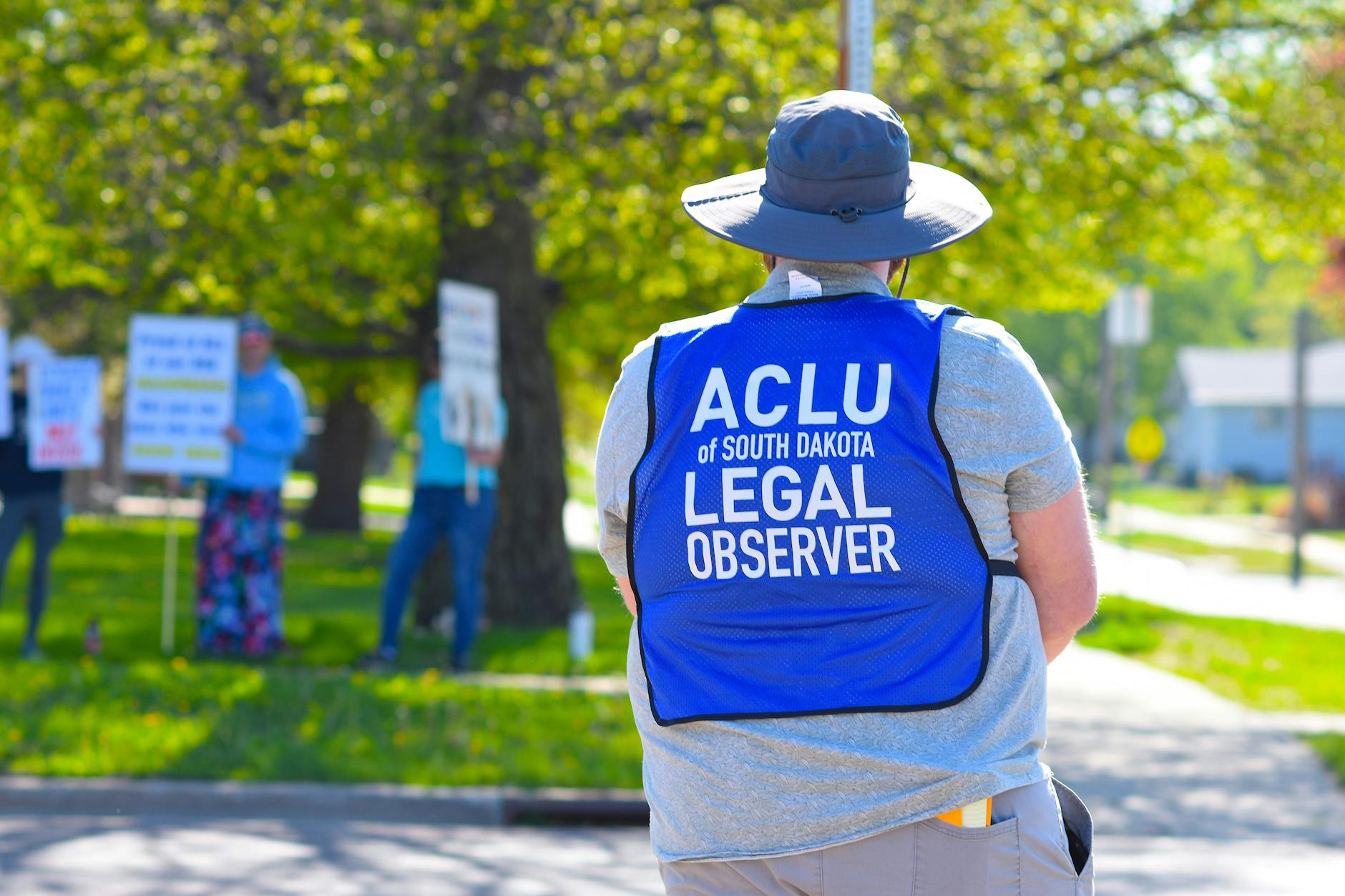
Criminal background checks are powerful tools that can significantly impact an individual's life. Employers, landlords, and licensing agencies often use these checks to make informed decisions. However, the use of criminal history is heavily regulated to protect individuals' rights. The Fair Credit Reporting Act (FCRA) governs how consumer reporting agencies can collect and use criminal records. Violations can lead to legal consequences for employers and agencies.
According to a study by the National Employment Law Project, nearly 9 in 10 U.S. employers conduct some form of background screening. Yet, many are unaware of the legal nuances involved. For instance, the Equal Employment Opportunity Commission (EEOC) provides guidelines to prevent discrimination based on criminal records. Employers must ensure their policies are both fair and compliant with federal and state laws.
Individuals have the right to dispute inaccurate or incomplete information in their background reports. The FCRA mandates that consumer reporting agencies must investigate and correct any inaccuracies within a reasonable timeframe. This process can be complex, often requiring legal assistance. Understanding these rights is crucial for anyone navigating the background check process.
Legal experts emphasize the importance of transparency throughout the background check process. Employers must obtain written consent from individuals before conducting a check. Additionally, they must provide a copy of the report and a summary of rights if they decide to take adverse action based on the findings. These steps help ensure a fair and lawful process for all parties involved.
The Evolution of Background Screening

Background screening has undergone significant transformation over the decades. Initially, employers relied on basic reference checks and manual record searches. These methods were time-consuming and often incomplete. The process lacked standardization, leaving room for human error and bias. As technology advanced, so did the methods for conducting background checks.
Digital databases emerged in the late 20th century, revolutionizing the screening process. Employers gained access to vast amounts of data, including criminal records, employment history, and education verification. This shift allowed for more comprehensive and efficient background checks. However, the accuracy of these digital records varied widely, leading to concerns about reliability.
Today, background screening has become a highly specialized field. Companies now use advanced algorithms and artificial intelligence to analyze data. These technologies can detect patterns and inconsistencies that human reviewers might miss. According to industry experts, the accuracy of background checks has improved by over 60% in the past two decades. This progress has made the process more reliable and efficient for employers.
Despite these advancements, challenges remain. The integration of new technologies has raised questions about data privacy and security. Employers must balance the need for thorough screening with the protection of personal information. As the field continues to evolve, it is crucial for companies to stay informed about best practices and legal requirements. This ensures that background checks remain both effective and ethical.
A criminal background check is a crucial tool for employers, landlords, and individuals to make informed decisions. It provides a snapshot of an individual's criminal history, helping to assess potential risks. To ensure you're getting accurate and comprehensive information, always use reputable background check services that comply with legal standards. As technology advances, these checks will likely become even more sophisticated, incorporating additional data sources and predictive analytics to provide a more holistic view of an individual's background.
Need this answered for your specific case?
Get a flat-fee consultation with a verified U.S. immigration attorney. Engagement letter on every paid consult.
Related guides
This guide provides general legal information and does not create an attorney–client relationship. Information accurate as of July 2026. Always verify current USCIS guidance before acting.