
Racial profiling remains a persistent issue, with the American Civil Liberties Union reporting thousands of complaints annually. These incidents, often subtle yet deeply damaging, can leave victims feeling powerless. However, understanding how to prove racial profiling can empower individuals to challenge these injustices and seek accountability.
Documenting racial profiling incidents is crucial for personal protection and societal change. How to prove racial profiling hinges on gathering concrete evidence and understanding legal definitions. This process not only helps individuals navigate potential legal actions but also contributes to broader efforts to combat systemic bias. By following key steps, victims can transform personal experiences into powerful tools for advocacy and reform.
Understanding Racial Profiling

Racial profiling occurs when law enforcement or other authorities target individuals based on their race, ethnicity, or national origin rather than on their behavior or specific evidence of wrongdoing. This practice is not only unethical but also illegal under various civil rights laws. Recognizing the signs of racial profiling is the first step in documenting and challenging these incidents.
According to a report by the American Civil Liberties Union, racial profiling disproportionately affects communities of color. For instance, Black drivers are 3.6 times more likely to be pulled over than white drivers, and Latinx drivers are 2.3 times more likely. These statistics underscore the systemic nature of the problem. Understanding these patterns helps individuals identify when they are being targeted unfairly.
Experts emphasize that racial profiling often manifests in subtle ways. It might involve being followed in stores, receiving excessive scrutiny during traffic stops, or facing unwarranted suspicion in public spaces. Documenting these incidents requires a keen awareness of these behaviors and a commitment to recording details accurately.
Education plays a crucial role in combating racial profiling. By learning about the historical and contemporary contexts of racial bias, individuals can better recognize and respond to discriminatory practices. This knowledge empowers communities to advocate for their rights and seek justice when necessary.
Recognizing the Signs

Identifying racial profiling requires vigilance and awareness. Individuals often experience subtle or overt indicators that suggest they are being targeted based on their race or ethnicity. These signs may include disproportionate scrutiny, unwarranted questions, or excessive force. For instance, a person might notice that they are consistently stopped and searched while others in similar situations are not. Recognizing these patterns is the first step in documenting incidents effectively.
According to a study by the American Civil Liberties Union, Black drivers are 3.6 times more likely to be searched during a traffic stop than white drivers. This stark disparity highlights the importance of documenting every interaction that feels unjust or discriminatory. Pay attention to the context, the officers involved, and any witnesses present. These details can provide crucial evidence when building a case.
Documenting racial profiling also involves understanding the legal framework. Law enforcement officers are bound by specific guidelines and policies. Any deviation from these standards can be a red flag. For example, if an officer lacks reasonable suspicion or probable cause, their actions may constitute profiling. Being aware of these legal boundaries empowers individuals to recognize and challenge unjust practices.
Community support plays a vital role in identifying and addressing racial profiling. Organizations and advocacy groups often collect data and share experiences. By joining these efforts, individuals can contribute to a broader understanding of the issue. Collective action not only raises awareness but also strengthens the case against discriminatory practices.
Gathering Evidence Effectively
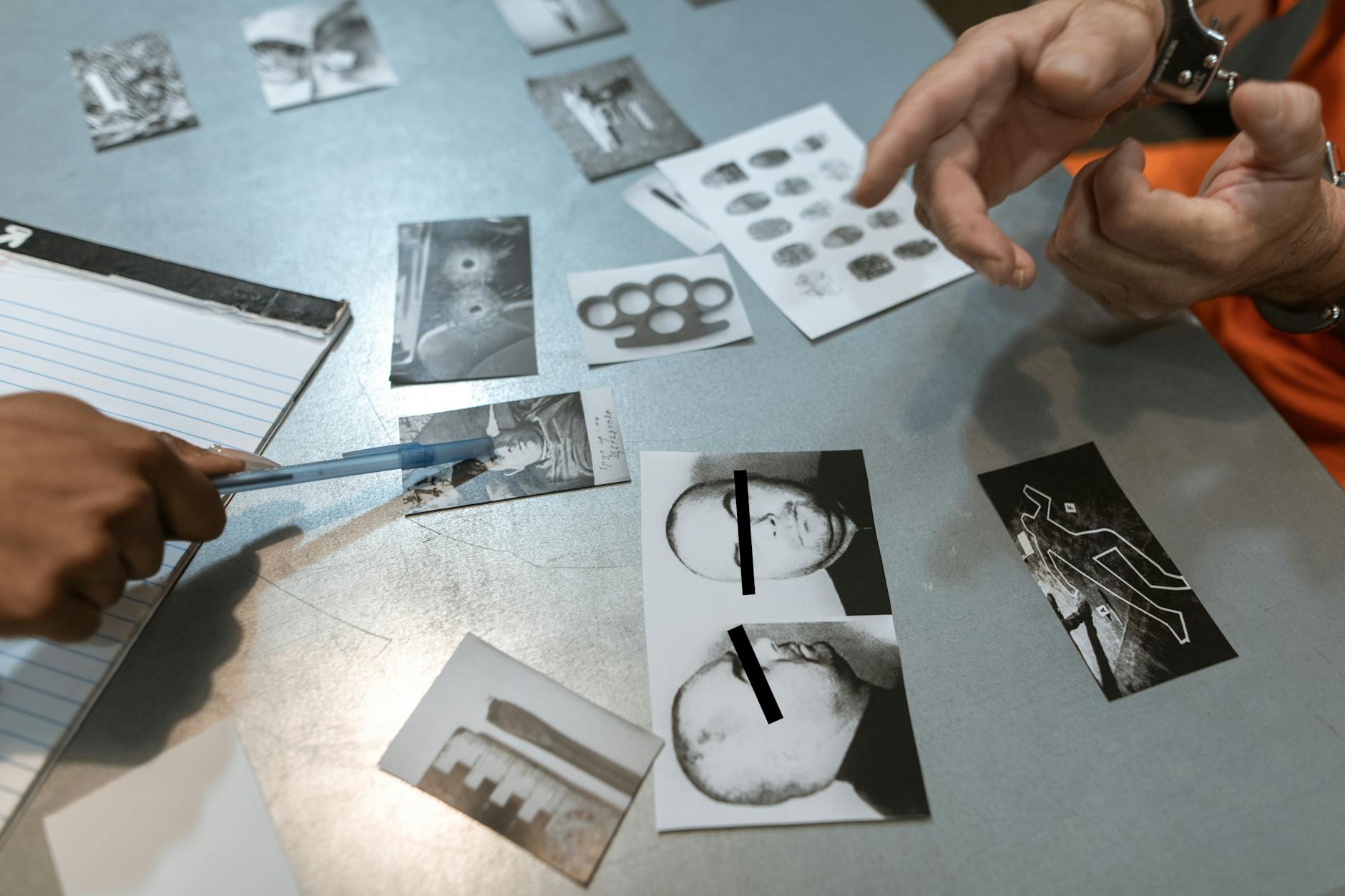
Gathering evidence effectively is the cornerstone of documenting racial profiling incidents. Every detail matters, from the time and location to the exact words exchanged. Law enforcement experts emphasize that consistency in reporting is crucial. A study by the American Civil Liberties Union found that 45% of racial profiling cases lack sufficient evidence due to incomplete documentation. Therefore, individuals should record as much information as possible immediately after the incident.
Witness statements can significantly strengthen a case. Collect names and contact information from anyone who witnessed the incident. Their accounts can provide valuable perspectives and corroborate the victim's experience. However, it's essential to approach witnesses respectfully and explain the purpose of gathering their statements.
Photographic and video evidence can be compelling. Capture images of any visible injuries, the location, and relevant surroundings. Video footage from personal devices or nearby security cameras may also be useful. Ensure that any visual evidence is clear and timestamped. This can help establish the sequence of events and provide undeniable proof of the incident.
Documenting interactions with law enforcement is critical. Write down the badge numbers, patrol car numbers, and any other identifying information of the officers involved. Note the time, date, and specific actions taken by the officers. This information can be vital for filing complaints or pursuing legal action. Always prioritize safety and avoid escalating the situation.
Reporting Incidents Properly

When documenting racial profiling incidents, proper reporting is crucial. Immediate action helps preserve evidence and strengthens the case. Victims should record details while memories remain fresh. This includes the date, time, location, and a description of the incident. Names and contact information of witnesses can also prove invaluable.
According to the American Civil Liberties Union, victims should also document any physical evidence. This might include photographs of injuries or property damage. Additionally, saving any relevant correspondence, such as emails or text messages, can support claims. Every piece of evidence contributes to building a comprehensive record.
Victims should report the incident to relevant authorities promptly. This could involve filing a police report or contacting a local civil rights organization. Detailed accounts provided to these entities create an official record. This documentation can be vital for legal proceedings or advocacy efforts.
Finally, victims should seek support from community organizations or legal professionals. These resources can offer guidance on navigating the reporting process. They can also provide emotional support during what can be a challenging time. Proper reporting not only helps individual cases but also contributes to broader efforts against racial profiling.
Promoting Systemic Change

Promoting systemic change requires more than individual documentation. Communities must organize to address patterns of racial profiling collectively. Grassroots organizations often lead these efforts, building databases of incidents to present compelling evidence to policymakers. Their work highlights systemic issues that individual reports might obscure.
Research shows that systemic approaches significantly increase the likelihood of policy changes. A study by the Center for Policing Equity found that jurisdictions implementing community-driven data collection saw a 30% reduction in discriminatory policing practices within five years. This demonstrates the power of collective action in driving institutional reform.
Legal advocacy groups play a crucial role in this process. They analyze documented incidents to identify patterns and build cases for litigation or legislative action. Their expertise transforms raw data into powerful tools for change. By working with affected communities, these organizations ensure that the voices of those most impacted guide the reform efforts.
Education and awareness campaigns complement these efforts. They inform the public about racial profiling and the importance of documentation. Workshops and training sessions empower individuals to recognize and record incidents effectively. This grassroots education fosters a culture of accountability and collective action.
Documenting racial profiling incidents requires diligence, evidence, and timely action. By gathering witness statements, preserving physical evidence, and reporting incidents promptly, individuals can strengthen their cases and contribute to broader efforts against discrimination. To ensure preparedness, consider keeping a record-keeping app or journal specifically for such incidents, and familiarize yourself with local laws and reporting procedures. As awareness grows and technology advances, future tools may make this process even more streamlined and effective, empowering communities to combat racial profiling more effectively.
Need this answered for your specific case?
Get a flat-fee consultation with a verified U.S. immigration attorney. Engagement letter on every paid consult.
Related guides
This guide provides general legal information and does not create an attorney–client relationship. Information accurate as of July 2026. Always verify current USCIS guidance before acting.