More than 4.5 million individuals in the United States are currently on probation, a period of supervision ordered by the court as an alternative to incarceration. However, violating the terms of probation can lead to severe consequences, disrupting lives and potentially sending individuals back to jail. Understanding what happens after a probation violation is crucial for those navigating the criminal justice system and their loved ones.
Probation violations occur when an individual fails to meet the conditions set by the court, such as missing appointments with a probation officer, failing drug tests, or committing new crimes. What happens after a probation violation depends on the nature of the violation and the discretion of the judge. The process, known as a probation revocation hearing, determines whether the individual will face additional penalties or return to jail. For those on probation and their families, knowing the potential outcomes can help prepare for the challenges ahead and make informed decisions about their future.
Understanding Probation Violation Basics

Probation serves as an alternative to incarceration, allowing individuals to remain in the community under specific conditions. When those conditions are violated, the consequences can be severe. A probation violation occurs when a person on probation fails to comply with any of the court-ordered terms, such as missing appointments with a probation officer, failing drug tests, or committing new crimes.
According to the National Institute of Justice, approximately 35% of individuals on probation will violate their terms at some point. Violations can be technical, meaning the individual failed to meet non-criminal conditions, or substantive, involving the commission of a new crime. The response to a violation depends on the nature of the infraction and the discretion of the probation officer or court.
Upon a violation, the probation officer typically files a report with the court. The court then reviews the case and may issue a warrant for the individual's arrest. The probationer has the right to a hearing, where evidence is presented, and both sides can argue their case. The outcome hinges on the judge's assessment of the violation's severity and the individual's overall compliance history.
Understanding the basics of probation violations is crucial for anyone navigating the criminal justice system. Violations can lead to a range of consequences, from extended probation terms to revocation and incarceration. Seeking legal counsel early in the process can significantly impact the final outcome.
Immediate Actions Taken by Authorities
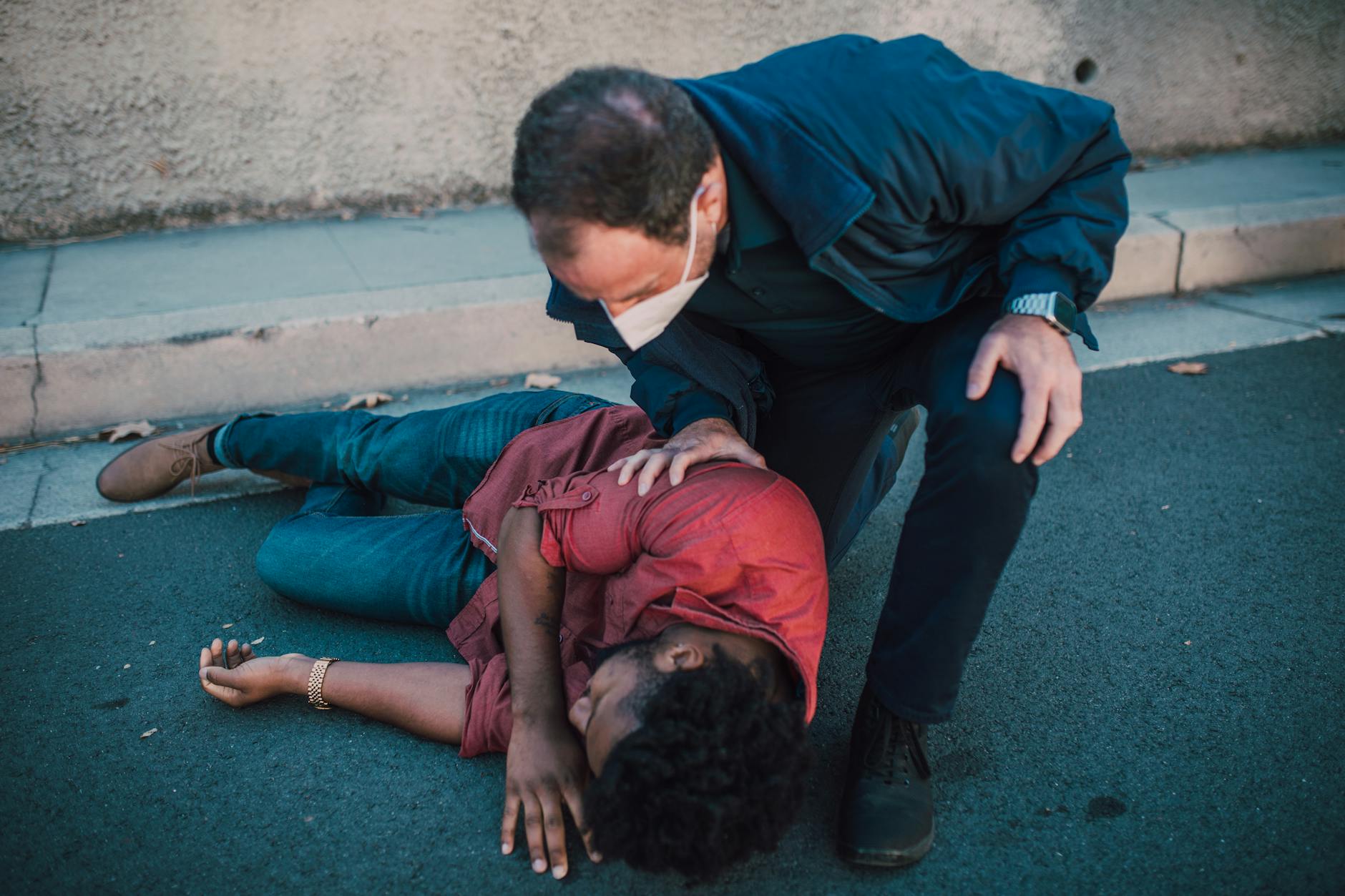
Upon a probation violation, authorities typically respond swiftly to assess the situation and determine appropriate measures. Probation officers first conduct a preliminary investigation, gathering evidence and interviewing relevant parties. This initial step helps establish whether a violation occurred and its severity. According to the American Probation and Parole Association, over 65,000 individuals violate probation annually, necessitating a structured response from authorities.
If the violation is substantiated, probation officers may issue a warning or require the individual to attend counseling or treatment programs. These actions aim to address the underlying issues contributing to the violation. Authorities also monitor the individual more closely, often through increased reporting requirements or electronic monitoring.
In more serious cases, a violation can lead to a revocation hearing. During this process, a judge reviews the evidence and decides whether to modify, reinstate, or revoke the probation. The judge may also impose additional penalties, such as fines or extended probation periods. This legal proceeding ensures that the individual's rights are protected while holding them accountable for their actions.
Courtroom Consequences and Penalties
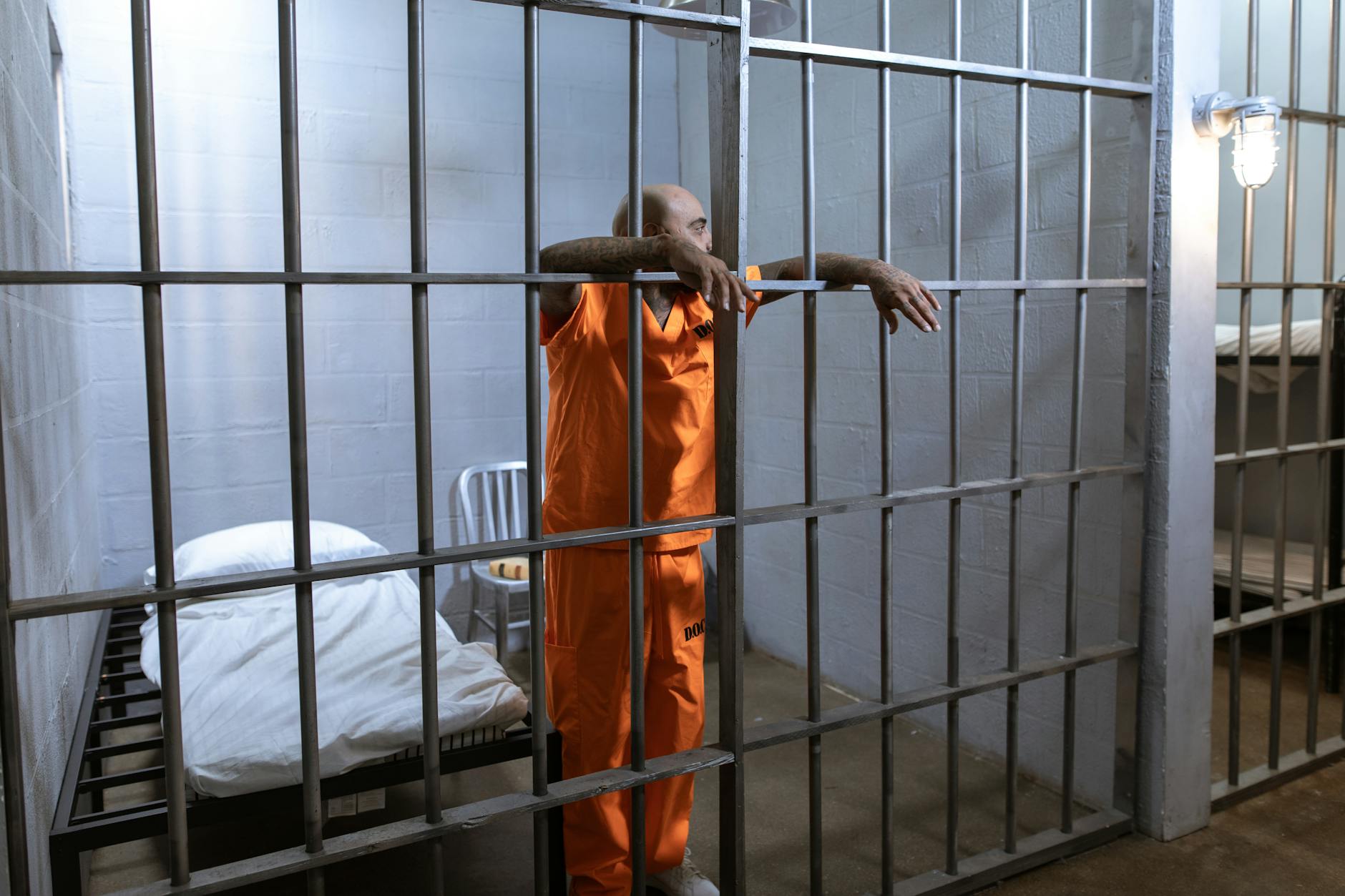
When probation is violated, the courtroom becomes the stage for determining consequences. Judges have broad discretion in handling these cases, with penalties ranging from warnings to revocation of probation. The severity depends on the nature of the violation and the individual's prior record. According to a study by the National Association of Criminal Defense Lawyers, nearly 40% of probation violations result in some form of incarceration.
One possible outcome is an extension of probation. This gives the individual another chance to comply with the original terms. The court may also impose additional conditions, such as mandatory counseling or community service. These adjustments aim to address the root causes of the violation while keeping the individual under supervision.
In more serious cases, the court may revoke probation entirely. This leads to the individual serving the original jail or prison sentence. The decision hinges on factors like the severity of the violation and the individual's overall behavior. Judges often consider recommendations from probation officers and victim impact statements.
Probation violations can also lead to fines or restitution. These financial penalties compensate victims or fund rehabilitation programs. The court may order payment plans to make the obligations manageable. Failure to comply with these terms can result in further legal consequences.
Impact on Future Legal Opportunities
A probation violation can cast a long shadow over one's future legal opportunities. The immediate consequences often overshadow the long-term implications, but the ripple effects can be significant. A violation can make it more challenging to secure favorable outcomes in future legal matters, as it may be viewed as a pattern of noncompliance.
According to a study by the National Association of Criminal Defense Lawyers, individuals with probation violations are 40% more likely to face harsher sentences in subsequent legal proceedings. This statistic underscores the importance of adhering to probation terms. The stigma of a violation can also influence how judges, juries, and even potential employers perceive an individual.
Future legal opportunities may also be limited. For instance, certain professional licenses or certifications may become out of reach. Background checks for jobs, housing, or educational opportunities can reveal probation violations, potentially closing doors. The legal system often views probation violations as a sign of unreliability, which can be a significant hurdle to overcome.
Moreover, the legal landscape is evolving. Courts are increasingly considering an individual's history of probation compliance when making decisions. This trend highlights the importance of adhering to probation terms. A violation can make it more difficult to argue for leniency in future legal matters. The impact on future legal opportunities is a critical factor to consider when navigating probation.
Long-Term Personal and Professional Effects
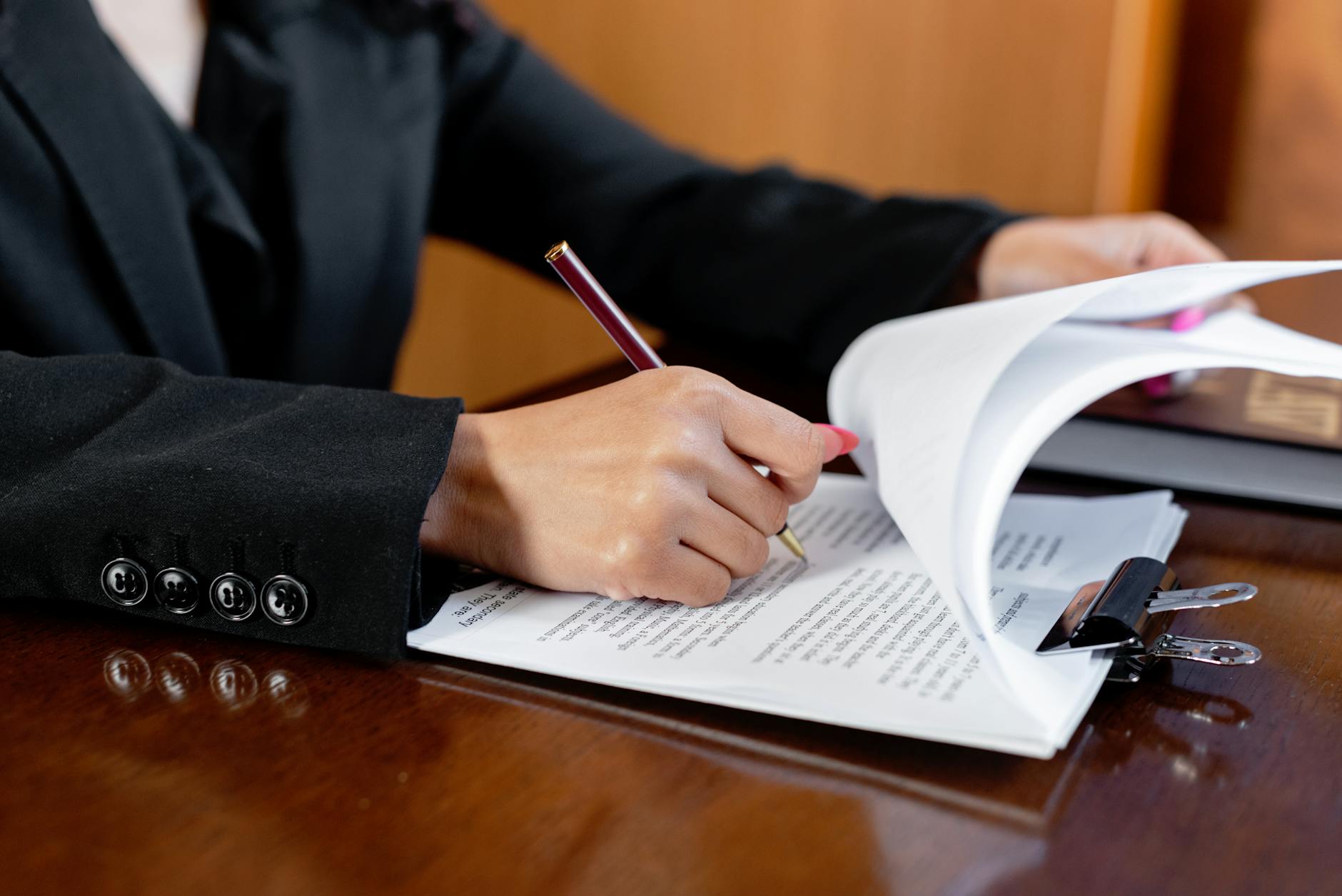
A probation violation can cast a long shadow over both personal and professional lives. The immediate consequences often pale in comparison to the lasting effects that can reshape a person's future. A criminal record, even for a probation violation, can make securing employment more challenging. Many employers conduct background checks, and a blemish on one's record can lead to missed opportunities. According to a study by the Society for Human Resource Management, 92% of employers use background checks to screen candidates.
Personally, the stigma of a probation violation can strain relationships and damage reputations. Friends, family, and community members may view the individual differently, leading to social isolation. The emotional toll can be significant, contributing to stress, anxiety, and even depression. Professional counselors often emphasize the importance of support systems during these trying times.
Professionally, the impact can be far-reaching. Certain licenses and certifications may become unattainable, limiting career advancement. For instance, those in healthcare, education, or finance may find their prospects dimmed. The ripple effects can extend to future legal troubles, as a history of non-compliance can influence judicial decisions in subsequent cases. Navigating these challenges requires resilience and often, professional guidance.
Long-term, the consequences of violating probation can be profound. The journey to rebuild one's life and career demands patience, perseverance, and a strategic approach. Seeking legal counsel and support services can mitigate some of the damage, but the path to recovery is rarely straightforward. Each step forward requires careful consideration and a commitment to positive change.
Violating probation can have serious repercussions, potentially leading to revocation, extended supervision, or even incarceration. Understanding these consequences is crucial for anyone navigating the probation process. To avoid these outcomes, individuals should actively engage with their probation officers, adhere to all conditions, and seek help when facing challenges. As the legal landscape continues to evolve, staying informed and proactive remains the best strategy for maintaining freedom and demonstrating commitment to rehabilitation.
Need this answered for your specific case?
Get a flat-fee consultation with a verified U.S. immigration attorney. Engagement letter on every paid consult.
Related guides
This guide provides general legal information and does not create an attorney–client relationship. Information accurate as of July 2026. Always verify current USCIS guidance before acting.