
The United States has one of the highest incarceration rates in the world, with over 2.3 million people currently behind bars. A significant portion of these individuals are serving time for federal crimes, with the average sentence length increasing steadily over the past few decades. One crucial aspect of federal sentencing guidelines is the concept of time served, which can significantly impact an individual's overall sentence length.
For those unfamiliar with the federal justice system, understanding the concept of time served in sentencing can be daunting. Time served in sentencing refers to the portion of a sentence that an individual actually spends in prison, as opposed to being on probation or parole. In the context of federal sentencing guidelines, accurately calculating time served is critical in determining an individual's eligibility for early release, parole, or other forms of rehabilitation. The complexities surrounding time served in sentencing make it essential for judges, prosecutors, and defense attorneys to have a thorough understanding of this critical aspect of federal sentencing guidelines.
Understanding the Concept of Time Served in Sentencing

Time served is a fundamental concept in federal sentencing guidelines, determining the length of an individual's incarceration period. This calculation is based on the number of days served, minus any time credits earned through good behavior or participation in rehabilitation programs.
The Sentencing Reform Act of 1984 mandated that federal judges consider the amount of time an offender has spent in custody before imposing a sentence. According to the Federal Bureau of Prisons, over 95% of federal inmates serve less than 10 years, with an average sentence length of 37 months. This emphasis on time served reflects a shift towards restorative justice, prioritizing rehabilitation and reintegration into society.
Time served can be influenced by various factors, including the severity of the crime, an offender's prior record, and their level of cooperation with authorities. Judges may also consider mitigating circumstances, such as mental health issues or family obligations. By taking these factors into account, judges can craft a sentence that balances punishment with the need for rehabilitation and community safety.
Breaking Down Federal Sentencing Guidelines for Time Served
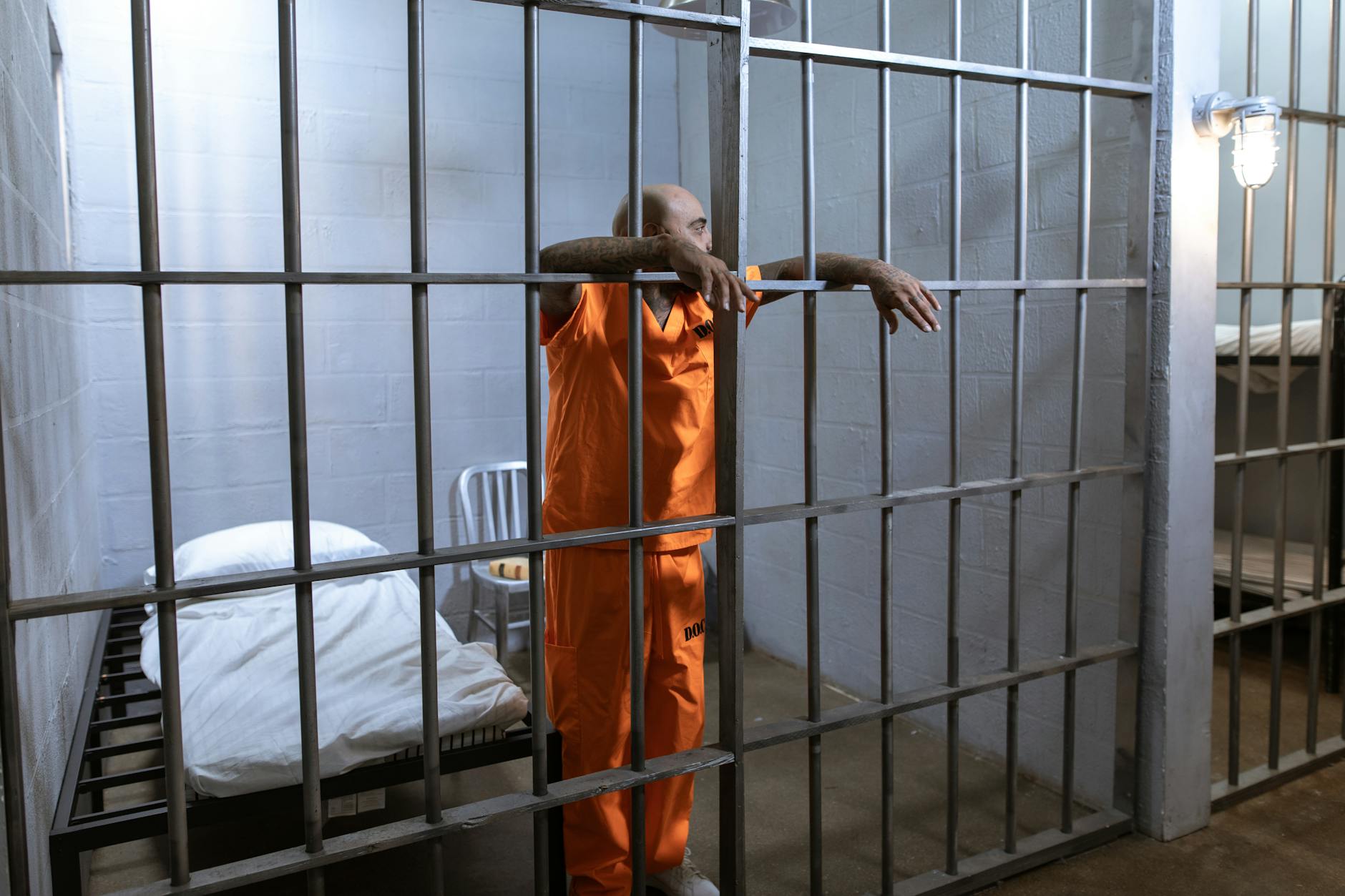
Time served refers to the amount of time a person spends in prison before being released, following the completion of their sentence. According to the Bureau of Justice Statistics, over 1.5 million inmates are currently incarcerated in the United States, with a significant portion serving time for federal offenses.
The concept of time served is often misunderstood, with many assuming it's a straightforward calculation. However, federal sentencing guidelines introduce complexities that can lead to confusion. For instance, the USSC's guidelines provide a framework for determining sentences, but the application of these guidelines can vary significantly from one case to another.
Time served can be influenced by various factors, including the type of offense, the defendant's prior record, and the specific sentencing guidelines applicable to the case. For example, a defendant convicted of a non-violent offense may be eligible for early release, while a defendant convicted of a violent offense may face longer periods of incarceration. Ultimately, the calculation of time served requires a nuanced understanding of federal sentencing guidelines and the specific circumstances of the case.
Eligibility Criteria for Time Served Reduction in Federal Prison

Time served is a critical component of federal sentencing guidelines, allowing eligible inmates to reduce their prison time for good behavior. The Federal Bureau of Prisons (BOP) governs time served reductions, which can significantly impact an inmate's overall sentence length. Typically, inmates are awarded a reduction in prison time after serving a portion of their sentence.
Eligibility criteria for time served reductions are established by the Sentencing Reform Act of 1984. To be eligible, an inmate must demonstrate exemplary behavior during their incarceration, such as participating in rehabilitation programs or maintaining a good disciplinary record. According to the BOP, inmates who successfully complete a residential substance abuse treatment program may be eligible for a reduced sentence.
Research estimates that inmates who participate in such programs have a 50% lower recidivism rate. This statistic underscores the importance of providing rehabilitative opportunities within the federal prison system. Inmates who meet the eligibility criteria may be awarded a reduction in their sentence, typically ranging from 20% to 50% of their original sentence length.
Practical Applications of Time Served in Federal Sentencing Decisions

Time served in federal sentencing decisions is a critical factor in determining the length of an individual's incarceration. This period, calculated from the date of conviction to the date of release, is a key component of federal sentencing guidelines. Under these guidelines, the time served is used to determine the length of imprisonment, as well as the conditions of release.
A study by the United States Sentencing Commission found that in 2020, the average time served in federal prison was 46 months. This statistic highlights the significance of time served in federal sentencing decisions. Judges consider various factors, including the severity of the offense, the defendant's prior record, and the time served, to determine the appropriate sentence.
When calculating time served, courts typically include the period spent in pretrial detention, as well as the time served in prison. This calculation can be complex, involving various legal and procedural considerations. For instance, time spent in pretrial detention may be credited towards the sentence, reducing the overall length of incarceration.
The impact of time served on federal sentencing decisions cannot be overstated. As courts strive to balance punishment with rehabilitation, the time served plays a crucial role in shaping the outcome of a case. By examining the practical applications of time served, judges can ensure that sentences are fair, proportionate, and aligned with the principles of justice.
Reforming Time Served Policies to Promote Rehabilitation and Reentry

Time Served is a critical component of federal sentencing guidelines, reflecting the period an individual spends under the supervision of the Bureau of Prisons (BOP) or in a correctional facility. This duration accounts for both the actual time served and any time waived or deducted by the court.
Research suggests that approximately 70% of federal prisoners are released from custody within five years of their initial sentencing date. This statistic highlights the need for effective rehabilitation and reentry programs to support individuals upon release.
Under federal guidelines, Time Served is calculated based on the offense level, prior convictions, and any enhancements or adjustments applied by the court. The resulting sentence can range from a fraction of the prescribed term to the full sentence.
Thirty years of federal sentencing guidelines have provided a framework for understanding time served in the US justice system. At the core, time served is a critical component of a defendant's sentence, reflecting the actual duration of their incarceration, whether it's concurrent or consecutive to other sentences. With this framework in place, federal sentencing guidelines have provided a clearer understanding of how time served is calculated, giving judges and defendants alike a more precise understanding of the consequences of a conviction. As the justice system continues to evolve, it is essential that these guidelines remain flexible and responsive to the complexities of each case, ensuring that time served accurately reflects the severity of the offense and the individual circumstances of each defendant.
Need this answered for your specific case?
Get a flat-fee consultation with a verified U.S. immigration attorney. Engagement letter on every paid consult.
Related guides
-
Sanctions on Juvenile Offenders Cut Recidivism Rate by 27% in First Year
7 min read · May 13, 2026
-
Federal Court Rules Graduated Sanctions Can Reduce Recidivism by 30% in Prisons
6 min read · May 13, 2026
-
Four-Year Prison Sentence for Man Convicted of 12 Technical Violations of Probation
6 min read · May 11, 2026
This guide provides general legal information and does not create an attorney–client relationship. Information accurate as of July 2026. Always verify current USCIS guidance before acting.