
Vandalism costs the United States over $15 billion annually, a staggering figure that underscores the prevalence and impact of these destructive acts. From graffiti to arson, vandalism encompasses a wide range of behaviors that damage or deface property, often leaving communities to bear the financial and emotional burden.
Understanding what is considered vandalism is crucial for both property owners and the public. What is considered vandalism can vary by jurisdiction, but certain acts consistently fall under this category. Recognizing these common acts helps individuals avoid unintentional offenses and promotes a collective effort to preserve public and private spaces.
Understanding vandalism's legal scope

Vandalism encompasses a broad range of destructive behaviors, all sharing a common thread of intentional damage to property. Legal definitions vary by jurisdiction, but generally, any act that defaces, damages, or destroys property without permission falls under this category. This includes graffiti, breaking windows, slashing tires, and even digital vandalism like hacking websites. The key element is the intent to harm or deface, regardless of the value of the property.
According to the FBI's Uniform Crime Reporting Program, vandalism accounts for a significant portion of property crimes annually. In 2022, law enforcement agencies reported over 6.5 million property crime offenses, with vandalism making up a substantial portion. The financial impact is staggering, with costs often running into billions when considering repairs, replacements, and lost productivity.
Legal experts emphasize that vandalism isn't just about the act itself but also the intent behind it. For instance, a teenager spray-painting a wall might face different charges than someone who smashes a storefront window during a riot. Courts consider factors like prior offenses, the extent of damage, and whether the act was part of a larger criminal enterprise. Understanding these nuances is crucial for both victims seeking justice and defendants navigating the legal system.
Penalties for vandalism can range from minor fines to felony charges, depending on the severity of the damage and local laws. In some cases, restitution may be ordered, requiring the offender to compensate the victim for repairs. Repeat offenders often face harsher penalties, reflecting the legal system's stance on repeat destructive behavior. This tiered approach aims to deter future incidents while providing proportional justice for victims.
Graffiti and its legal consequences

Graffiti, often seen as an art form by some, crosses into vandalism when it involves unauthorized markings on public or private property. This act of defacement can lead to significant legal consequences, including fines and even jail time, depending on the jurisdiction and extent of the damage. Property owners frequently incur substantial costs for cleanup and restoration, which can be legally pursued from the perpetrators.
According to a report by the National Association of REALTORS®, graffiti can decrease property values by up to 10% in affected areas. This statistic underscores the broader economic impact of what might seem like a minor act of rebellion or expression. Communities often suffer from a decline in tourism and business activity, further exacerbating the problem.
Legal experts emphasize that the intent behind the graffiti does not mitigate the consequences. Whether it's a tag, mural, or slogan, the unauthorized alteration of property is generally considered vandalism. Penalties can be severe, especially if the act is deemed malicious or if it involves hate speech or gang-related symbols. Repeat offenders may face enhanced sentencing, reflecting the seriousness with which courts view such behavior.
Public property destruction penalties
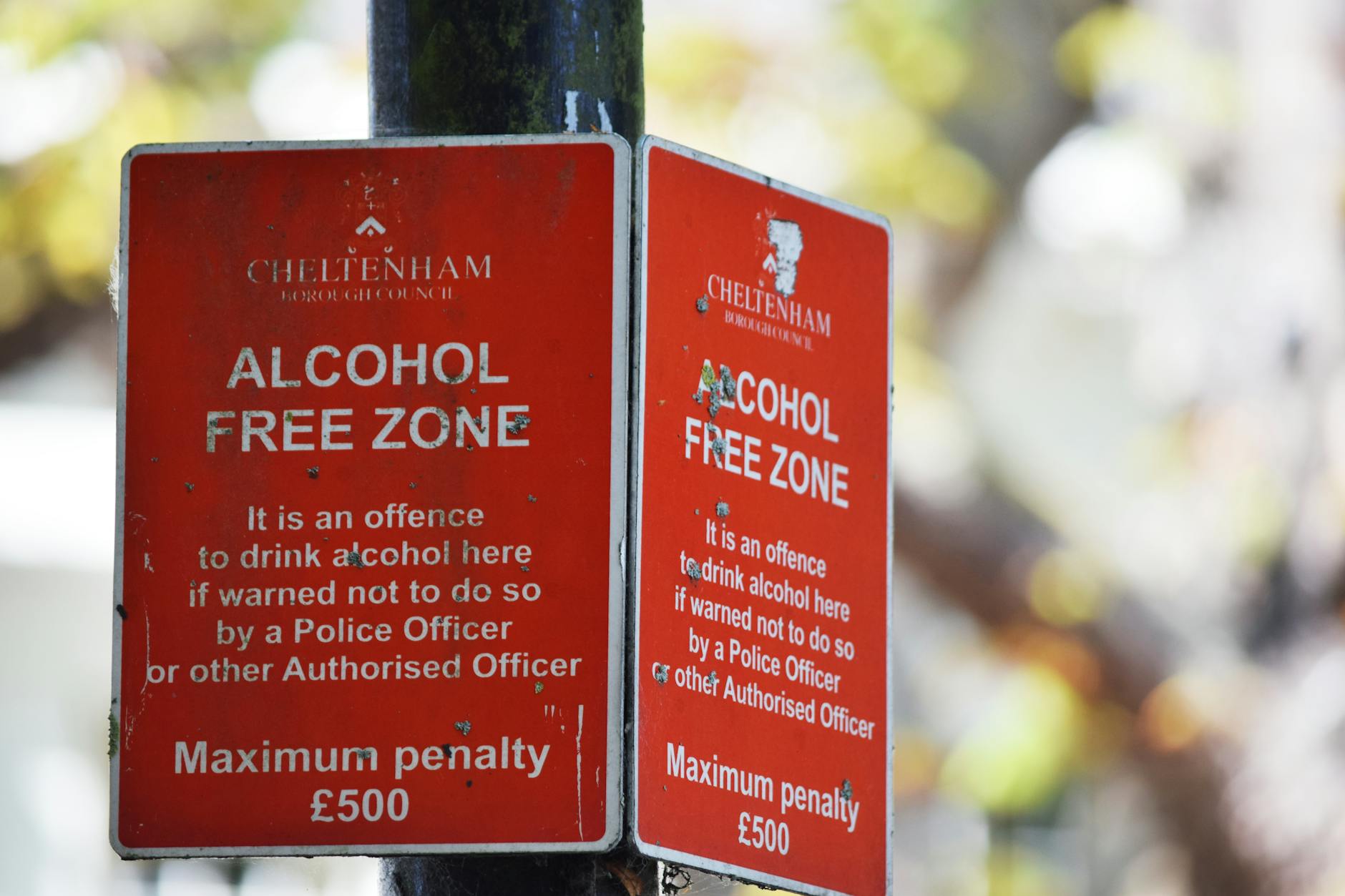
Damaging public property stands as one of the most severe forms of vandalism, with penalties reflecting its impact on community resources. Acts such as defacing government buildings, public transportation, or infrastructure can result in hefty fines and even jail time. According to the U.S. Department of Justice, vandalism costs taxpayers billions annually, underscoring the seriousness with which authorities treat these offenses.
Penalties vary by jurisdiction but often include restitution, requiring offenders to pay for repairs. In some cases, community service becomes part of the sentence, forcing vandals to directly address the harm they've caused. A legal expert notes that repeat offenders frequently face escalating consequences, including longer prison terms.
Beyond financial repercussions, those convicted of public property destruction may encounter lasting impacts on their personal and professional lives. Background checks for employment or housing can reveal such convictions, potentially limiting future opportunities. Understanding these severe consequences serves as a strong deterrent against engaging in such destructive behavior.
Local laws often classify public property vandalism as a felony when damage exceeds a certain monetary threshold. This elevation in charge reflects the broader societal impact of such acts. Authorities emphasize prevention through education and community engagement to reduce incidents of this damaging behavior.
Digital vandalism: A growing concern

Digital vandalism has emerged as a significant concern in recent years, with cybercriminals targeting websites, social media platforms, and digital infrastructure. This form of vandalism involves defacing websites, spreading malicious software, or disrupting online services. According to a report by a leading cybersecurity firm, digital vandalism incidents have increased by 40% annually, highlighting the growing threat.
One common act of digital vandalism is website defacement. Hackers infiltrate a website and alter its content, often replacing it with offensive or politically motivated messages. This not only damages the reputation of the targeted organization but also erodes user trust. For instance, a prominent news outlet once had its homepage replaced with a hacker's manifesto, causing widespread outrage and temporary loss of credibility.
Another alarming trend is the use of bots to spread misinformation or spam. These automated programs can flood social media platforms with false information, disrupting public discourse. Experts warn that such activities can have serious consequences, including inciting violence or undermining democratic processes. The rapid spread of fake news during recent elections underscores the potential impact of digital vandalism.
Preventing digital vandalism requires a multi-faceted approach. Organizations must invest in robust cybersecurity measures, such as firewalls and encryption, to protect their digital assets. Additionally, raising awareness among users about the risks and signs of digital vandalism can help mitigate its effects. Collaboration between tech companies, governments, and law enforcement agencies is also crucial in combating this growing threat.
Preventing vandalism in communities

Vandalism strikes at the heart of community cohesion, leaving behind not just physical damage but also a sense of violation and insecurity. To combat this, communities must adopt proactive strategies. Regular maintenance and upkeep of public spaces send a clear message that the area is cared for and watched over. Neighborhood watch programs, where residents actively monitor and report suspicious activities, have proven effective in deterring vandalism. Installing adequate lighting in public areas also reduces opportunities for vandalism, as well-lit spaces are less attractive to those seeking to cause damage under the cover of darkness.
A study by the National Institute of Justice found that communities with strong social ties and active civic engagement experience significantly lower rates of vandalism. This underscores the importance of fostering a sense of belonging and collective responsibility among residents. Organizing community events and encouraging participation in local decision-making processes can strengthen these bonds. Additionally, providing positive alternatives for youth, such as after-school programs and recreational facilities, can redirect their energy away from destructive behaviors.
Education plays a crucial role in preventing vandalism. Schools and community centers can organize workshops and awareness campaigns to highlight the consequences of vandalism, both legal and social. By involving local law enforcement in these initiatives, communities can build trust and collaboration. Clear communication about the penalties for vandalism, including fines and community service, can serve as a deterrent. Ultimately, a multi-faceted approach that combines vigilance, community engagement, and education offers the best chance of reducing vandalism and preserving the integrity of public spaces.
Vandalism encompasses a range of destructive acts that harm property, disrupt public spaces, and undermine community well-being. Recognizing common behaviors like graffiti, defacing monuments, and damaging public utilities helps individuals understand the breadth of this issue. To contribute to a safer environment, communities should report vandalism promptly and support preventive measures, such as improved lighting and youth engagement programs. Moving forward, increased awareness and collective action will be key to mitigating the impact of vandalism on public and private spaces.
Need this answered for your specific case?
Get a flat-fee consultation with a verified U.S. immigration attorney. Engagement letter on every paid consult.
Related guides
This guide provides general legal information and does not create an attorney–client relationship. Information accurate as of July 2026. Always verify current USCIS guidance before acting.