Every year, millions of Americans find themselves in situations requiring police intervention, and not all of these encounters end smoothly. According to the Bureau of Justice Statistics, there were approximately 10.5 million arrests in the United States in 2019 alone. Knowing what mistakes to avoid with police can mean the difference between a minor inconvenience and a life-altering event.
Understanding what mistakes to avoid with police is not about evading accountability or encouraging disrespect for law enforcement. It's about empowering individuals to navigate these high-stakes interactions with confidence and composure. Whether it's a routine traffic stop or a more serious incident, being aware of common pitfalls can help protect rights and ensure safety. From speaking too much to resisting arrest, certain behaviors can escalate situations unnecessarily. Recognizing and avoiding these mistakes can lead to better outcomes for everyone involved.
Understanding Your Rights
Knowing your rights during a police encounter can significantly impact the outcome. The Fourth Amendment protects individuals from unreasonable searches and seizures, while the Fifth Amendment safeguards against self-incrimination. Understanding these rights empowers citizens to navigate interactions with law enforcement confidently. According to the American Civil Liberties Union, many people unknowingly waive their rights due to a lack of awareness.
One critical right is the ability to remain silent. Exercise this right by clearly stating, "I wish to remain silent." This simple statement can prevent self-incrimination and provide legal protection. Remember, anything said can be used against you in court. Silence, however, cannot.
Another essential right is the freedom from unreasonable searches. Police generally need a warrant to search your home or personal belongings. If an officer asks to search your property, politely decline unless they present a valid warrant. This firm but respectful approach helps maintain your rights while cooperating with law enforcement.
Documenting encounters can also be beneficial. Use your phone to record interactions, as long as you are in a public place where there is no reasonable expectation of privacy. The Supreme Court has ruled that individuals have the right to record police activity in public. This practice provides evidence and accountability for both parties involved.
Lastly, always remain calm and polite during encounters. Aggressive behavior can escalate situations and lead to unnecessary confrontations. Maintaining composure demonstrates respect for the process and can help de-escalate tense situations. By understanding and asserting your rights, you protect yourself and contribute to a fair and just legal system.
Remaining Calm and Respectful

During police encounters, maintaining composure can significantly influence the outcome. Studies show that individuals who remain calm and respectful are less likely to face escalation or unnecessary force. Police officers, like anyone else, respond better to cooperation rather than hostility. Keeping hands visible and speaking clearly demonstrates transparency and reduces tension.
Respect doesn't mean surrendering rights. It's possible to be polite while firmly stating, "I do not consent to searches" or "I wish to remain silent." According to legal experts, this approach often leads to more favorable interactions. Officers appreciate when individuals follow instructions without argument, which can help de-escalate situations.
Body language plays a crucial role. Avoid sudden movements or aggressive gestures. Crossing arms or clenching fists might be misinterpreted as threatening. Instead, keep hands relaxed and at your sides. A calm demeanor can make a significant difference in how the encounter unfolds.
Remember, the goal is to ensure safety and resolve the situation peacefully. Even if the encounter feels unfair, staying calm and respectful can prevent it from worsening. This approach benefits both the individual and the officer, fostering a more positive interaction overall.
Avoiding Physical Contact

During police encounters, avoiding unnecessary physical contact is crucial. Sudden movements or reaching toward an officer can be misinterpreted as a threat. According to the National Institute of Justice, officers make split-second decisions based on perceived threats. To minimize risks, keep hands visible and avoid sudden gestures. Maintain a respectful distance unless instructed otherwise.
Resisting arrest, even if perceived as unjust, can escalate the situation. Physical resistance often leads to more severe charges and potential injury. A study by the Police Executive Research Forum found that compliance significantly reduces the likelihood of force being used. Instead of resisting, verbally express any concerns or disagreements calmly. This approach helps de-escalate tensions and ensures safety for all parties involved.
Self-defense during an encounter can have serious legal consequences. Even if an individual feels threatened, acting in self-defense may be viewed as assault on an officer. The American Civil Liberties Union advises against any form of physical confrontation. Cooperating with instructions while asserting rights verbally is the safest course of action. This strategy helps avoid unnecessary escalation and legal complications.
Knowing When to Speak

Silence can be a powerful tool during police encounters. Many people make the mistake of speaking too much or too soon. According to the American Civil Liberties Union, anything said can potentially be used against an individual in court. It's crucial to understand that the right to remain silent is a fundamental constitutional right. Exercise it when necessary.
Knowing when to speak is equally important. If an officer asks for identification or proof of insurance during a traffic stop, provide it without hesitation. Cooperation in these instances can help de-escalate the situation. However, avoid volunteering unnecessary information. Stick to the facts and avoid elaborating unless asked directly.
Experts recommend practicing what to say beforehand. A simple phrase like, "I want to remain silent. I want to talk to a lawyer," can be effective. This approach ensures that one's rights are protected. It also sets clear boundaries with law enforcement. Remember, the goal is to stay calm and composed throughout the encounter.
Building Positive Community Relations
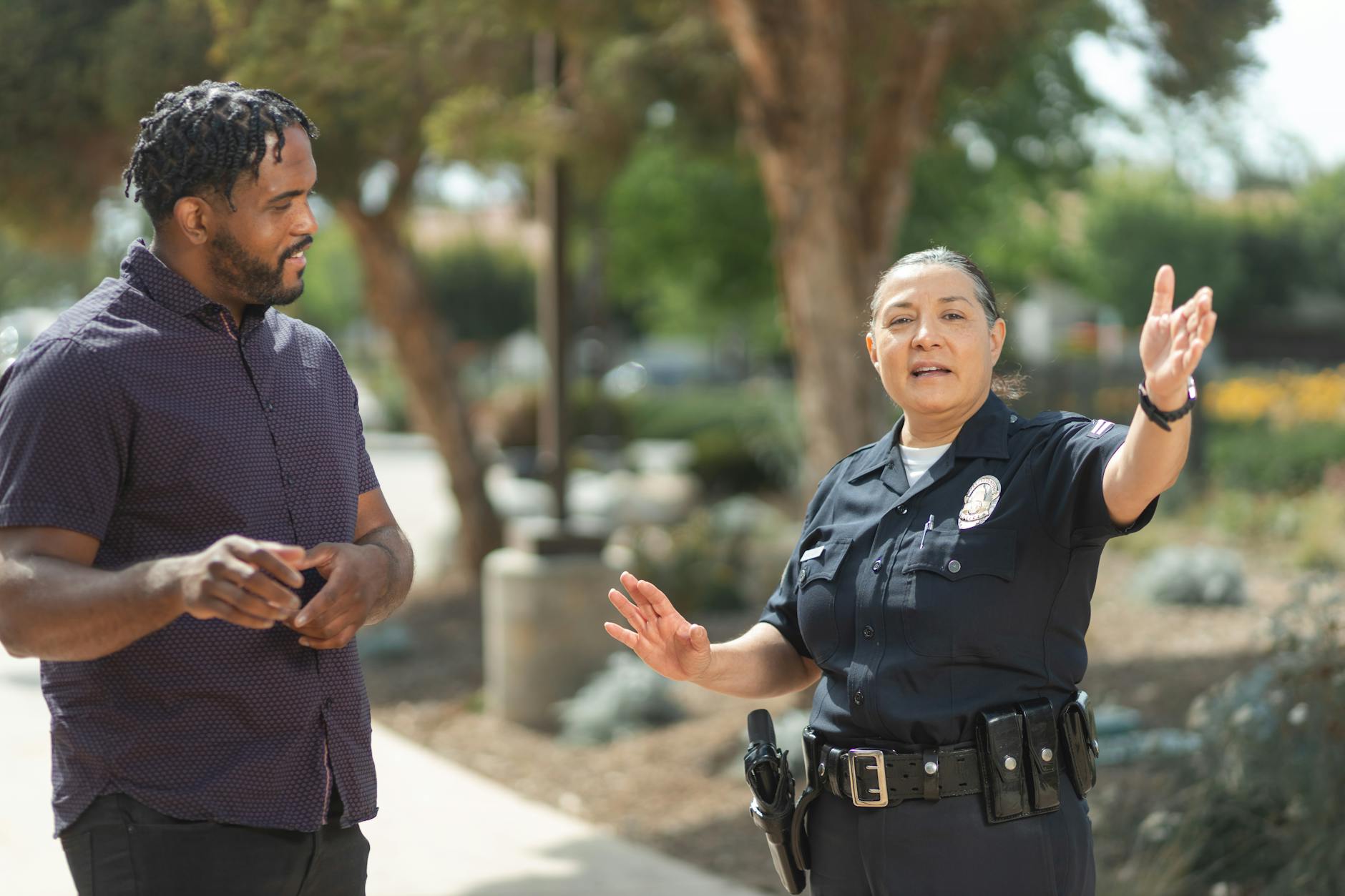
Positive community relations rely heavily on how law enforcement officers interact with residents. One critical mistake to avoid is failing to engage with the community proactively. Officers should participate in local events, attend town hall meetings, and build relationships with community leaders. This approach fosters trust and makes residents more likely to cooperate during encounters. A study by the Police Executive Research Forum found that communities with strong police engagement reported higher satisfaction rates and lower crime incidents.
Another common error is overlooking cultural sensitivity. Officers must understand and respect the diverse backgrounds of the people they serve. Cultural competency training can help bridge gaps and prevent misunderstandings. For instance, knowing how to communicate effectively with non-native speakers or understanding cultural norms can de-escalate tense situations. This sensitivity not only improves interactions but also enhances the overall effectiveness of policing efforts.
Additionally, officers should avoid dismissing community concerns. Ignoring feedback or complaints can erode trust and create resentment. Active listening and addressing issues promptly demonstrate that the police care about the community's well-being. Whether it's through regular surveys, feedback sessions, or open forums, officers should create avenues for residents to voice their opinions. This two-way communication is vital for maintaining a positive and cooperative relationship.
Lastly, transparency plays a crucial role in building trust. Officers should be open about their policies, procedures, and actions. Sharing information about investigations, arrests, and community initiatives helps demystify police work and builds credibility. Transparency also includes admitting mistakes and taking corrective actions when necessary. This honesty reinforces the idea that the police are accountable and committed to serving the community fairly.
Encounters with police can be tense, but avoiding these common mistakes can help keep the situation calm and safe. Remember, your actions and words matter: stay polite, keep your hands visible, and never resist or argue. Practice these habits in everyday interactions to build confidence for when it truly counts. As you navigate life's unpredictable moments, let awareness and respect guide your actions, ensuring safety for everyone involved.
Need this answered for your specific case?
Get a flat-fee consultation with a verified U.S. immigration attorney. Engagement letter on every paid consult.
Related guides
This guide provides general legal information and does not create an attorney–client relationship. Information accurate as of July 2026. Always verify current USCIS guidance before acting.