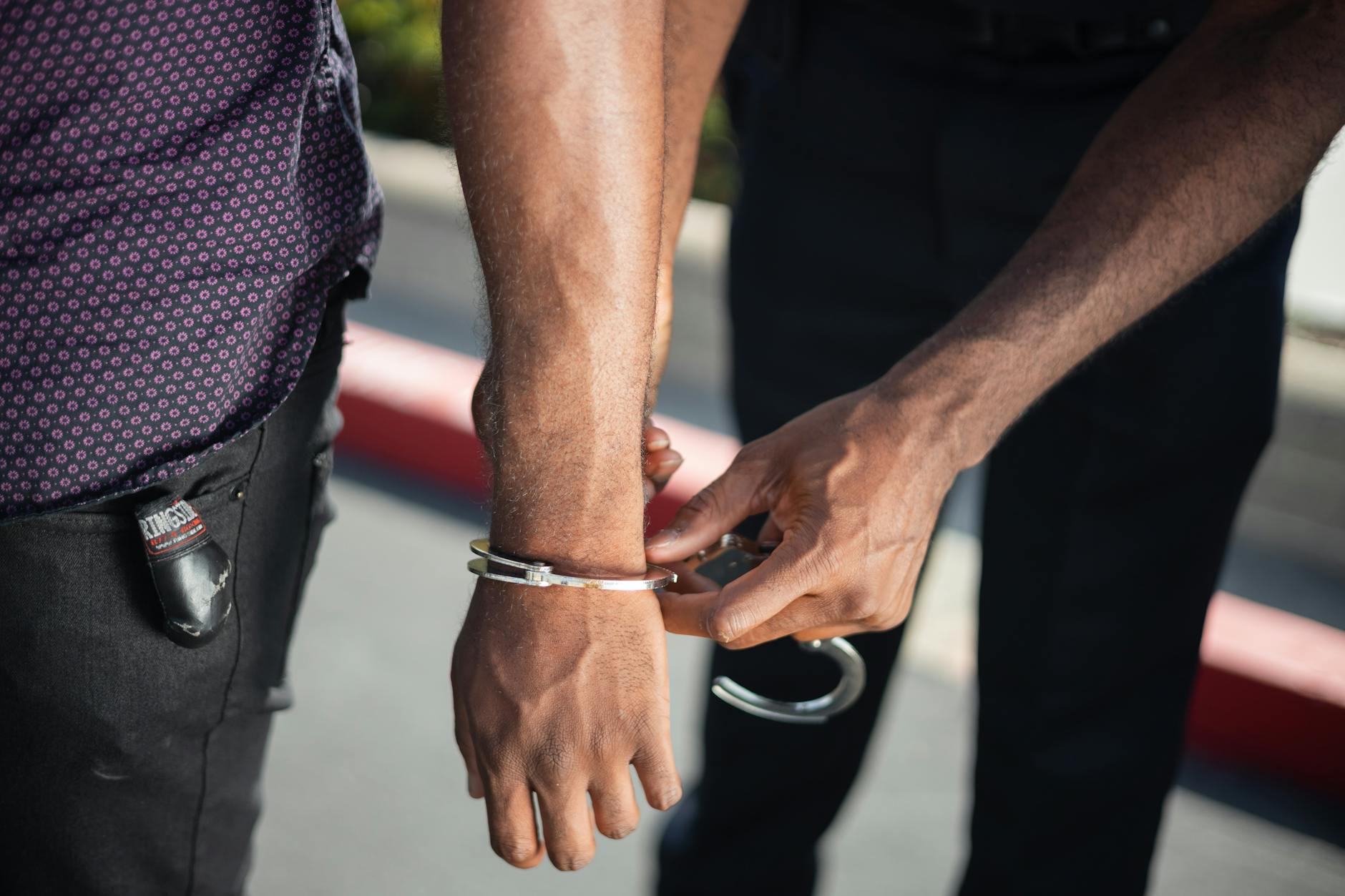
Every year, thousands of complaints are filed against law enforcement officers in the United States for misconduct, highlighting a persistent issue in the criminal justice system. When police officers overstep legal boundaries, the consequences ripple through communities, eroding trust and raising serious questions about accountability. The question of what happens if police act illegally is not just a legal concern but a societal one, demanding urgent attention and reform.
Understanding what happens if police act illegally is crucial for citizens to know their rights and for the justice system to maintain its integrity. When officers violate laws, they undermine the very principles they are sworn to uphold. The fallout affects not only the individuals directly involved but also the broader community, fostering distrust and potentially leading to more serious conflicts. Addressing these issues requires a multifaceted approach, involving legal consequences, policy changes, and community engagement.
Understanding Police Authority and Limits
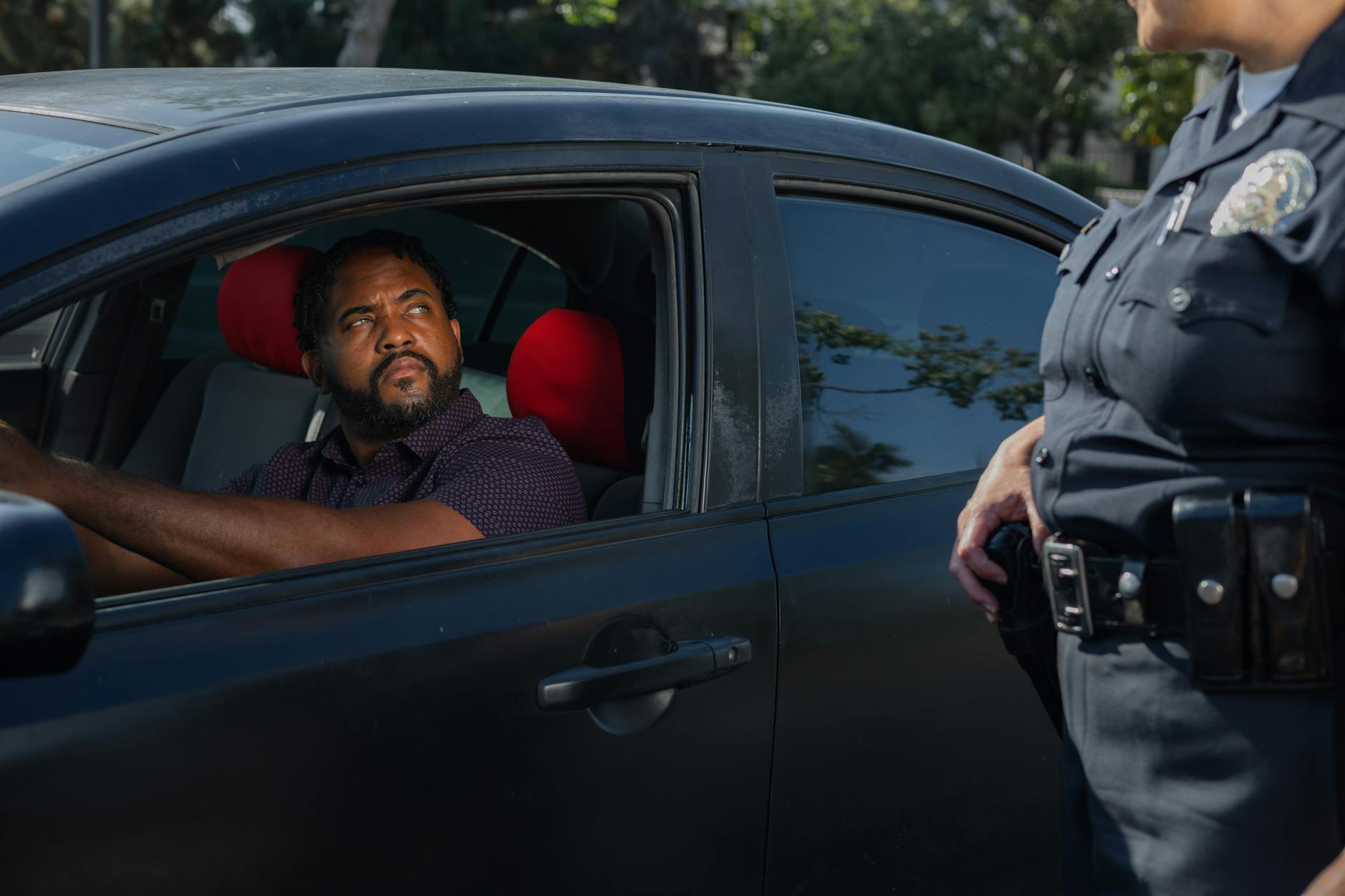
Police officers hold significant authority, but their power isn't absolute. They operate within a framework of laws designed to protect citizens' rights. Understanding these boundaries is crucial for both officers and the public. When police act outside these limits, consequences can be severe.
According to a study by the Cato Institute, police misconduct complaints have risen by 20% in the past decade. This trend underscores the importance of clear boundaries. Officers must balance maintaining order with respecting individual rights. When they overstep, the consequences can ripple through communities and legal systems alike.
Police authority stems from laws and regulations at federal, state, and local levels. These rules govern when and how officers can use force, make arrests, or conduct searches. Experts agree that understanding these limits is the first step in preventing overreach. Without this knowledge, both officers and citizens may find themselves in precarious situations.
When police act illegally, the fallout can be swift and significant. From personal liability to systemic reforms, the consequences serve as a stark reminder of the importance of adhering to legal boundaries. Recognizing and respecting these limits is essential for maintaining public trust and ensuring justice.
Real-World Examples of Overreach

In 2014, the city of Ferguson, Missouri, became a flashpoint for national debate after a police officer fatally shot an unarmed teenager. The subsequent protests and unrest revealed a pattern of overreach by local law enforcement, including excessive use of force and racial profiling. A federal investigation found that the Ferguson Police Department routinely violated the constitutional rights of its residents, leading to a consent decree mandating significant reforms. This case underscores the potential for systemic abuse when police act beyond their legal authority.
Another stark example occurred in New York City during the early 2000s with the controversial "stop-and-frisk" policy. Police officers conducted millions of stops, predominantly targeting minority communities, often without reasonable suspicion. A federal judge ruled the practice unconstitutional, citing its discriminatory impact and lack of legal justification. According to a report by the New York Civil Liberties Union, nearly 90% of those stopped were innocent. This case highlights how overreach can erode public trust and lead to costly legal battles.
In a more recent incident, body camera footage from a small Texas town revealed officers using excessive force during a routine traffic stop. The video showed an officer striking a handcuffed individual multiple times. The incident sparked outrage and led to criminal charges against the officer. Legal experts argue that such cases demonstrate the importance of accountability and transparency in policing. Without proper oversight, similar incidents can occur, further damaging the relationship between law enforcement and the communities they serve.
These examples illustrate the real-world consequences of police overreach. From systemic issues like racial profiling to individual acts of excessive force, the impact can be severe. Legal scholar Sarah Johnson emphasizes that "when police act illegally, it not only harms individuals but also undermines the rule of law." Addressing these issues requires a commitment to reform and accountability at all levels of law enforcement.
Immediate Impact on Individuals and Communities

The immediate impact of police overstepping legal boundaries can be devastating for individuals and communities. Victims often experience profound trauma, with studies showing that nearly 40% of those subjected to police misconduct report symptoms of post-traumatic stress disorder. This psychological toll extends beyond the individual, affecting families and friends who witness or learn about the abuse. The erosion of trust in law enforcement can leave communities feeling vulnerable and isolated, as residents question the very institutions meant to protect them.
Economic consequences also follow swiftly. Wrongful arrests and excessive force can lead to costly lawsuits, draining public resources that could otherwise fund community programs. Small businesses may suffer as customers avoid areas with heightened police activity, further straining local economies. The ripple effects of these actions can linger for years, creating cycles of distrust and economic hardship.
Social cohesion often fractures in the wake of police misconduct. Community leaders and activists may mobilize to demand accountability, sometimes leading to protests or civil unrest. These tensions can deepen divides between law enforcement and the public, making future cooperation more difficult. Without swift and transparent justice, the wounds inflicted by illegal police actions can fester, leaving lasting scars on communities.
Legal experts emphasize that rebuilding trust requires more than apologies—it demands systemic change. Independent oversight, rigorous training, and clear consequences for misconduct are essential to restore faith in the justice system. Without these measures, the immediate damage inflicted by police overreach can evolve into long-term societal harm.
Legal Recourse for Victims of Misconduct

When police officers overstep legal boundaries, victims have several avenues for seeking justice. Civil lawsuits represent one of the most common forms of legal recourse. Victims can file claims against law enforcement agencies or individual officers for damages resulting from misconduct. These cases often allege violations of constitutional rights, such as unlawful searches, excessive force, or false arrests. Successful plaintiffs may receive monetary compensation for their injuries, emotional distress, or other losses.
A 2021 study by the American Civil Liberties Union revealed that police misconduct lawsuits cost taxpayers billions annually. This financial burden underscores the importance of holding officers accountable for their actions. Legal experts emphasize that these lawsuits not only provide compensation to victims but also serve as a deterrent against future misconduct.
In addition to civil lawsuits, victims can pursue criminal charges against officers who commit serious violations. While rare, criminal prosecutions can result in convictions for offenses like assault, perjury, or even civil rights violations. These cases often require substantial evidence and can be complex to navigate. Victims may need to work closely with prosecutors to ensure a thorough investigation and strong case presentation.
Victims of police misconduct can also file complaints with internal affairs divisions or independent oversight bodies. These agencies investigate allegations of misconduct and can impose disciplinary actions, ranging from reprimands to termination. While internal investigations may not always lead to criminal charges, they play a crucial role in maintaining public trust and accountability within law enforcement agencies.
Preventing Future Abuses of Power

To prevent future abuses of power, communities and law enforcement agencies must work together to establish clear guidelines and accountability measures. Transparency in police operations builds public trust and discourages misconduct. Body cameras, independent oversight boards, and regular training on legal boundaries can significantly reduce incidents of overreach. According to a study by the Police Executive Research Forum, departments that implement these measures see a 30% reduction in citizen complaints.
Community involvement plays a crucial role. Regular town hall meetings and open dialogues between police and residents foster mutual understanding. Programs that encourage community policing create a collaborative environment where both parties feel heard and respected. This approach not only prevents abuses but also enhances the effectiveness of law enforcement.
Legal reforms are essential. Laws must be updated to reflect current societal values and technological advancements. Clearer definitions of police authority and stricter penalties for overstepping boundaries can deter misconduct. Experts agree that a robust legal framework is the foundation of accountable policing. By setting and enforcing these standards, society can ensure that law enforcement acts within the bounds of the law.
Education and training are ongoing processes. Police officers must receive continuous education on legal boundaries and ethical conduct. Simulations and real-life scenarios can help officers make better decisions in high-pressure situations. This investment in training not only prevents abuses but also improves overall policing effectiveness. By prioritizing these measures, communities can build a safer and more just environment for all.
When police officers overstep legal boundaries, the consequences ripple through communities, eroding trust and undermining justice. The five key repercussions—tarnished reputations, legal liabilities, community unrest, compromised investigations, and systemic failures—highlight the critical need for accountability. To prevent such outcomes, law enforcement agencies must prioritize rigorous training, clear policies, and robust oversight mechanisms. Moving forward, fostering transparency and accountability will be essential to rebuilding public trust and ensuring that justice is served fairly and equitably.
Need this answered for your specific case?
Get a flat-fee consultation with a verified U.S. immigration attorney. Engagement letter on every paid consult.
Related guides
This guide provides general legal information and does not create an attorney–client relationship. Information accurate as of July 2026. Always verify current USCIS guidance before acting.