
Every year, thousands of children fall victim to neglect, abuse, or exploitation, with many cases going unreported. Child endangerment is a serious criminal offense that can have lifelong consequences for victims. Understanding what is considered child endangerment is crucial for protecting vulnerable young people and holding perpetrators accountable.
Child endangerment laws exist to safeguard children from harm and ensure their well-being. What is considered child endangerment varies by jurisdiction, but generally includes actions or omissions that create substantial risk of injury or harm to a child. These laws are designed to protect children from physical, emotional, and sexual abuse, as well as neglect and exploitation. By examining the key factors that define child endangerment laws, parents, caregivers, and community members can better understand their responsibilities and obligations in ensuring children's safety.
Understanding Legal Foundations

Child endangerment laws aim to protect minors from harm, but what exactly constitutes endangerment? Generally, it involves any action or omission that puts a child at risk of physical, emotional, or psychological harm. This can range from leaving a child unattended in a dangerous situation to exposing them to abusive environments. The laws vary by jurisdiction, but common elements include neglect, abuse, and reckless behavior that creates substantial risk.
Physical harm is the most straightforward example. According to the U.S. Department of Health and Human Services, nearly 656,000 children were victims of abuse or neglect in 2020. This includes actions like hitting, shaking, or failing to provide adequate medical care. Emotional abuse, such as constant belittling or threats, also falls under endangerment. Experts emphasize that the impact of emotional abuse can be just as severe as physical harm, leaving lasting scars on a child's development.
Environmental factors play a role too. Leaving a child in a car on a hot day or in a home with hazardous materials can lead to legal consequences. Even allowing a child to access firearms without proper supervision may qualify as endangerment. Courts often consider whether a reasonable person would find the situation dangerous. The key is whether the child faced an unreasonable risk of harm due to the caregiver's actions or inactions.
Legal definitions also include exposure to illegal activities. For instance, involving a child in drug trafficking or allowing them to witness violent crimes can result in endangerment charges. The law prioritizes shielding children from environments that could harm their well-being or moral development. Authorities take these cases seriously, as early exposure to such situations can have long-term effects on a child's mental and emotional health.
Recognizing Physical Harm Indicators

Physical harm indicators are often the most visible signs of child endangerment. Bruises, burns, fractures, or other unexplained injuries may suggest abuse or neglect. Children might also exhibit signs of malnutrition, such as being underweight or showing delayed growth. Unexplained weight loss or gain can also be a red flag. Behavioral changes, like sudden withdrawal or aggression, might accompany physical signs.
Experts emphasize that patterns of injury are crucial. A single bruise might not indicate abuse, but multiple bruises in various stages of healing could. According to a study by the American Academy of Pediatrics, children who experience recurrent injuries are at higher risk of being in an endangering environment. It's essential to consider the child's developmental stage when evaluating injuries. For instance, a toddler with bruises on non-bony areas might raise concerns, as they typically don't have the motor skills to cause such injuries accidentally.
Other physical signs include poor hygiene, such as unwashed hair or dirty clothes. Children might also have untreated medical conditions, like persistent diaper rash or untreated infections. Dental neglect, such as cavities or missing teeth, can also indicate endangerment. These signs often point to a lack of adequate care and supervision. Recognizing these indicators is the first step in protecting children from harmful environments.
Identifying Neglect and Abandonment
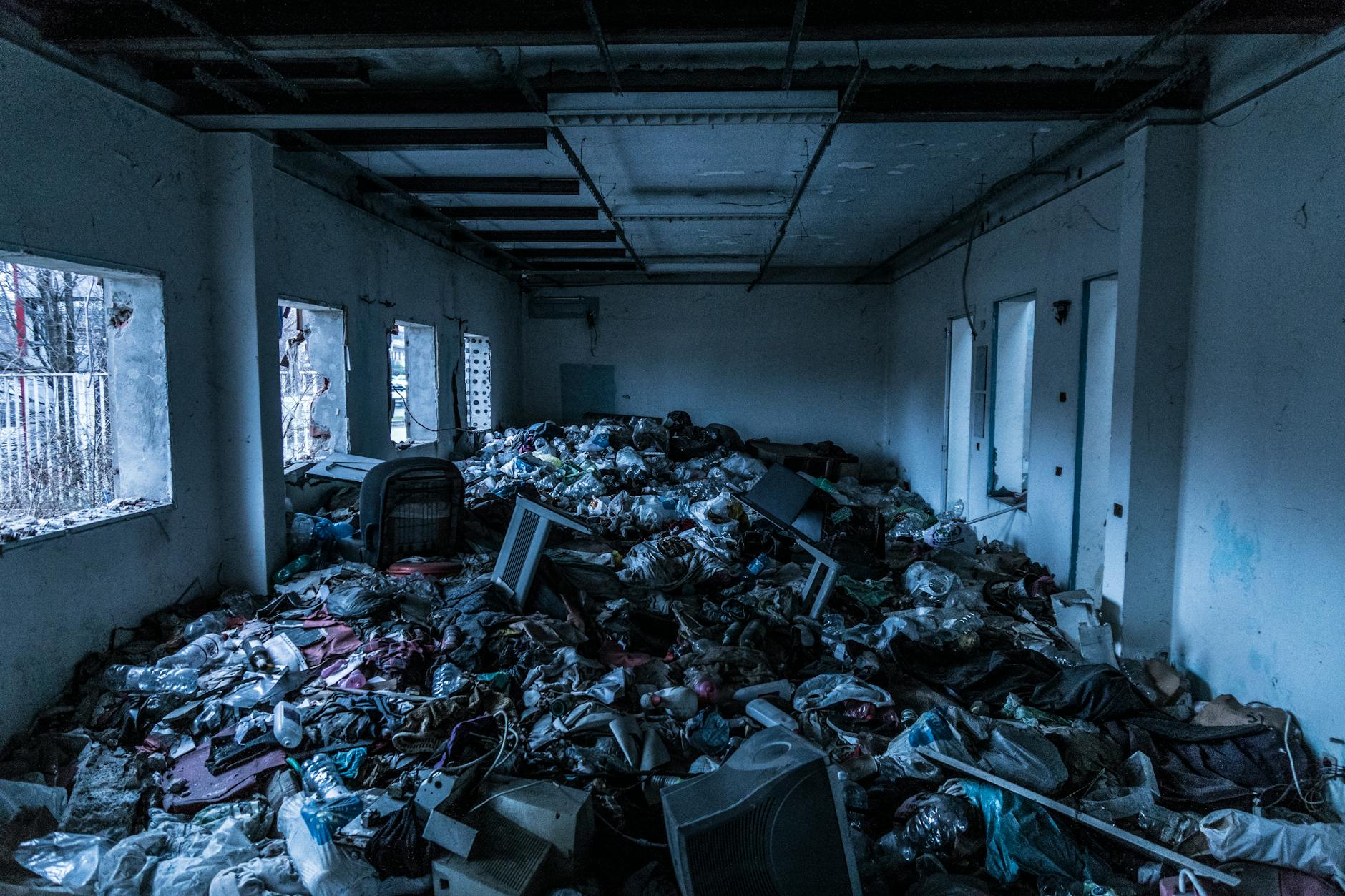
Neglect and abandonment represent some of the most insidious forms of child endangerment. These situations often develop gradually, making them harder to detect. Signs may include persistent hunger, poor hygiene, or a child frequently left alone. Educational neglect, such as chronic absenteeism, also falls under this category. According to child welfare experts, neglect accounts for nearly 75% of all child abuse cases reported annually.
Parental substance abuse frequently contributes to neglectful environments. Children may be left unattended while caregivers seek or use drugs. Unexplained injuries or a child's reluctance to go home can signal deeper issues. Financial struggles sometimes exacerbate these situations, but they do not excuse neglectful behavior.
Abandonment occurs when a parent or guardian fails to provide reasonable care for an extended period. This may involve physical absence or emotional detachment. Courts typically require clear evidence before declaring abandonment. In some jurisdictions, a parent's failure to maintain contact for six months or more may trigger legal intervention.
Legal definitions of neglect and abandonment vary by state. Generally, authorities consider a child's basic needs—such as food, shelter, and education—as non-negotiable. When these needs are consistently unmet, child protective services may step in. The goal is to ensure the child's safety and well-being through appropriate interventions.
Navigating Legal Consequences

Child endangerment laws are designed to protect minors from harm, but the legal consequences can vary widely depending on the circumstances. A single incident can lead to criminal charges, fines, or even loss of custody. The severity of penalties often hinges on factors like intent, the child's age, and the level of harm inflicted. For instance, leaving a young child alone in a car on a hot day might result in misdemeanor charges, while more severe cases—such as physical abuse—can lead to felony convictions.
According to legal experts, one of the most critical factors in determining legal consequences is the parent or caregiver's state of mind. Negligence that results in harm may be prosecuted more harshly than an accident. For example, a parent who knowingly leaves a child with an abusive caregiver could face stiffer penalties than someone who unknowingly exposed their child to danger. Courts often consider whether the adult acted recklessly or with deliberate disregard for the child's safety.
Another key consideration is the child's age and vulnerability. Younger children or those with special needs are often afforded greater legal protections. A caregiver who endangers an infant, for example, may face more severe consequences than someone who endangers an older child. Additionally, repeated offenses can escalate penalties, as courts view patterns of behavior as indicative of a greater risk to the child's well-being. A study by the National Center for Children in Poverty found that repeat offenders are more likely to lose custody of their children permanently.
Legal consequences can extend beyond criminal charges. Parents or caregivers may face civil lawsuits from the child or other affected parties. These lawsuits can result in financial compensation for medical expenses, emotional distress, or other damages. In extreme cases, the court may terminate parental rights, especially if the child's safety cannot be guaranteed. Understanding these potential outcomes underscores the importance of adhering to child safety laws and seeking help when needed.
Advocating for Stronger Protections

Child endangerment laws exist to protect minors from harm, but their interpretation varies widely. Advocates push for stronger protections, arguing that current laws often fail to address the nuances of abuse and neglect. They emphasize the need for clear, consistent definitions to ensure children's safety across jurisdictions.
According to a study by the National Center for Children in Poverty, nearly 70% of child abuse cases involve neglect, highlighting the need for robust legal frameworks. Advocates argue that laws should not only penalize overt acts of abuse but also address environments that put children at risk. This includes factors like inadequate supervision, exposure to violence, or living conditions that compromise a child's well-being.
Legal experts stress the importance of preventative measures. They advocate for laws that mandate reporting of suspected abuse and provide resources for at-risk families. By focusing on early intervention, these measures aim to break the cycle of abuse before it escalates.
Community involvement plays a crucial role in strengthening child protection laws. Advocates encourage public awareness campaigns and education programs to empower individuals to recognize and report signs of endangerment. This collective effort can help create a safer environment for children.
Child endangerment laws revolve around the well-being of minors, with the core factors being harm, risk, intent, and the child's age and vulnerability. These laws aim to protect children from physical, emotional, and environmental dangers, with penalties varying based on severity and jurisdiction. Understanding these key aspects is crucial for parents, caregivers, and society at large to ensure children's safety. To stay informed, individuals should regularly review local child protection laws and attend community workshops on child safety. As awareness grows, society can better safeguard its most vulnerable members, fostering a safer environment for all children.
Need this answered for your specific case?
Get a flat-fee consultation with a verified U.S. immigration attorney. Engagement letter on every paid consult.
Related guides
This guide provides general legal information and does not create an attorney–client relationship. Information accurate as of July 2026. Always verify current USCIS guidance before acting.