
Every year, millions of Americans interact with law enforcement, and the words exchanged in those moments can significantly impact the outcome. A single phrase can escalate a routine traffic stop into a confrontational situation, or even put an individual's safety at risk. Understanding what not to say to police is crucial for anyone wanting to navigate these encounters safely and respectfully.
Whether during a traffic stop, a routine patrol, or any other interaction, the words chosen can make a substantial difference. What not to say to police is not just about avoiding trouble; it's about ensuring personal safety and maintaining a respectful dialogue. This guide highlights five common phrases that can worsen encounters with law enforcement, providing practical advice to help individuals communicate effectively and avoid unnecessary conflict.
Understanding Police Encounters
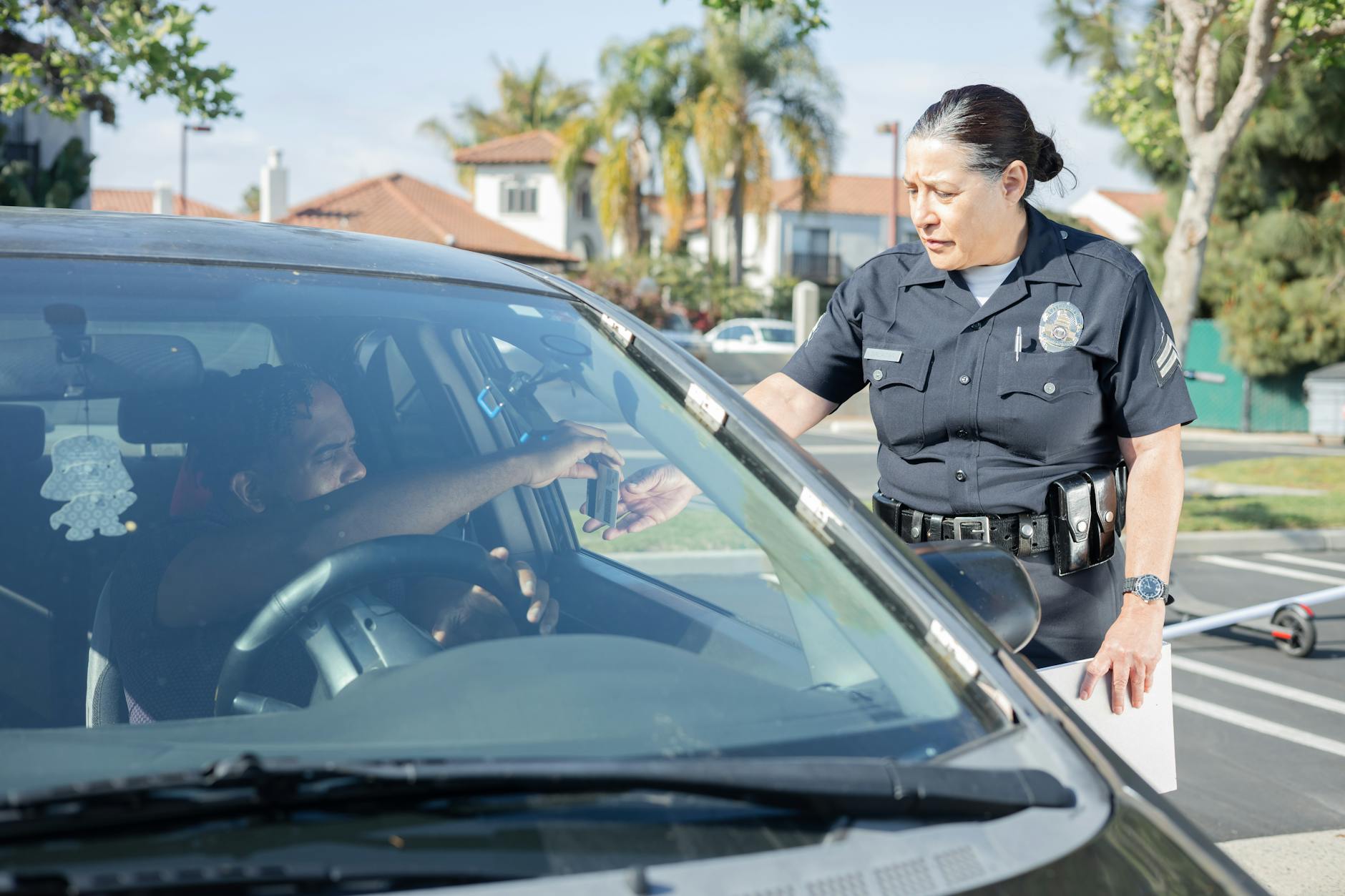
Encounters with police can be stressful, but knowing what to say—or not say—can significantly impact the outcome. According to the National Police Misconduct Statistics and Reporting Project, there were over 4,800 reports of police misconduct in 2022 alone. Understanding the dynamics of these interactions is crucial for de-escalation and safety.
Police officers are trained to assess situations quickly. Their decisions can be influenced by perceived threats or nonverbal cues. A simple phrase like "What did I do?" might escalate tension, as it can be interpreted as confrontational or defiant. Experts recommend maintaining calm and composed communication to avoid misunderstandings.
Body language plays a pivotal role in police encounters. Crossing arms, avoiding eye contact, or speaking in a raised voice can be misinterpreted as aggression. Police officers are trained to react to these cues, which could lead to unnecessary conflict. Keeping hands visible and speaking clearly can help mitigate potential misunderstandings.
Knowing your rights is essential, but asserting them aggressively can backfire. Phrases like "I know my rights" might provoke a defensive response from officers. Instead, individuals should focus on cooperating while respectfully asserting their rights when necessary. This approach can help de-escalate tense situations and ensure a smoother interaction.
Common Phrases That Escalate Situations

Certain phrases can quickly turn a routine police encounter into a tense confrontation. One such phrase is "Do you know who I am?" This statement often comes across as arrogant and can escalate tensions. Police officers deal with individuals from all walks of life, and asserting perceived importance rarely yields positive results. Instead, maintaining a respectful and cooperative demeanor is far more effective.
Another phrase to avoid is "I know my rights." While it's crucial to be aware of one's rights, stating this can be perceived as confrontational. Police officers are trained to handle various situations, and this phrase might be interpreted as a challenge. According to a study by the Police Executive Research Forum, using confrontational language can increase the likelihood of an encounter turning adversarial.
"Why are you stopping me?" can also escalate a situation. This question can be seen as accusatory and may put the officer on the defensive. Instead, individuals should ask for clarification calmly and respectfully. Understanding the reason for the stop can help de-escalate tension and foster a more cooperative interaction.
Lastly, "I'm not doing anything wrong" can be perceived as defensive. This phrase might make the officer feel as though their authority is being questioned. It's better to remain calm and comply with reasonable requests. According to experts, maintaining a non-confrontational attitude can significantly improve the outcome of a police encounter.
Why These Phrases Can Backfire

Using certain phrases during a police encounter can escalate tensions and potentially worsen the outcome. Police officers often interpret vague or confrontational language as a threat, leading to heightened responses. According to a study by the National Institute of Justice, ambiguous statements can increase the likelihood of misunderstandings and confrontations. It's crucial to communicate clearly and calmly to avoid such situations.
Phrases like "Do you know who I am?" can come across as arrogant and disrespectful. This approach often backfires, as it implies entitlement and can provoke a defensive reaction from officers. Maintaining a respectful tone is essential for de-escalation and ensuring a positive interaction.
Another phrase to avoid is "I know my rights." While it's important to be aware of one's rights, stating this outright can be perceived as confrontational. Police officers may interpret this as a challenge to their authority, leading to a more adversarial encounter. Instead, individuals should focus on cooperating while subtly asserting their rights when necessary.
Using language that implies innocence, such as "I didn't do anything," can also be counterproductive. Officers may view this as an admission of guilt or an attempt to deceive. It's better to remain composed and provide clear, concise information when asked. Clear communication helps to build trust and reduces the likelihood of misunderstandings.
How to Communicate Effectively

Effective communication with law enforcement hinges on clarity, respect, and restraint. Police officers encounter numerous stressful situations daily, and clear, concise language helps de-escalate tensions. According to the National Institute of Justice, using simple, direct phrases can significantly improve interactions. For instance, stating "I don't understand, could you explain?" demonstrates cooperation without confrontation. This approach fosters mutual respect and understanding.
Body language plays a crucial role in communication. Maintaining eye contact and keeping hands visible can convey honesty and openness. A study by the International Association of Chiefs of Police found that non-verbal cues often influence an officer's perception of a situation. Therefore, avoiding sudden movements or aggressive gestures is essential. Calm, deliberate actions complement verbal communication, creating a more positive encounter.
Knowing when to speak and when to listen is vital. Interrupting an officer or speaking over them can escalate tensions. Police training emphasizes the importance of active listening. By allowing officers to complete their statements, individuals can better understand instructions and respond appropriately. This practice not only shows respect but also ensures compliance with lawful orders.
Using "please" and "thank you" might seem minor, but these phrases can make a significant difference. Courtesy acknowledges the officer's authority and humanizes the interaction. Research from the Police Executive Research Forum indicates that polite language can lead to more favorable outcomes. Simple gestures of respect go a long way in fostering a positive relationship with law enforcement.
Building Better Community Relations
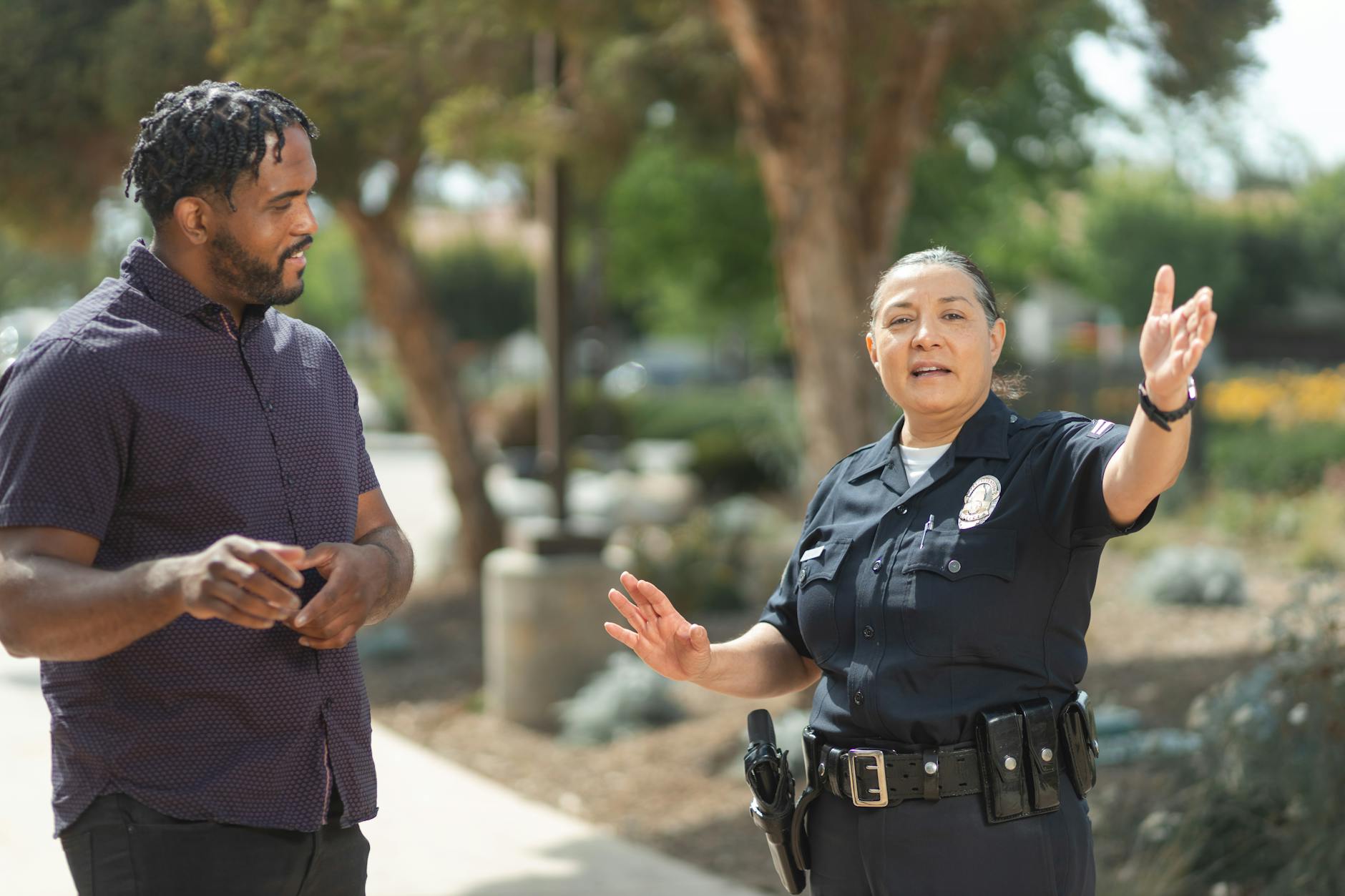
Building trust between communities and law enforcement requires open communication and mutual respect. Officers often encounter tense situations where words can either de-escalate or intensify conflict. According to a study by the National Institute of Justice, positive community relations can significantly reduce crime rates and improve public safety. However, certain phrases can undermine these efforts, creating barriers instead of bridges.
One critical aspect of effective communication is acknowledging the officer's role. Phrases like "I know my rights" or "I'm not doing anything wrong" can sound confrontational, even if unintended. Officers interpret these statements as challenges to their authority, which can escalate tensions. Instead, a simple "I understand" or "I'm cooperating" can foster a more constructive dialogue.
Another key factor is avoiding language that implies distrust. Saying "I don't trust you" or "You're just out to get me" immediately puts the officer on the defensive. These phrases can make officers feel disrespected, leading to a more adversarial interaction. Building better community relations requires recognizing that both parties share the same goal: ensuring safety and respect for all.
Ultimately, the words chosen during encounters with law enforcement can shape the outcome. By focusing on respectful and cooperative language, communities and officers can work together to create safer, more trusting environments. Experts emphasize that small changes in communication can lead to significant improvements in community relations, benefiting everyone involved.
Knowing what not to say to police officers can significantly improve your safety and the outcome of an encounter. Avoiding phrases like "Do you know who I am?" or "I know my rights" can prevent escalation and misunderstandings. To navigate interactions with police more effectively, practice calm, respectful communication and familiarize yourself with your rights without being confrontational. Moving forward, communities and law enforcement agencies should continue working together to foster better understanding and mutual respect.
Need this answered for your specific case?
Get a flat-fee consultation with a verified U.S. immigration attorney. Engagement letter on every paid consult.
Related guides
This guide provides general legal information and does not create an attorney–client relationship. Information accurate as of July 2026. Always verify current USCIS guidance before acting.