
Election fraud undermines the foundation of democracy, with historical cases showing it can alter election outcomes. The integrity of the electoral process is paramount, yet election fraud remains a persistent threat. Understanding what is election fraud crime is the first step in combating it.
Election fraud crime encompasses illegal interference in the electoral process, from voter intimidation to tampering with ballots. It's not just a legal issue; it's a direct attack on the voice of the people. Knowing what is election fraud crime helps voters recognize manipulation attempts and report them. This awareness empowers citizens to protect their right to a fair and honest election.
Understanding Election Fraud Basics

Election fraud, a serious criminal offense, encompasses any illegal interference with the electoral process to manipulate results. This crime undermines democracy by distorting the will of the voters. It can take various forms, from tampering with ballots to misleading voters about polling locations. The consequences of election fraud are severe, as it erodes public trust in democratic institutions.
According to a report by a leading democracy watchdog, election fraud cases have been on the rise in recent years. This trend highlights the need for vigilance and robust legal frameworks to protect the integrity of elections. The legal consequences for those convicted of election fraud can include hefty fines, imprisonment, and permanent loss of voting rights.
Election fraud is not a victimless crime. It affects every citizen by compromising the fairness of the electoral process. Perpetrators often target vulnerable communities, exacerbating social and political divisions. The fight against election fraud requires a collective effort from law enforcement, election officials, and the public.
A legal expert emphasizes that understanding the basics of election fraud is the first step in combating it. By recognizing the signs and reporting suspicious activities, citizens can play a crucial role in safeguarding their democracy. Education and awareness are key to preventing election fraud and ensuring free and fair elections for all.
Common Methods of Voter Deception

Voter deception takes many forms, often targeting vulnerable populations or exploiting gaps in election systems. One common tactic involves spreading false information about voting procedures, such as incorrect polling locations or altered deadlines. These misrepresentations can confuse voters, leading to disenfranchisement. According to a recent study, nearly 1 in 5 voters reported receiving misleading information about their voting rights in the last election cycle.
Impersonation fraud, though less frequent, remains a concern. Perpetrators may attempt to vote under another person's name, often targeting individuals unlikely to vote. While technological advancements like voter ID laws have reduced this type of fraud, it persists in some jurisdictions. Election officials emphasize the importance of accurate voter rolls to combat this issue.
Another deceptive practice involves manipulating absentee and mail-in ballots. Fraudsters may intercept, forge, or alter ballots, exploiting the vulnerabilities of mail-in voting systems. The rise of mail-in voting during the pandemic has heightened concerns about this method. Legal consequences for these actions vary by state but often include hefty fines and imprisonment.
Lastly, voter intimidation and harassment can suppress turnout, effectively deceiving voters about their rights and safety. This tactic disproportionately affects minority communities. Legal experts argue that robust voter protection laws are essential to safeguard democratic processes. Convictions for voter intimidation can result in significant penalties, including jail time.
Ballot Tampering and Its Penalties
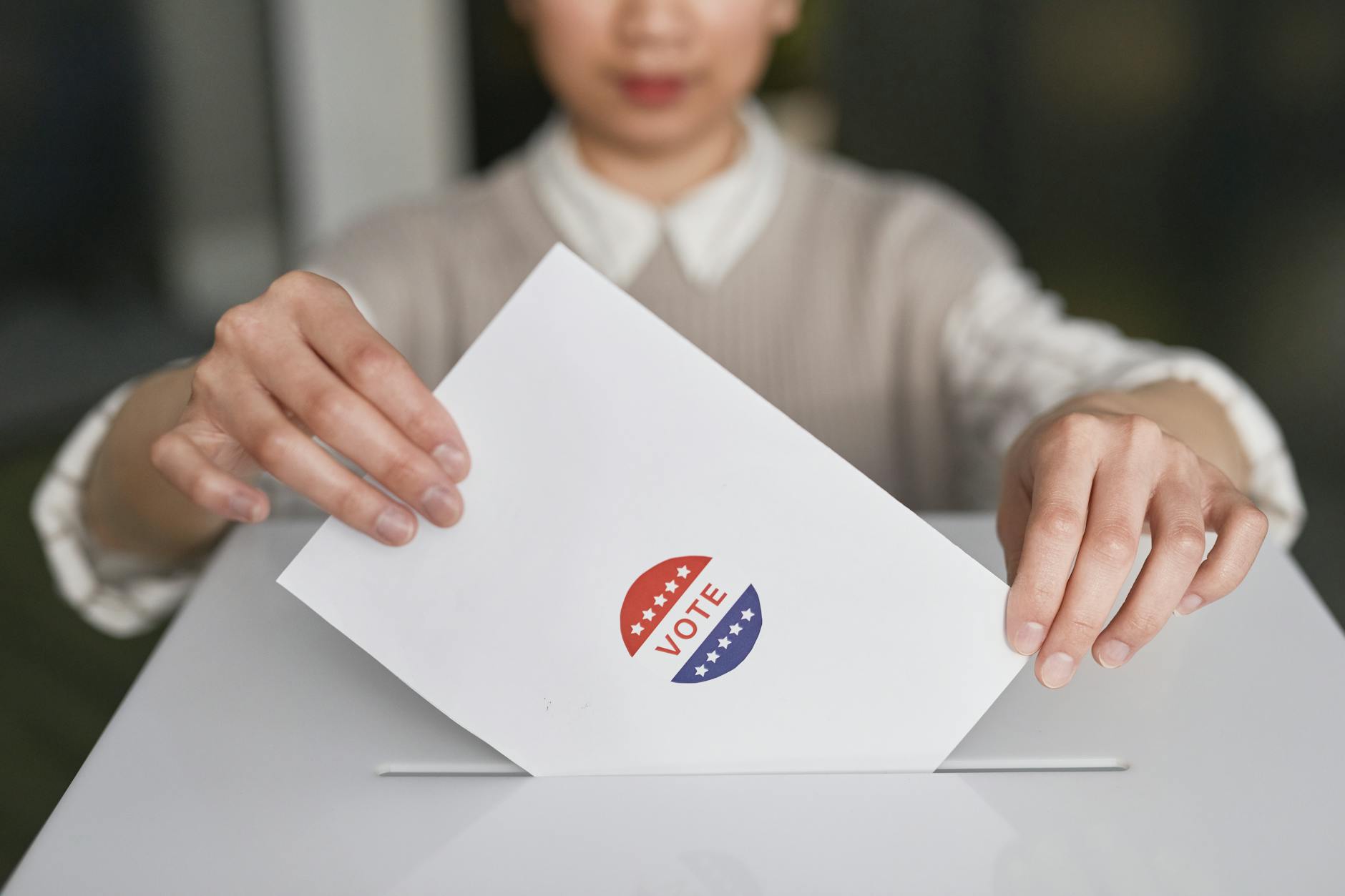
Ballot tampering is a serious form of election fraud that involves altering, destroying, or falsifying ballots to manipulate election results. This can occur at any stage of the voting process, from marking ballots to counting them. According to the Brennan Center for Justice, ballot tampering cases, though rare, have significant impacts on election integrity. Perpetrators may face severe penalties, including fines and imprisonment, as tampering undermines the democratic process.
One common method of ballot tampering is coercion, where individuals force voters to mark their ballots in a particular way. This can happen through threats, intimidation, or undue influence. Legal consequences for such actions vary by jurisdiction but often include felony charges. The severity of the penalty typically correlates with the scale of the tampering and its impact on the election outcome.
Another form of ballot tampering involves altering ballots after they have been cast. This can include changing votes, adding unauthorized ballots, or removing legitimate ones. Such actions are considered criminal offenses and can result in lengthy prison sentences. Election officials and law enforcement agencies work diligently to prevent and prosecute these crimes to ensure fair and transparent elections.
Ballot tampering not only violates election laws but also erodes public trust in the democratic system. Voters must feel confident that their votes will be counted accurately and fairly. Legal consequences for ballot tampering serve as a deterrent, emphasizing the importance of upholding election integrity. By enforcing strict penalties, authorities aim to maintain the credibility of the electoral process.
Digital Manipulation in Modern Elections

Digital manipulation in modern elections represents a sophisticated and growing threat to democratic processes. This form of election fraud involves the use of technology to distort public opinion, spread misinformation, or even alter voting systems. Cybersecurity experts warn that the anonymity and global reach of the internet make it an ideal tool for those seeking to undermine elections. A study by the International Institute for Democracy and Electoral Assistance found that nearly 60% of surveyed countries reported experiencing some form of digital interference in their elections.
One common tactic is the spread of disinformation through social media platforms. Fake news stories, manipulated images, and deepfake videos can rapidly go viral, shaping public perception without factual basis. These tactics exploit algorithms that prioritize engagement, allowing false information to spread faster than corrections. The legal consequences for such actions vary by jurisdiction but often include charges related to fraud, defamation, or even cybercrime.
Another alarming trend is the hacking of voter registration systems or electronic voting machines. While rare, successful breaches can disrupt elections and erode public trust. Legal consequences for these crimes are severe, with perpetrators facing lengthy prison sentences under laws designed to protect electoral integrity. The challenge lies in attribution, as hackers often operate from jurisdictions with lax cybercrime laws, complicating international cooperation and prosecution.
Preventing digital manipulation requires a multi-faceted approach. Governments and tech companies must collaborate to enhance cybersecurity measures, promote digital literacy, and establish clear legal frameworks. Voters also play a crucial role by critically evaluating information and reporting suspicious activity. As technology evolves, so too must the strategies to safeguard the democratic process from digital threats.
Preventing Fraud and Protecting Democracy
Election fraud undermines the very foundation of democracy, eroding public trust in the electoral process. It encompasses a range of illegal activities designed to manipulate election outcomes, from voter impersonation to tampering with ballots. According to the Brennan Center for Justice, instances of election fraud are rare, but their impact can be significant. Preventing such crimes requires a multi-faceted approach, involving vigilant monitoring, robust legal frameworks, and public awareness.
One of the primary methods to combat election fraud is through stringent voter identification laws. These laws require voters to present valid identification before casting their ballots, ensuring that only eligible voters participate. Critics argue that such measures can disproportionately affect certain demographics, but proponents maintain that they are crucial for maintaining the integrity of elections. The implementation of these laws varies widely across different jurisdictions, reflecting the complex balance between security and accessibility.
Technology plays a pivotal role in both facilitating and preventing election fraud. Electronic voting systems, while efficient, have been scrutinized for potential vulnerabilities. To mitigate risks, many jurisdictions have adopted paper trails and regular audits. Experts emphasize the importance of continuous updates and rigorous testing of voting systems to stay ahead of potential threats. Additionally, cybersecurity measures are essential to protect against digital manipulation and data breaches.
Public education is another critical component in the fight against election fraud. Voters must be informed about their rights and the procedures in place to ensure fair elections. Community outreach programs and clear, concise information from election officials can empower citizens to participate confidently. By fostering a well-informed electorate, the likelihood of fraudulent activities decreases significantly. Ultimately, the collective effort of lawmakers, election officials, and the public is necessary to safeguard the democratic process.
Election fraud is a serious crime that undermines the foundation of democracy, with consequences ranging from fines to imprisonment. Understanding these offenses and their penalties is crucial for maintaining the integrity of the electoral process. Voters and officials alike should remain vigilant, reporting any suspicious activities to the appropriate authorities to ensure fair elections. As technology and laws evolve, so too will the methods and consequences of election fraud, demanding constant attention and adaptation from all involved.
Need this answered for your specific case?
Get a flat-fee consultation with a verified U.S. immigration attorney. Engagement letter on every paid consult.
Related guides
This guide provides general legal information and does not create an attorney–client relationship. Information accurate as of July 2026. Always verify current USCIS guidance before acting.