
Police misconduct has become a pressing issue, with the Bureau of Justice Statistics reporting over 4,000 citizen complaints against law enforcement annually. These incidents range from excessive force to falsifying evidence, and some even cross the line into criminal behavior. When officers abuse their power, the consequences can be devastating for individuals and communities alike.
Understanding what is police misconduct crime is crucial for citizens and legal professionals alike. Police misconduct crime refers to illegal actions committed by law enforcement officers in the line of duty. These crimes erode public trust and can lead to severe penalties for those involved. Recognizing the different types of police misconduct crime helps ensure accountability and justice. From coercion to evidence tampering, each offense demands scrutiny and appropriate legal action.
Understanding police misconduct crimes

Police misconduct refers to illegal or inappropriate actions taken by police officers in the course of their duties. These actions can range from excessive use of force to falsifying evidence, and they undermine public trust in law enforcement. When such misconduct rises to the level of a criminal offense, it becomes a police misconduct crime, subject to legal consequences.
According to the Bureau of Justice Statistics, there were nearly 6,600 arrests of police officers in the United States between 2003 and 2009. These arrests were for a variety of offenses, including civil rights violations, bribery, and drug-related crimes. The severity of these crimes can vary, but they all share a common thread: they involve police officers abusing their authority.
Experts emphasize that police misconduct crimes are not isolated incidents but rather systemic issues that require comprehensive solutions. Addressing these crimes involves not only prosecuting individual officers but also implementing systemic reforms within police departments. This can include better training, improved oversight, and stronger accountability measures.
Understanding police misconduct crimes is crucial for maintaining the integrity of the justice system. It ensures that those who are sworn to protect and serve the public are held to the highest standards of conduct. When police officers commit crimes, it erodes public trust and can lead to widespread disillusionment with law enforcement.
Common forms of criminal misconduct

Police misconduct encompasses a range of criminal behaviors that violate public trust and the law. Among the most egregious are excessive force and police brutality. These actions often result in severe injuries or even death, as seen in numerous high-profile cases. According to a 2021 study by the National Police Misconduct Statistics and Reporting Project, excessive force accounted for 23.5% of all reported misconduct cases. Such incidents not only damage individual lives but also erode community confidence in law enforcement.
Another common form is evidence tampering, where officers plant, fabricate, or destroy evidence to influence case outcomes. This misconduct undermines the justice system's integrity. A criminal justice expert emphasizes that evidence tampering can lead to wrongful convictions, highlighting the critical need for accountability.
Corruption within police departments also poses a significant threat. Officers may accept bribes, engage in extortion, or participate in criminal activities. These actions betray the public's trust and compromise the department's reputation. Addressing corruption requires robust internal oversight and transparent investigations.
Legal consequences for officers involved

When police officers engage in misconduct that crosses into criminal behavior, they face severe legal consequences. These can range from administrative penalties to criminal charges, depending on the severity of the offense. For instance, an officer convicted of excessive force may face termination, civil lawsuits, and even imprisonment. The legal system holds law enforcement professionals to a higher standard, as they are entrusted with significant power and authority.
A study by the Cato Institute revealed that between April 2009 and December 2010, 65 officers were arrested for various offenses, including sexual assault, domestic violence, and drug-related crimes. These arrests underscore the reality that police officers, like all citizens, are subject to the law and can be held accountable for their actions. The consequences extend beyond the individual officer, often tarnishing the reputation of the entire department.
Expert analysis suggests that the legal consequences for police misconduct serve as a deterrent, emphasizing the importance of upholding ethical standards. However, the process of holding officers accountable can be complex and fraught with challenges. Prosecutors must navigate intricate legal procedures, and the outcome often hinges on the strength of the evidence and the willingness of the justice system to pursue cases against law enforcement personnel.
Reporting and pursuing justice

When police officers abuse their authority, their actions can cross into criminal territory. Reporting and pursuing justice for police misconduct requires understanding the specific offenses involved. These crimes often involve violations of civil rights, excessive use of force, or other unlawful conduct. Victims and advocates must navigate complex legal processes to hold officers accountable.
Documentation plays a crucial role in building a case against police misconduct. Witness statements, body camera footage, and medical records can provide evidence of criminal behavior. According to a report by the Bureau of Justice Statistics, only about 3% of nonfatal police violence cases result in officer convictions. This low rate underscores the challenges in pursuing justice.
Legal experts emphasize the importance of filing complaints with internal affairs divisions and external oversight agencies. These steps can initiate investigations and disciplinary actions. Civil lawsuits may also be filed to seek damages for harm caused by police misconduct. Each case requires a tailored approach to maximize the chances of a successful outcome.
Community involvement is vital in the fight against police misconduct. Advocacy groups and legal organizations provide resources and support to victims. Public pressure can influence policy changes and improve accountability. Together, these efforts contribute to a more just and transparent system.
Preventing misconduct in law enforcement
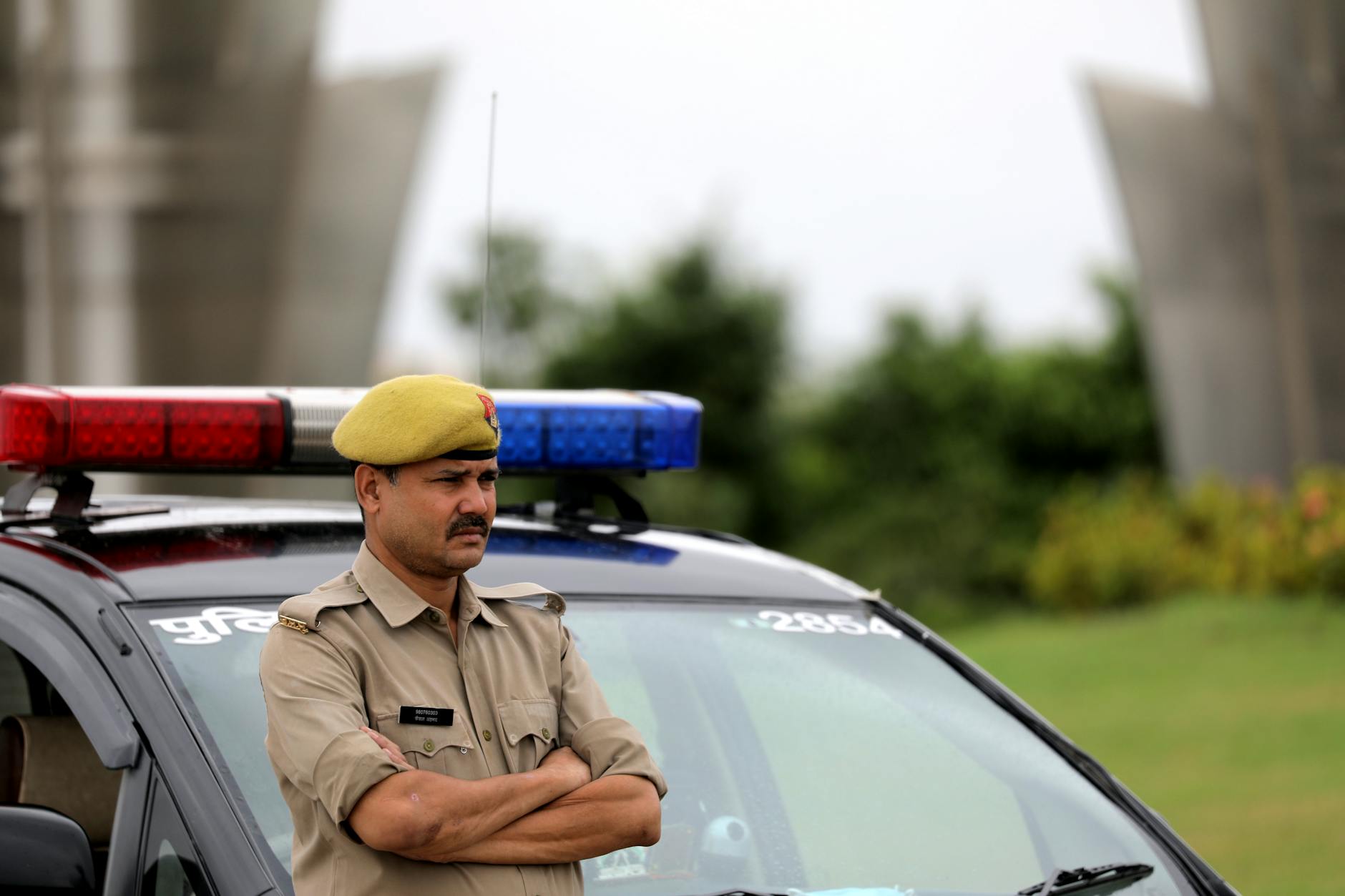
Police misconduct encompasses a range of unethical or illegal behaviors by law enforcement officers. These actions undermine public trust and can lead to severe consequences, including criminal charges. Recognizing and addressing these behaviors is crucial for maintaining the integrity of law enforcement and ensuring public safety.
Preventing misconduct begins with robust training and clear policies. Law enforcement agencies must establish strict guidelines and provide ongoing education for officers. This includes training on de-escalation techniques, cultural sensitivity, and the proper use of force. According to a study by the Police Executive Research Forum, agencies with comprehensive training programs see a significant reduction in misconduct incidents.
Transparency and accountability are also vital. Body cameras and independent oversight bodies can help monitor officer behavior and hold them accountable for their actions. Additionally, promoting a culture of integrity within police departments encourages officers to uphold ethical standards. Experts emphasize that a strong internal affairs division is essential for investigating and addressing misconduct promptly.
Community engagement plays a pivotal role in preventing misconduct. Building positive relationships between police officers and the communities they serve fosters trust and mutual respect. Regular interactions, such as community policing initiatives, can help bridge the gap between law enforcement and the public. This collaborative approach not only prevents misconduct but also enhances overall public safety.
Police misconduct crimes represent serious abuses of power that erode public trust and jeopardize individual rights. Recognizing these offenses—such as excessive force, sexual assault, false arrest, and obstruction of justice—is crucial for holding officers accountable and upholding justice. To combat these issues, communities must advocate for transparency, independent oversight, and rigorous training programs for law enforcement. Moving forward, continued vigilance and reform efforts will be essential to ensure that police forces serve and protect rather than harm the populations they are sworn to serve.
Need this answered for your specific case?
Get a flat-fee consultation with a verified U.S. immigration attorney. Engagement letter on every paid consult.
Related guides
This guide provides general legal information and does not create an attorney–client relationship. Information accurate as of July 2026. Always verify current USCIS guidance before acting.