
Police misconduct cases often involve a disturbing practice: evidence fabrication. In the United States alone, the National Registry of Exonerations reports that evidence tampering or fabrication played a role in nearly 15% of wrongful convictions. This deliberate manipulation of facts undermines the very foundation of justice, leaving innocent lives shattered and trust in law enforcement eroded.
So, what is police evidence fabrication? It is the deliberate creation or alteration of evidence to implicate a suspect, secure a conviction, or cover up misconduct. This unethical practice can take many forms, from planting evidence to falsifying documents. Understanding what is police evidence fabrication is crucial for anyone seeking to grasp the complexities of police misconduct cases. It is a stark reminder of the power dynamics at play and the potential for abuse within the criminal justice system.
Understanding Evidence Fabrication in Law Enforcement

Police evidence fabrication refers to the deliberate creation, alteration, or planting of evidence by law enforcement officers to support criminal charges or justify their actions. This misconduct undermines the justice system, leading to wrongful convictions and eroding public trust. The U.S. Department of Justice estimates that thousands of cases may be affected by such misconduct annually, though exact numbers remain elusive due to underreporting and lack of comprehensive data.
Fabricated evidence can take many forms, from falsified documents to planted physical evidence. Officers might coerce confessions, manipulate crime scene evidence, or even create entirely fabricated witness statements. These actions often stem from pressure to close cases quickly, personal biases, or a desire to cover up misconduct. Regardless of the motive, the consequences are severe, impacting not only the accused but the integrity of the justice system itself.
Experts agree that addressing this issue requires a multi-faceted approach. Stronger oversight, increased accountability, and better training for officers are critical steps. Additionally, independent investigations into allegations of evidence fabrication can help restore public confidence. The goal is to ensure that justice is served fairly and transparently, without compromise.
Common Forms of Fabricated Evidence

Fabricated evidence in police misconduct cases comes in various forms, each with its own implications. One common type is planted evidence, where officers place incriminating items at a crime scene or on a suspect. This tactic often involves drugs, weapons, or other contraband, aiming to bolster weak cases or justify arrests. Planting evidence not only violates ethical standards but also undermines the integrity of the justice system.
Another prevalent form is falsified documents. Police officers may alter reports, affidavits, or other official records to support their version of events. According to a study by the National Registry of Exonerations, falsified evidence contributed to nearly 25% of wrongful convictions. These falsifications can range from minor discrepancies to outright fabrications, making it difficult to discern the truth.
Fabricated witness statements also play a significant role in misconduct cases. Officers might coerce witnesses into providing false testimonies or even create fictional witnesses to support their claims. This manipulation of witness statements can severely impact the outcome of a case, leading to unjust convictions. The use of fabricated evidence, in any form, erodes public trust and highlights the need for rigorous oversight and accountability within law enforcement.
How Fabricated Evidence Affects Criminal Cases
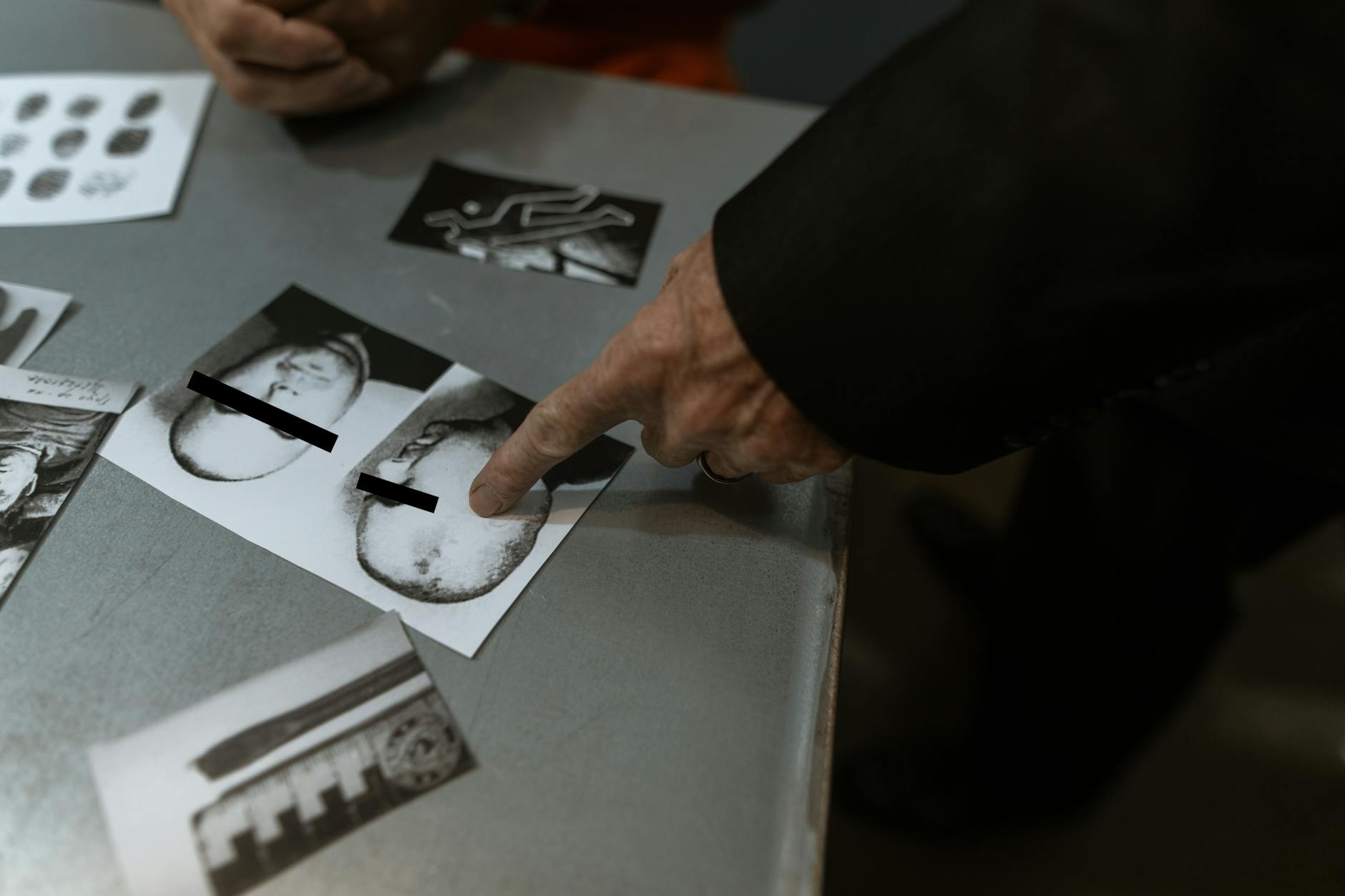
Fabricated evidence can derail criminal cases, leading to wrongful convictions or the dismissal of legitimate charges. When police officers plant, manipulate, or create evidence, it undermines the integrity of the justice system. Defendants may face prolonged incarceration, reputational damage, and emotional distress due to false accusations. The consequences extend beyond individuals, eroding public trust in law enforcement.
Studies show that wrongful convictions based on fabricated evidence account for a significant portion of exonerations. According to the Innocence Project, nearly 30% of wrongful convictions involve official misconduct, including evidence tampering. These cases highlight the critical need for accountability and transparency in law enforcement practices.
Courts often struggle to identify fabricated evidence, especially when it involves complex forensic techniques or witness testimony. Defense attorneys must meticulously scrutinize evidence to uncover inconsistencies or signs of manipulation. The process can be lengthy and resource-intensive, further delaying justice for defendants.
Beyond individual cases, fabricated evidence contributes to broader systemic issues. It can perpetuate biases within the criminal justice system, disproportionately affecting marginalized communities. Addressing this issue requires comprehensive reforms, including better training for officers and stronger oversight mechanisms.
Identifying and Challenging Fabricated Evidence

Identifying fabricated evidence requires a keen eye for detail and an understanding of common manipulation techniques. Officers may alter timestamps, doctor documents, or stage crime scenes to support their narratives. Defense attorneys and investigators must scrutinize every piece of evidence, looking for inconsistencies that betray tampering. A study by the National Registry of Exonerations found that evidence tampering played a role in nearly 20% of wrongful convictions. Experts emphasize the importance of digital forensics in uncovering manipulated electronic evidence.
Challenging fabricated evidence demands rigorous cross-examination and expert testimony. Defense teams often call upon forensic specialists to debunk altered evidence. For instance, a forensic document examiner can identify signs of tampering in written statements. Similarly, digital forensic analysts can detect manipulation in photos, videos, and electronic records. The goal is to present compelling evidence that undermines the prosecution's case.
Legal professionals must stay vigilant against all forms of evidence fabrication. They should be familiar with the latest techniques used to manipulate evidence and the methods to detect them. Continuous education and training are essential in this ever-evolving field. By staying informed, attorneys can better protect their clients' rights and ensure justice is served.
Preventing Evidence Fabrication in the Future

Preventing evidence fabrication requires a multi-faceted approach that combines technology, policy reforms, and cultural shifts within law enforcement agencies. Body-worn cameras have emerged as a powerful tool, with studies showing a 50% reduction in complaints against officers when these devices are used. The presence of continuous video recording creates an independent record of interactions, making it significantly harder for officers to plant or alter evidence.
Policy reforms play a crucial role in deterring misconduct. Clear guidelines on evidence handling, coupled with strict penalties for violations, can set a strong precedent. Agencies must also implement robust internal affairs processes to investigate allegations of evidence tampering promptly and thoroughly. Transparency in these investigations builds public trust and discourages misconduct.
Cultural change within police departments is equally vital. Training programs that emphasize ethical decision-making and the consequences of evidence fabrication can reshape officer behavior. Peer accountability and mentorship programs foster an environment where integrity is valued and misconduct is challenged. By addressing the root causes of evidence fabrication, these measures can create lasting improvements in police conduct.
Community involvement also serves as a deterrent. Civilian oversight boards and regular public reporting on police conduct help maintain accountability. When communities actively participate in monitoring law enforcement, the likelihood of evidence fabrication decreases. These combined efforts create a comprehensive strategy to prevent evidence fabrication and uphold justice.
Police evidence fabrication undermines justice, erodes public trust, and can lead to wrongful convictions. Recognizing the seven types of fabricated evidence—false testimony, planted evidence, coerced confessions, tampered evidence, fabricated documents, misleading forensic analysis, and falsified records—is the first step in combating this misconduct. To protect against such abuses, citizens should document interactions with law enforcement, seek legal counsel when necessary, and advocate for increased transparency and accountability within police departments. As awareness grows and technology advances, the hope is that these deceptive practices will become increasingly difficult to perpetrate and easier to detect, ensuring a fairer justice system for all.
Need this answered for your specific case?
Get a flat-fee consultation with a verified U.S. immigration attorney. Engagement letter on every paid consult.
Related guides
This guide provides general legal information and does not create an attorney–client relationship. Information accurate as of July 2026. Always verify current USCIS guidance before acting.