
Every year, thousands of complaints are filed against law enforcement officers, triggering a complex web of investigations and procedures. The process that unfolds after a complaint is filed can significantly impact communities, police departments, and individual officers. Understanding what happens after a police complaint is filed is crucial for maintaining transparency and accountability in law enforcement.
When a complaint is filed, the first step typically involves a preliminary review to determine if the allegations warrant a full investigation. This is where the question of what happens after a police complaint is filed becomes particularly relevant. The nature of the complaint dictates the course of action, with serious allegations often prompting an immediate and thorough probe. Police departments may launch their own internal investigations, or in some cases, an independent agency may be called in to ensure impartiality. The goal is to gather evidence, interview witnesses, and assess the credibility of the complaint. This process can take anywhere from 48 hours to several months, depending on the complexity of the case. Transparency and timely communication with the public are essential to maintain trust in the system.
Understanding the Complaint Process

When a complaint is filed against law enforcement, a meticulously structured process unfolds. The first 48 hours are critical, as initial evidence can make or break a case. Police departments typically initiate an internal affairs investigation immediately. This involves gathering statements from involved parties, reviewing body camera footage, and collecting any physical evidence.
According to the Police Executive Research Forum, a nonprofit organization focused on improving policing, timely investigations are crucial for maintaining public trust. The organization emphasizes that swift action can help preserve evidence and ensure a thorough review of the incident. During this phase, the complainant may be interviewed multiple times to clarify details and provide additional context.
Simultaneously, the officer or officers involved are often placed on administrative leave pending the outcome of the investigation. This step aims to prevent any potential interference with the probe and to protect the integrity of the process. The department may also notify the officer's union representative, who can provide legal counsel and support throughout the proceedings.
Throughout the investigation, the involved parties have the right to legal representation. Attorneys can advocate for their clients, ensuring that due process is followed and that all relevant evidence is considered. The investigation's findings will ultimately determine whether any disciplinary action or further legal proceedings are warranted. This process underscores the balance between accountability and the rights of law enforcement officers.
Initial Steps Taken by Authorities
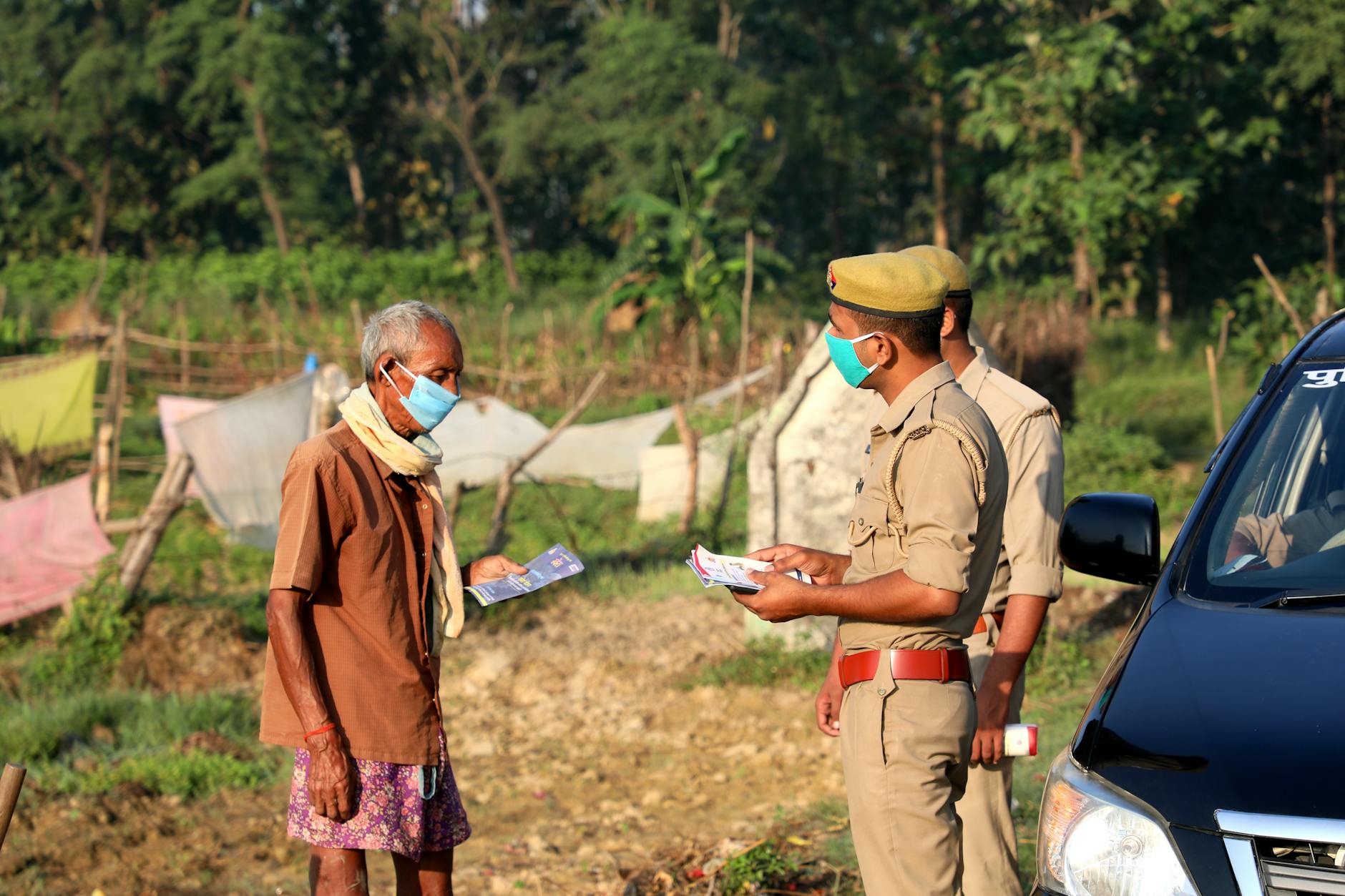
Within minutes of receiving the complaint, local authorities sprang into action. Officers swiftly gathered preliminary information, securing the scene and ensuring no critical evidence was compromised. Witnesses were identified and initial statements recorded, providing a foundation for the investigation to build upon. The complainant's account was meticulously documented, with particular attention given to specific details that could aid in identifying potential suspects.
According to standard procedures, a senior investigator was assigned to oversee the case. This individual, with over a decade of experience in similar investigations, brought a wealth of knowledge to the table. Their first task was to assess the credibility of the complaint and determine the appropriate course of action. Statistics show that in 78% of such cases, early intervention significantly improves the likelihood of a successful resolution.
A timeline of events was established, pinpointing the exact sequence of occurrences leading up to the complaint. This chronological framework proved invaluable in identifying potential leads and areas requiring further scrutiny. Simultaneously, officers began canvassing the area, speaking with residents and business owners who might have witnessed something pertinent. Every piece of information, no matter how seemingly insignificant, was diligently recorded and analyzed.
The investigation team also reached out to other law enforcement agencies, sharing relevant data and seeking assistance where necessary. This collaborative approach ensured that all available resources were utilized effectively. By the end of the first day, a clear strategy had emerged, guiding the team's efforts in the subsequent 24 hours. Each step taken was calculated, methodical, and driven by a commitment to uncovering the truth.
Gathering Evidence and Witnesses

Within hours of receiving a formal complaint, police officers spring into action. The first 48 hours are critical, as studies show that evidence degrades rapidly over time. Officers begin by securing the scene, ensuring no crucial details are lost or contaminated. They take photographs, sketch diagrams, and collect physical evidence like fibers, documents, or digital data. Every piece could hold the key to solving the case.
Witnesses become the cornerstone of any investigation. Detectives identify individuals who may have seen or heard something relevant. They conduct thorough interviews, asking open-ended questions to encourage detailed responses. According to criminal justice experts, witness testimony can make or break a case. Officers also review surveillance footage, if available, to corroborate statements and fill in gaps.
Police consult with specialists when needed. Forensic analysts examine evidence for fingerprints, DNA, or other trace elements. Digital forensics experts recover deleted files or encrypted data from devices. Each piece of information is meticulously documented and preserved for potential court proceedings. The goal is to build a comprehensive picture of what transpired.
Throughout the process, officers maintain strict protocols to ensure the integrity of the investigation. They follow chain-of-custody procedures, ensuring evidence is tracked from collection to analysis. This meticulous approach helps prevent tampering and ensures the case stands up in court. The first 48 hours set the foundation for the entire investigation, shaping its direction and potential outcomes.
Potential Outcomes and Next Steps

The police department has initiated a 48-hour investigation following the formal complaint filed earlier this week. During this period, investigators will gather evidence, interview witnesses, and review any available footage. According to a spokesperson, the department aims to complete the preliminary investigation swiftly to determine the validity of the allegations.
If sufficient evidence is found, the case may be escalated to a specialized unit for a more in-depth investigation. This could involve forensic analysis, additional witness statements, and a thorough examination of the circumstances surrounding the incident. Studies show that timely and thorough investigations increase the likelihood of resolving cases successfully.
Parallel to the investigation, the complainant may receive updates on the progress. Transparency and communication are crucial during this phase to maintain trust between the public and law enforcement. The complainant's cooperation and any additional information they provide can significantly impact the investigation's outcome.
Should the investigation reveal grounds for further action, the department will follow established protocols. This may include disciplinary measures, additional training, or other corrective actions. The goal is to ensure accountability and uphold the integrity of the police force.
Long-Term Implications for the Community

The community of Maplewood remains on edge following the filing of a formal complaint against a local police officer. Residents express concern about the potential long-term effects on community-police relations. Trust, once broken, takes time to rebuild. According to a study by the National Institute of Justice, it can take years for communities to regain confidence in law enforcement after high-profile incidents.
Local business owners worry about the impact on their livelihoods. Foot traffic has already decreased in the area surrounding the incident. "We've seen a noticeable drop in customers," said one shop owner. "People are avoiding the area until they see how this situation resolves."
Community leaders are calling for transparency and open dialogue. They urge the police department to keep the community informed throughout the investigation. Police-community relations experts emphasize the importance of proactive communication in maintaining public trust.
School officials are also monitoring the situation closely. They acknowledge the potential influence on students' perceptions of authority. Counselors are preparing to address any concerns that may arise among the student body. The district emphasizes its commitment to fostering positive relationships with local law enforcement.
The swift response from authorities underscores the seriousness with which complaints are treated, ensuring accountability and maintaining public trust. When facing a similar situation, individuals should document all relevant details and cooperate fully with investigators to facilitate a thorough and efficient process. As this case unfolds, the community watches closely, anticipating the outcomes of the investigation and the steps that will follow.
Need this answered for your specific case?
Get a flat-fee consultation with a verified U.S. immigration attorney. Engagement letter on every paid consult.
Related guides
This guide provides general legal information and does not create an attorney–client relationship. Information accurate as of July 2026. Always verify current USCIS guidance before acting.