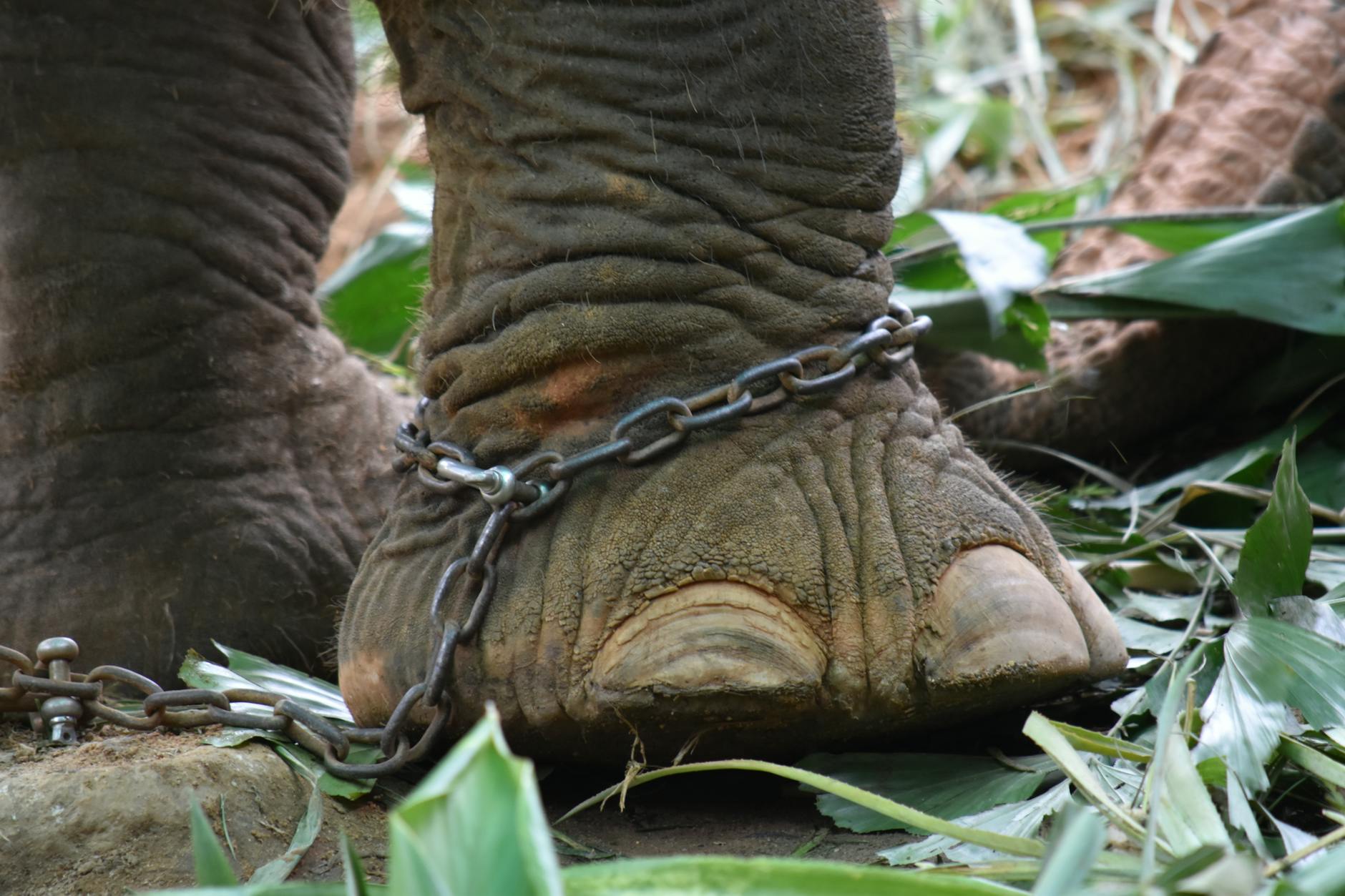
Every year, over 100 individuals face convictions for animal cruelty crimes, a stark reminder of the ongoing struggle to protect vulnerable creatures from human cruelty. These cases span a wide spectrum of abuses, from neglect to outright violence, reflecting a global issue that transcends borders.
Animal cruelty crime encompasses any intentional act or omission that causes unnecessary pain, suffering, or death to an animal. This can range from physical abuse and neglect to more subtle forms of harm, such as abandonment or failure to provide adequate care. Understanding what constitutes animal cruelty crime is crucial for several reasons. It raises awareness about the legal protections in place for animals and underscores the importance of reporting suspected cases. Moreover, recognizing animal cruelty crime helps communities foster a culture of compassion and respect for all living beings.
Understanding Animal Cruelty Definitions

Animal cruelty encompasses a wide range of harmful behaviors directed at animals. Generally, it refers to intentional or negligent acts that cause unnecessary suffering, harm, or death to animals. This can include physical abuse, neglect, abandonment, or even psychological torment. According to the American Society for the Prevention of Cruelty to Animals (ASPCA), animal cruelty can be categorized into two main types: passive and active. Passive cruelty involves cases of neglect, where an animal's basic needs are not met, while active cruelty involves direct harm inflicted upon an animal.
Legal definitions of animal cruelty vary significantly across jurisdictions. Some countries have comprehensive laws that cover a broad spectrum of abusive behaviors, while others have more limited protections. For instance, certain nations may only criminalize overt acts of violence, leaving out cases of neglect. This inconsistency can lead to challenges in prosecuting animal cruelty cases, as definitions may not align with the severity of the offense.
Experts argue that understanding animal cruelty requires recognizing the intent behind the actions. Not all harmful acts are malicious; some may result from ignorance or lack of resources. However, when intentional harm is proven, the legal consequences can be severe. Penalties range from fines and community service to imprisonment, depending on the jurisdiction and the severity of the offense. Education and awareness campaigns play a crucial role in preventing animal cruelty by promoting responsible pet ownership and humane treatment of animals.
Animal cruelty laws are not just about protecting animals; they also reflect societal values and the ethical treatment of all living beings. As awareness grows, more countries are strengthening their legal frameworks to address this issue comprehensively. This evolution in legislation underscores the growing recognition of animals' rights and the moral responsibility humans have towards them.
Legal Boundaries of Animal Abuse

Animal cruelty laws define the legal boundaries of what constitutes a crime against animals. Generally, these laws prohibit acts that cause unnecessary suffering, harm, or death to animals. The specifics, however, vary significantly across jurisdictions. In many countries, intentional acts of cruelty, such as beating, burning, or starving animals, are clearly criminalized. However, the interpretation of "necessary" suffering can differ, creating gray areas in the law.
Neglect often falls under animal cruelty laws. Failing to provide adequate food, water, shelter, or veterinary care can result in charges. For instance, leaving a pet chained outside in extreme weather without proper protection may be considered criminal neglect. The legal threshold for what constitutes neglect, though, can depend on local regulations and judicial interpretation.
According to a report by the Humane Society, over 100 convictions for animal cruelty occur annually in the United States alone. This statistic underscores the prevalence of such cases and the active enforcement of animal welfare laws. Legal experts emphasize the importance of clear, consistent legislation to protect animals and hold perpetrators accountable. The varying definitions and penalties across countries highlight the need for international standards to address animal cruelty comprehensively.
Some jurisdictions also address animal fighting, such as dogfighting or cockfighting, as severe forms of cruelty. These activities are often punishable by heavy fines and imprisonment. The legal framework aims to deter such practices and promote humane treatment of animals. The evolving nature of animal cruelty laws reflects society's growing recognition of animals' rights and the moral responsibility to protect them from harm.
Reporting and Prosecuting Cruelty Cases

Animal cruelty crimes encompass a wide range of harmful actions inflicted upon animals, from neglect to outright violence. These acts are not just morally reprehensible but also legally punishable in many jurisdictions. The most common forms include physical abuse, such as beating or kicking animals, and neglect, which involves failing to provide adequate food, water, shelter, or veterinary care. Other examples include animal fighting, abandonment, and even sexual abuse.
Legal definitions of animal cruelty vary significantly across countries. Some nations have comprehensive laws that cover all aspects of animal welfare, while others have more limited protections. For instance, certain countries criminalize only the most egregious forms of cruelty, leaving lesser offenses unaddressed. This inconsistency can lead to disparities in how cases are handled and prosecuted.
A study by a prominent animal rights organization revealed that over 100 convictions for animal cruelty occur annually in many developed nations. These convictions often result in fines, probation, or even imprisonment, depending on the severity of the crime. The legal system plays a crucial role in deterring potential offenders and ensuring that justice is served for victims.
Prosecuting animal cruelty cases can be challenging due to the need for substantial evidence. Witness testimonies, veterinary reports, and photographic evidence are often crucial in building a strong case. Law enforcement agencies and animal welfare organizations work together to gather this evidence and bring perpetrators to justice. The collaboration between these entities is vital for the effective enforcement of animal cruelty laws.
Global Variations in Animal Protection Laws

Animal cruelty laws exhibit significant global variations, reflecting diverse cultural attitudes and legal priorities. In some countries, these laws form a robust framework with severe penalties. For instance, in the UK, individuals convicted of animal cruelty can face up to five years in prison. Conversely, other nations may have minimal legal protections for animals, with penalties amounting to mere fines.
In the United States, animal cruelty laws are primarily governed at the state level. California, known for its stringent animal protection laws, classifies animal cruelty as a felony. The state reports over 1,000 animal cruelty cases annually, underscoring the prevalence of such crimes. Meanwhile, in countries like China, animal welfare laws are less developed, with enforcement often lacking.
According to a report by the World Society for the Protection of Animals, over 100 countries have specific laws addressing animal cruelty. However, the severity of penalties and the scope of protection vary widely. For example, in Switzerland, animal cruelty is taken seriously, with offenders facing up to three years in prison. In contrast, in some African countries, animal welfare laws are either non-existent or poorly enforced.
These global variations highlight the need for international cooperation and standardized animal protection laws. Experts argue that stronger global frameworks could help reduce animal cruelty and improve enforcement. Until then, the disparity in laws continues to impact how animals are treated worldwide.
Advocating for Stronger Animal Cruelty Legislation

Animal cruelty crimes encompass a wide range of actions that cause harm, suffering, or death to animals. These acts include physical abuse, neglect, abandonment, and even sexual abuse. In many jurisdictions, such crimes also extend to animal fighting, animal hoarding, and bestiality. The severity of these offenses varies, with some countries imposing strict penalties, while others have more lenient laws.
Advocacy groups and lawmakers worldwide are pushing for stronger legislation to combat animal cruelty. They argue that harsher penalties act as a deterrent and reflect society's growing recognition of animals' sentience and rights. A study by a prominent animal welfare organization found that countries with stricter animal cruelty laws see a 30% reduction in reported cases of abuse.
Legal experts emphasize that effective animal cruelty laws require clear definitions of offenses and proportionate penalties. They also highlight the importance of training law enforcement and judicial systems to handle these cases sensitively and effectively. This approach ensures that perpetrators are held accountable and victims receive justice.
Public awareness campaigns play a crucial role in advocating for stronger animal cruelty laws. By educating communities about the signs of abuse and the legal protections available, these initiatives empower individuals to report crimes and support legislative changes. The collective effort of advocates, lawmakers, and the public is essential in creating a safer world for animals.
Animal cruelty is a serious crime that encompasses intentional harm, neglect, or abandonment of animals, with penalties varying significantly across countries. It's a global issue that demands attention and action. To make a difference, individuals can support animal welfare organizations, advocate for stronger laws, and report suspected cases of cruelty. As awareness grows and legal systems evolve, there's hope for a future where all animals are protected from harm and treated with the compassion they deserve.
Need this answered for your specific case?
Get a flat-fee consultation with a verified U.S. immigration attorney. Engagement letter on every paid consult.
Related guides
This guide provides general legal information and does not create an attorney–client relationship. Information accurate as of July 2026. Always verify current USCIS guidance before acting.