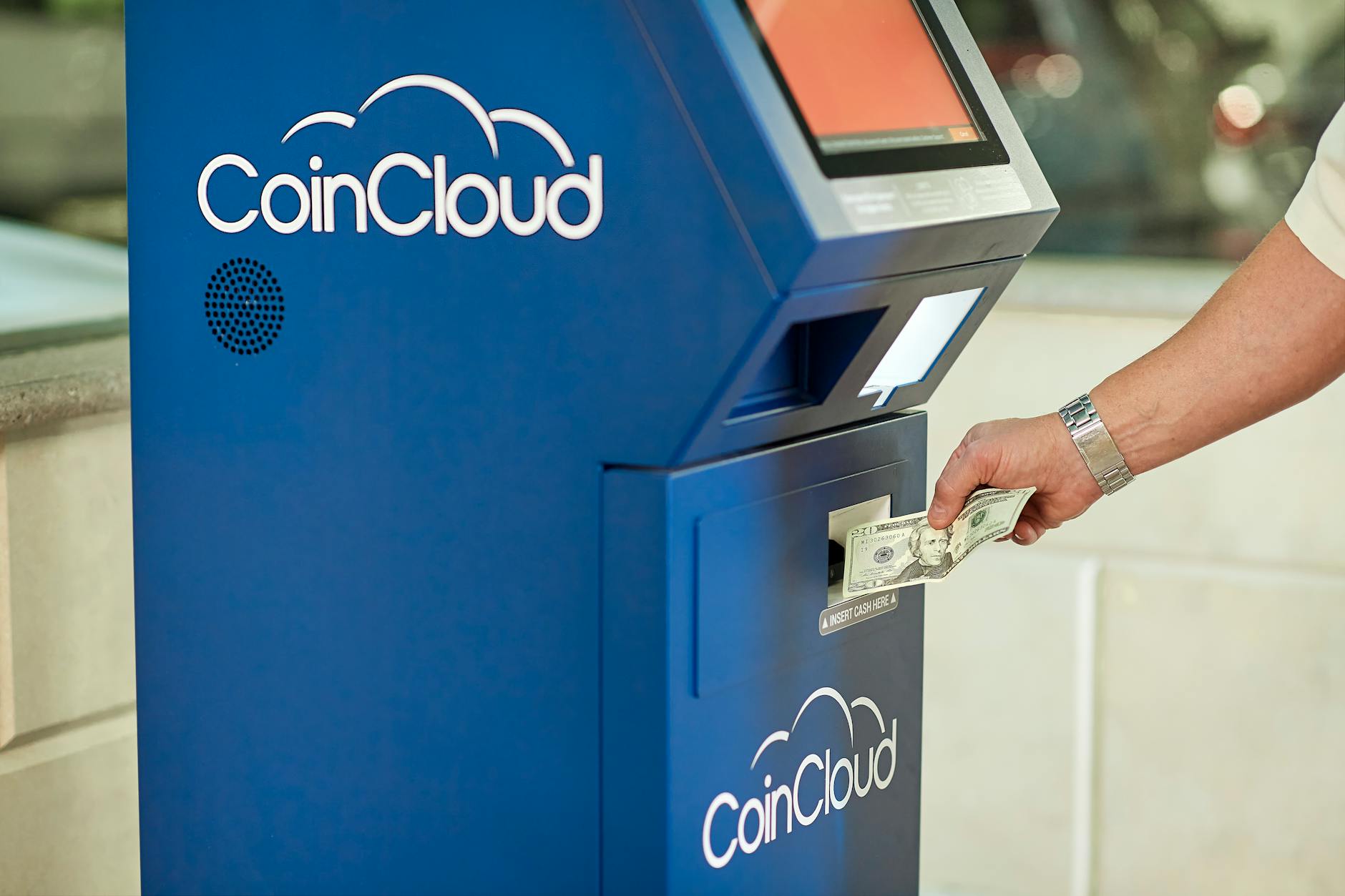
Every year, criminals siphon off an estimated $1 billion through a deceptive practice known as ATM skimming. This digital-age crime has evolved into a global epidemic, targeting unsuspecting bank customers at an alarming rate. With technological advancements, skimming has become more sophisticated, making it a persistent threat to financial security.
ATM skimming is a fraudulent activity where criminals install hidden devices on ATMs to capture card information and record PINs. This stolen data enables fraudsters to create counterfeit cards and drain victims' accounts. The crime impacts millions, from everyday consumers to large financial institutions. Understanding what is ATM skimming crime is the first step in protecting oneself from this growing menace.
The Rise of ATM Skimming

ATM skimming has emerged as a sophisticated and lucrative form of financial crime, costing consumers and banks billions annually. Criminals employ advanced technology to steal card information and PINs, often without the cardholder's immediate knowledge. This crime involves placing skimming devices on ATMs to capture magnetic stripe data and hidden cameras to record PIN entries.
Law enforcement agencies report a surge in skimming incidents, with criminals targeting ATMs in high-traffic areas. The Federal Bureau of Investigation (FBI) estimates that skimming accounts for a significant portion of identity theft cases. Criminals use the stolen data to create counterfeit cards, draining victims' accounts within hours.
Skimming devices have evolved, becoming smaller and harder to detect. Some criminals even use Bluetooth technology to wirelessly transmit stolen data. Banks and financial institutions are investing in advanced security measures, but criminals continually adapt their tactics. The rise of skimming highlights the ongoing battle between fraudsters and those working to protect consumers' financial information.
How Skimmers Capture Your Data

ATM skimming operates through a deceptively simple yet highly effective method. Criminals attach small, nearly undetectable devices to the card slot or PIN pad of ATMs. These devices, known as skimmers, capture the magnetic stripe data from cards as users insert them. Meanwhile, tiny pin-hole cameras or fake keypads record PIN entries. The stolen data is then used to create counterfeit cards, draining victims' accounts.
Skimmers come in various forms, from basic overlays to sophisticated insert skimmers. Some even use Bluetooth technology to wirelessly transmit stolen data to nearby criminals. Law enforcement agencies report a surge in these advanced skimming techniques, making detection increasingly challenging. The FBI estimates that skimming costs U.S. consumers and banks hundreds of millions annually.
Criminals often target ATMs in high-traffic locations, such as convenience stores or gas stations. These machines are less likely to be monitored closely, providing thieves with ample opportunity to install and retrieve skimming devices. Security experts advise regular inspections of ATMs to identify and remove skimmers promptly. Vigilance from both financial institutions and consumers is crucial in combating this growing threat.
Common Locations for Skimming Devices

ATMs remain prime targets for skimmers due to their widespread use and accessibility. Criminals often target standalone ATMs in convenience stores, gas stations, and shopping centers, as these locations typically have lower security than bank branches. The Federal Trade Commission reports that skimming at these sites accounts for nearly 40% of all reported cases.
Bank branches also see skimming activity, particularly at drive-thru ATMs. Thieves exploit the quick nature of these transactions, quickly installing skimmers that blend with the machine's design. Security experts emphasize that drive-thru ATMs require frequent inspections due to this vulnerability.
Public spaces like airports and tourist areas attract skimmers because of high foot traffic. Travelers, focused on convenience, may overlook subtle signs of tampering. A single compromised ATM in a busy location can yield thousands of stolen card details before detection.
Less common but still concerning are skimming incidents at private businesses. Some criminals target ATMs in bars, restaurants, or hotels, where security measures may be lax. These locations often lack the surveillance and regular maintenance of bank-owned machines, making them easier targets.
Protecting Yourself from Skimmers

ATM skimming is a growing concern, with criminals stealing an estimated $1 billion annually through this method. To protect oneself, awareness is the first line of defense. Users should inspect the ATM for any unusual attachments or modifications before inserting their card. Skimmers often place small devices over the card slot to capture card information. If something looks out of place, it's best to use a different ATM.
Another critical step is to cover the keypad when entering a PIN. Skimmers often use tiny cameras or keypad overlays to record PINs. Shielding the keypad with one hand while entering the PIN with the other can prevent this. Additionally, users should be cautious of anyone loitering around the ATM. Criminals may use distraction techniques to steal information or PINs.
Regularly monitoring bank accounts for any unauthorized transactions is essential. Early detection can minimize financial loss. According to a financial security expert, most victims only realize they've been skimmed after noticing unusual activity on their accounts. Immediate reporting to the bank can help freeze the card and prevent further fraud.
Using ATMs located inside banks or well-lit, high-traffic areas can reduce the risk of skimming. These locations are less likely to have skimming devices due to increased surveillance. Always trust instincts; if an ATM feels unsafe, it's better to find an alternative. Vigilance and caution are key to protecting oneself from ATM skimming.
The Future of ATM Security

As ATM skimming continues to evolve, so too must the security measures designed to combat it. Financial institutions are increasingly turning to advanced technologies like biometric authentication and AI-driven fraud detection to stay ahead of criminals. These innovations aim to create multiple layers of security, making it significantly harder for thieves to exploit vulnerabilities. The integration of real-time monitoring systems also allows for quicker detection and response to suspicious activities.
Industry experts emphasize the importance of collaboration between banks, law enforcement, and tech companies. By sharing data and insights, stakeholders can develop more effective strategies to tackle skimming. This collective approach not only enhances security but also builds trust among consumers, who are increasingly concerned about the safety of their financial transactions.
Looking ahead, the future of ATM security will likely involve even more sophisticated solutions. The rise of contactless payments and mobile banking apps is already reducing reliance on physical ATMs, which could diminish opportunities for skimming. However, criminals are quick to adapt, so vigilance and continuous innovation remain key. According to recent reports, investments in ATM security technologies are expected to grow by 15% annually over the next five years, reflecting the industry's commitment to staying ahead of evolving threats.
Despite these advancements, human factors remain a critical component. Educating consumers about the risks and signs of skimming can significantly reduce successful attacks. Simple measures, such as covering the keypad while entering a PIN or inspecting the ATM for unusual attachments, can make a substantial difference. As technology advances, so too must the awareness and preparedness of the public.
ATM skimming is a sophisticated crime that costs the industry and consumers over $1 billion annually, involving the theft of card data and PINs to create counterfeit cards. Criminals employ devices like skimmers and tiny cameras to capture this information, often targeting ATMs, gas pumps, and point-of-sale systems. The impact is far-reaching, affecting both financial institutions and unsuspecting cardholders who may face unauthorized transactions and fraudulent charges.
To protect yourself, always inspect ATMs for suspicious devices before use, cover the keypad when entering your PIN, and monitor your bank statements regularly for any unusual activity. As technology evolves, so do the tactics of criminals, making vigilance and awareness essential in the ongoing battle against ATM skimming.
Need this answered for your specific case?
Get a flat-fee consultation with a verified U.S. immigration attorney. Engagement letter on every paid consult.
Related guides
This guide provides general legal information and does not create an attorney–client relationship. Information accurate as of July 2026. Always verify current USCIS guidance before acting.