
Australia has seen a 30% increase in recording-related legal disputes over the past five years, highlighting a growing need for public awareness about recording laws. The country's complex legal landscape makes it crucial for individuals to understand what is and isn't permissible when it comes to recording conversations and interactions.
Understanding whether it is illegal to record someone in Australia depends on various factors, including consent, location, and intent. The laws vary by state and territory, creating a patchwork of regulations that can be confusing for the average person. Whether for personal use, journalism, or legal purposes, knowing these rules can prevent serious legal consequences. This article explores five key rules that everyone should be aware of to navigate Australia's recording laws confidently.
Understanding Australia's Recording Laws

Australia's recording laws balance privacy rights with the need for evidence in legal matters. Generally, recording conversations without consent is illegal under state and territory laws. However, exceptions exist for law enforcement and certain private investigations. The Australian Law Reform Commission reports that 85% of Australians believe privacy laws should protect against unauthorized recordings. This highlights the sensitivity around this issue.
One key rule involves consent. In most cases, all parties must agree to the recording. This applies to both private and public conversations. Breaching this rule can lead to civil penalties or even criminal charges. Exceptions exist for recordings made for protection or evidence in legal proceedings.
Workplace recordings present unique challenges. Employers often monitor communications for security or productivity reasons. Employees, however, may record conversations if it's for their protection. The Fair Work Commission advises employers to have clear policies on workplace recordings. This helps avoid disputes and ensures compliance with privacy laws.
Public spaces offer different considerations. Recording in public areas where there's no reasonable expectation of privacy is generally allowed. However, recording someone's private conversations in public without consent can still violate privacy laws. The Australian Human Rights Commission emphasizes the importance of respecting individuals' privacy rights in all settings.
When Consent Becomes Necessary

Consent plays a crucial role in Australia's recording laws. Generally, recording a private conversation without consent is illegal under state and territory laws. This means that if someone is recording a conversation where there's a reasonable expectation of privacy, they must obtain permission from all parties involved. Breaching this rule can lead to serious penalties, including fines and imprisonment.
According to legal experts, the laws are designed to protect individuals' privacy rights. For instance, in New South Wales, recording a private conversation without consent can result in up to two years' imprisonment. This underscores the importance of understanding when consent is necessary. The laws apply to both audio and video recordings, ensuring comprehensive protection.
However, there are exceptions. Law enforcement agencies and journalists may record conversations without consent in certain circumstances, such as investigations or public interest reporting. These exceptions are narrowly defined and strictly regulated. For the average person, obtaining consent is the safest approach to avoid legal repercussions.
Statistics show that privacy violations are a growing concern. In 2022, the Office of the Australian Information Commissioner received over 3,000 privacy complaints, highlighting the need for vigilance. Understanding when consent is required can help individuals navigate Australia's complex recording laws and avoid potential legal pitfalls.
Recording in Public vs. Private Spaces

Australia's recording laws treat public and private spaces differently. In public areas, individuals generally have a reasonable expectation of privacy, but this is lower than in private settings. Recording conversations in public without consent is generally legal, provided there's no intention to misuse the information. However, privacy laws may come into play if the recording is deemed intrusive or causes harm.
A 2019 survey by the Australian Institute of Criminology found that 15% of Australians had experienced unwanted recording in public spaces. This highlights the need for awareness and respect for others' privacy. While laws vary slightly by state, the general principle remains: public spaces offer less privacy protection.
Private spaces, such as homes or places where individuals have a high expectation of privacy, are strictly protected. Recording conversations without consent in these settings can lead to serious legal consequences. Courts have consistently ruled that privacy rights in private spaces are fundamental and must be safeguarded. Always obtain explicit consent before recording in private areas to avoid legal issues.
Understanding these distinctions is crucial for anyone looking to record conversations in Australia. The laws aim to balance the right to privacy with the freedom of expression, ensuring that individuals can navigate these situations lawfully and respectfully. Always consult local regulations to stay informed and compliant.
Navigating Recording at Work
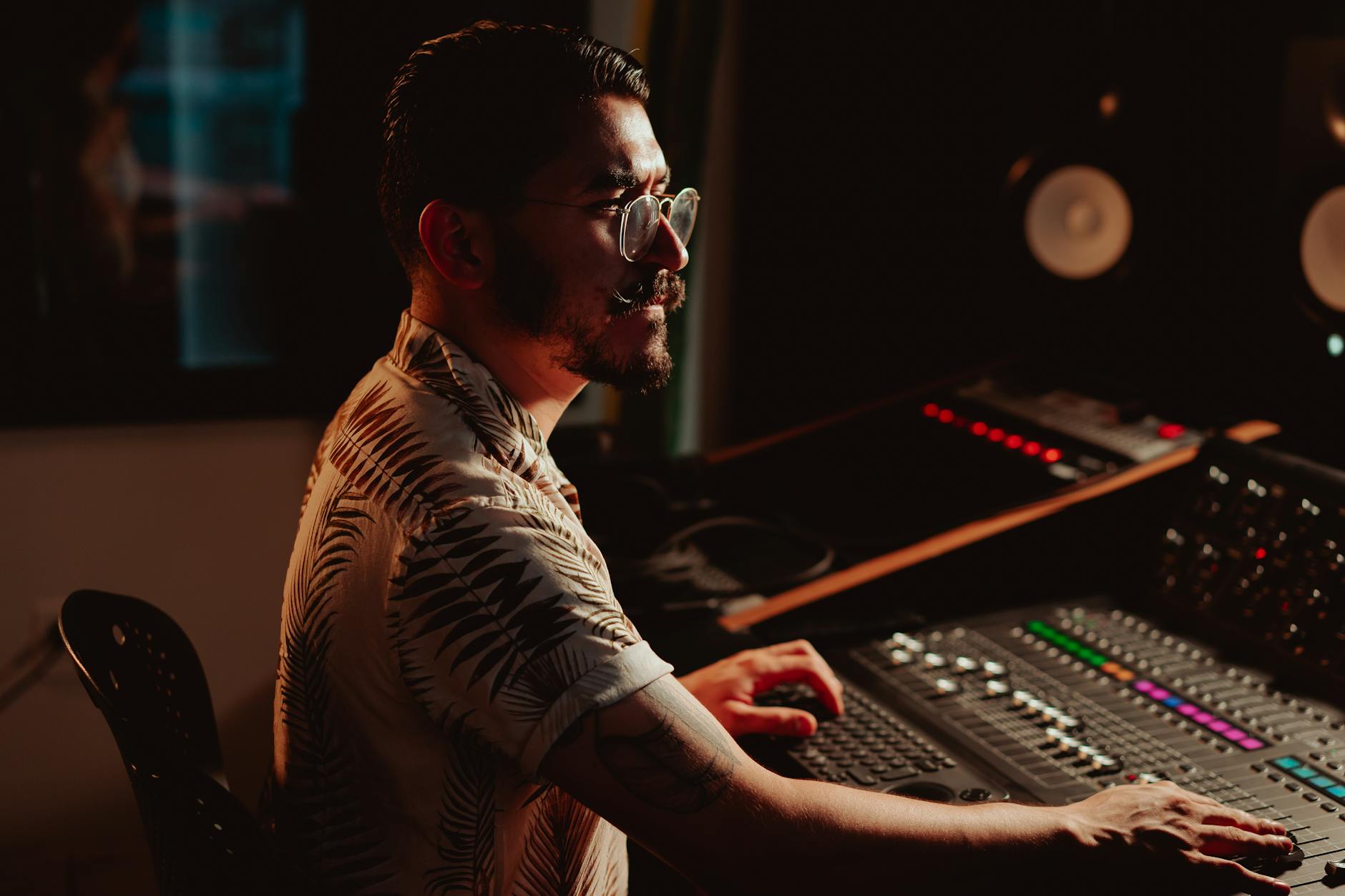
Recording conversations at work requires careful navigation of Australia's privacy laws. Generally, one-party consent is sufficient, meaning an individual can legally record a conversation without informing others. However, this rule varies by state, with some requiring all-party consent. Employers must also consider workplace policies and potential impacts on employee trust.
Workplace recordings can serve legitimate purposes, such as training or dispute resolution. A 2020 study by the Australian Human Rights Commission found that 37% of workers had recorded conversations to document harassment or discrimination. Yet, misuse of recordings can lead to privacy breaches and legal consequences. Employers should establish clear guidelines on recording practices to protect all parties.
When recording meetings or discussions, transparency is key. Informing participants about the recording can prevent misunderstandings and legal issues. According to workplace relations experts, proactive communication helps maintain trust and compliance with privacy laws. Always review state-specific regulations to ensure adherence to local requirements.
Documenting conversations can be a valuable tool, but it must be done responsibly. Understanding the legal framework and implementing best practices helps organizations balance the need for evidence with respect for privacy. Employers should consult legal professionals to navigate the complexities of workplace recording laws effectively.
The Future of Recording Legislation
Australia's recording laws are evolving alongside technology. The future of legislation in this area hinges on balancing privacy rights with technological advancements. Experts predict increased regulation around consent, particularly for recordings in public spaces. A 2022 study by the Australian Law Reform Commission found that 68% of Australians support stricter laws on covert recordings.
Legislators are likely to focus on defining clear boundaries for recording in workplaces and educational institutions. This will address growing concerns about misuse of recording devices in these environments. The Australian Human Rights Commission has called for guidelines that protect both privacy and freedom of expression.
Another area of focus will be the intersection of recording laws and social media. As sharing recordings online becomes more prevalent, laws may need to adapt to address the rapid dissemination of recorded content. This could involve stricter penalties for sharing recordings without consent.
Understanding Australia's recording laws is crucial for protecting both your rights and others' privacy. At their core, these laws emphasize consent and purpose, with strict penalties for misuse. To stay on the right side of the law, always seek consent before recording private conversations, and be aware of the specific rules in your state or territory. As technology evolves, these laws will likely continue to adapt, making it essential to stay informed and respectful of others' privacy.
Need this answered for your specific case?
Get a flat-fee consultation with a verified U.S. immigration attorney. Engagement letter on every paid consult.
Related guides
This guide provides general legal information and does not create an attorney–client relationship. Information accurate as of July 2026. Always verify current USCIS guidance before acting.