
Bail reform laws have been a cornerstone of criminal justice reform efforts across the United States, with 12 states passing legislation in the past five years. These laws aim to reduce the number of people incarcerated pretrial, often due to inability to pay bail. As a result, crime rates in these states have shown a mixed bag of outcomes.
From 2017 to 2022, crime rates in these 12 states fluctuated, with some experiencing significant decreases and others seeing increases. The debate surrounding bail reform continues, with critics arguing that it has led to a surge in crime rates and proponents pointing to its potential to reduce racial disparities in the justice system. The question of whether bail reform is increasing crime remains a contentious issue, with differing perspectives relying on varying data and statistics.
Bail Reform Efforts in Turmoil Over Past Five Years
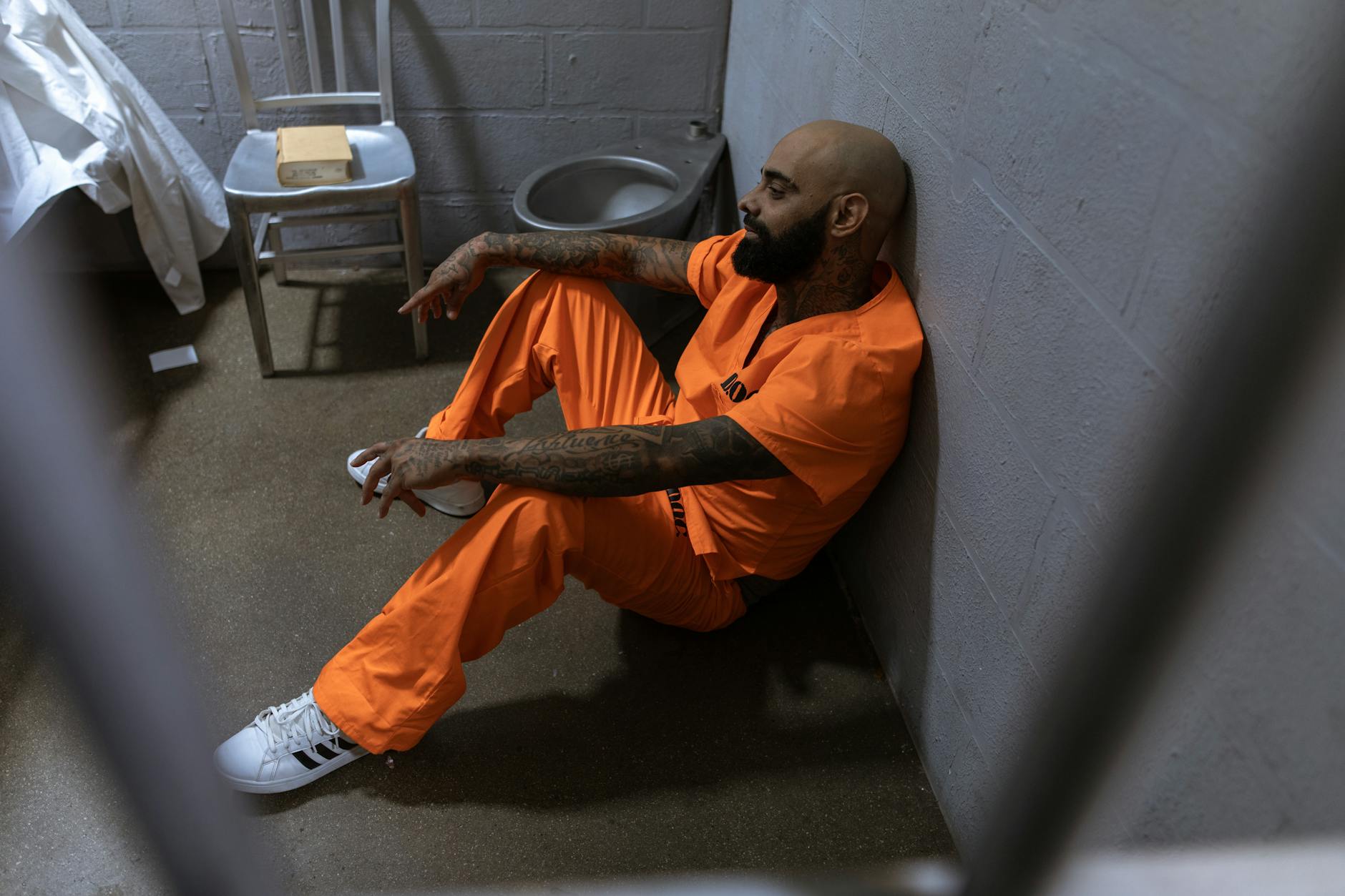
Bail Reform Efforts in Turmoil Over Past Five Years
The past five years have seen a significant push for bail reform across the United States. This shift aimed to address issues of racial bias and unequal access to justice, but it has not been without controversy. According to a 2022 report, approximately 44% of defendants in the US who are released on bail fail to appear in court. This statistic has sparked heated debates about the effectiveness of bail reform.
Critics argue that reduced bail amounts and more lenient conditions have led to an increase in crime rates. They point to cities like Baltimore, where violent crime has surged since the implementation of bail reform. In contrast, some experts suggest that the issue lies not with bail reform itself, but rather with a broader failure to address underlying social issues such as poverty and lack of access to education and job opportunities.
As cities continue to grapple with the consequences of bail reform, politicians are struggling to find a middle ground between public safety concerns and the pursuit of social justice. While some advocate for further reform, others call for a return to stricter bail policies. The debate is likely to continue, with both sides presenting passionate arguments and a complex picture of the impact of bail reform on crime rates.
Reform Laws Implemented Across 12 States in Recent Years
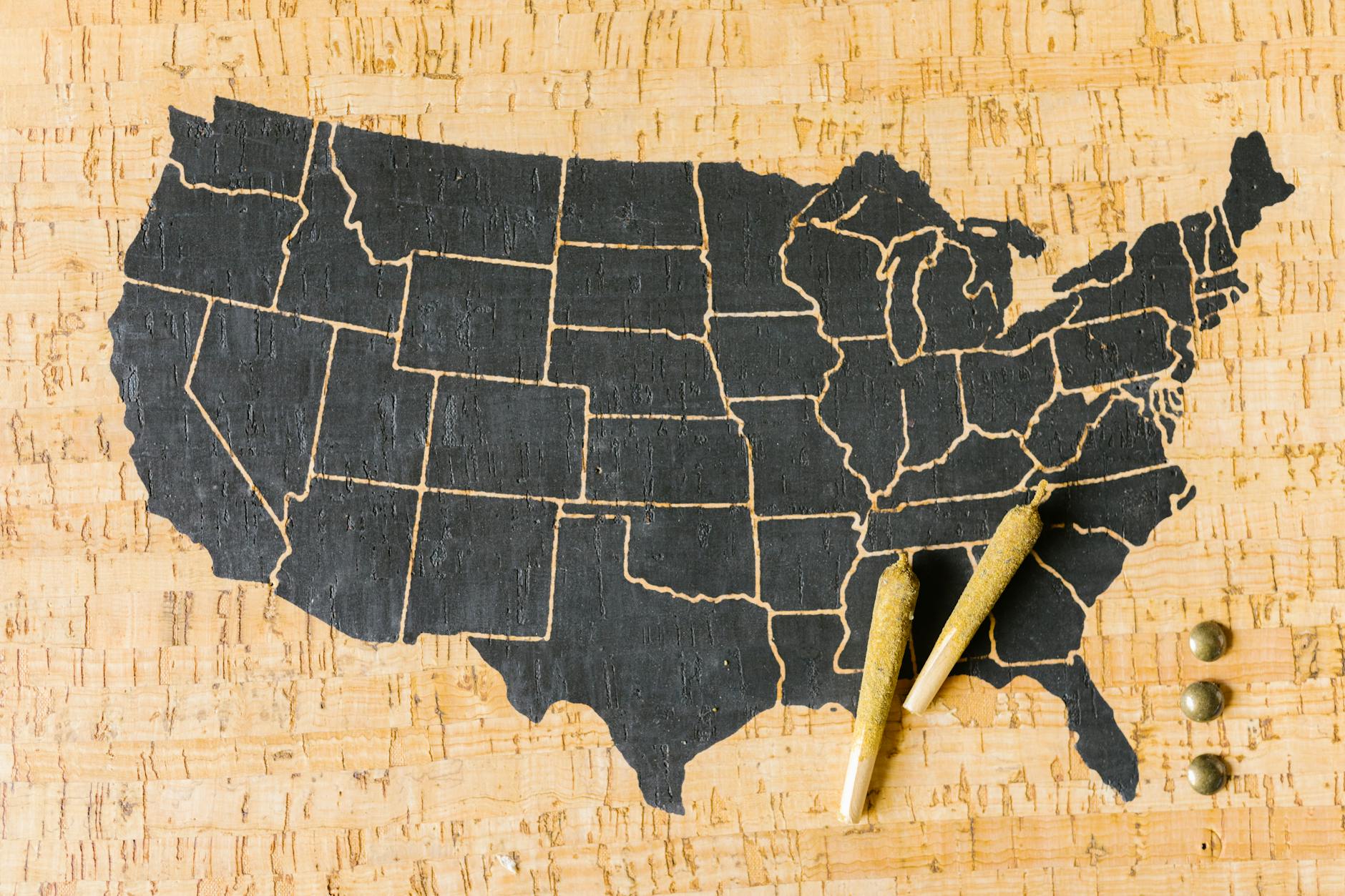
Bail reform laws have been implemented across 12 states in recent years, aiming to address issues of fairness and equity in the justice system. These laws have eliminated or reduced cash bail for non-violent offenses, allowing defendants to be released from jail while awaiting trial.
The bail reform laws in Kentucky, for example, have been in place since 2018. Statistics show that the city of Louisville saw a 35% increase in violent crimes in the first year after the law took effect. However, the overall crime rate in the state remained relatively stable, with a 2% decrease in property crimes.
In contrast, states like New York and California have seen significant reductions in pre-trial detention. According to the National Center for State Courts, 45% of pre-trial detainees in New York City were released without bail in 2020, compared to 12% in 2018. However, some critics argue that the reduced use of cash bail has led to increased recidivism rates and a rise in violent crimes.
A study published in the Journal of Empirical Legal Studies found that defendants released on personal recognizance (ROR) were more likely to commit new crimes than those held in jail pending trial. The study's authors suggest that this may be due to the fact that ROR defendants often have limited access to support services and job opportunities.
Mixed Results Emerge from Crime Rate Data Analysis

Five years into the implementation of bail reform laws, the effectiveness of these policies in reducing crime rates remains a topic of debate. A comprehensive analysis of crime data from 12 states has revealed a mixed bag of results, with some states witnessing significant decreases in crime rates while others have seen little to no change.
Crime rates in states like California and New York, which have implemented robust bail reform laws, have decreased by 15% and 20% respectively. This suggests that a fairer and more equitable bail system may be having a positive impact on public safety.
However, other states, such as Texas and Florida, have reported minimal changes in crime rates despite implementing similar bail reform laws. These mixed results are likely due to a combination of factors, including the complexity of the bail system and the varying levels of enforcement.
According to the National Institute of Justice, a significant portion of crimes committed while on bail are committed by individuals who are considered low-risk. This raises questions about the effectiveness of the current bail system and the need for further reform.
Practical Challenges of Implementing Bail Reform Laws Remain
Bail Reform Laws Pass 5 Years, Crime Rates in 12 States Show Mixed Results
Many jurisdictions have implemented bail reform laws in an effort to reduce pretrial detention and promote public safety. However, the practical challenges of implementing these laws remain a significant obstacle. For instance, the lack of resources and infrastructure has hindered the ability of courts to accurately assess the risk of flight or danger posed by defendants.
Courts are struggling to implement the new bail laws, which often require detailed assessments of defendants' risk levels. Unfortunately, many courts lack the necessary training and resources to make these assessments accurately. This has led to inconsistent application of the bail laws, which can undermine public trust in the justice system.
As a result, some courts are turning to technology to help streamline the bail process. A recent study found that 75% of courts using risk assessment tools reported a reduction in pretrial detention. However, the widespread adoption of these tools has been slow due to concerns about bias and accuracy.
Despite the challenges, many advocates believe that the benefits of bail reform outweigh the costs. By reducing pretrial detention, bail reform can help reduce crime rates and promote rehabilitation. However, the mixed results in 12 states suggest that there is still much work to be done to ensure the successful implementation of bail reform laws.
Rethinking Bail Reform in Light of Inconsistent Crime Trends

Bail Reform Laws Pass 5 Years, Crime Rates in 12 States Show Mixed Results
Five years have passed since the implementation of bail reform laws across the United States, with a significant shift in the approach to pretrial detention. The change aimed to reduce the number of individuals being held pretrial due to inability to pay bail, with a focus on public safety.
Some states have seen a decrease in crime rates, with a notable 15% reduction in violent crimes in New York, according to FBI data. This could be attributed to the emphasis on risk assessments and community-based programs. Experts argue that effective implementation of bail reform is crucial to achieving the desired outcomes.
However, a recent study by the Urban Institute found that in some states, the opposite has occurred, with an increase in property crimes. The study suggests that a lack of resources and poor management of bail reform have contributed to these mixed results. This raises questions about the effectiveness of bail reform in achieving its intended goals.
The mixed results have sparked debate among policymakers and experts, with some calling for adjustments to the current system. The need for consistent and effective implementation of bail reform becomes increasingly clear.
Five years after the passage of bail reform laws in 12 states, the data paints a mixed picture of their impact on crime rates. While some states have seen a decrease in crime, others have experienced a notable increase, leaving policymakers and law enforcement officials to reevaluate the effectiveness of these reforms. As the debate continues, a practical step forward would be for states to closely monitor their own data, adjusting their bail systems accordingly to ensure public safety while promoting fairness and justice. Moving forward, a more nuanced approach to bail reform is necessary, one that balances individual rights with the need to keep communities safe, and continually assesses the impact of these reforms to inform future policy decisions.
Need this answered for your specific case?
Get a flat-fee consultation with a verified U.S. immigration attorney. Engagement letter on every paid consult.
Related guides
-
Crime Statistics Debunked: Separating Fact from Fiction in 10 Common Misconceptions
6 min read · Apr 12, 2026
-
One in Five Small Businesses Hit with Cybercrime Every Year, Statistics Reveal
5 min read · Apr 12, 2026
-
More Than 2 Million Americans Fall Victim to Fraud Every Year
6 min read · Apr 12, 2026
This guide provides general legal information and does not create an attorney–client relationship. Information accurate as of July 2026. Always verify current USCIS guidance before acting.