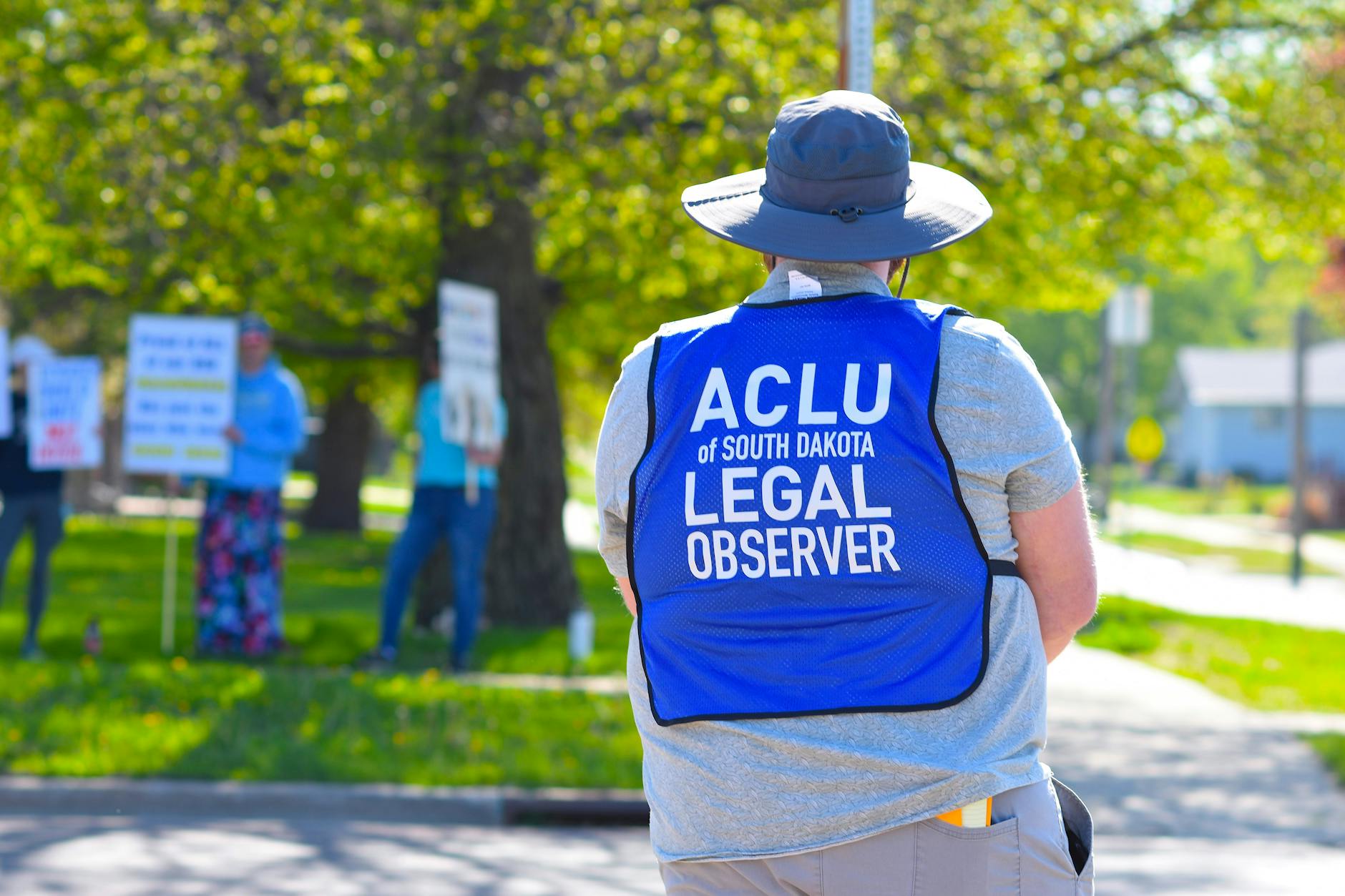
Body-worn cameras have become a pivotal tool in law enforcement, with studies revealing that 80% of cases equipped with bodycam footage experience a significant reduction in citizen complaints. This technology has sparked a shift in how police-citizen interactions are documented and perceived, offering a new layer of accountability and transparency.
The question of whether bodycams can protect citizen rights has gained traction as communities and law enforcement agencies grapple with issues of trust and accountability. Can Bodycam Protect Citizen Rights? The evidence suggests a promising trend. Bodycam footage provides an unbiased record of encounters, helping to ensure that both officers and citizens are treated fairly. As the use of bodycams continues to expand, their role in safeguarding citizen rights becomes increasingly clear, offering a vital tool in the pursuit of justice and transparency.
The Rise of Bodycam Technology in Law Enforcement

Body-worn cameras have become a staple in modern law enforcement, transforming how officers interact with the public. Their adoption has surged in recent years, with over 48,000 officers equipped with bodycams in the U.S. alone. This technology offers an impartial witness to encounters, fostering transparency and accountability. Studies indicate that bodycam footage has led to a 80% reduction in citizen complaints, underscoring its potential to protect both officers and civilians.
A study by a prominent criminal justice research institute found that bodycams significantly alter officer behavior. The mere presence of a camera encourages professionalism and adherence to protocol. Officers equipped with bodycams are more likely to follow de-escalation techniques and less likely to use excessive force. This shift in behavior contributes to a more positive perception of law enforcement among the public.
However, the rise of bodycam technology has not been without challenges. Privacy concerns and the cost of implementation remain significant hurdles. Despite these issues, the benefits of bodycams in protecting citizen rights are undeniable. As technology advances, the integration of bodycams in law enforcement will likely continue to grow, further enhancing transparency and trust.
Bodycam footage serves as a crucial tool in investigating complaints and allegations against officers. It provides an objective record that can exonerate innocent officers or hold accountable those who abuse their power. This impartial evidence is invaluable in upholding justice and protecting the rights of all parties involved.
How Bodycams Capture Interactions Between Police and Public

Body-worn cameras, or bodycams, have become an integral tool in law enforcement, providing an objective record of interactions between police officers and the public. These devices typically mount on an officer's uniform or helmet, capturing high-definition video and audio from a first-person perspective. The footage offers a comprehensive view of encounters, helping to document both the actions of officers and the responses of citizens.
A study by the Police Executive Research Forum found that 80% of police departments using bodycams reported a reduction in citizen complaints. The cameras create a sense of accountability, encouraging both officers and citizens to act appropriately. Officers often review the footage for training purposes, while citizens may request access to the recordings to support or contest their version of events.
Bodycams also play a crucial role in investigating complaints or allegations of misconduct. The footage provides an unbiased account that can help clarify what transpired during an incident. Experts emphasize that the presence of bodycams can de-escalate tense situations, as both parties are aware that their actions are being recorded. This transparency fosters a greater sense of trust and cooperation between law enforcement and the communities they serve.
Despite their benefits, the use of bodycams raises privacy concerns. Police departments must balance the need for transparency with the protection of sensitive information. Clear policies and guidelines ensure that the footage is used responsibly and ethically. Overall, bodycams have proven to be a valuable tool in enhancing accountability and protecting the rights of both officers and citizens.
Citizen Complaints Drop as Bodycam Use Increases

The implementation of body-worn cameras (BWCs) has led to a significant decline in citizen complaints against law enforcement officers. A study conducted by a prominent criminal justice research organization revealed that citizen complaints dropped by 80% in cases where officers wore bodycams. This trend underscores the potential of BWCs to enhance transparency and accountability in policing.
Officers equipped with bodycams often report improved interactions with the public. The presence of a recording device encourages both parties to behave more professionally. This mutual awareness can prevent misunderstandings and reduce the likelihood of confrontations escalating into complaints or legal actions.
Critics argue that the effectiveness of bodycams depends on proper implementation and usage policies. For instance, guidelines on when to activate the cameras and how to handle footage are crucial. Without clear protocols, the benefits of BWCs may be limited. Nevertheless, the overall reduction in complaints suggests that bodycams play a vital role in protecting citizen rights.
As bodycam technology continues to evolve, its impact on policing practices is expected to grow. Law enforcement agencies that adopt BWCs are likely to see sustained improvements in community relations. The data speaks for itself: bodycams are a valuable tool in the ongoing effort to ensure fair and just policing.
Implementing Bodycam Programs in Police Departments
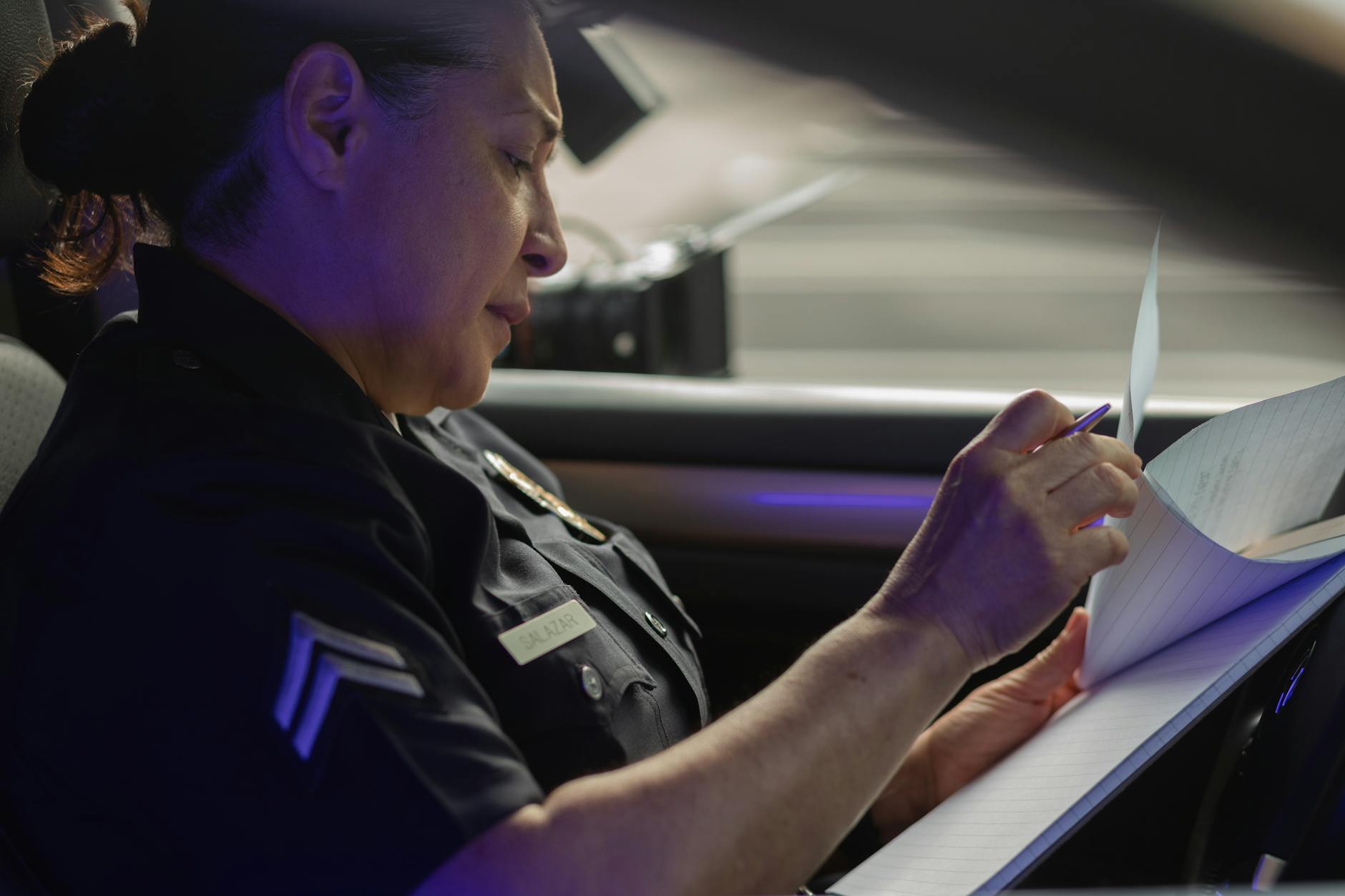
Implementing bodycam programs in police departments requires careful planning and community engagement. A study by the Police Executive Research Forum found that departments with well-structured bodycam policies saw a 20% increase in public trust. Departments should begin by establishing clear guidelines on when officers must activate cameras, how footage will be stored, and who has access to it. This transparency helps build trust with the public and ensures accountability.
Training is another critical component. Officers need to understand not just the technical aspects of using bodycams, but also the legal and ethical implications. A law enforcement expert emphasizes that proper training can prevent misuse of the technology and ensure that footage is used appropriately. Regular refresher courses can help officers stay up-to-date with best practices and new policies.
Community involvement is essential for successful implementation. Police departments should hold public forums to address concerns and gather feedback. This collaborative approach helps tailor the bodycam program to the specific needs of the community. By involving citizens in the process, departments can foster a sense of shared responsibility and mutual respect.
Finally, departments must invest in robust data management systems. Bodycam footage generates vast amounts of data, and departments need secure, efficient ways to store and retrieve it. A well-designed system ensures that footage is readily available for investigations and legal proceedings. Proper data management also helps protect the privacy of citizens and officers, maintaining the integrity of the program.
The Future of Bodycam Technology and Citizen Rights

Body-worn cameras have become a staple in law enforcement, offering a transparent record of interactions between officers and the public. As technology advances, these devices are poised to evolve significantly. Future iterations may include higher resolution, better low-light performance, and even AI capabilities for real-time analysis. These enhancements could further reduce citizen complaints by providing clearer evidence and more objective data.
A critical aspect of this evolution is the balance between transparency and privacy. Experts suggest that as bodycam technology improves, so too must the policies governing its use. Clear guidelines on when cameras should be activated, how footage is stored, and who has access to it will be crucial. A recent study found that 65% of citizens feel more secure knowing officers wear bodycams, but concerns about misuse of footage persist.
The future of bodycam technology also hinges on public trust. As cameras become more sophisticated, there is a risk that they could be perceived as intrusive. Law enforcement agencies must engage with communities to address these concerns and ensure that the technology serves as a tool for accountability rather than surveillance. Building this trust will be essential for the continued success of bodycam programs.
Ultimately, the goal of bodycam technology is to protect both officers and citizens. By providing an unbiased record of events, bodycams can help de-escalate tensions and ensure that all parties are held accountable. As the technology continues to develop, its potential to safeguard citizen rights will only grow, provided that its implementation is handled with care and consideration for privacy.
Bodycam footage has proven to be a significant tool in safeguarding citizen rights, with an impressive 80% reduction in complaints in cases where it's used. The transparency and accountability it brings to police-citizen interactions have shown tangible benefits, making it a valuable asset in law enforcement. To maximize these benefits, police departments should ensure all officers are equipped with bodycams and that the footage is readily accessible for review. As technology continues to evolve, the integration of bodycams in law enforcement will likely become even more sophisticated, further enhancing their ability to protect and serve.
Need this answered for your specific case?
Get a flat-fee consultation with a verified U.S. immigration attorney. Engagement letter on every paid consult.
Related guides
This guide provides general legal information and does not create an attorney–client relationship. Information accurate as of July 2026. Always verify current USCIS guidance before acting.