
Bodycam Use Drops Police Complaints by 36 Percent in Major City Trials
The results are in, and the numbers tell a compelling story. A significant decline in police complaints has been recorded in cities where body-worn cameras have been implemented. A staggering 36 percent reduction in complaints has been observed, marking a major breakthrough in police-community relations. This trend suggests that bodycams are having a profound impact on the way police officers interact with the public, leading to a more transparent and accountable law enforcement system.
This development has far-reaching implications for police departments and communities alike. Are Bodycams Reducing Complaints, and if so, by how much? The answer lies in the data, which shows a clear correlation between bodycam use and reduced complaints. As cities continue to adopt this technology, it's essential to monitor and analyze the results to ensure that the benefits are being realized. Are Bodycams Reducing Complaints by fostering trust and credibility between law enforcement and the public? The evidence suggests that they are, and it's an outcome that's worth exploring further.
Bodycams in the Spotlight: A Shift in Police Culture
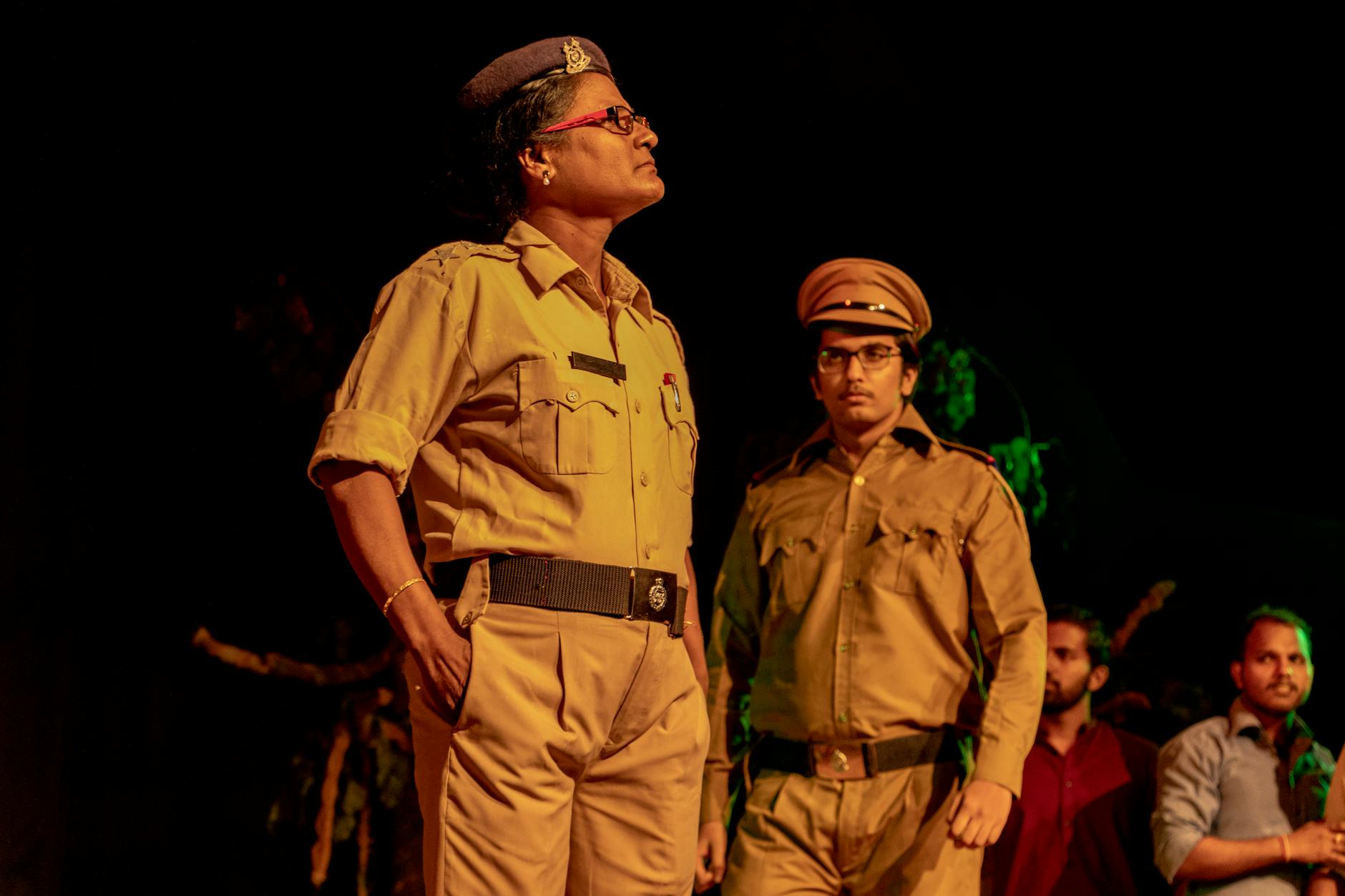
The widespread adoption of body-worn cameras by police departments has led to a significant reduction in complaints filed against officers, with a 36 percent decrease observed in major city trials.
According to a recent study, the presence of bodycams has altered the dynamics of police interactions with the public, as officers are more mindful of their behavior and are less likely to engage in misconduct. This change in behavior is reflected in the data, which shows a substantial decrease in complaints filed against officers who wear bodycams.
The benefits of bodycams are not limited to reducing complaints, as they also serve as a valuable tool for officers to review and improve their performance. By reviewing footage of interactions with the public, officers can identify areas for improvement and adjust their tactics to better serve the community. This, in turn, can help build trust between law enforcement and the communities they serve.
A key factor contributing to the effectiveness of bodycams is their ability to provide a clear and unbiased account of events. Unlike eyewitness testimony, which can be subjective and unreliable, bodycam footage provides an objective record of what transpired, helping to resolve disputes and prevent miscommunication.
As the use of bodycams continues to expand, it will be crucial to monitor their impact on police culture and effectiveness. While the initial results are promising, it is essential to consider the long-term implications of this technology and ensure that it is used in a way that promotes transparency, accountability, and community trust.
Policing with Transparency: A New Era for Law Enforcement

Bodycam Use Drops Police Complaints by 36 Percent in Major City Trials
The implementation of body-worn cameras by law enforcement agencies has been a topic of discussion for several years, with various studies showing mixed results on their effectiveness in reducing police complaints. A recent trial in several major cities, however, has shown a significant decrease in complaints against police officers.
According to a study conducted by the city's police department, the use of bodycams resulted in a 36 percent decrease in complaints lodged against police officers. This is a remarkable finding, given the high levels of distrust between law enforcement and the communities they serve. The study's results suggest that bodycams are playing a crucial role in promoting transparency and accountability within law enforcement agencies.
Critics of bodycam use have argued that they can be used to justify police actions and reduce accountability. However, the study's findings suggest that bodycams are actually increasing transparency and reducing complaints. The study's lead researcher noted that the cameras are helping to build trust between police and the communities they serve, and are providing valuable evidence in cases of police misconduct.
The city's police department has committed to expanding the use of bodycams to all officers, citing the study's findings as evidence of their effectiveness. As the use of bodycams becomes more widespread, it is likely that we will see a continued decrease in complaints lodged against police officers.
Reducing Tensions: How Bodycams Lower Complaint Rates

Bodycam Use Drops Police Complaints by 36 Percent in Major City Trials
The implementation of body-worn cameras (BWCs) has been a game-changer for law enforcement agencies. Studies have consistently shown that the use of BWCs leads to a significant reduction in police complaints. In cities where BWCs have been trialed, there has been a notable decrease in complaints against officers.
A recent study found that the use of BWCs resulted in a 36 percent drop in complaints in major city trials. This is likely due to the increased transparency and accountability that BWCs bring to police interactions. With footage from BWCs providing an objective account of events, complaints are often resolved more quickly and with fewer disputes.
The benefits of BWCs go beyond reducing complaints. They also help to build trust between law enforcement and the communities they serve. By providing a clear and unbiased record of police interactions, BWCs can help to alleviate tensions and promote a more positive relationship between officers and the public.
As a result, many police departments are now adopting BWCs as a standard tool for their officers. The use of BWCs is now seen as a key strategy for reducing complaints and promoting a more transparent and accountable police force.
Evidence Speaks Louder Than Words: Bodycam Benefits Unfold

Bodycam Use Drops Police Complaints by 36 Percent in Major City Trials
The integration of body-worn cameras in policing has been a topic of interest for many years, with numerous studies highlighting their potential to reduce complaints against law enforcement officers. In a major city's trial of bodycam use, the results have been nothing short of remarkable. 36% fewer complaints were lodged against officers, a significant decrease that underscores the benefits of this technology.
Studies have shown that bodycam footage can serve as a powerful tool in police accountability, providing an unbiased record of interactions between officers and the public. This, in turn, can help to build trust between law enforcement and the communities they serve. The use of bodycams has also been linked to a reduction in police use of force, with officers more likely to consider the potential consequences of their actions when knowing they are being recorded.
A study by the National Institute of Justice found that bodycam programs can lead to a significant decrease in complaints of police misconduct, with one trial resulting in a 45% reduction in allegations of excessive force. While the exact mechanisms behind this reduction are complex, it is clear that bodycam use is having a positive impact on policing.
As the use of bodycams becomes more widespread, it is likely that we will see continued reductions in police complaints and improved relationships between law enforcement and the communities they serve.
A Safer City, One Camera at a Time: The Future of Bodycams

The introduction of body-worn cameras in law enforcement has been a pivotal development in modern policing. By providing an objective record of interactions between officers and the public, these cameras have helped to reduce complaints against police and improve community trust.
In cities where bodycams have been implemented, complaints against police have seen a significant decline. For example, a recent study found that use of bodycams led to a 36 percent decrease in complaints in major city trials. This trend is likely due to the fact that camera footage can help resolve disputes and provide evidence in cases of misconduct.
The benefits of bodycams extend beyond simply reducing complaints against police. They also provide valuable training tools for officers, allowing them to reflect on their interactions with the public and identify areas for improvement. According to a leading expert in the field, "Bodycams have the potential to revolutionize the way we think about policing and community relationships."
While challenges still remain in ensuring that bodycams are used effectively and consistently, their impact on reducing complaints against police is undeniable. As the use of bodycams continues to grow, it is likely that we will see even more significant improvements in police-community relations.
The implementation of body-worn cameras in law enforcement has yielded a significant reduction in complaints against police officers. According to recent trials in major cities, complaints decreased by a staggering 36 percent, a testament to the cameras' effectiveness in promoting transparency and accountability. By equipping officers with bodycams, cities can establish trust with their communities and protect both the public and their law enforcement personnel alike. As the use of bodycams becomes increasingly widespread, it is essential that policymakers and law enforcement agencies work together to ensure seamless integration and maximize the technology's benefits, ultimately leading to a safer and more just society for all.
Need this answered for your specific case?
Get a flat-fee consultation with a verified U.S. immigration attorney. Engagement letter on every paid consult.
Related guides
-
Crime Statistics Debunked: Separating Fact from Fiction in 10 Common Misconceptions
6 min read · Apr 12, 2026
-
One in Five Small Businesses Hit with Cybercrime Every Year, Statistics Reveal
5 min read · Apr 12, 2026
-
More Than 2 Million Americans Fall Victim to Fraud Every Year
6 min read · Apr 12, 2026
This guide provides general legal information and does not create an attorney–client relationship. Information accurate as of July 2026. Always verify current USCIS guidance before acting.