
Over 1,800 people in the United States have been exonerated after wrongful convictions, many due to prosecutors withholding evidence. This practice, and the legal obligation to disclose it, is known as Brady disclosure. Brady disclosure refers to the legal requirement for prosecutors to share exculpatory evidence—information that could prove a defendant's innocence—with the defense. This obligation stems from the landmark 1963 U.S. Supreme Court case Brady v. Maryland, which established that withholding such evidence violates a defendant's right to a fair trial under the Due Process Clause of the Fourteenth Amendment.
Understanding what is Brady disclosure police is crucial for anyone involved in the criminal justice system. It ensures fairness and transparency, but compliance remains inconsistent. This article examines three key cases where Brady disclosure—or the lack thereof—played a pivotal role. These cases highlight the ongoing challenges in enforcing this constitutional right and the consequences when it is ignored. Brady disclosure is not just a legal technicality; it is a cornerstone of justice, and its proper application can mean the difference between freedom and wrongful conviction.
Understanding Brady Disclosure Basics

Brady disclosure refers to the legal obligation of prosecutors to share exculpatory evidence with the defense in criminal cases. This principle stems from the landmark 1963 U.S. Supreme Court case Brady v. Maryland, which established that suppression of favorable evidence violates due process rights. At its core, Brady disclosure aims to ensure a fair trial by preventing prosecutorial misconduct and ensuring all relevant information comes to light.
Exculpatory evidence encompasses any material that could reasonably create a doubt about the defendant's guilt. This includes witness statements, physical evidence, or documents that might support the defendant's innocence or undermine the prosecution's case. According to the Innocence Project, Brady violations have contributed to wrongful convictions in approximately 37% of DNA exoneration cases.
Police departments and prosecutors must adhere to Brady disclosure requirements to maintain public trust and uphold justice. Failure to comply can result in appeals, overturned convictions, and damaged reputations. Legal experts emphasize that proactive disclosure practices not only fulfill ethical obligations but also strengthen the integrity of the criminal justice system.
Key Cases That Shaped Police Disclosure Rules
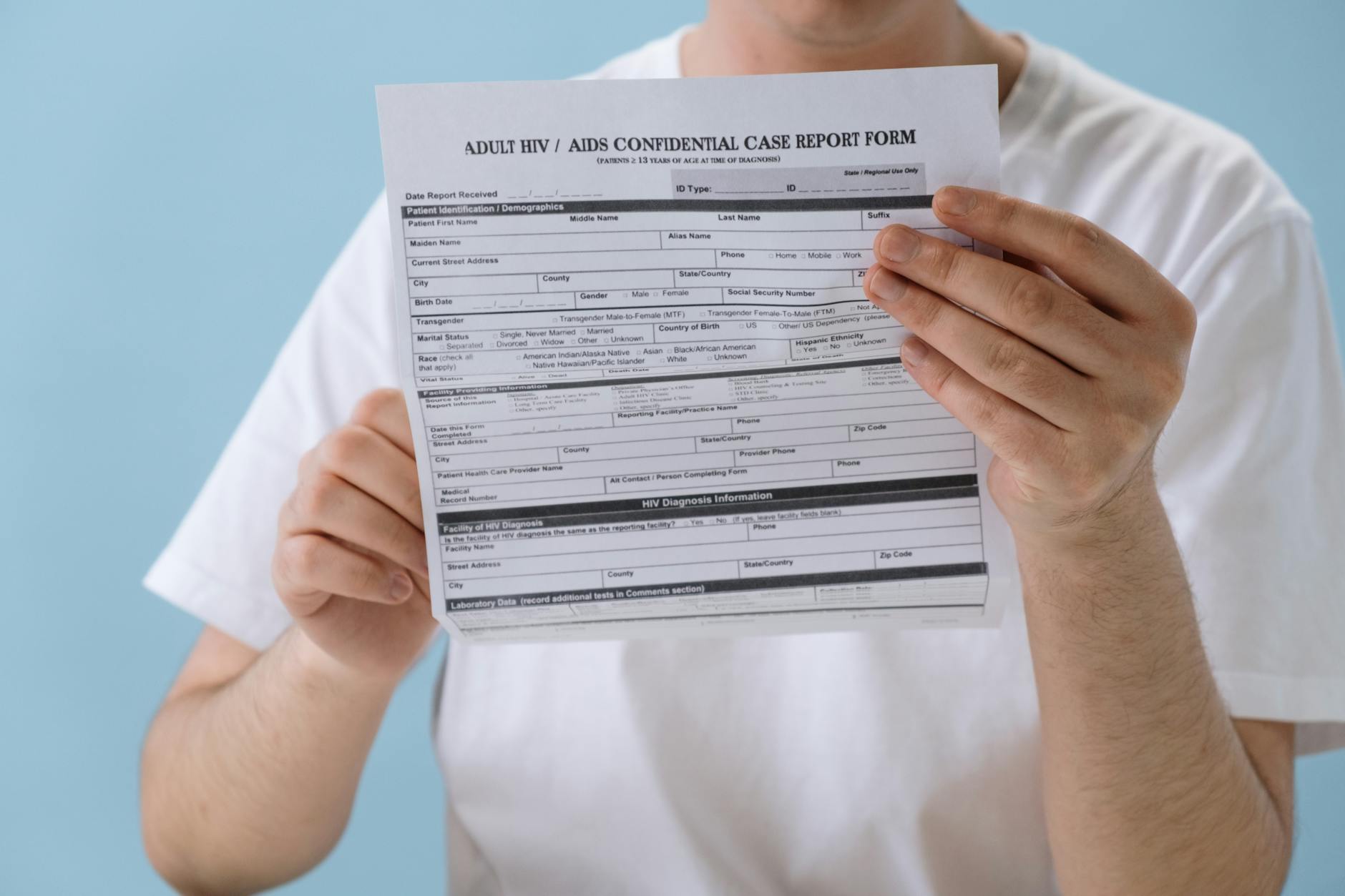
The landmark case of Brady v. Maryland (1963) set the foundation for police disclosure rules. The Supreme Court ruled that prosecutors must disclose exculpatory evidence to the defense, ensuring a fair trial. This case established the principle that suppression of evidence favorable to the accused violates due process. The ruling has since been expanded and clarified through subsequent cases.
In United States v. Bagley (1985), the Court defined the scope of Brady material, stating that evidence is material if there is a reasonable probability it could change the outcome of the trial. This case emphasized the importance of disclosing all relevant information, not just evidence that directly exonerates the defendant. The ruling has been instrumental in shaping the standards for police disclosure.
A more recent case, Kyles v. Whitley (1995), highlighted the cumulative effect of undisclosed evidence. The Court ruled that even if individual pieces of evidence are not material, their combined effect could be. This case underscored the need for thorough and transparent disclosure processes. According to legal experts, these key cases have significantly influenced police practices and the administration of justice.
How Exculpatory Evidence Changes Investigations

Exculpatory evidence, or evidence that suggests a defendant's innocence, plays a pivotal role in criminal investigations. When police uncover such evidence, they must disclose it to the prosecution under the Brady rule. This disclosure can dramatically alter the course of an investigation, leading to charges being dropped or reduced. According to a study by the National Registry of Exonerations, Brady disclosures have contributed to over 2,500 exonerations in the United States since 1989.
Consider a case where a witness initially identifies a suspect, but later evidence reveals the witness was under duress. The police must share this information promptly. Failure to do so can result in wrongful convictions. Legal experts emphasize that timely disclosure ensures fairness and upholds the integrity of the justice system.
In some instances, exculpatory evidence may surface late in the investigation. This can complicate proceedings but underscores the need for diligent evidence review. Police departments often implement training programs to ensure officers understand their obligations under Brady. These programs highlight the importance of thorough and transparent evidence handling.
Challenges in Implementing Brady Disclosure

Implementing Brady Disclosure presents significant challenges for law enforcement agencies. The primary hurdle is the sheer volume of evidence police departments must review. In many cases, officers collect vast amounts of data, making it difficult to identify and disclose exculpatory evidence promptly. A study by the National Institute of Justice found that 78% of law enforcement agencies struggle with managing and reviewing evidence effectively.
Another challenge lies in the subjective nature of determining what constitutes exculpatory evidence. Police officers and prosecutors must assess whether information could reasonably create doubt about a defendant's guilt. This subjective judgment can lead to inconsistencies and potential violations of Brady's requirements. Legal experts emphasize the need for standardized training to improve consistency in these assessments.
Resource constraints also pose a substantial obstacle. Smaller police departments often lack the personnel and technological tools necessary to efficiently manage and disclose evidence. Budget limitations can hinder their ability to implement robust systems for tracking and reviewing case materials. This disparity can result in uneven application of Brady Disclosure across jurisdictions.
Additionally, the pressure to secure convictions can inadvertently influence decision-making. Officers and prosecutors may unconsciously overlook or downplay exculpatory evidence due to the focus on achieving a guilty verdict. Ethical training and oversight mechanisms are crucial to mitigate this risk and ensure fair treatment of defendants.
Future of Transparency in Criminal Justice

Brady Disclosure represents a critical evolution in criminal justice, compelling law enforcement to share exculpatory evidence with the defense. This obligation, stemming from the 1963 Supreme Court case Brady v. Maryland, ensures fairness by preventing prosecutorial misconduct and wrongful convictions. The process, however, remains inconsistent across jurisdictions, with some police departments embracing transparency while others resist.
A recent study by the Innocence Project revealed that Brady violations contribute to nearly 25% of wrongful convictions later overturned by DNA evidence. This stark statistic underscores the urgent need for standardized practices in evidence disclosure. Police departments must adopt clear protocols to identify, preserve, and share exculpatory evidence promptly.
Experts argue that technology could revolutionize Brady Disclosure. Digital case management systems, for instance, could automate the identification and sharing of relevant evidence. Such tools would not only enhance efficiency but also reduce human error. However, implementation requires investment and training, which some departments may lack.
The future of transparency in criminal justice hinges on accountability and innovation. Police departments must prioritize Brady Disclosure, ensuring that evidence is shared without delay. Only then can the system uphold its promise of fairness and justice for all.
Brady Disclosure is a critical legal principle ensuring fairness in criminal trials by requiring police to share exculpatory evidence with the defense. This obligation stems from the 1963 Supreme Court case Brady v. Maryland, which established that withholding such evidence violates due process rights. To uphold justice, law enforcement agencies must implement robust systems for identifying, tracking, and disclosing exculpatory evidence promptly. As the legal landscape evolves, continued vigilance and reform will be essential to ensure Brady Disclosure remains a cornerstone of fair and transparent criminal proceedings.
Need this answered for your specific case?
Get a flat-fee consultation with a verified U.S. immigration attorney. Engagement letter on every paid consult.
Related guides
This guide provides general legal information and does not create an attorney–client relationship. Information accurate as of July 2026. Always verify current USCIS guidance before acting.