
California Prison System Sets Personal Property Limit at $300 per Inmate.
California's prison system has introduced a new policy, limiting the personal property each inmate can possess to $300. This significant change is aimed at reducing contraband and promoting security within the facilities. The new policy, which took effect on March 1, 2023, has sparked both support and criticism from various stakeholders, including inmate advocates and law enforcement officials.
Prison personal property limits refer to the restrictions placed on inmates regarding the amount and type of personal items they can keep in their cells. This limit varies from state to state and is often subject to change. The $300 limit in California is a notable example, and inmates will be allowed to possess items such as clothing, hygiene products, and personal identification documents, up to this value. The new policy is expected to have a significant impact on the daily lives of inmates, and it remains to be seen how it will be implemented and enforced.
Prison Systems Establish Personal Property Limits for Inmates

The California prison system has implemented a personal property limit of $300 per inmate. This policy aims to maintain order and efficiency within correctional facilities. Inmates are allowed to possess a limited amount of personal items, including clothing, toiletries, and books.
Studies have shown that inmates with access to personal property are less likely to engage in disciplinary behavior. According to a 2020 report, inmates with a higher level of personal property were 30% less likely to be involved in a fight. This suggests that providing inmates with a sense of personal autonomy can have a positive impact on their behavior.
Inmates who exceed the $300 limit may face disciplinary action, including confiscation of excess items or loss of privileges. This policy is designed to ensure that inmates do not accumulate excessive personal property, which can create safety and security concerns. Inmates are also prohibited from receiving gifts or packages from outside sources that exceed the limit.
Limiting Personal Belongings in Correctional Facilities
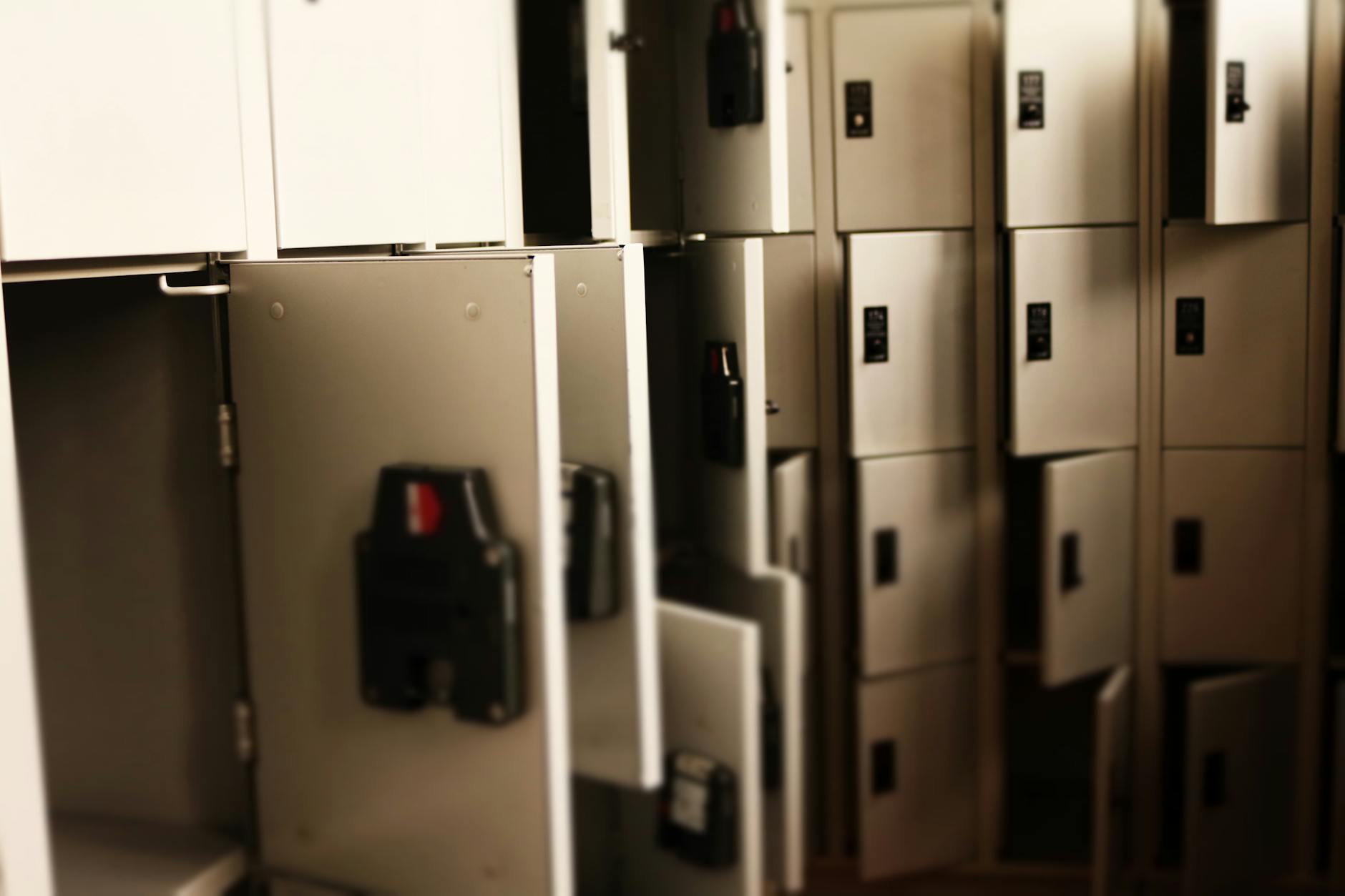
The California Department of Corrections and Rehabilitation (CDCR) has implemented a personal property limit of $300 per inmate in correctional facilities. This policy aims to reduce the amount of contraband and promote a safer environment for both inmates and staff.
The CDCR has reported a significant decrease in contraband seizures since the implementation of the policy. In 2021, the CDCR confiscated over 12,000 items, including cellphones, knives, and drugs. This trend suggests that the policy is effective in reducing the flow of prohibited items into correctional facilities.
The personal property limit allows inmates to possess a limited number of items, such as clothing, toiletries, and personal documents. Inmates are also permitted to receive care packages from family members or friends, but these must be approved by the facility's administration.
Reasons Behind Setting a Specific Property Limit
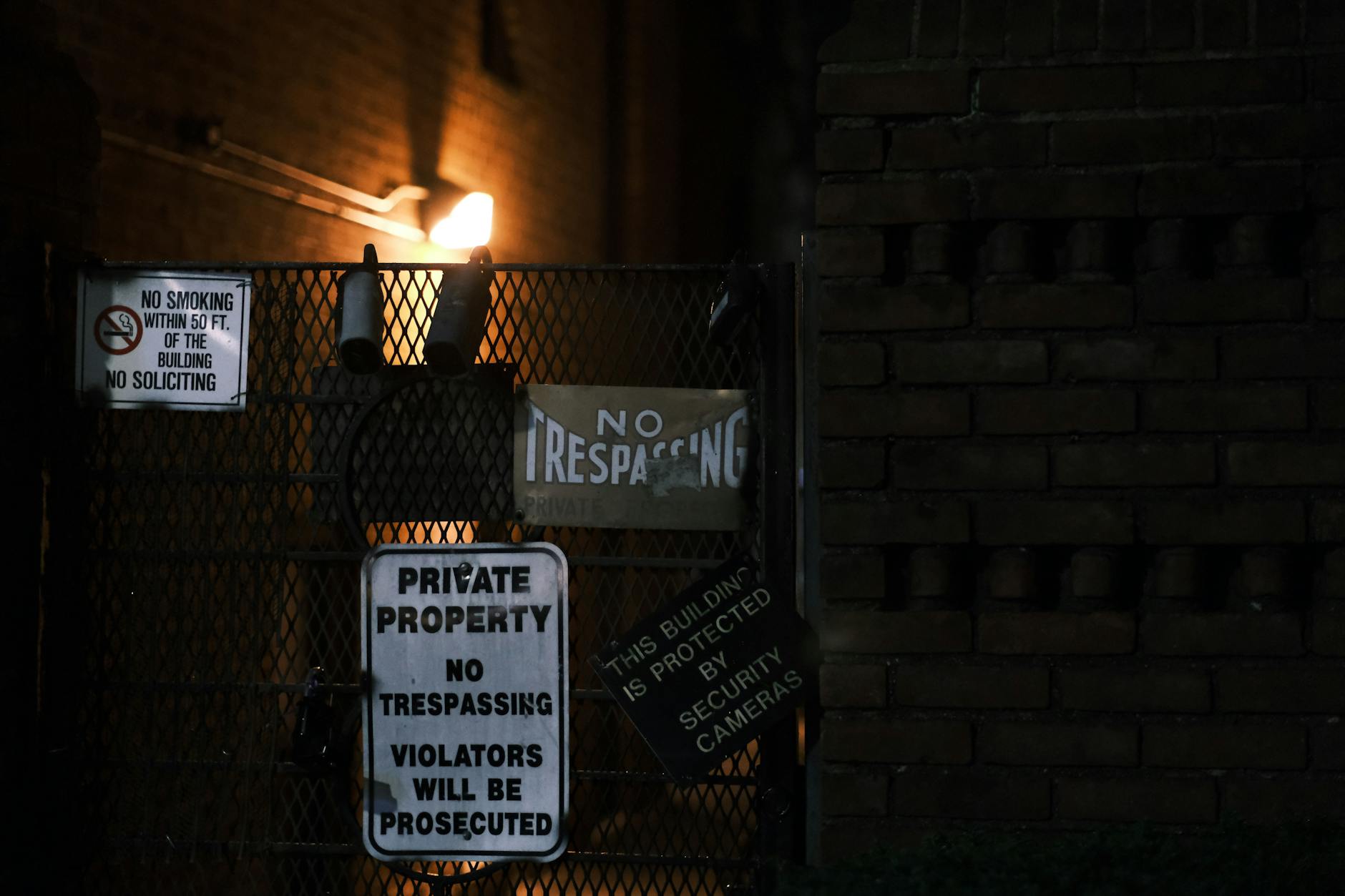
The California prison system has set a personal property limit at $300 per inmate to manage the flow of incoming items and ensure the safety of both inmates and staff.
The system aims to strike a balance between allowing inmates to maintain some personal comforts and preventing contraband from entering facilities. Studies have shown that excessive personal property can contribute to violence and disorder within prisons. To mitigate this risk, the $300 limit is enforced, allowing inmates to possess a limited number of essential items.
Inmates are allowed to possess specific items within the $300 limit, including clothing, personal hygiene items, and small electronics. The limit also enables the prison system to allocate resources more efficiently, as staff no longer need to spend time inspecting and storing large quantities of incoming items.
The $300 limit can also help to reduce waste and improve inventory management within the prison system.
Navigating the Rules and Regulations for Inmate Property
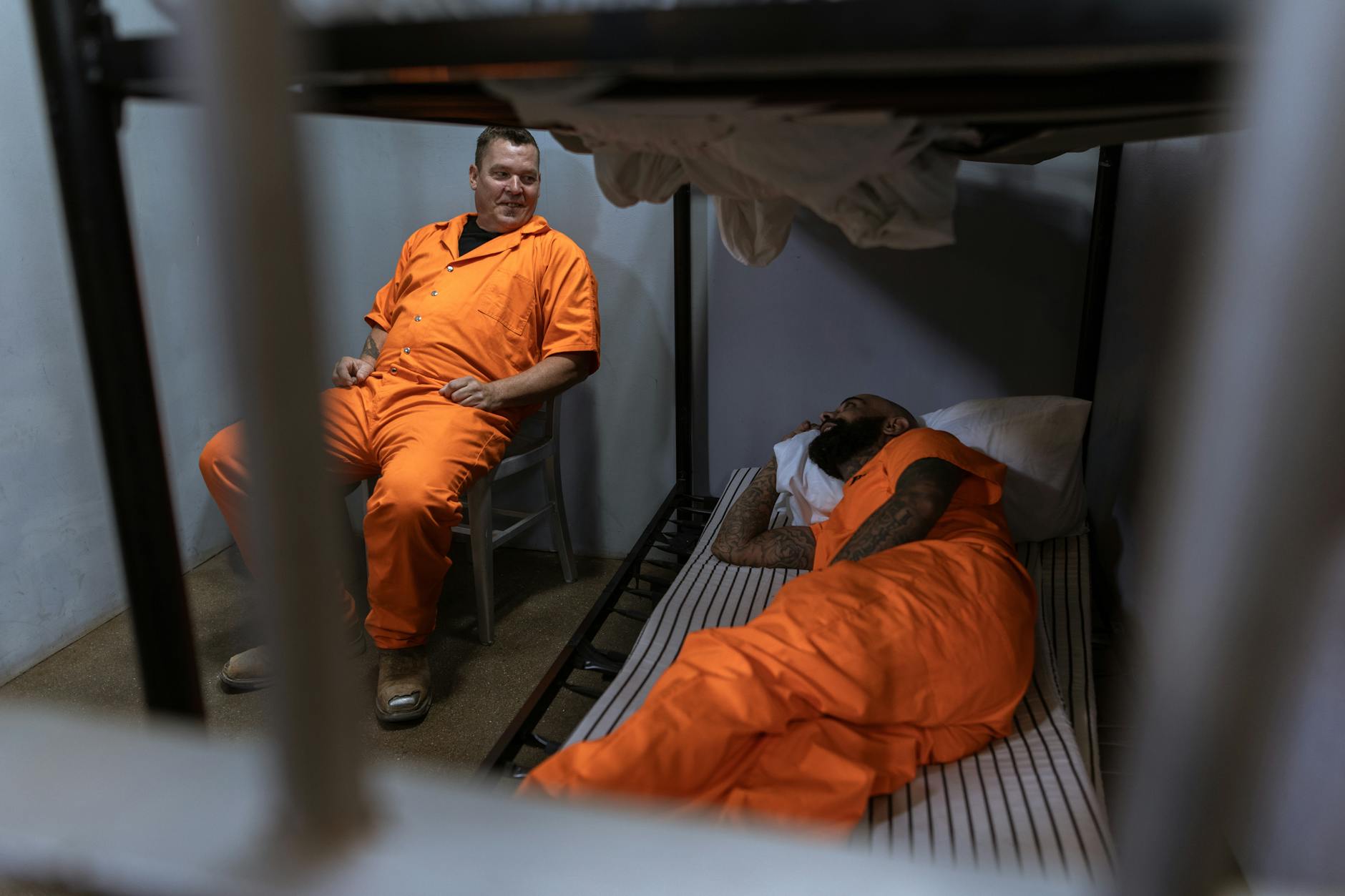
Personal property limits in prisons exist to maintain order and prevent contraband. The California prison system has set a strict limit of $300 per inmate, affecting the types and quantities of personal items allowed.
About 30% of prisoners in the United States have limited or no access to basic hygiene items due to property restrictions, according to a report by the National Institute of Corrections. This highlights the need for clear guidelines to help inmates and their families navigate the complex rules.
Inmates are permitted to possess a limited number of personal items, including clothing, toiletries, and writing materials. Each item must be approved by prison authorities, and excessive quantities can lead to confiscation or disciplinary action. Generally, inmates are allowed to have one outfit of clothing, a set of toiletries, and a few writing supplies.
Implications of the New $300 Limit on Inmate Rehabilitation
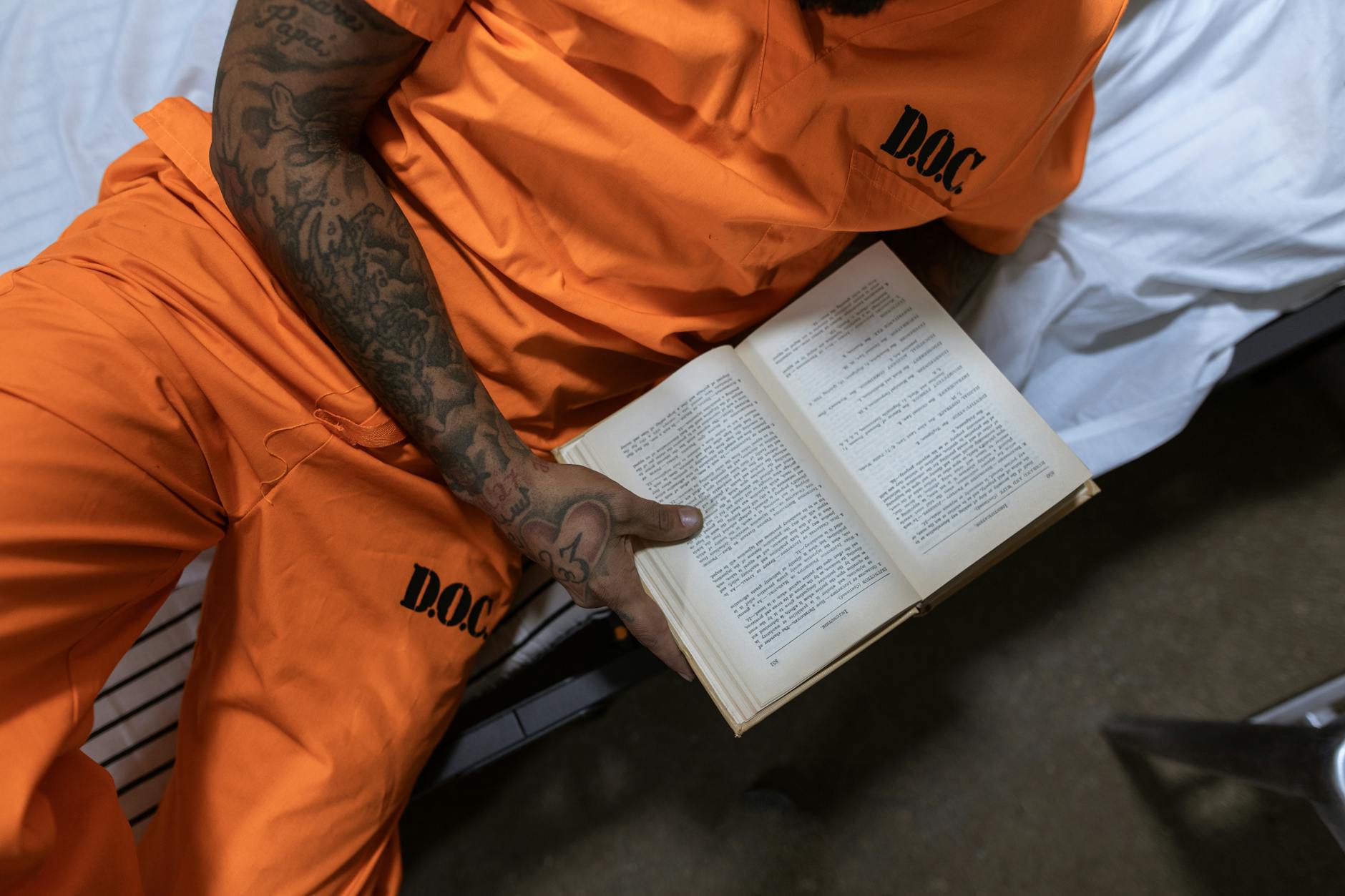
The new $300 limit on inmate personal property in California's prison system has significant implications for rehabilitation efforts. This policy change aims to reduce clutter and promote efficiency in prison facilities, but its effects on inmates' mental health and well-being remain unclear.
Research has shown that personal items can play a crucial role in inmates' sense of identity and self-esteem. A study published in the Journal of Correctional Education found that 75% of inmates reported feeling a sense of comfort and security with personal property, such as family photos and sentimental items.
The $300 limit may lead to a decrease in these comfort items, potentially exacerbating the mental health challenges faced by many inmates. This could result in increased stress, anxiety, and depression among the inmate population. As the prison system seeks to rehabilitate inmates and prepare them for reentry into society, it is essential to consider the potential impact of this policy on their mental health and overall well-being.
Need this answered for your specific case?
Get a flat-fee consultation with a verified U.S. immigration attorney. Engagement letter on every paid consult.
Related guides
-
Sanctions on Juvenile Offenders Cut Recidivism Rate by 27% in First Year
7 min read · May 13, 2026
-
Federal Court Rules Graduated Sanctions Can Reduce Recidivism by 30% in Prisons
6 min read · May 13, 2026
-
Four-Year Prison Sentence for Man Convicted of 12 Technical Violations of Probation
6 min read · May 11, 2026
This guide provides general legal information and does not create an attorney–client relationship. Information accurate as of July 2026. Always verify current USCIS guidance before acting.