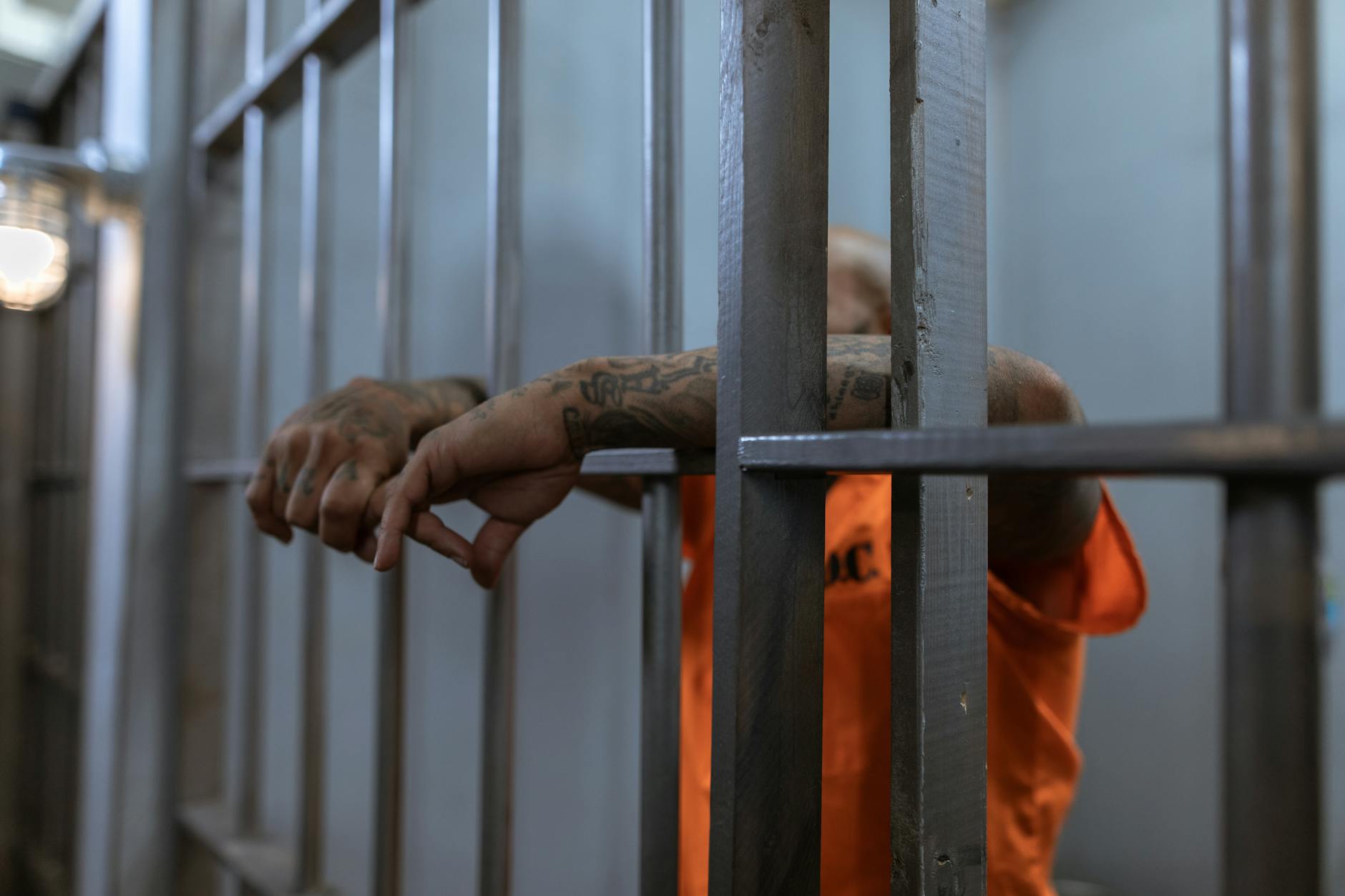
California Prisons Home to Over 100 Active Gangs: A Growing Concern
California's correctional facilities have become a haven for gang activity, with a staggering 100 active gangs operating within the state's prison system. This alarming statistic highlights the pervasive influence of prison gangs, a phenomenon that has been escalating over the years. What Is Prison Gang Influence, a complex and multifaceted issue, is characterized by the formation of organized groups within prisons, often with roots in street gangs. These groups exert significant control over prisoners, exploiting their power to engage in various forms of illicit activity.
Prison gang influence has far-reaching consequences, extending beyond the confines of correctional facilities. The activities of these gangs often seep into the outside world, fueling violence, crime, and social unrest. As the prison population continues to grow, so too does the presence of prison gangs, posing a significant threat to public safety and law enforcement efforts. Understanding the dynamics of prison gang influence is crucial to developing effective strategies for mitigating this growing concern.
Prison Gangs Emerge as Dominant Forces Behind Bars

Prison gangs have become a pervasive force within California's correctional facilities, with estimates suggesting that over 80% of inmates are affiliated with some form of gang. This widespread influence is a major concern, as it can lead to increased violence, extortion, and control over prison resources.
Gangs often recruit and initiate new members through coercion, intimidation, or promises of protection. Once inside, gang members may be tasked with collecting debts, intimidating other inmates, or even orchestrating violent incidents to further their gang's interests. According to a report by the California Department of Corrections and Rehabilitation, gang activity was responsible for over 60% of all violent incidents in state prisons in 2020.
The influence of prison gangs extends beyond the walls of the institution, with many gangs maintaining ties to outside organizations. This can lead to a cycle of violence and crime, as gang members are often released back into their communities with little to no support or rehabilitation. Without effective intervention, the presence of prison gangs will continue to pose a significant threat to public safety and the integrity of California's correctional system.
Prison gangs have also been linked to the spread of contraband, including drugs and cell phones, which can compromise the security of the institution and put both inmates and staff at risk. As the problem continues to grow, it is essential that authorities develop and implement effective strategies to address the issue of prison gang influence.
Origins of Prison Gangs Lie in Decades of Inmates' Rebellion
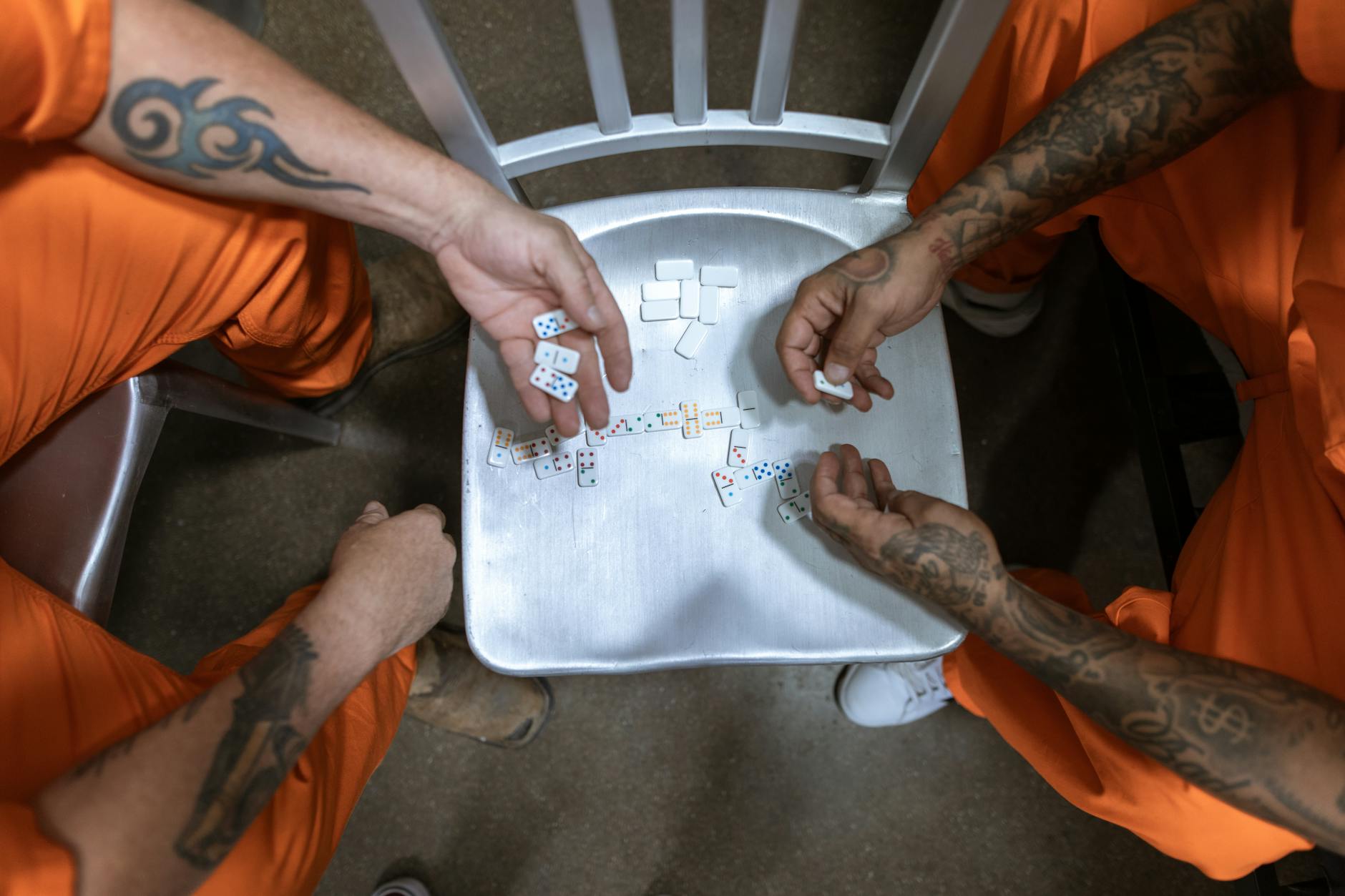
Prison gang influence is a complex issue, deeply rooted in the history of California's correctional system. The origins of prison gangs date back to the 1960s and 1970s, when inmates began to organize in response to harsh living conditions and racial tensions within their facilities.
Studies have shown that the majority of prison gangs emerged in response to the deprivation of basic rights, including access to education, healthcare, and contact with family members. This frustration eventually boiled over into violent uprisings, leading to the formation of the first prison gangs. By the 1980s, these groups had become entrenched in the California prison system, exploiting vulnerabilities in the system to expand their power and influence.
As prison gangs grew in strength, they began to exert control over entire cellblocks, extorting money from fellow inmates and imposing their own codes of conduct. This has led to a culture of violence and intimidation, where inmates who refuse to comply with gang rules are often subjected to beatings and harassment.
Gang membership has become a major concern in California prisons, with over 60% of inmates reportedly affiliated with a gang. This has significant implications for public safety, as gang members often continue to engage in criminal activity upon release, perpetuating a cycle of violence and crime that is difficult to break.
Gang Influences Spread Beyond Prison Walls to Local Communities
Prison gang influence refers to the control and dominance exercised by organized gangs over prison populations. These groups often form complex hierarchies, with higher-ranking members holding significant power and influence over their peers. In some cases, gang members may use violence or intimidation to assert control.
The influence of prison gangs extends far beyond the walls of correctional facilities, with many gangs maintaining a strong presence in local communities. According to the California Department of Corrections and Rehabilitation, approximately 80% of incarcerated gang members have connections to gangs outside of prison. This suggests a strong link between the prison gang culture and the broader gang landscape.
Research has shown that prison gang influence can have a range of negative consequences, including increased violence, substance abuse, and recruitment of new members. The presence of gangs in local communities can also contribute to a deterioration in public safety and an increase in crime rates.
Prison Gang Control: A Recipe for Violence and Corruption

Prison gang influence is a pervasive issue in California's correctional facilities, where over 100 active gangs operate. These groups often exert control through a combination of violence and corruption, creating a toxic environment for prisoners and correctional officers alike.
Gangs typically infiltrate prisons by targeting vulnerable inmates, often those serving long sentences or struggling with mental health issues. Once established, they use intimidation and violence to maintain power and expand their influence. For example, a study by the California Department of Corrections and Rehabilitation found that gang violence is responsible for nearly 20% of all prison homicides.
Prison gang influence also fuels corruption among correctional staff. Gangs may offer bribes or threats to secure favors, such as access to contraband or preferential treatment. This corruption undermines the integrity of the correctional system and allows gangs to operate with relative impunity.
The consequences of prison gang influence are far-reaching, contributing to higher recidivism rates and increased violence within communities upon release. As California struggles to address this issue, it is clear that a comprehensive approach is needed to dismantle gang structures and promote rehabilitation.
Lawmakers Struggle to Combat Rising Prison Gang Threats Amid Budget Constraints

Prison gang influence can have a profound impact on the safety and security of correctional facilities. The presence of gangs can create a toxic environment, characterized by violence, intimidation, and corruption.
Prisoners may be coerced into joining gangs for protection, but this often leads to further involvement in organized crime. According to a study, nearly 60% of inmates who join gangs in prison will remain affiliated with them after release. This perpetuates a cycle of gang membership and crime, which can be challenging to break.
Gangs often exert control over prison yards, dictating rules and imposing punishments on those who fail to comply. This can lead to a breakdown in institutional order, making it difficult for authorities to maintain control. The influence of prison gangs can also extend beyond the walls of correctional facilities, with some gangs maintaining ties to outside organizations.
As California's prisons continue to harbor over 100 active gangs, the reality of gang influence within these institutions becomes increasingly clear: the lines between inmates and gang members are often blurred, and the reach of these organizations extends far beyond the prison walls, fueling violence and intimidation in surrounding communities. The sheer scale of this problem makes it imperative that policymakers and corrections officials prioritize targeted interventions, such as enhanced gang suppression units and rehabilitation programs that address the root causes of gang affiliation, to prevent the spread of gang influence within prisons. By addressing this issue head-on, California can reduce the grip of prison gangs and create safer, more secure communities for all its residents.
Need this answered for your specific case?
Get a flat-fee consultation with a verified U.S. immigration attorney. Engagement letter on every paid consult.
Related guides
-
Sanctions on Juvenile Offenders Cut Recidivism Rate by 27% in First Year
7 min read · May 13, 2026
-
Federal Court Rules Graduated Sanctions Can Reduce Recidivism by 30% in Prisons
6 min read · May 13, 2026
-
Four-Year Prison Sentence for Man Convicted of 12 Technical Violations of Probation
6 min read · May 11, 2026
This guide provides general legal information and does not create an attorney–client relationship. Information accurate as of July 2026. Always verify current USCIS guidance before acting.