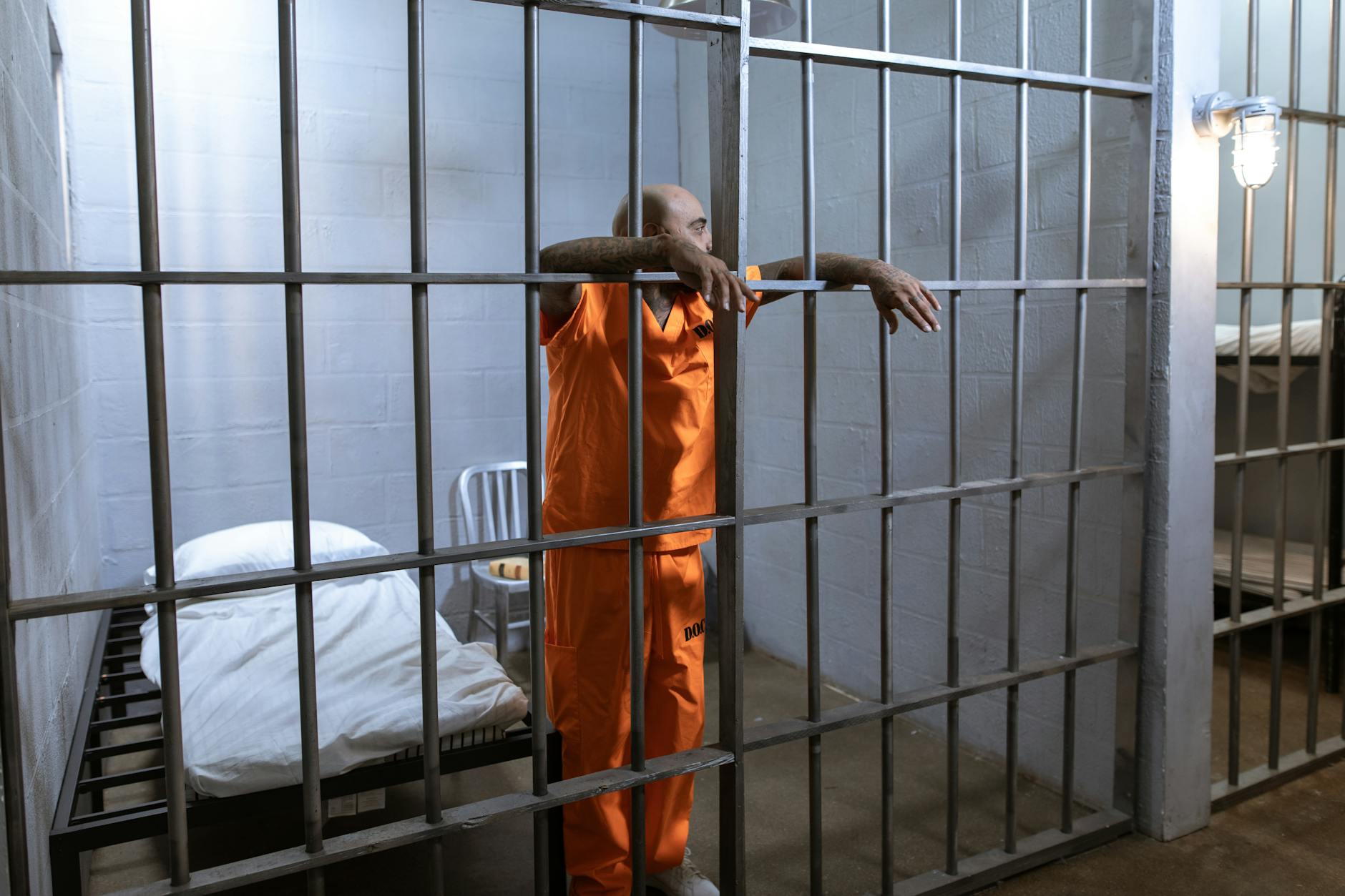
California Prisons to Phase Out Segregation Units by 2030 Deadline
The California Department of Corrections and Rehabilitation has announced a plan to eliminate segregation units in state prisons by 2030, marking a significant shift in the way the state approaches inmate isolation. According to the CDCR, approximately 2,000 inmates are currently housed in these units, which have been criticized for their harsh conditions and impact on mental health. The phase-out plan is a response to growing concerns about the effectiveness and ethics of segregation units, which have been used to manage violent or disruptive inmates. Prison segregation units, also known as "segs," are specialized housing areas designed to isolate inmates from the general prison population.
Prison segregation units, or "segs," are a common feature of correctional facilities, where inmates who pose a threat to themselves or others are housed in separate units. The term "seg" is short for segregation, which refers to the isolation of inmates from the general prison population. The use of segregation units has been a topic of debate, with some arguing that they are necessary for maintaining order and safety, while others claim that they can have a detrimental effect on inmates' mental health and well-being.
Prison Segregation Units: A History of Isolation
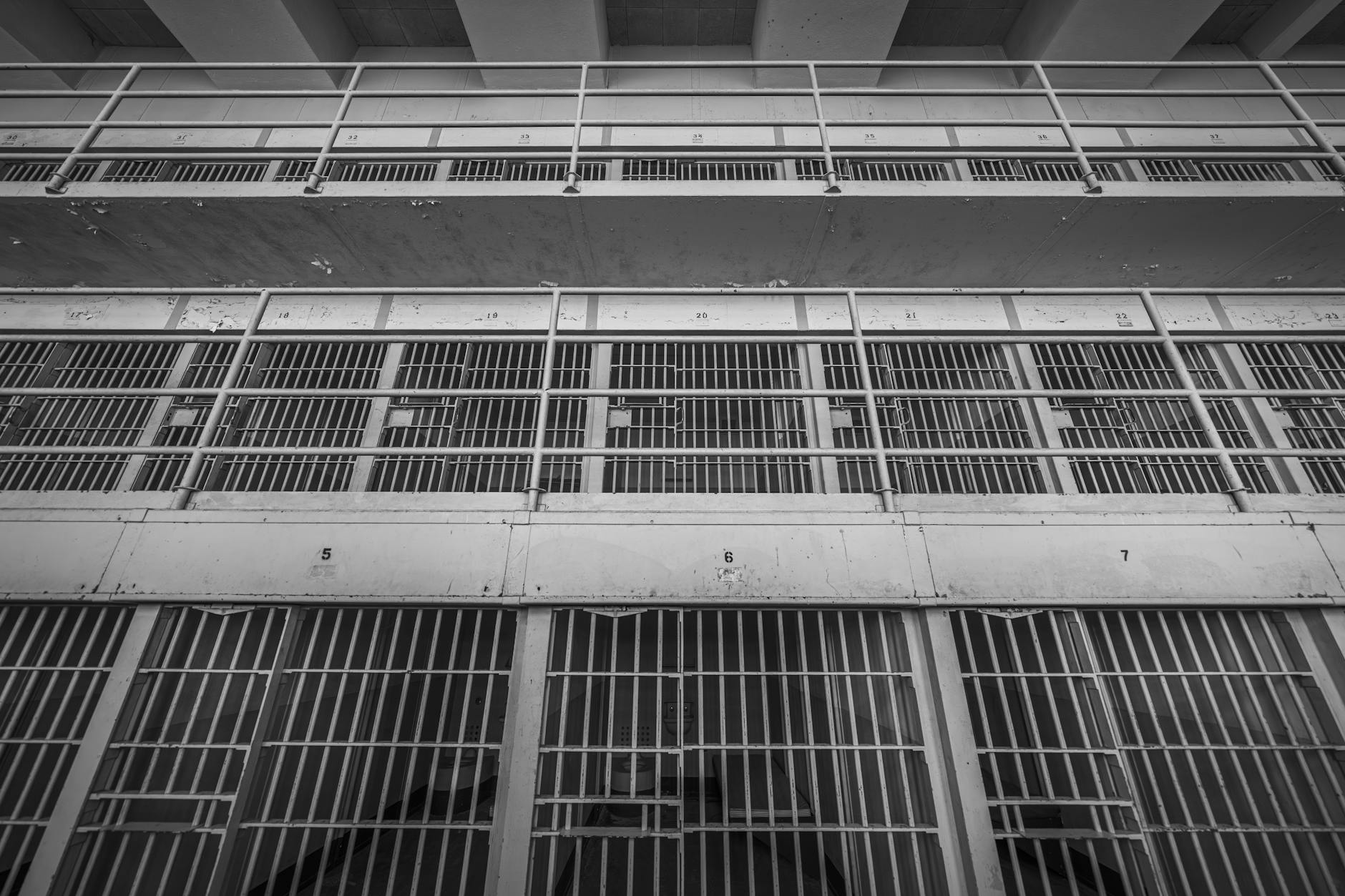
Prison segregation units, commonly referred to as "segs," are specialized housing areas within correctional facilities designed to isolate inmates from the general population. These units are typically reserved for individuals who pose a threat to the safety and security of others, often due to violent behavior or gang affiliations.
The term "seg" originates from the word "segregation," which refers to the practice of separating individuals or groups from the rest of society. In the context of prisons, segregation units serve as a means of restricting inmate movement and contact with others, with the goal of reducing tensions and preventing violence. According to the Bureau of Justice Statistics, approximately 20% of state and federal prisoners in the United States are housed in segregation units at any given time.
The use of segregation units has been a long-standing practice in the US corrections system, dating back to the 1970s. Initially, these units were intended to provide a safer environment for both inmates and staff, but over time, concerns have arisen about their impact on inmate mental health and well-being. Critics argue that prolonged stays in segregation units can exacerbate existing mental health issues and even drive individuals to more extreme behaviors.
As California prisons prepare to phase out segregation units by 2030, the focus is shifting towards alternative approaches to managing inmate behavior and promoting rehabilitation. By reducing reliance on isolation and segregation, corrections officials hope to create a more humane and effective prison environment that supports the reintegration of inmates into society upon release.
Understanding the Purpose of Seg Units in US Prisons
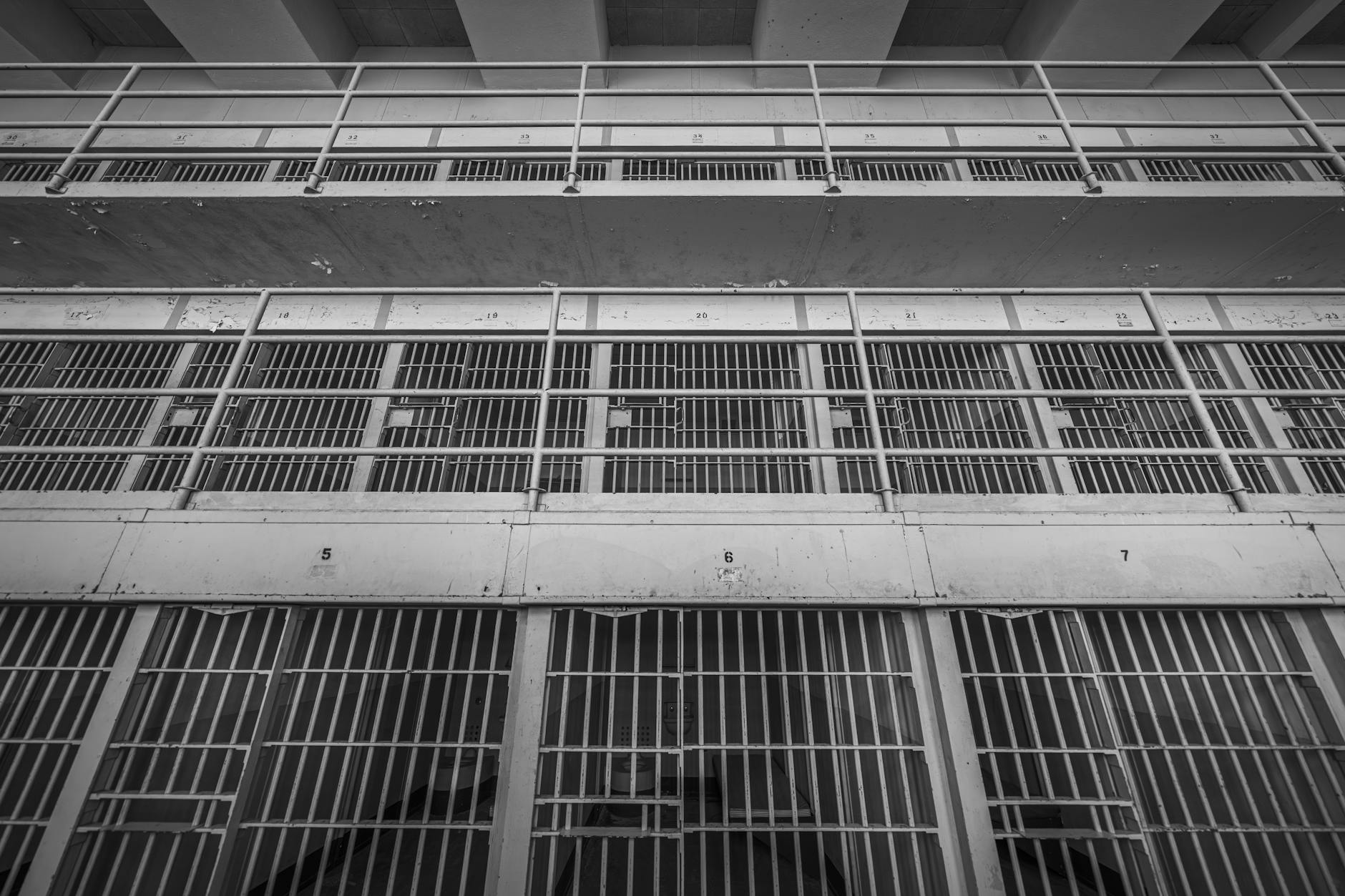
Prison segregation units, commonly referred to as "seg" units, serve a specific purpose within the US correctional system. These isolated facilities house inmates who have committed serious disciplinary infractions or pose a threat to the safety and security of others.
Segregation units are used to protect both inmates and correctional officers from potential harm. Typically, inmates serving time in seg units have been involved in violent altercations, have been found with contraband, or have shown a willingness to manipulate or intimidate others.
The primary goal of seg units is to provide a safe and secure environment, allowing inmates to reflect on their behavior and receive necessary rehabilitation. Research suggests that approximately 50% of inmates in seg units are eventually released back into the general population without incident.
While seg units have a legitimate purpose, critics argue that prolonged isolation can exacerbate mental health issues, such as depression and anxiety, and even lead to increased aggression upon release.
Inside Seg Units: Conditions and Confinement Details
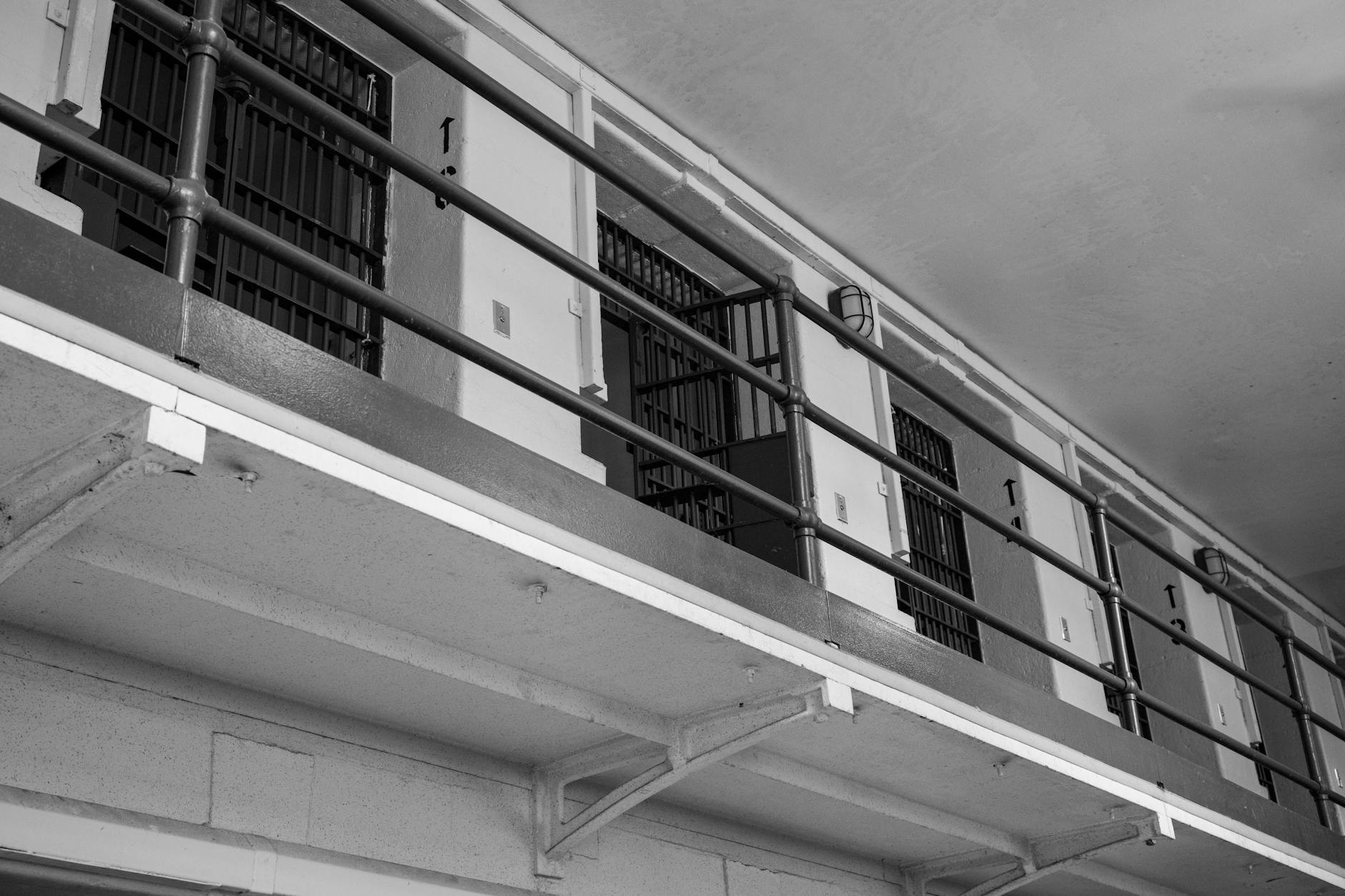
Prison "seg" units, also known as solitary confinement or isolation units, are specialized facilities within correctional institutions that house inmates for extended periods of time in isolation from the general prison population.
Seg units are designed to provide a safe and secure environment for inmates who pose a threat to others or themselves, or who require protection from other inmates. However, research has shown that prolonged isolation can have severe psychological and physical effects on inmates, including depression, anxiety, and suicidal tendencies. Approximately 80,000 inmates are held in solitary confinement in the United States each year.
Inmates in seg units typically spend 22 to 24 hours a day in their cells, with limited access to natural light, exercise, and social interaction. Cells are often small and Spartan, with basic amenities and few comforts. Inmates may have limited contact with the outside world, including family and friends, and may be denied access to educational and rehabilitation programs.
The use of seg units has been widely criticized by human rights organizations and experts, who argue that prolonged isolation is a form of cruel and unusual punishment that can cause long-term harm to inmates.
Life After Seg: Reentry Challenges for Former Inmates
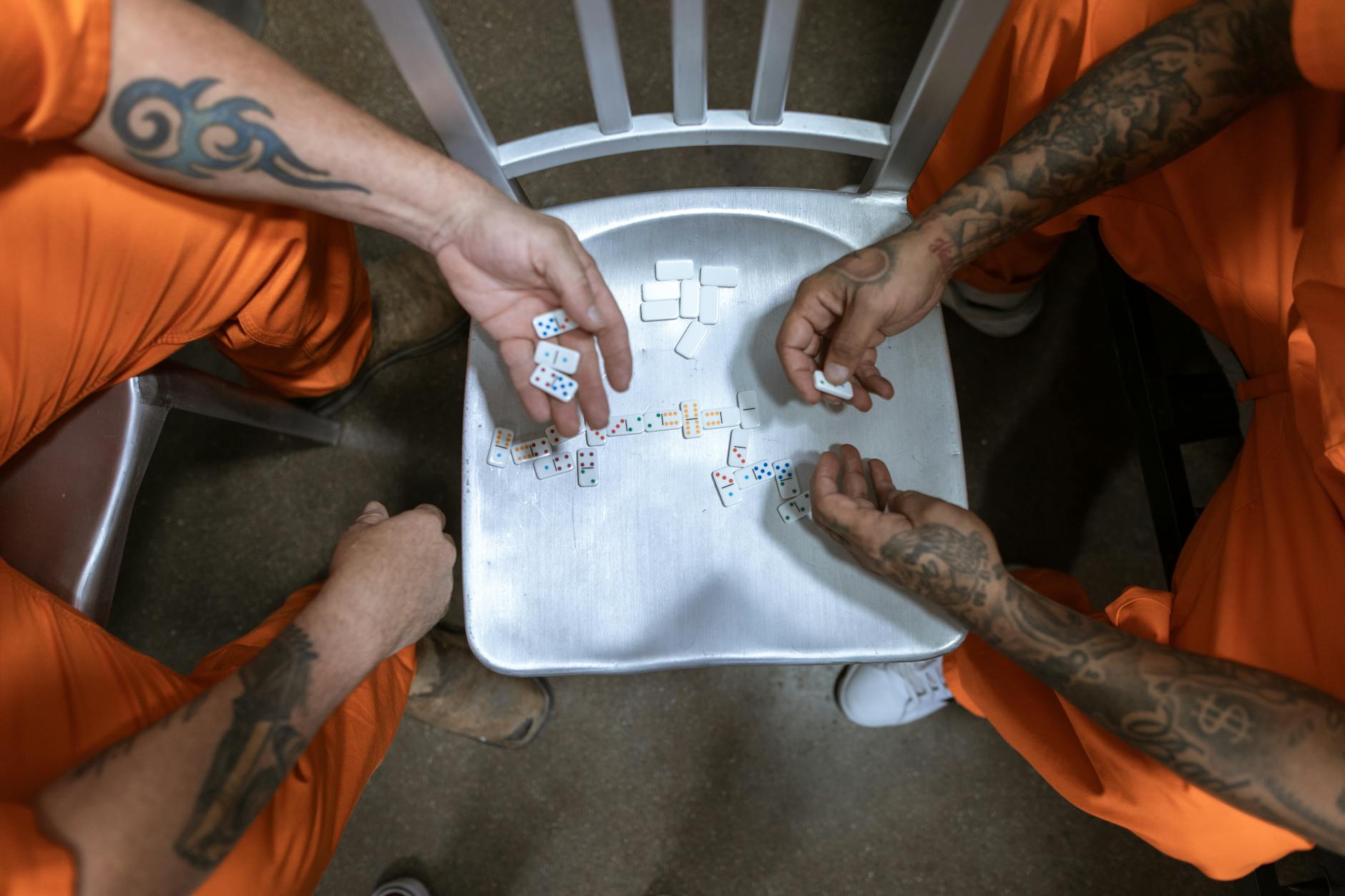
Prison segregation, commonly referred to as "seg," is a practice where inmates are isolated from the general prison population for various reasons such as disciplinary actions or protective custody.
Segregation units often consist of small cells with limited access to amenities and programs, which can exacerbate mental and physical health issues. Studies have shown that prolonged segregation can lead to increased rates of depression, anxiety, and suicidal thoughts among inmates. According to the Bureau of Justice Statistics, nearly 70% of inmates in restrictive housing units have a diagnosed mental health condition.
Inmates in segregation units typically have limited opportunities for social interaction, exercise, and education, which can lead to feelings of isolation and disconnection from the outside world. The absence of regular routine and structure can also disrupt an inmate's sense of time and identity.
Prison "seg" can have long-lasting effects on individuals, making successful reentry into society more challenging upon release.
California's Plan to Abolish Seg Units by 2030 Deadline

California's prisons have made headlines for their harsh conditions, including the use of solitary confinement units, also known as "seg" units. These units are designed to isolate inmates from the general prison population for various reasons, including disciplinary infractions or for their own protection. Seg units are often small, with cells that may have limited natural light and few amenities.
The term "seg" is derived from the Spanish word "segregación," meaning segregation. This term reflects the purpose of these units, which is to separate inmates from the rest of the prison population. According to the American Civil Liberties Union (ACLU), approximately 80% of inmates who are placed in seg units are diagnosed with mental health disorders.
Experts argue that prolonged stays in seg units can exacerbate mental health issues and even lead to long-term psychological damage. The long-term effects of solitary confinement have been extensively studied, with many researchers concluding that it can lead to depression, anxiety, and even suicidal thoughts.
California's decision to phase out segregation units by 2030 is a crucial step towards reforming its prison system, prioritizing rehabilitation and human rights over punitive measures. By dismantling these units, the state acknowledges that segregation serves only to exacerbate existing problems, rather than address underlying issues. As a result, prison officials should prioritize training staff to recognize and respond to the specific needs of individuals held in segregation, ensuring a smoother transition to general population and reducing the risk of recidivism. With this deadline now set, California is poised to take a significant leap towards creating a more just and equitable prison system, one that values the dignity and potential of every individual behind bars.
Need this answered for your specific case?
Get a flat-fee consultation with a verified U.S. immigration attorney. Engagement letter on every paid consult.
Related guides
-
Sanctions on Juvenile Offenders Cut Recidivism Rate by 27% in First Year
7 min read · May 13, 2026
-
Federal Court Rules Graduated Sanctions Can Reduce Recidivism by 30% in Prisons
6 min read · May 13, 2026
-
Four-Year Prison Sentence for Man Convicted of 12 Technical Violations of Probation
6 min read · May 11, 2026
This guide provides general legal information and does not create an attorney–client relationship. Information accurate as of July 2026. Always verify current USCIS guidance before acting.