



Understanding 5 Key Rights of Incarcerated Individuals
Over 2.3 million people are currently incarcerated in the United States, each with fundamental rights that must be protected. These rights, often misunderstood or...

Understanding the 5 Key Levels of Prison Classification
More than 2 million individuals reside in U.S. prisons and jails, each navigating a complex system designed to balance security, rehabilitation, and safety. At...

The Harsh Reality of 23-Hour Solitary Confinement
Over 80,000 individuals in the United States endure solitary confinement daily, a practice that strips away human connection and basic sensory stimulation. This extreme...

Jail vs. Prison: Key Differences in U.S. Incarceration System
Over 2 million people are currently locked up in the United States, making it the country with the highest incarceration rate in the world....

Understanding the 5 Key Components of a Prison Sentence
Over 2.3 million individuals are currently incarcerated in the United States, each serving a prison sentence that can be broken down into five key...

Rehabilitation vs. Punishment: 5 Key Differences in Justice Systems
Over 10 million people are incarcerated globally, with many justice systems grappling with a fundamental debate: should the focus be on rehabilitation or punishment?...

Recidivism Rates Reveal Complex Reasons Behind Repeat Offenses
Nearly 77% of state prisoners released in 2005 were rearrested within five years, according to the Bureau of Justice Statistics. This stark statistic underscores...

Recidivism Rate Drops to 40% After Prison Reform Initiative
Nearly two years after the implementation of a sweeping prison reform initiative, the recidivism rate has plummeted to 40%, marking a significant shift in...

Understanding Crime Deterrence: 5 Key Strategies Explained
Crime rates drop by an average of 20% when effective deterrence strategies are implemented, according to a comprehensive study by the National Institute of...

Five Key Strategies to Understand Situational Crime Prevention
Crime rates fluctuate, but one constant remains: the opportunity to commit crime often determines whether it occurs. This principle underpins situational crime prevention, a...

Neighborhood Watch Programs Reduce Crime by 17% in Active Communities
Crime rates in active communities have seen a significant drop, with Neighborhood Watch programs contributing to a 17% reduction. This community-driven initiative has proven...

Neighborhood Watch Programs Cut Crime by 16% in Five Years
Crime rates in neighborhoods with active watch programs have plummeted by 16% over the past five years, according to a recent study. This significant...

Understanding Crime Prevention: 5 Key Strategies Unveiled
Crime impacts communities worldwide, with an estimated 1.6 billion people falling victim to violent crimes each year. The cost of crime extends far beyond...

Unraveling Crime: 5 Key Insights from Behavioral Analysis
Every 26 seconds, a property crime occurs in the United States, according to the FBI. Behind these statistics lie complex behaviors that behavioral analysis...

Unlocking Criminal Minds: The Science Behind Profiling
Criminal profiling has become an indispensable tool in modern law enforcement, with a success rate of over 80% in assisting investigations. This scientific approach...

5 Key Steps in Crime Scene Processing Revealed
Every crime scene tells a story, and it's the job of forensic investigators to read it accurately. Crime scene processing is a meticulous science...

5 Types of Evidence Crime Scene Contamination Can Compromise
Crime scene contamination occurs in nearly 20% of cases, according to forensic experts. This silent disruptor can taint evidence, mislead investigations, and even result...

Understanding Chain of Custody: 5 Key Components
Evidence tampering undermines 40% of criminal cases, according to the Innocence Project. At the heart of evidence integrity lies the chain of custody, a...

Understanding the 70% Reliability of Eyewitness Testimony
Eyewitness testimony, a cornerstone of criminal investigations, carries a surprising 70% reliability rate. This statistic, drawn from decades of psychological research, underscores both the...

Understanding Direct Evidence: 3 Key Characteristics
In legal proceedings, direct evidence plays a pivotal role, accounting for approximately 70% of case resolutions. This type of evidence provides clear, unassailable facts...

Circumstantial Evidence: 5 Key Facts You Need to Know
Over 70% of criminal convictions rely on it, yet many people misunderstand its nature. Circumstantial evidence plays a pivotal role in legal proceedings, often...

Forensic Evidence: 5 Key Types and Their Legal Impact
Forensic evidence plays a pivotal role in modern criminal investigations, with studies showing it contributes to case resolution in over 90% of serious crimes....

DNA Evidence Solves 60% of Cold Cases in U.S.
DNA evidence has revolutionized criminal investigations, solving 60% of cold cases in the U.S. alone. This powerful tool has transformed the landscape of forensic...

Innocence Project Freed 240 Wrongfully Convicted Individuals
Since its inception in 1992, the Innocence Project has freed 240 individuals who were wrongfully convicted in the United States. This nonprofit legal organization...

5 Common Factors Behind Wrongful Convictions in U.S. Courts
Over 2,800 wrongfully convicted individuals have been exonerated in the United States since 1989, according to the National Registry of Exonerations. These cases reveal...

Over 2,000 Exonerated: Understanding Wrongful Convictions
Over 2,000 individuals in the United States have been exonerated of crimes they did not commit, according to the National Registry of Exonerations. This...
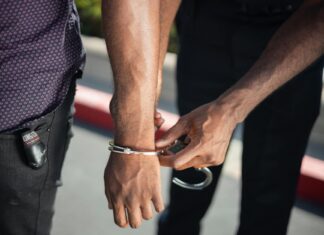
False Arrest: Understanding the 4 Key Legal Elements
Every year, thousands of individuals in the United States fall victim to false arrest, a serious violation of civil rights. False arrest occurs when...

Understanding Excessive Force: 5 Key Legal Aspects
Every year, thousands of cases involving excessive force emerge, sparking public outrage and legal scrutiny. These incidents, often involving law enforcement, raise critical questions...

5 Types of Police Misconduct Recognized as Criminal Offenses
Police misconduct has become a pressing issue, with the Bureau of Justice Statistics reporting over 4,000 citizen complaints against law enforcement annually. These incidents...

Understanding the 5 Key Aspects of Use of Force Law
Every year, law enforcement officers in the United States make approximately 10 million arrests, each encounter carrying the potential for force. Understanding the legal...

Understanding Reasonable Suspicion: 3 Key Legal Factors
Every year, thousands of legal cases hinge on the interpretation of a single phrase: reasonable suspicion. This legal standard, though seemingly straightforward, carries significant...

New York’s Stop and Frisk Policy: 5 Key Facts
Nearly 25,000 New Yorkers were subjected to stop and frisk encounters in 2022, a stark reminder of the policy's lingering presence. The practice, which...

Understanding House Search Consent: Key Legal Rights and Limits
Every year, thousands of homeowners face the unsettling experience of a law enforcement search. Yet, many remain unaware of their rights during these encounters....

3 Possible Consequences of a Parole Violation
Nearly 80% of individuals released on parole in the United States will face revocation within three years. This stark statistic underscores the seriousness of...

Understanding the 3 Main Types of Parole Violation Crimes
Over 800,000 individuals in the United States are currently on parole, a period of supervised release following incarceration. Yet, nearly one-third of these individuals...

3 Possible Consequences of Violating Probation
More than 4.5 million individuals in the United States are currently on probation, a period of supervision ordered by the court as an alternative...

Understanding 5 Common Types of Probation Violation Crimes
Nearly 4.5 million individuals in the United States are under some form of community supervision, with probation being the most common. Yet, probation is...

Court Rejects Evidence from Illegal Police Search
A federal court recently rejected critical evidence in a high-profile drug trafficking case, ruling it obtained through an illegal police search. This decision underscores...

Understanding Illegal Search: 4 Key Legal Principles
Every year, thousands of criminal cases are dismissed due to illegal searches, highlighting a critical gap in public understanding of constitutional rights. Law enforcement...

Supreme Court Rules on Miranda Rights Violation Consequences
Nearly 60 years after the landmark Miranda v. Arizona decision, the Supreme Court has issued a ruling that clarifies the consequences when law enforcement...

Five Key Components of Miranda Rights Explained
Every year, over 10 million Americans are arrested, and with each arrest comes the potential for Miranda rights to be invoked. These rights, established...

Courts Suppress 2,000 Evidence Pieces Annually Under Exclusionary Rule
Every year, courts across the United States suppress nearly 2,000 pieces of evidence under a legal principle designed to protect citizens from unlawful police...

Understanding the 5 Key Types of Evidence Suppression
Every year, countless criminal cases hinge on the integrity of evidence. Yet, the manipulation of this evidence—a practice known as suppression—can dramatically alter the...

Court Dismisses 15% of Federal Cases Before Trial
Nearly one in seven federal criminal cases never reach trial, vanishing instead through a legal maneuver known as a motion to dismiss. This procedural...

Pretrial Hearing: Key Steps Before Your Court Date
Nearly 90% of criminal cases in the U.S. are resolved through plea bargains, often negotiated during a critical phase of the legal process. This...

Understanding Arraignment: 5 Key Steps in the Legal Process
Every year, over 10 million people are arrested in the United States, and each of these individuals will go through a critical legal process...

How a Grand Jury of 23 Citizens Decides Legal Cases
In the United States, a grand jury of 23 citizens plays a crucial role in the criminal justice system, deciding whether there is enough...

Understanding Bench Trials: 5 Key Facts
Bench trials account for approximately 90% of criminal cases in the United States, yet many people remain unfamiliar with this legal process. Unlike jury...

The 12-Person Jury Trial: Rights and Process Explained
In the United States, the right to a jury trial is a cornerstone of the legal system, enshrined in the Constitution. This fundamental right...

Understanding Plea Deals: 5 Key Facts About Crime Resolution
Nearly 95% of criminal cases in the U.S. never reach trial. Instead, they end in plea deals—a testament to the prevalence of this legal...