
Prosecuting police officers is a complex and often contentious process. In the United States, only about 2% of cases involving police shootings result in criminal charges. This stark statistic underscores the formidable challenges inherent in prosecuting law enforcement officers. The legal, political, and social dynamics at play create a landscape where accountability is elusive.
Understanding what is prosecuting police officers involves recognizing the unique obstacles that arise when law enforcement officers face criminal charges. The process is fraught with complexities that differ significantly from typical criminal prosecutions. For the public, this issue is deeply relevant, as it touches on fundamental questions of justice, equality, and trust in institutions. Prosecuting police officers requires navigating a labyrinth of legal precedents, public scrutiny, and institutional loyalties. The stakes are high, and the outcomes often have far-reaching implications for communities and the criminal justice system.
The Role of Prosecutors in Police Cases
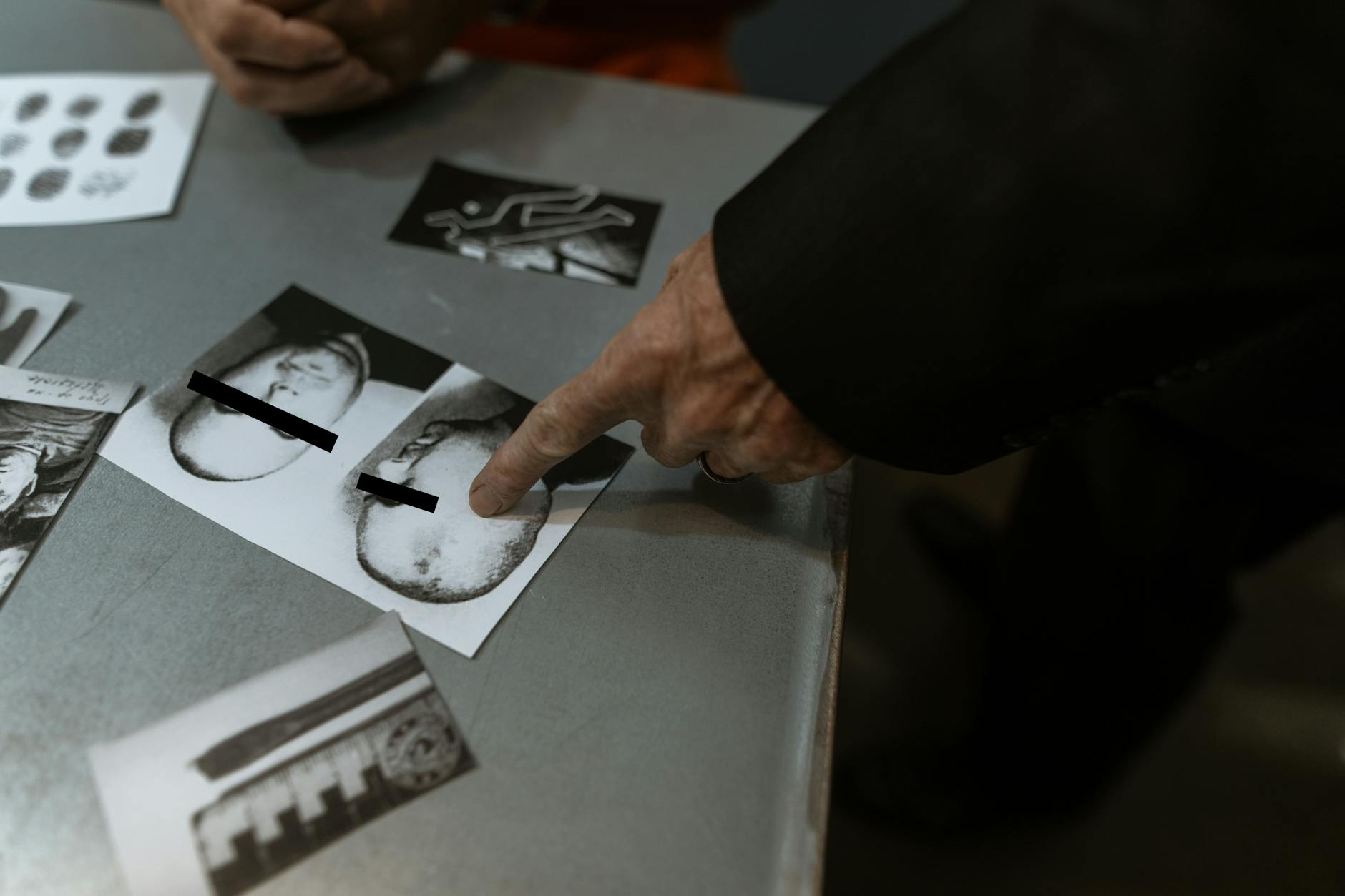
Prosecutors play a pivotal role in cases involving police officers, acting as the linchpin between law enforcement and the justice system. Their responsibility extends beyond merely presenting evidence; they must navigate complex legal landscapes and public scrutiny. Prosecutors must decide whether to charge officers, often facing immense pressure from both the public and law enforcement agencies. This delicate balance requires a deep understanding of both criminal law and the nuances of police work.
One significant challenge prosecutors face is the need to prove beyond a reasonable doubt that an officer's actions were criminal. According to a report by the National Registry of Exonerations, only a small fraction of cases against police officers result in convictions. This statistic underscores the difficulty prosecutors encounter in securing convictions, often due to the high burden of proof required.
Prosecutors must also contend with the "blue wall of silence," a phenomenon where police officers refrain from testifying against their colleagues. This unwritten code of conduct can make it difficult for prosecutors to gather sufficient evidence or witness testimony. Experts suggest that breaking this code requires not only legal strategies but also a shift in police culture and community relations.
Additionally, prosecutors must consider the broader implications of their decisions. Charging a police officer can have ripple effects throughout the department and the community. Prosecutors must weigh the potential impact on public trust, officer morale, and the overall effectiveness of law enforcement. This multifaceted role demands a nuanced approach, balancing justice with the practical realities of policing.
Unique Challenges in Police Prosecutions
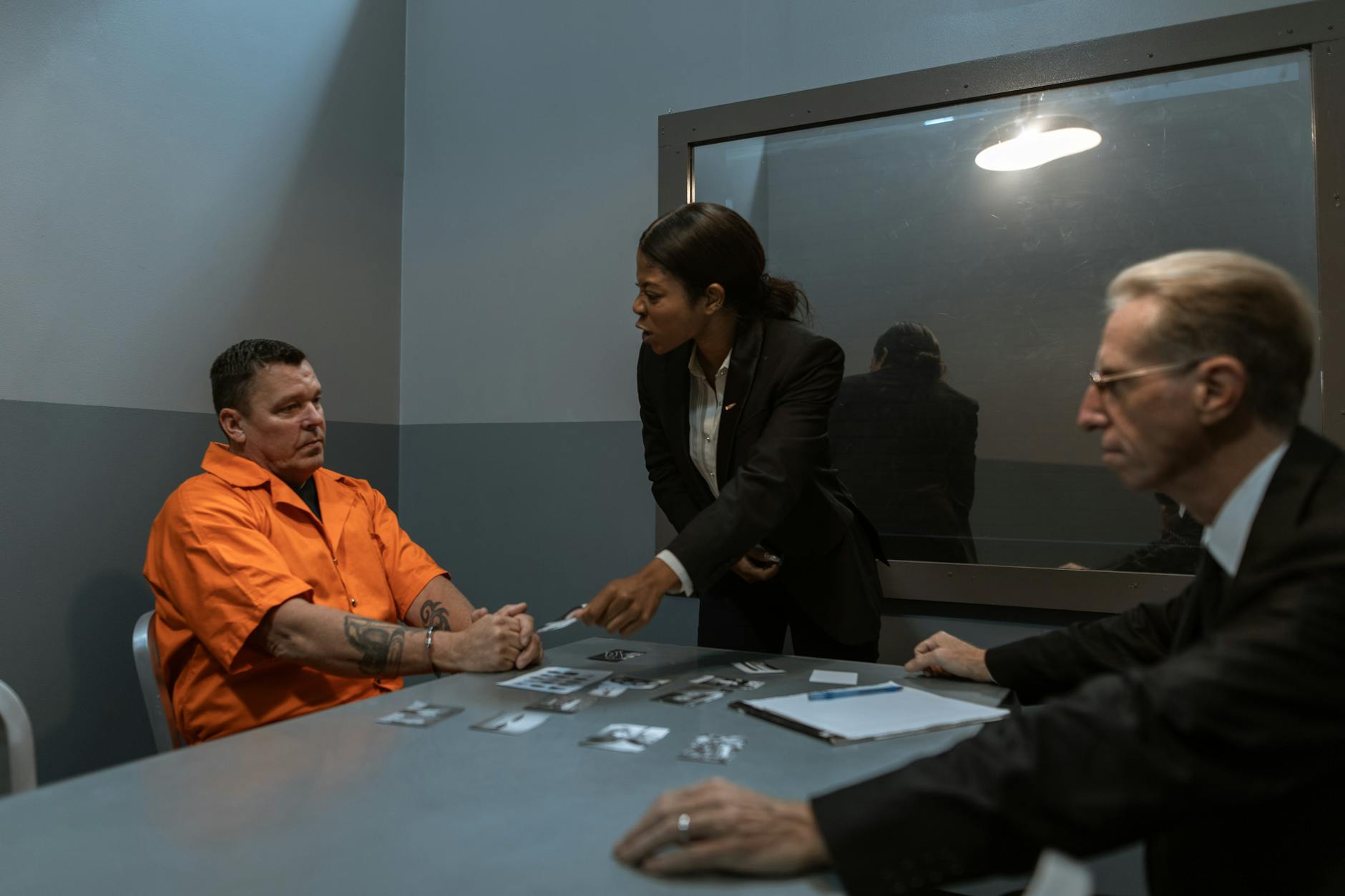
Prosecuting police officers presents a distinct set of challenges that differ significantly from prosecuting civilians. The very nature of the job—authority, public trust, and the use of force—creates a complex legal landscape. Police officers operate within a framework of laws designed to protect both them and the public, making prosecutions more intricate. This dynamic often leads to unique legal and procedural hurdles that prosecutors must navigate.
One major obstacle is the legal doctrine of "qualified immunity," which shields officers from civil lawsuits unless they violate clearly established rights. This doctrine can complicate criminal prosecutions, as it sets a high bar for proving misconduct. According to legal experts, qualified immunity has been a recurring barrier in cases involving police use of force. The doctrine's intent was to protect officers from frivolous lawsuits, but critics argue it often shields misconduct from accountability.
Another challenge is the "blue wall of silence," an unspoken code among police officers to not report on a colleague's misconduct. This culture of silence can make it difficult for prosecutors to gather evidence or find witnesses willing to testify against an officer. The reluctance to cooperate stems from loyalty and fear of retaliation, further complicating investigations. Breaking this wall requires careful handling and often involves leveraging external evidence or whistleblowers.
Additionally, prosecutors must contend with the public's perception of police officers. Officers are often viewed as protectors, which can influence jury decisions. This bias can make it harder to secure convictions, as jurors may be hesitant to believe an officer acted improperly. Prosecutors must work diligently to present evidence that counters these preconceived notions and demonstrates the officer's actions were unlawful.
The Impact of Police Culture and Solidarity
Prosecuting police officers presents unique challenges, particularly when examining the impact of police culture and solidarity. A strong sense of loyalty among officers can create an environment where reporting misconduct is discouraged. This culture of silence often stems from the close-knit nature of police work, where officers rely on each other for safety and support. As a result, whistleblowers may face ostracism or even retaliation from their peers, making it difficult for prosecutors to gather evidence or find witnesses willing to testify.
Studies show that only 12% of complaints against police officers result in disciplinary action. This statistic underscores the difficulty prosecutors face when trying to hold officers accountable. The "blue wall of silence" is a well-documented phenomenon, where officers protect each other by not reporting misconduct or providing false alibis. This solidarity can make it nearly impossible for prosecutors to build a case against an officer, as crucial evidence may be withheld or witnesses may refuse to cooperate.
Expert analysis highlights that police culture can also influence the behavior of prosecutors and judges. Those involved in the legal process may have personal or professional ties to law enforcement, which can create biases that favor police officers. This can lead to a lack of impartiality in the prosecution process, further complicating efforts to hold officers accountable for their actions. Addressing these cultural challenges requires a multifaceted approach, including policy reforms and cultural shifts within police departments.
Ultimately, the impact of police culture and solidarity on the prosecution process cannot be underestimated. Without addressing these deeply ingrained issues, prosecutors will continue to face significant obstacles in their efforts to hold police officers accountable for misconduct. It is crucial for law enforcement agencies and the legal system to work together to foster a culture of transparency and accountability, ensuring that justice is served for all parties involved.
Navigating Legal and Procedural Hurdles

Prosecuting police officers presents unique challenges that extend beyond typical criminal cases. The process involves navigating complex legal and procedural hurdles, which can delay or even derail prosecutions. One significant obstacle is the legal doctrine of qualified immunity, which shields officers from lawsuits unless they violate clearly established statutory or constitutional rights. This doctrine often requires plaintiffs to prove that the officer's actions were not only unreasonable but also violated a right that a reasonable officer would have known.
Prosecutors must also contend with the "blue wall of silence," a phenomenon where police officers refuse to testify against their colleagues. This code of silence can make it difficult to gather evidence and build a strong case. According to a study by the Police Executive Research Forum, this issue is prevalent in many departments, further complicating prosecutions. The reluctance of officers to cooperate can leave prosecutors with limited witnesses and evidence, weakening their ability to secure convictions.
Additionally, the chain of command and internal affairs processes can create procedural hurdles. Internal investigations often take precedence, and departments may handle misconduct internally rather than referring cases to external prosecutors. This can delay the criminal justice process and allow evidence to become stale or be lost. The complexity of these procedures can make it challenging for prosecutors to navigate the legal landscape and bring cases to trial.
Finally, prosecutors must consider the potential impact on police-community relations. High-profile cases can exacerbate tensions, making it crucial for prosecutors to handle these cases with sensitivity and transparency. Balancing the need for accountability with the maintenance of public trust is a delicate task that requires careful consideration and strategic planning.
Potential Reforms to Improve Accountability

To enhance accountability in prosecuting police officers, several reforms have been proposed. One critical area is modifying the legal standards that govern police use of force. Currently, the "reasonable officer" standard allows significant leeway in determining whether force was justified. Tightening this standard could make it easier to prosecute officers for excessive force. According to a report by the National Institute of Justice, clearer guidelines on use of force could reduce the number of unjustified incidents by up to 25%.
Another reform involves establishing independent prosecutorial units to handle cases involving police misconduct. These units would operate separately from local district attorneys' offices, which often have close working relationships with police departments. Such independence could help ensure impartial investigations and prosecutions. This approach has shown promise in jurisdictions where it has been implemented, leading to higher rates of accountability.
Improving transparency and data collection is also essential. Mandating comprehensive reporting of police use of force incidents would provide a clearer picture of the scope of the problem. This data could then be used to identify patterns, track progress, and inform policy decisions. Experts argue that better data collection is a cornerstone of effective reform, as it enables evidence-based strategies to address systemic issues.
Finally, enhancing police training and accountability measures within departments could have a significant impact. Mandatory de-escalation training, regular psychological evaluations, and stricter disciplinary procedures could help prevent misconduct before it occurs. These measures, combined with external reforms, could create a more accountable and transparent policing system. The goal is to build trust between law enforcement and the communities they serve, ultimately leading to safer and more just outcomes for all.
Prosecuting police officers presents unique challenges that stem from their role as law enforcement officers, the evidence they handle, and the legal protections they receive. At its core, this process requires a delicate balance between holding officers accountable and respecting their vital role in society. To navigate these complexities, prosecutors must prioritize independent investigations, robust evidence collection, and transparent proceedings. Moving forward, continued efforts to reform policies and enhance training will be crucial in ensuring fair and effective prosecutions, ultimately strengthening public trust in the justice system.
Need this answered for your specific case?
Get a flat-fee consultation with a verified U.S. immigration attorney. Engagement letter on every paid consult.
Related guides
This guide provides general legal information and does not create an attorney–client relationship. Information accurate as of July 2026. Always verify current USCIS guidance before acting.