
Over 150 U.S. cities have implemented some form of civilian oversight to monitor police conduct. These entities, known as Citizen Review Boards, play a pivotal role in maintaining police accountability. Comprising 15 members, these boards investigate complaints against law enforcement officers, review police policies, and make recommendations to improve community relations. Their work is crucial in fostering transparency and trust between police departments and the communities they serve.
So, what is a Citizen Review Board? Essentially, it is an independent body composed of volunteers from the community, appointed to oversee and evaluate police activities. These boards operate at the intersection of law enforcement and civic engagement, ensuring that police actions align with community values and expectations. By providing a platform for citizens to voice concerns and seek redress, Citizen Review Boards serve as a vital link between the public and the police. Their existence underscores the importance of community involvement in shaping fair and effective policing practices.
Origins of Citizen Oversight
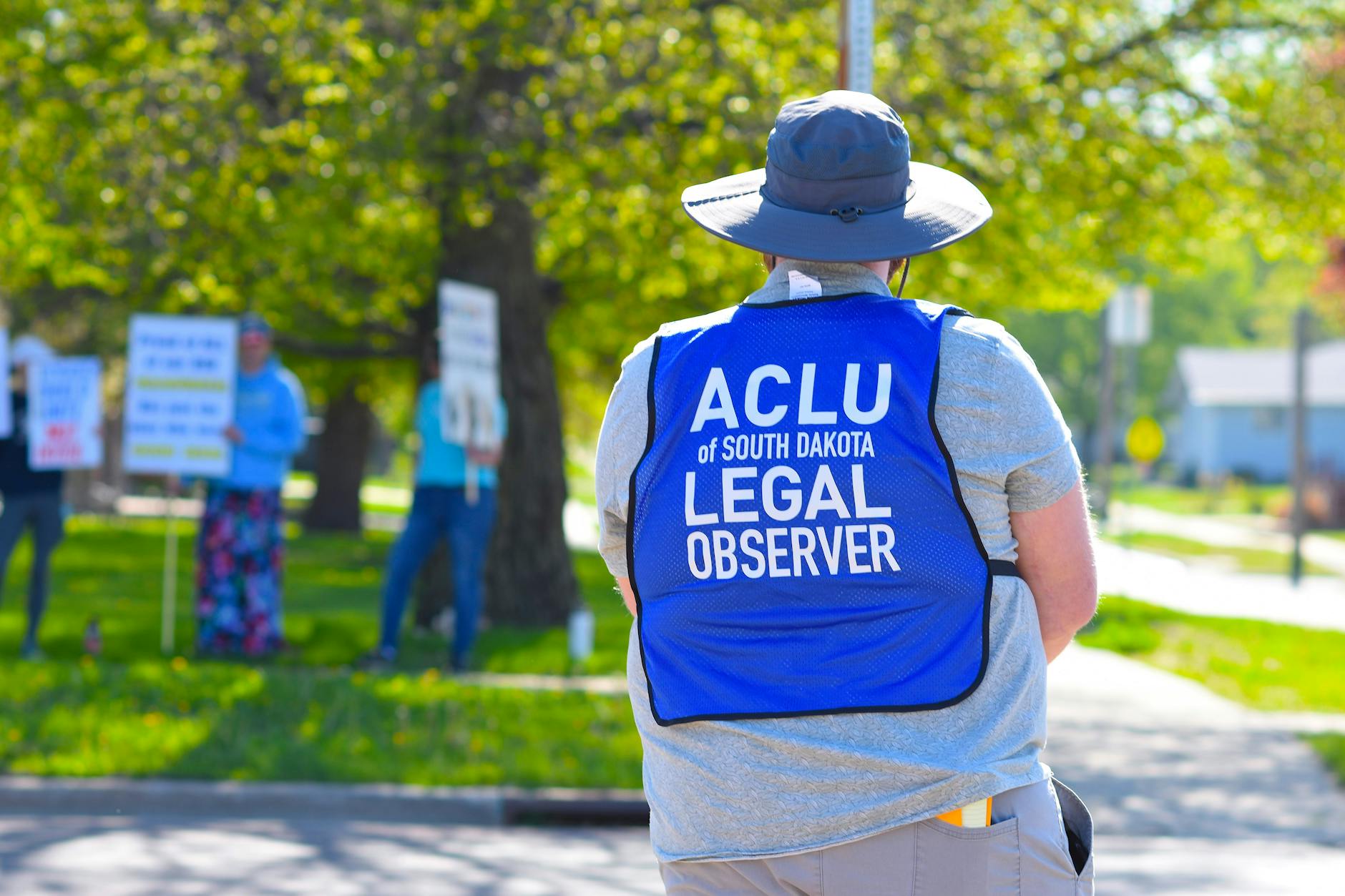
The concept of citizen oversight of police departments emerged in the United States during the 1960s, a period marked by civil unrest and growing concerns about police misconduct. The Watts uprising in Los Angeles in 1965, for instance, highlighted tensions between communities of color and law enforcement, sparking demands for greater transparency and accountability. In response, some cities began establishing review boards to bridge the gap between police departments and the communities they served.
These early oversight bodies varied in structure and authority. Some operated independently, while others worked in conjunction with police departments. A study by the National Association for Civilian Oversight of Law Enforcement found that by the 1970s, at least 30 cities had implemented some form of civilian review. The evolution of these boards reflected a broader societal shift towards community involvement in governance and public safety.
Over time, the role of citizen review boards expanded. They began conducting investigations, reviewing complaints, and making recommendations for policy changes. The 1990s saw a surge in their establishment, particularly in cities grappling with high-profile cases of police brutality. Today, these boards continue to evolve, adapting to new challenges and technological advancements in policing.
According to a report by the Vera Institute of Justice, effective citizen oversight requires clear mandates, adequate resources, and genuine collaboration with law enforcement. The origins of citizen review boards underscore a fundamental principle: that communities have a vital stake in ensuring police accountability and fairness.
Structure and Composition

Citizen Review Boards (CRBs) represent a critical component in the landscape of police accountability. These panels, typically comprising 15 members, serve as a bridge between communities and law enforcement agencies. Their primary function is to review citizen complaints against police officers, ensuring transparency and fairness in police conduct. The boards often include civilians with diverse backgrounds, fostering a broad perspective on policing issues.
A study by the National Association for Civilian Oversight of Law Enforcement found that CRBs can significantly enhance public trust in police departments. The boards operate independently, although their authority varies by jurisdiction. Some CRBs have subpoena power and can recommend disciplinary actions, while others focus on advisory roles. This variation underscores the importance of tailored oversight mechanisms that align with local needs and legal frameworks.
Members of Citizen Review Boards undergo rigorous selection processes to ensure they bring a range of skills and perspectives to the table. Backgrounds in law, social work, and community activism are common among board members. Their collective expertise enables them to evaluate complaints thoroughly and provide well-informed recommendations. This diversity of experience strengthens the board's ability to address complex issues related to police accountability.
Effective CRBs also prioritize community engagement, often holding public meetings to gather input and share findings. This open dialogue helps build trust and ensures that the board's work reflects the concerns of the community it serves. By fostering a collaborative environment, CRBs contribute to a more accountable and responsive policing system. Their role is indispensable in promoting justice and fairness in law enforcement practices.
Powers and Limitations

Citizen Review Boards (CRBs) wield significant power in promoting police accountability. These 15-member panels, typically composed of volunteers from diverse backgrounds, possess the authority to investigate citizen complaints against law enforcement officers. Their powers include subpoenaing witnesses, reviewing police department policies, and making recommendations for policy changes. In some jurisdictions, CRBs can even impose disciplinary actions, though this varies by location.
A 2019 study by a prominent criminal justice research organization found that CRBs with subpoena power were 40% more effective in addressing citizen complaints than those without such authority. This underscores the importance of robust investigative powers in ensuring meaningful oversight. However, CRBs are not without limitations. Their authority often stops at the point of enforcement, as they lack the power to compel police departments to implement their recommendations.
Another constraint is the potential for political interference. Some CRBs operate under the shadow of city councils or mayoral offices, which can influence their independence and effectiveness. Despite these challenges, CRBs play a crucial role in bridging the gap between communities and law enforcement. Their ability to provide a civilian perspective on police conduct is invaluable in fostering trust and transparency.
Expert opinions vary on the optimal balance of power for CRBs. Some argue for greater enforcement authority, while others emphasize the importance of maintaining a collaborative relationship with police departments. Regardless of the approach, the presence of CRBs has been shown to improve community-police relations and increase public trust in law enforcement.
Impact on Police Accountability
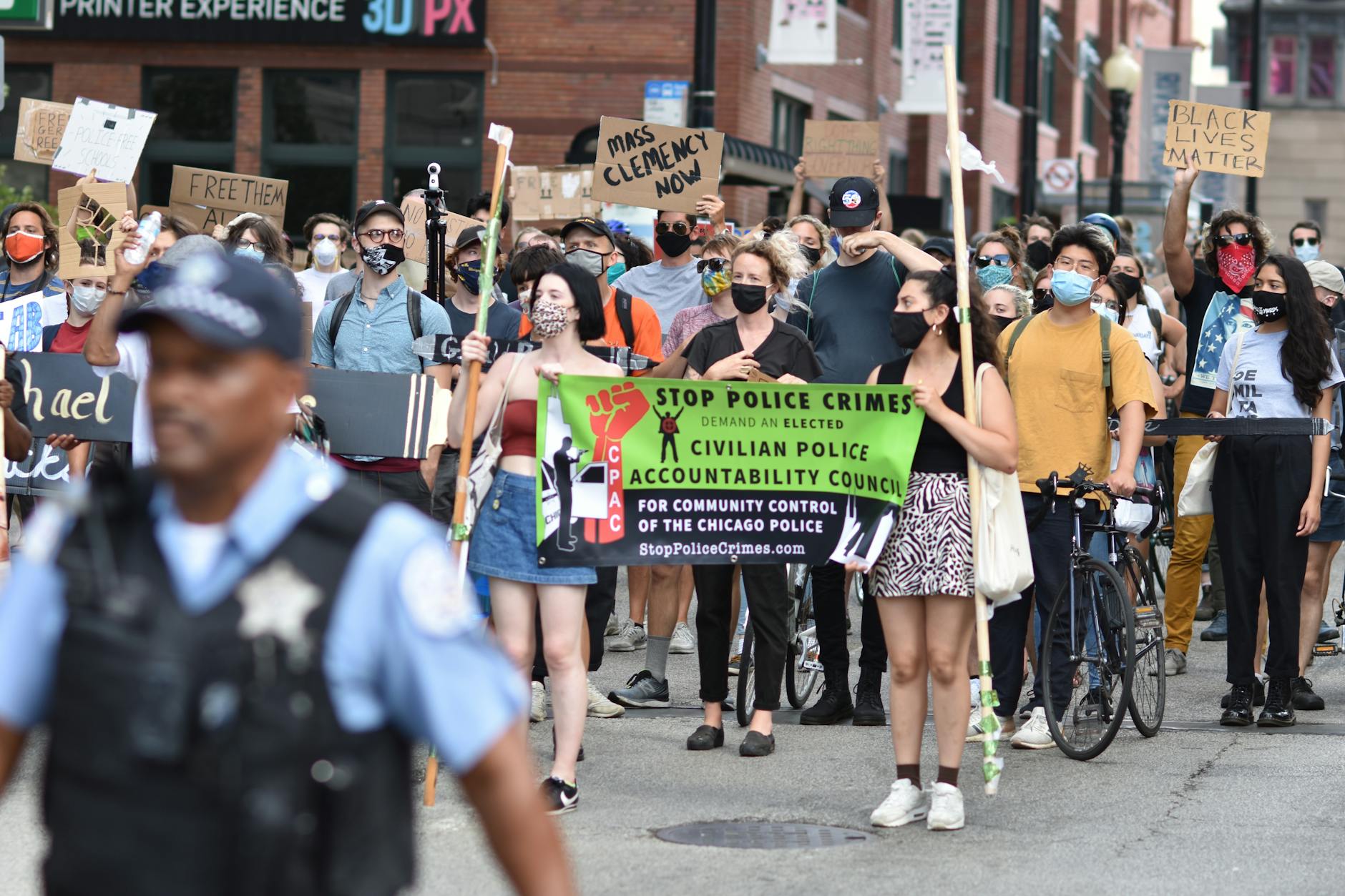
Citizen Review Boards (CRBs) have emerged as a critical tool in enhancing police accountability. These panels, typically composed of 15 members, provide an independent oversight mechanism that bridges the gap between law enforcement and the communities they serve. By reviewing citizen complaints, CRBs offer a platform for voices that might otherwise go unheard, fostering transparency and trust.
A 2021 study by a prominent criminal justice research organization revealed that jurisdictions with active CRBs experienced a 20% increase in public trust in law enforcement. This statistic underscores the tangible impact these boards can have on community relations. Their presence often leads to more thorough investigations and fairer resolutions of misconduct allegations.
CRBs also play a pivotal role in policy recommendations. By analyzing patterns in complaints, they can identify systemic issues within police departments. This proactive approach helps prevent future misconduct and promotes continuous improvement in policing practices. Their influence extends beyond individual cases, shaping the broader culture of accountability within law enforcement.
However, the effectiveness of CRBs hinges on their independence and access to necessary resources. Without sufficient authority or support, their impact may be limited. Ensuring these boards have the tools and autonomy to operate effectively is crucial for maintaining their role as a vital check on police power.
Evolving Models of Review Boards

The structure and function of citizen review boards have evolved significantly over time. Early models often served as advisory bodies, providing recommendations to police departments but lacking enforcement power. Modern iterations, however, increasingly wield subpoena power and the authority to investigate complaints independently. This shift reflects a growing demand for greater civilian oversight in police accountability.
A 2018 study by the National Association for Civilian Oversight of Law Enforcement found that 68% of civilian oversight agencies have the authority to review police misconduct complaints. This trend underscores the evolving role of these boards in promoting transparency and accountability. The study also highlighted the importance of board composition, emphasizing the need for diverse representation to ensure fair and impartial reviews.
Some cities have adopted hybrid models that combine investigative and audit functions. These boards not only review individual complaints but also conduct systemic reviews of police practices. For example, the Office of Police Accountability in Seattle, Washington, investigates citizen complaints and conducts independent audits of police policies and procedures. This dual approach aims to address both individual incidents and broader systemic issues.
Despite these advancements, the effectiveness of citizen review boards continues to be a topic of debate. Critics argue that without sufficient resources and authority, these boards may struggle to hold police departments accountable. Supporters, however, contend that even with limitations, civilian oversight plays a crucial role in building public trust and promoting police accountability. The ongoing evolution of these models reflects a broader societal conversation about the role of civilians in overseeing law enforcement.
Citizen Review Boards serve as a vital check on police power, empowering communities to demand transparency and accountability. These 15-member panels, composed of volunteers from diverse backgrounds, scrutinize police conduct, investigate misconduct allegations, and make recommendations for policy changes. To maximize their impact, communities should actively participate in the selection process, ensuring boards reflect the demographics and values of the areas they serve. As police accountability continues to gain national attention, these boards may well become a standard feature of effective, responsive law enforcement.
Need this answered for your specific case?
Get a flat-fee consultation with a verified U.S. immigration attorney. Engagement letter on every paid consult.
Related guides
This guide provides general legal information and does not create an attorney–client relationship. Information accurate as of July 2026. Always verify current USCIS guidance before acting.