
Public trust in law enforcement has reached a critical juncture, with only 48% of Americans expressing confidence in their local police according to a recent Gallup poll. This erosion of trust underscores the vital role of civilian oversight in maintaining accountability and transparency within police departments. Civilian oversight refers to independent bodies that monitor police conduct, investigate misconduct allegations, and recommend disciplinary actions or policy changes. These entities operate outside the police department's chain of command, ensuring impartiality and public representation in policing matters.
Understanding what is civilian oversight police is crucial for communities seeking to build stronger, more accountable law enforcement institutions. Civilian oversight comes in various forms, including review boards, inspectors general, and independent prosecutors. These mechanisms empower communities to have a direct say in police practices and hold officers accountable for misconduct. By examining five key ways civilian oversight holds police accountable, this article will illuminate how these systems can restore public trust and enhance police-community relations.
Understanding Civilian Oversight Basics
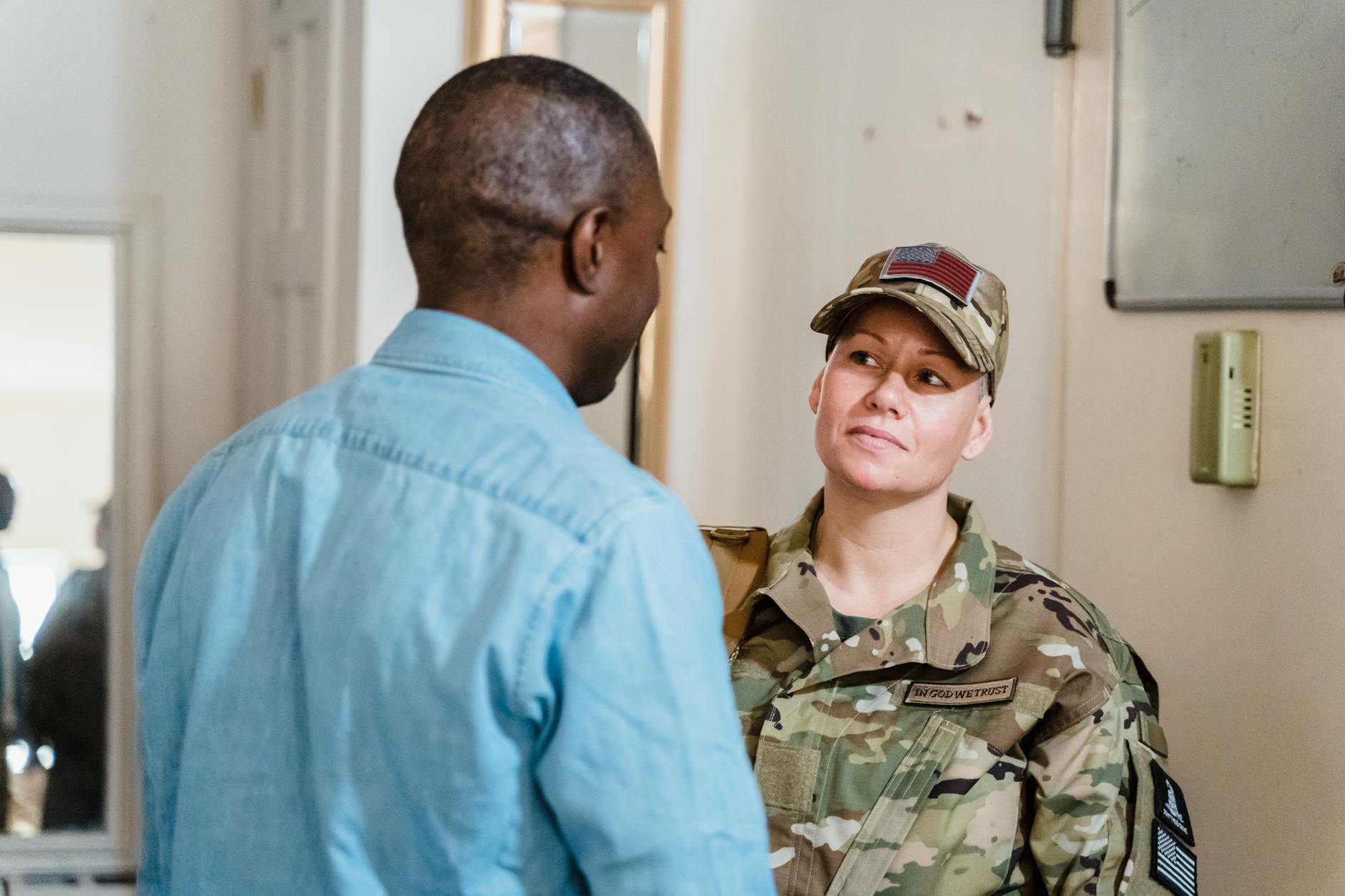
Civilian oversight refers to the independent monitoring and evaluation of police activities by non-law enforcement entities. This practice aims to enhance transparency, accountability, and public trust in policing. Civilian oversight bodies can take various forms, including civilian review boards, independent police auditors, or community-based organizations. Their primary goal is to investigate complaints against police officers, review police policies and practices, and make recommendations for improvements.
A key aspect of civilian oversight is its independence from police departments. This separation ensures that investigations and reviews are conducted impartially. According to a study by the National Association for Civilian Oversight of Law Enforcement, agencies with effective civilian oversight experience a 15% increase in public trust. This underscores the importance of having an independent body to scrutinize police actions.
Civilian oversight bodies typically have the authority to receive and investigate complaints from the public. They may also conduct their own investigations into police misconduct. These bodies often have the power to subpoena witnesses and documents, ensuring they have the necessary tools to conduct thorough investigations. Their findings and recommendations can influence policy changes and disciplinary actions within police departments.
In some jurisdictions, civilian oversight bodies have the authority to recommend disciplinary actions against officers found to have violated policies or laws. However, the final decision on disciplinary measures usually rests with the police department or a separate disciplinary board. This collaborative approach ensures that accountability measures are both fair and effective. The presence of civilian oversight helps to bridge the gap between law enforcement and the communities they serve, fostering a more collaborative and trustworthy relationship.
How Independent Review Boards Operate

Independent review boards serve as a critical component of civilian oversight, providing an external lens to examine police conduct. These boards typically consist of civilians, often appointed by local government or elected officials, who review complaints against law enforcement. Their independence from police departments allows them to investigate allegations of misconduct impartially. Boards may also recommend policy changes or training improvements based on their findings.
According to a study by the National Association for Civilian Oversight of Law Enforcement, jurisdictions with robust review boards experience a 15% increase in public trust in police. These boards operate through various mechanisms, including receiving and investigating complaints, conducting independent audits, and making recommendations to police departments and local governments. Their work often involves reviewing body-worn camera footage, interviewing involved parties, and analyzing police policies and procedures.
One of the key functions of review boards is to ensure transparency and accountability. They frequently publish reports detailing their investigations and findings, which helps to inform the public about police conduct. Additionally, these boards may hold public hearings or meetings to discuss their work and gather community input. By providing a platform for community voices, review boards help to bridge the gap between law enforcement and the communities they serve.
In some cases, review boards have the authority to issue subpoenas and compel testimony, which strengthens their ability to conduct thorough investigations. This power is crucial for obtaining evidence and ensuring that all relevant information is considered. However, the specific authorities and responsibilities of review boards can vary significantly depending on local laws and regulations. Despite these variations, their role in promoting accountability and transparency remains invaluable.
The Role of Community Complaints
Community complaints serve as a critical mechanism in civilian oversight, empowering citizens to voice concerns about police misconduct. When individuals report incidents of excessive force, discrimination, or other violations, oversight bodies investigate these claims. This process not only addresses individual grievances but also identifies systemic issues within police departments. According to a study by the National Association for Civilian Oversight of Law Enforcement, departments with robust complaint systems see a 30% reduction in misconduct allegations over time.
Oversight agencies often receive complaints through dedicated hotlines, online portals, or in-person meetings. These channels ensure accessibility for all community members, including those who may face language barriers or fear retaliation. Each complaint undergoes thorough review, with oversight bodies determining whether further action is warranted. This process fosters transparency and accountability, reinforcing public trust in law enforcement.
Beyond individual cases, community complaints help shape policy reforms. Patterns in complaints can reveal systemic biases or training gaps, prompting oversight bodies to recommend changes. For instance, a spike in complaints about racial profiling might lead to bias training initiatives or policy revisions. This proactive approach ensures that police departments evolve in response to community needs.
Effective civilian oversight relies on active community engagement. Encouraging residents to report misconduct and participate in oversight processes strengthens the system's impact. When communities feel heard and see tangible results, they are more likely to collaborate with law enforcement. This mutual respect fosters a safer, more just environment for all.
Technology's Growing Influence on Oversight

Technology has become an increasingly powerful tool in civilian oversight of police departments. Body-worn cameras, for instance, have become standard equipment for many officers. These devices capture interactions between police and the public, providing objective evidence that can be reviewed during investigations. A study by the Police Executive Research Forum found that agencies using body cameras experienced a 50% reduction in complaints against officers. This technology not only promotes transparency but also helps to protect both officers and civilians.
Social media platforms have also played a significant role in oversight. Citizens can now share videos and photos of police interactions instantly, often leading to widespread scrutiny. This real-time accountability has forced police departments to address misconduct more swiftly. Experts argue that this digital transparency has reshaped public expectations of police behavior, pushing for higher standards of conduct.
Data analytics tools are another technological advancement aiding oversight. These tools analyze patterns in police misconduct reports, identifying problem areas within departments. By pinpointing recurring issues, civilian oversight boards can target their efforts more effectively. This data-driven approach ensures that resources are allocated where they are most needed, fostering a more accountable police force.
Mobile applications have emerged as another valuable resource. Apps like "I'm Getting Arrested" allow citizens to alert legal observers when they are detained. This immediate notification can deter police misconduct and ensure that legal support is available promptly. Such innovations highlight the growing intersection of technology and civilian oversight, creating a more transparent and accountable policing environment.
Building Stronger Police-Community Ties

Civilian oversight plays a pivotal role in fostering stronger ties between police departments and the communities they serve. By establishing independent bodies to review police conduct, oversight mechanisms create a bridge of transparency and accountability. This process helps build trust, as communities see that their concerns are taken seriously and addressed impartially. When people believe their voices are heard, they are more likely to cooperate with law enforcement, leading to safer neighborhoods.
One key aspect of civilian oversight is the involvement of community members in decision-making processes. This inclusion ensures that policies and practices reflect the values and needs of the public. For instance, oversight boards often include representatives from diverse backgrounds, ensuring a broad perspective on policing issues. According to a study by the National Institute of Justice, communities with effective civilian oversight report higher levels of satisfaction with police services.
Moreover, civilian oversight helps address systemic issues within police departments. By regularly reviewing police practices and identifying areas for improvement, oversight bodies can recommend changes that enhance fairness and effectiveness. This proactive approach not only holds officers accountable but also encourages a culture of continuous improvement within the department. Ultimately, stronger police-community ties result in a more collaborative and respectful relationship, benefiting everyone involved.
Civilian oversight stands as a critical safeguard, ensuring police accountability and fostering public trust. It empowers communities to monitor law enforcement, address misconduct, and advocate for policy changes that prioritize fairness and transparency. To strengthen this vital system, communities should actively participate in oversight boards, attend public meetings, and demand data-driven reforms. As society evolves, so too must our commitment to equitable and accountable policing, ensuring safety for all.
Need this answered for your specific case?
Get a flat-fee consultation with a verified U.S. immigration attorney. Engagement letter on every paid consult.
Related guides
This guide provides general legal information and does not create an attorney–client relationship. Information accurate as of July 2026. Always verify current USCIS guidance before acting.