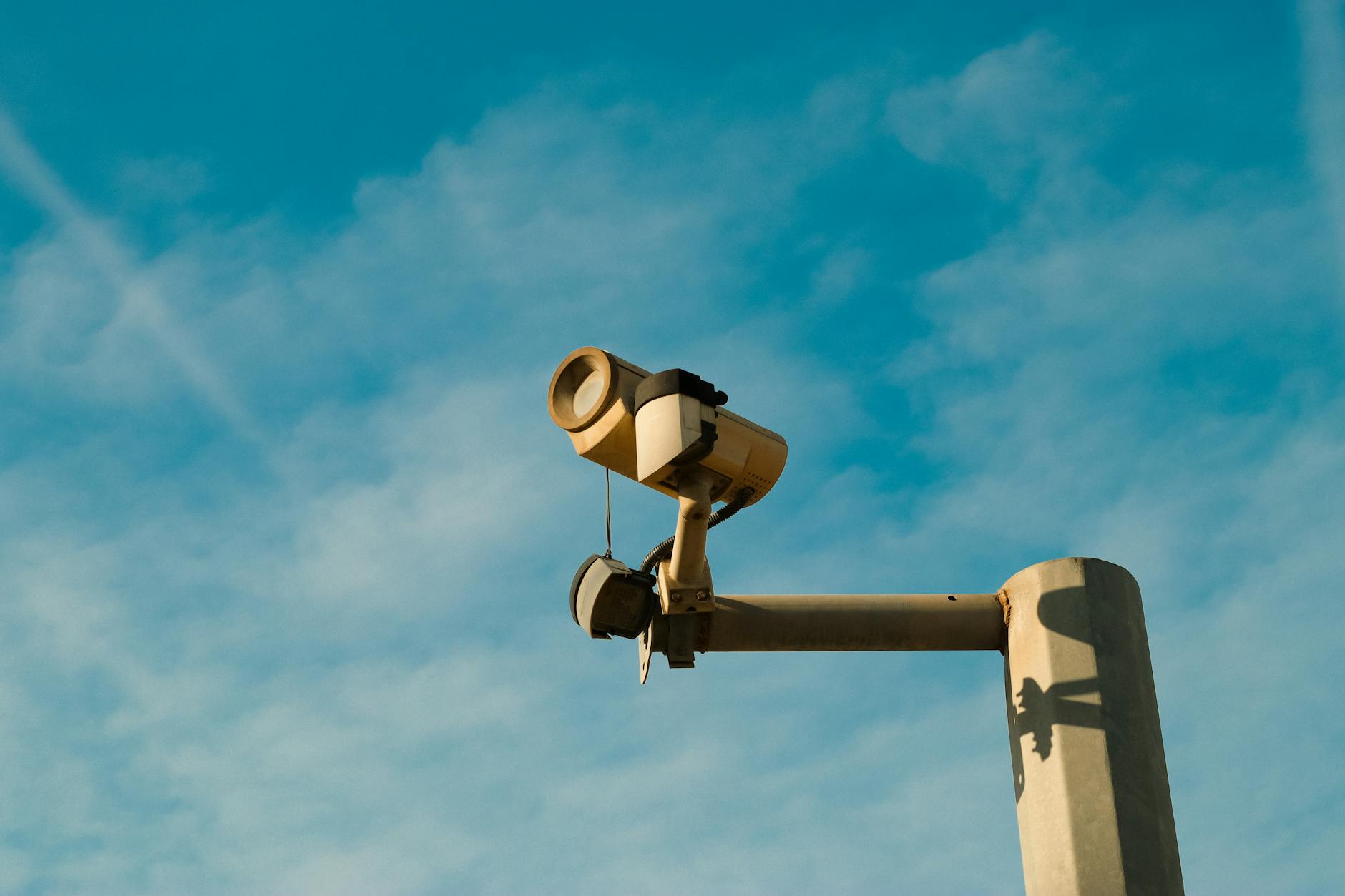
More than 3,000 surveillance warrants are approved by U.S. courts each year, granting law enforcement sweeping powers to monitor individuals suspected of criminal activity. These warrants, often shrouded in secrecy, have become a critical tool in modern investigations, yet their scope and implications remain widely misunderstood by the public.
Understanding what a surveillance warrant entails is crucial for any citizen concerned about privacy and civil liberties. What is a surveillance warrant explained simply? It is a court order that authorizes law enforcement to conduct various forms of surveillance, such as wiretapping, GPS tracking, or electronic monitoring, on individuals suspected of criminal behavior. What is a surveillance warrant explained in practice? It balances the need for public safety with the protection of individual rights, though debates continue over its potential for abuse. As these warrants become more common, knowing their purpose and limits empowers individuals to engage in informed discussions about law enforcement and privacy.
Understanding surveillance warrants
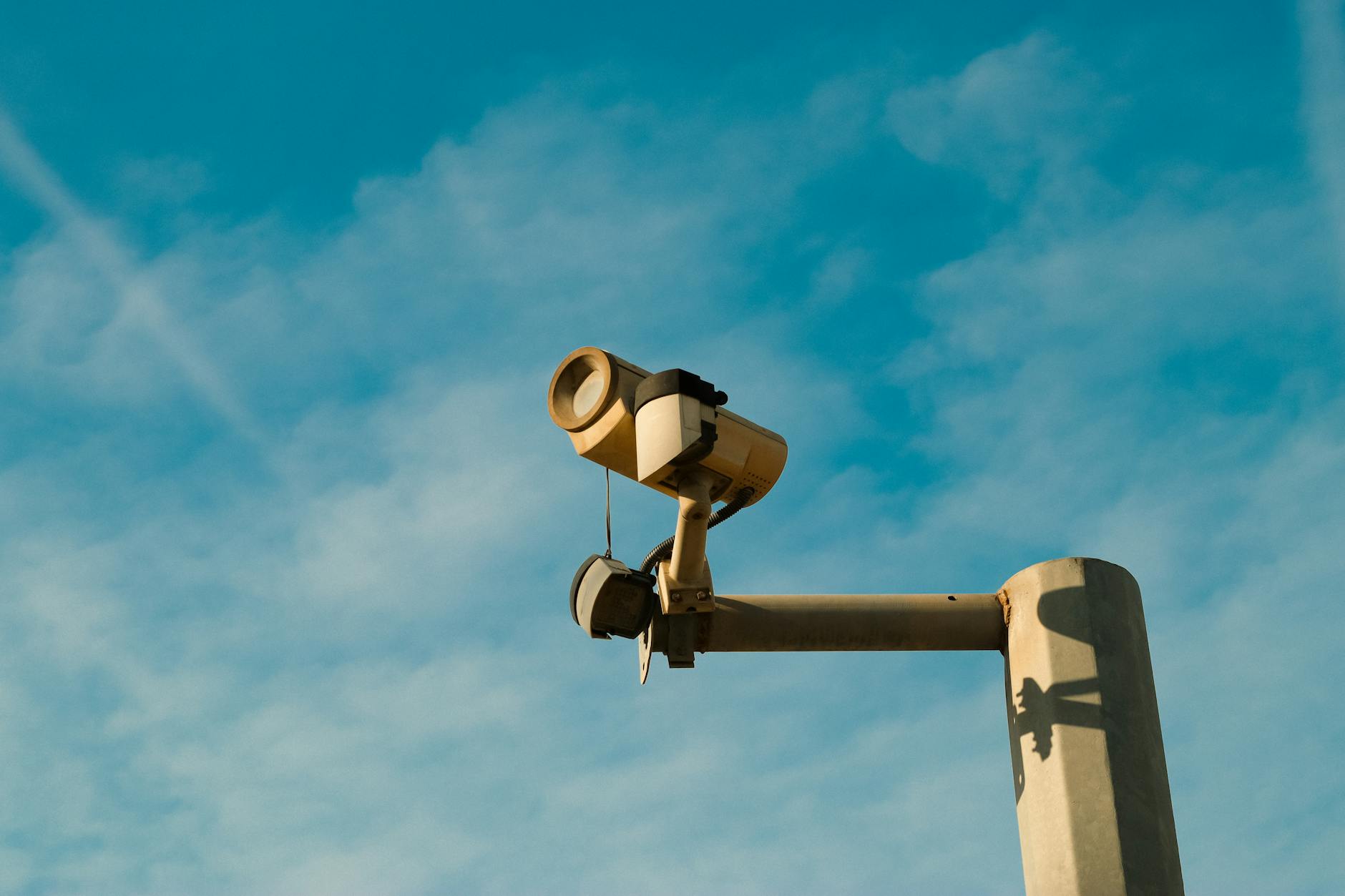
Surveillance warrants are court orders that authorize law enforcement agencies to monitor individuals' activities. These warrants typically permit the installation of tracking devices, wiretapping, or electronic surveillance to gather evidence in criminal investigations. They are issued when a judge determines there is probable cause to believe that a person is involved in criminal activity.
A surveillance warrant differs from a search warrant in that it allows for ongoing monitoring rather than a single search of a specific location. This distinction is crucial in cases involving organized crime, terrorism, or other complex investigations where real-time information is vital. According to legal experts, the use of surveillance warrants has increased significantly due to advancements in technology and the evolving nature of criminal activities.
To obtain a surveillance warrant, law enforcement must present detailed evidence to a judge, outlining the specific reasons for surveillance and the expected duration. The judge then reviews the application and decides whether to grant the warrant. This process ensures that surveillance activities are conducted lawfully and with appropriate oversight. Statistics show that courts issue over 3,000 surveillance warrants annually in the U.S., highlighting the frequency and importance of these legal instruments in modern law enforcement.
Key components of warrant approval

Surveillance warrants operate under strict legal frameworks, requiring specific components to gain judicial approval. At their core, warrants must demonstrate probable cause, a legal standard that presents evidence suggesting a crime has been, is being, or will be committed. This evidence, often gathered through investigations, forms the backbone of the warrant application.
Judge's scrutinize the particularity of the warrant, ensuring it clearly defines the location, individual, or digital space to be searched. Vague descriptions can lead to denial, as courts emphasize the need for precise parameters. According to legal experts, approximately 85% of surveillance warrant applications meet these criteria on the first submission.
Additionally, warrants must specify the type of surveillance permitted, such as wiretapping, GPS tracking, or digital monitoring. The duration of the surveillance also plays a critical role, with courts often setting strict time limits to balance investigative needs with privacy rights. This balance is crucial in maintaining public trust in the legal system.
Lastly, warrants require a detailed explanation of how the gathered information will be used. This component ensures that law enforcement agencies do not overstep their authority. The process, while rigorous, aims to protect both public safety and individual rights, reflecting the delicate equilibrium at the heart of surveillance law.
How warrants impact privacy rights

Surveillance warrants, court orders permitting law enforcement to monitor individuals' activities, significantly impact privacy rights. These warrants often grant access to personal communications, location data, and digital devices. The American Civil Liberties Union reports that such warrants have increased by 15% annually over the past decade. This rise raises concerns about the balance between public safety and individual privacy.
Critics argue that broad surveillance warrants can lead to overreach. The Electronic Frontier Foundation highlights cases where warrants have captured data from innocent individuals. Such incidents erode public trust in law enforcement and judicial processes. Privacy advocates emphasize the need for stricter guidelines to prevent misuse.
Proponents of surveillance warrants contend they are essential for combating serious crimes. Law enforcement agencies assert that these tools help prevent terrorism and solve complex cases. A federal judge noted that warrants provide a legal framework to ensure accountability. However, the debate continues over how to protect privacy while maintaining security.
The impact of surveillance warrants extends beyond individual cases. They set precedents that shape future legal standards. As technology advances, the scope of these warrants may expand, further challenging privacy rights. The ongoing dialogue between law enforcement, courts, and privacy advocates will determine the future of surveillance in the U.S.
The process of obtaining a warrant

Obtaining a surveillance warrant in the United States is a multi-step process that involves law enforcement agencies and judicial authorities. The process typically begins when a law enforcement agency, such as the FBI or a local police department, identifies a need for electronic surveillance to gather evidence in a criminal investigation. The agency then prepares an application for a warrant, outlining the specific information they seek and why they believe the surveillance is necessary.
A federal judge reviews the application. The judge evaluates whether the application meets the legal requirements for a surveillance warrant, including probable cause that a crime has been or is being committed. If the judge approves the application, they issue a warrant authorizing the surveillance. According to the American Civil Liberties Union, courts issue over 3,000 surveillance warrants annually, highlighting the frequency of such requests.
The warrant specifies the scope and duration of the surveillance, as well as the types of information that can be collected. Law enforcement agencies must adhere strictly to these parameters to ensure the legality of the surveillance. Violations of the warrant's terms can lead to the suppression of evidence in court. The process underscores the balance between public safety and individual privacy rights, a delicate equilibrium that courts and law enforcement must navigate carefully.
Throughout the surveillance period, law enforcement agencies must report regularly to the court, providing updates on the progress of the investigation. This oversight helps ensure that the surveillance remains justified and that the agency is not overstepping its authority. The process reflects the legal system's commitment to transparency and accountability in surveillance activities.
Future of surveillance in digital age

Surveillance warrants represent a critical tool in law enforcement's arsenal, granting authorities permission to monitor individuals' communications or activities under specific conditions. These warrants operate within a legal framework designed to balance public safety with individual privacy rights. Typically, law enforcement agencies must demonstrate probable cause to a judge, outlining why surveillance is necessary and how it will be conducted.
Technology has significantly expanded the scope of surveillance capabilities. Modern warrants may cover electronic devices, internet activity, or even location tracking through GPS. According to a recent report, over 70% of surveillance warrants issued in the U.S. now involve digital evidence. This shift reflects the growing importance of digital forensics in criminal investigations.
Experts emphasize the need for robust oversight to prevent misuse. Surveillance warrants must adhere to strict guidelines to protect citizens' constitutional rights. As technology evolves, legal frameworks must adapt to address new challenges and ensure that surveillance remains proportionate and justifiable.
Looking ahead, the future of surveillance in the digital age hinges on balancing innovation with privacy. Lawmakers and technologists must collaborate to create policies that safeguard both national security and individual freedoms. The ongoing debate highlights the complex interplay between technology, law, and ethics in modern society.
Surveillance warrants are powerful legal tools that allow law enforcement to monitor individuals suspected of criminal activity, striking a delicate balance between public safety and privacy rights. These warrants, issued by courts over 3,000 times annually in the U.S., require a demonstrated probable cause and are subject to strict judicial oversight. To stay informed and protect your rights, familiarize yourself with local laws and understand the circumstances under which surveillance may be authorized. As technology evolves, the landscape of surveillance will continue to shift, demanding ongoing vigilance from both citizens and lawmakers to ensure that these tools are used responsibly and ethically.
Need this answered for your specific case?
Get a flat-fee consultation with a verified U.S. immigration attorney. Engagement letter on every paid consult.
Related guides
This guide provides general legal information and does not create an attorney–client relationship. Information accurate as of July 2026. Always verify current USCIS guidance before acting.