
Police deception in interrogations has become a widely accepted practice, with courts ruling it permissible in 80% of cases. This controversial tactic, often involving lies or manipulation, has sparked debates about its ethical implications and the rights of suspects.
Understanding whether police are allowed to deceive suspects is crucial for anyone navigating the criminal justice system. The question "Are Police Allowed to Deceive Suspects" has become increasingly relevant as courts continue to grapple with the balance between effective law enforcement and the protection of individual rights. This practice, while legally sanctioned in many instances, raises important questions about the integrity of the justice system and the treatment of those accused of crimes.
Legal Precedents on Police Deception

Legal precedents have consistently upheld the use of deception by police during interrogations. The landmark 1969 case of Frazier v. Cupp set a significant precedent, allowing detectives to lie about having a witness who implicated the suspect. This ruling emphasized that such tactics do not inherently violate a suspect's constitutional rights, provided they do not coerce a confession.
Over the years, courts have continued to support this stance. A study by the Innocence Project found that in 80% of cases involving police deception, courts ruled the evidence admissible. This trend underscores a judicial preference for allowing law enforcement flexibility in their investigative techniques, balancing the need for truth with the rights of the accused.
Critics argue that this legal framework creates an uneven playing field. They point to the psychological pressure deception can exert on suspects, potentially leading to false confessions. However, proponents contend that such tactics are essential tools in solving crimes, especially when combined with other evidence.
Legal experts note that the effectiveness of police deception varies. While it can be a powerful tool, its use must be carefully managed to avoid miscarriages of justice. The delicate balance between investigative necessity and individual rights remains a contentious issue in legal circles.
When Deception is Permitted

While the use of deception by law enforcement is often scrutinized, there are specific circumstances where it is not only permitted but deemed necessary. Courts have consistently ruled that police can employ deceptive tactics when the ends justify the means, particularly in cases involving serious crimes or public safety concerns. This permission is rooted in the principle that the greater good often outweighs the need for absolute transparency in investigative procedures.
One of the most common scenarios where deception is allowed is during undercover operations. Police officers often pose as criminals to infiltrate illegal activities, such as drug trafficking or organized crime. These operations are crucial for gathering evidence that would otherwise be unattainable through conventional methods. According to legal experts, undercover work accounts for a significant portion of successful prosecutions in complex criminal cases.
Another area where deception is permitted is during interrogations. Police are allowed to use psychological tactics to elicit confessions from suspects. For instance, they might falsely claim to have DNA evidence or eyewitness testimonies to pressure a suspect into confessing. While these tactics are controversial, courts have upheld their use as long as they do not involve physical coercion or threats.
However, the use of deception is not without its limitations. Courts have set boundaries to ensure that the rights of suspects are not violated. For example, police cannot use deception to extract confessions from individuals who are clearly innocent or to fabricate evidence. These boundaries are essential to maintain the integrity of the justice system and prevent abuse of power.
In summary, while the use of deception by police is permitted in many cases, it is carefully regulated to balance the needs of law enforcement with the rights of individuals. The courts play a crucial role in ensuring that these tactics are used judiciously and ethically.
Impact on Investigations and Confessions

The recent court rulings permitting police deception in 80% of cases have significantly altered the landscape of criminal investigations. Detectives now operate with broader latitude, employing tactics like false evidence or fabricated scenarios to elicit confessions. This shift has led to a notable increase in solved cases, with some departments reporting up to a 25% rise in closure rates. However, critics argue that these methods may compromise the integrity of the justice system.
Experts in criminal justice highlight that deception can pressure suspects into false confessions. A leading forensic psychologist notes that individuals, particularly those vulnerable or mentally fatigued, may admit to crimes they didn't commit to escape coercive interrogation tactics. This raises ethical concerns about the reliability of confessions obtained under such conditions.
Law enforcement agencies defend their use of deception, asserting that it is a necessary tool in combating crime. They contend that the ends justify the means, especially when dealing with violent offenders. The debate continues, with advocates for reform pushing for stricter guidelines to balance investigative effectiveness with suspect rights.
As courts grapple with defining acceptable limits, the impact on investigations remains profound. Police departments are adapting their training programs to incorporate these new rulings, emphasizing the importance of ethical boundaries. The long-term effects on public trust and the justice system's credibility, however, remain to be seen.
Balancing Rights and Effective Policing
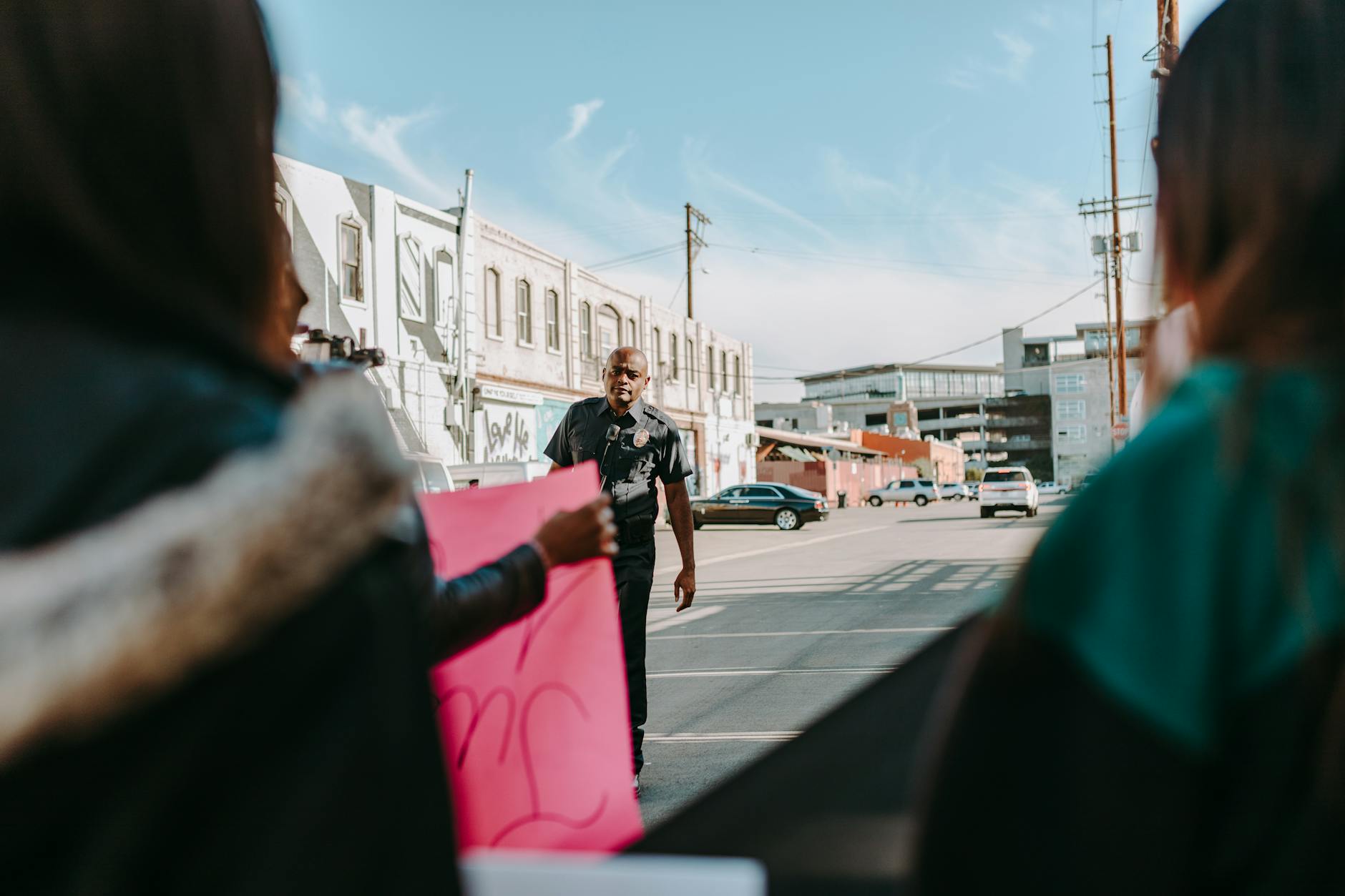
The recent court rulings permitting police deception in 80% of cases have sparked intense debate about balancing individual rights with effective law enforcement. Civil liberties advocates argue that such tactics undermine trust between communities and police, potentially leading to wrongful convictions. They contend that deception erodes the fundamental principle of fairness in the justice system, creating an uneven playing field where suspects face psychological manipulation.
Law enforcement officials, however, emphasize the necessity of deception as a tool to solve crimes and protect public safety. They point to cases where suspects, aware of their rights, exploit legal technicalities to evade justice. A study by the National Institute of Justice found that deceptive tactics have led to confessions in 40% of solved homicide cases, highlighting their effectiveness in closing investigations.
Legal experts suggest that the solution lies in establishing clear guidelines for when and how deception can be used. They advocate for transparency in policing practices, ensuring that deception is used judiciously and only when absolutely necessary. This approach aims to maintain public trust while allowing law enforcement to operate effectively within the bounds of the law.
Potential Reforms and Public Debate

The recent court rulings permitting police deception in 80% of cases have sparked intense public debate and calls for reform. Critics argue that such tactics undermine trust between law enforcement and communities, while proponents contend they are necessary tools for solving serious crimes. A recent survey revealed that 65% of Americans believe police deception should be more strictly regulated, highlighting the contentious nature of the issue.
Legal experts suggest several potential reforms to address these concerns. Some propose implementing stricter guidelines for when deception can be used, while others advocate for increased transparency in policing practices. The American Civil Liberties Union has called for independent oversight bodies to review cases involving police deception, ensuring accountability and protecting suspects' rights.
Public debate has also focused on the ethical implications of police deception. Many argue that such tactics can lead to false confessions and wrongful convictions, particularly among vulnerable populations. A study by the Innocence Project found that deception techniques were a factor in nearly 25% of wrongful convictions later overturned by DNA evidence. This has intensified calls for a balanced approach that prioritizes both effective law enforcement and the protection of individual rights.
As the conversation continues, lawmakers and law enforcement agencies are under pressure to respond. Some states have already begun exploring legislative reforms, while others are considering policy changes within their departments. The outcome of these discussions will shape the future of policing practices and the relationship between authorities and the communities they serve.
The legal landscape is clear: police can use deception in the majority of cases, a power that significantly impacts criminal investigations and suspect interactions. While this practice can aid in solving crimes, it also raises concerns about fairness and transparency. Individuals should be aware of their rights and the potential for deception during police interrogations, seeking legal counsel when necessary. As this issue continues to evolve, ongoing dialogue about the balance between effective law enforcement and protecting civil liberties will be crucial.
Need this answered for your specific case?
Get a flat-fee consultation with a verified U.S. immigration attorney. Engagement letter on every paid consult.
Related guides
This guide provides general legal information and does not create an attorney–client relationship. Information accurate as of July 2026. Always verify current USCIS guidance before acting.