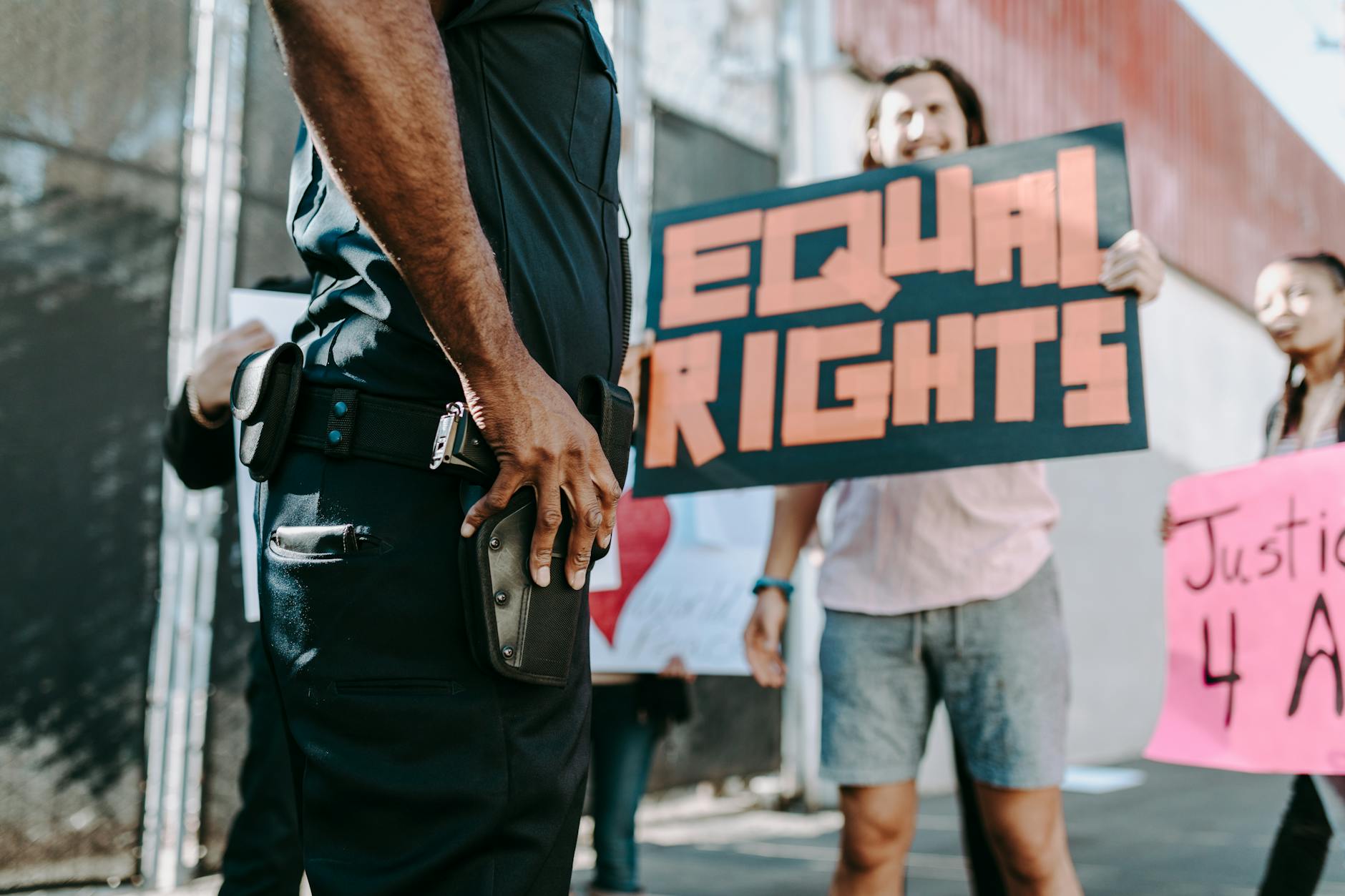
Every year, thousands of deaf individuals in the United States encounter law enforcement, often with communication barriers that can escalate situations unnecessarily. These interactions can lead to misunderstandings, mistrust, and even violence. Understanding the rights of deaf individuals when interacting with police is crucial for ensuring fair treatment and safety for all parties involved.
So, what are the rights of deaf with police? Deaf individuals possess specific legal protections designed to bridge communication gaps and prevent discrimination. These rights include the entitlement to effective communication, such as qualified sign language interpreters, when necessary. Police departments must also provide reasonable accommodations to ensure deaf individuals can fully participate in interactions. Recognizing and respecting these rights not only upholds the law but also fosters a more inclusive society. Whether you're a member of the deaf community, a law enforcement officer, or a concerned citizen, knowing what are the rights of deaf with police can make a significant difference in how these interactions unfold.
Understanding Deaf Rights in Law Enforcement

Deaf individuals possess distinct rights when interacting with law enforcement, primarily rooted in the Americans with Disabilities Act (ADA). The ADA mandates that police departments provide effective communication, ensuring Deaf citizens can comprehend and respond to officers. This often involves qualified sign language interpreters or other auxiliary aids. According to the National Association of the Deaf, these accommodations are not optional but legally required to prevent discrimination.
One critical right is the entitlement to an interpreter during custodial interrogations. Police cannot rely on untrained individuals, including family members or fellow inmates, to interpret. The Supreme Court has upheld this right, emphasizing that accurate communication is vital to due process. Deaf suspects must be informed of their Miranda rights in an accessible manner, typically through a qualified interpreter.
Deaf individuals also have the right to request an interpreter during traffic stops or other routine encounters. Officers should not proceed with questioning or instructions until effective communication is established. Failure to provide reasonable accommodations can lead to legal consequences for the department. The Department of Justice has emphasized that law enforcement agencies must train officers on these obligations to ensure compliance.
In emergencies, Deaf individuals can dial 911 using text or video relay services. Officers responding to these calls should be prepared to communicate effectively. Agencies are encouraged to maintain a list of qualified interpreters for immediate deployment. This proactive approach helps ensure Deaf citizens receive equal protection under the law.
Communication Access: Essential Rights for the Deaf

Communication access stands as a fundamental right for deaf individuals during police interactions. The Americans with Disabilities Act (ADA) mandates that law enforcement agencies provide effective communication, ensuring deaf individuals can comprehend and convey information. This often involves qualified interpreters, particularly in critical situations like interrogations or emergencies.
Studies show that over 70% of deaf individuals report communication barriers with police. These challenges can lead to misunderstandings, mistreatment, or even wrongful arrests. Police departments must train officers in basic sign language and ensure interpreters are available when needed. Failure to do so violates federal law and can result in legal consequences.
Deaf rights advocates emphasize the importance of clear protocols. According to a leading disability rights organization, standardized procedures help prevent communication breakdowns. These protocols should include guidelines for requesting interpreters, using written communication, and respecting the deaf individual's preferred method of interaction. Such measures foster trust and ensure fair treatment.
In emergencies, immediate access to interpreters can be life-saving. Police departments should have contingency plans to secure interpreters promptly, even outside regular hours. This proactive approach aligns with the ADA's requirements and demonstrates a commitment to equal protection under the law. By prioritizing communication access, law enforcement agencies uphold the rights and dignity of deaf individuals.
Interactions: What Police Must Provide
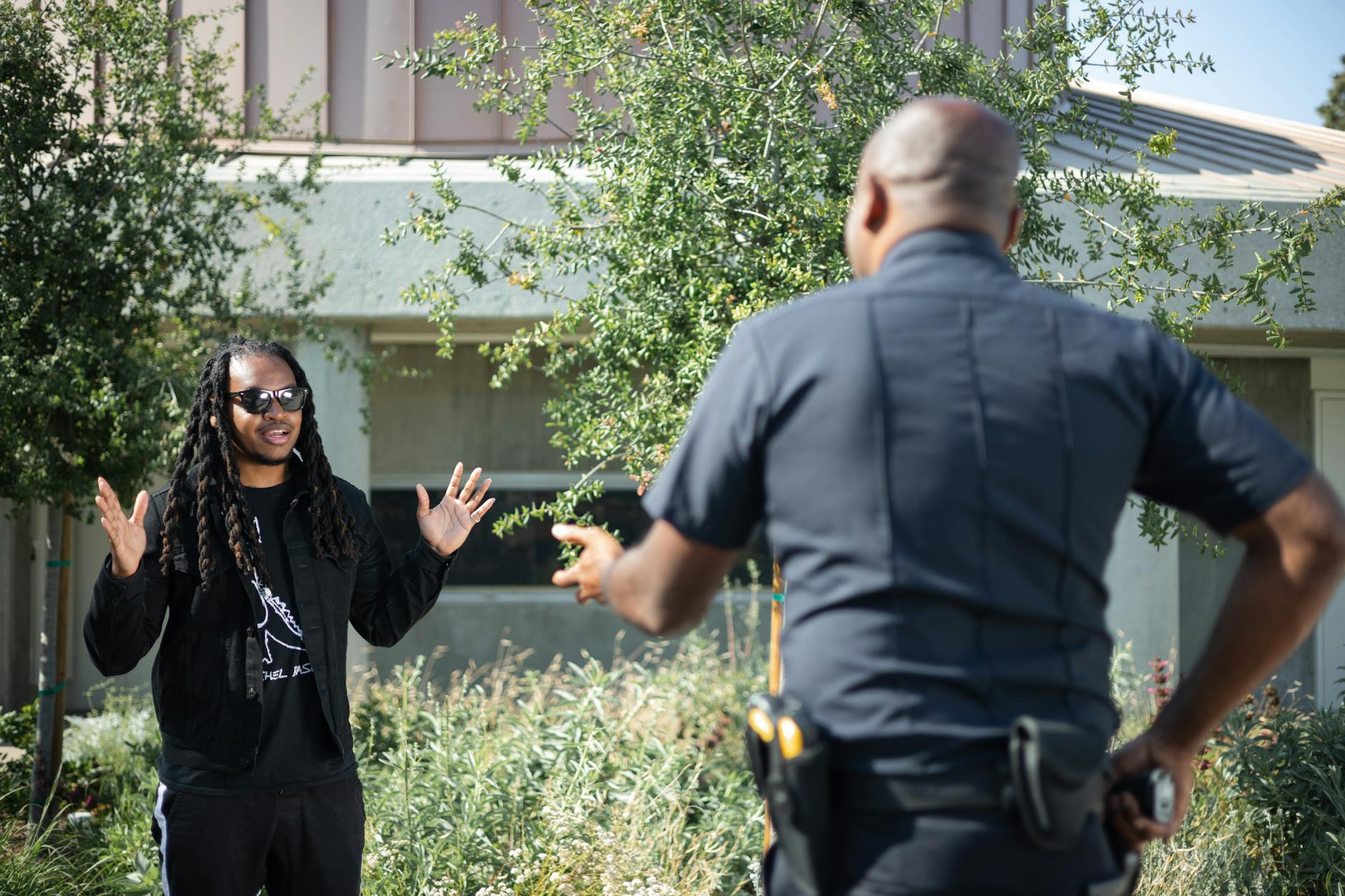
When interacting with police, deaf individuals have specific rights to ensure effective communication. Officers must provide reasonable accommodations, which may include a qualified sign language interpreter. This requirement stems from the Americans with Disabilities Act (ADA), ensuring equal access to services. Failure to provide such accommodations can lead to miscommunication, misunderstandings, and potential legal consequences.
A study by the National Association of the Deaf found that 80% of deaf individuals reported difficulties communicating with law enforcement. This highlights the critical need for proper accommodations. Police departments are encouraged to establish protocols for obtaining interpreters promptly. Delayed or inadequate accommodations can exacerbate situations and violate the rights of deaf individuals.
In some cases, police may use written notes or other non-verbal methods to communicate. However, these methods should not replace professional interpretation when necessary. The goal is to ensure that deaf individuals fully understand their rights, the nature of the interaction, and any potential legal implications. Effective communication is key to maintaining public trust and ensuring fair treatment for all.
Training programs for law enforcement emphasize the importance of these accommodations. Officers learn to recognize when an interpreter is needed and how to facilitate its provision. This proactive approach helps prevent conflicts and ensures that interactions with deaf individuals are conducted fairly and respectfully. By adhering to these guidelines, police departments uphold the principles of equality and justice.
Practical Steps for Deaf Individuals

Deaf individuals have specific rights when interacting with police, and knowing these protections can make encounters safer and more effective. First, always request an interpreter if communication barriers arise. Federal law mandates that law enforcement provide reasonable accommodations, including sign language interpreters, to ensure effective communication. Studies show that without proper interpretation, misunderstandings can escalate quickly, leading to unnecessary conflicts.
Documenting interactions is another crucial step. Deaf individuals should use video recording on their phones or other devices to capture the encounter. Visual evidence can protect against false accusations and provide clarity in legal proceedings. Police officers are generally aware of this right, and recording interactions is legal in most jurisdictions.
Deaf individuals should also be aware of their right to an attorney. If an officer attempts to question a deaf person without an interpreter present, the individual has the right to remain silent and request legal counsel. The American Civil Liberties Union emphasizes that clear communication is essential for due process, and legal representation ensures that rights are upheld throughout the interaction.
Finally, Deaf individuals should familiarize themselves with local laws and policies regarding police interactions. Some cities have specific guidelines for interacting with deaf or hard-of-hearing individuals. Knowing these policies can help deaf individuals advocate for their rights more effectively during encounters with law enforcement.
Advocating for Continued Progress

The fight for deaf rights doesn't end with awareness. Advocacy groups continue pushing for systemic changes to ensure equal treatment under the law. They demand better training for police officers, including mandatory sign language courses and sensitivity training. These measures aim to bridge the communication gap and prevent misunderstandings that can escalate situations.
Experts emphasize the importance of clear, consistent policies. A study by the National Association of the Deaf found that only 30% of police departments have formal protocols for interacting with deaf individuals. This inconsistency can lead to confusion and potential harm. Advocates urge lawmakers to standardize these procedures nationwide.
Community involvement plays a crucial role. Deaf individuals and their allies organize workshops and seminars to educate law enforcement. These initiatives foster mutual understanding and trust. By working together, they strive to create a safer environment for everyone.
Understanding and respecting the rights of deaf individuals during police interactions is crucial for ensuring equal protection under the law. Deaf people have the right to effective communication, reasonable accommodations, and protection from discrimination, among other key protections. To foster better interactions, law enforcement agencies should provide training on deaf culture and American Sign Language (ASL) to officers, while community members can advocate for these initiatives. Moving forward, continued education and advocacy will be essential in creating a more inclusive society where deaf individuals feel safe and respected in their interactions with police.
Need this answered for your specific case?
Get a flat-fee consultation with a verified U.S. immigration attorney. Engagement letter on every paid consult.
Related guides
This guide provides general legal information and does not create an attorney–client relationship. Information accurate as of July 2026. Always verify current USCIS guidance before acting.