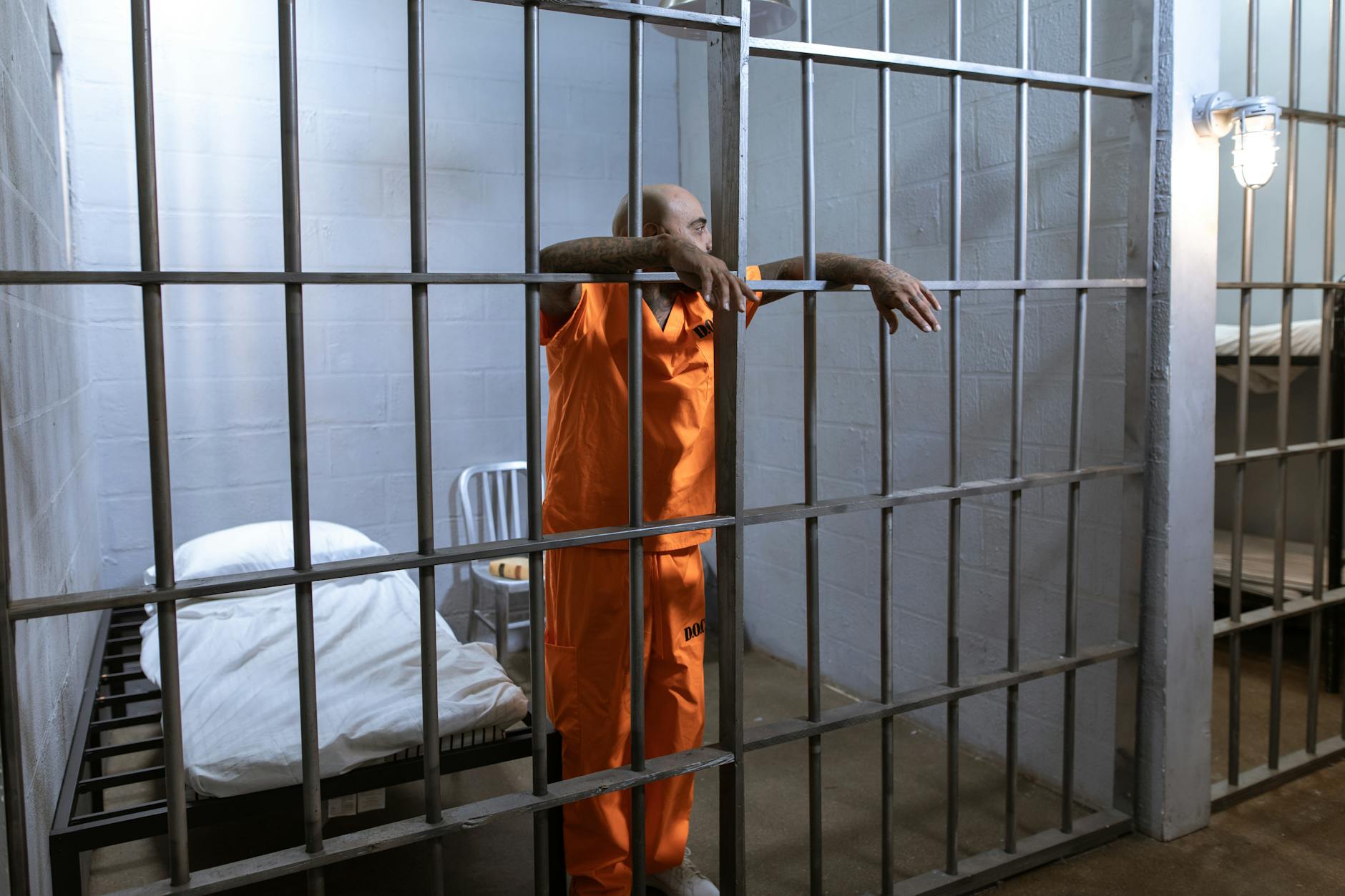
The United States is one of the few countries in the world where capital punishment remains a legal form of punishment, with 27 states allowing the death penalty. As of 2022, 1,539 people have been executed in the US since 1976, when the death penalty was reinstated. The death penalty is a highly debated and contentious issue, with proponents arguing that it serves as a deterrent to crime and a means of justice for heinous crimes, while opponents argue that it is inhumane and disproportionately affects marginalized communities.
The death penalty process is a complex and multifaceted system that involves various stages, from sentencing to execution. The process can vary significantly from state to state, but it typically involves a series of court proceedings, including trial, appeal, and post-conviction review. Understanding the death penalty process is crucial for anyone interested in this topic, as it provides insight into the intricate mechanisms that govern the application of capital punishment in the US. What Is the Death Penalty Process, and how does it work?
Evolving Debate Surrounds Death Penalty Process Worldwide

The death penalty process is a complex and highly debated topic worldwide. It involves a detailed and multi-step procedure, typically initiated by the government or prosecution.
The process usually begins with a trial, where the defendant is found guilty of a capital offense. According to Amnesty International, more than 140 countries have abolished the death penalty or suspended its use.
A death sentence is often followed by an appeal process, which may involve multiple stages and levels of review. If the appeal is unsuccessful, the defendant may be granted clemency by the governor or a higher authority.
The execution method can vary depending on the country and jurisdiction, with common methods including lethal injection, electrocution, and hanging. Death penalty opponents argue that the process is often riddled with errors and biases, leading to wrongful convictions and executions.
History and Origins of Capital Punishment in the United States

The death penalty has a long and complex history in the United States.
Capital punishment has been a part of American law since the colonial era, with the first recorded execution taking place in 1608.
The early colonies adopted laws that allowed for the death penalty in a variety of circumstances, including murder, treason, and heresy.
The 18th and 19th centuries saw a significant increase in the use of the death penalty, with many states adopting laws that allowed for capital punishment. According to the Death Penalty Information Center, over 15,000 people were executed in the United States between 1608 and 1967.
Executions were often public and involved methods such as hanging, firing squads, and gas chambers.
The use of the death penalty began to decline in the mid-20th century, with many states abolishing capital punishment in the 1960s and 1970s. However, the death penalty remains a contentious issue in the United States, with ongoing debates about its effectiveness and morality.
Understanding the Death Penalty Process and Its Various Methods

The death penalty process is a complex and multifaceted system that involves a series of steps and procedures. At its core, the death penalty is a form of capital punishment, where a person is sentenced to death for a serious crime, usually murder or treason. The process typically begins with a trial, where the defendant is found guilty by a jury or judge.
The death penalty process involves several stages, including sentencing, appeals, and execution. According to the Death Penalty Information Center, over 1,500 people have been executed in the United States since 1976. The method of execution can vary depending on the state and the jurisdiction, with common methods including lethal injection, electrocution, and gas chambers.
Sentencing is a critical step in the death penalty process, where the judge or jury determines whether the defendant will receive a death sentence or life imprisonment. This decision is usually based on aggravating and mitigating factors, such as the severity of the crime and the defendant's prior record. The appeals process allows the defendant to contest the conviction or sentence in higher courts, which can lead to a reduction in the sentence or even an acquittal.
In some jurisdictions, the death penalty process involves a complex system of checks and balances, where multiple layers of review and appeal are in place to ensure that the sentence is fair and just. This can include review by a governor or a state supreme court, which can grant clemency or commute the sentence.
A Step-by-Step Look at the Trial and Sentencing Process

The trial process begins with the accused being formally charged and arraigned in court. The prosecution presents evidence, and the defense argues for the defendant's innocence or mitigating circumstances. A judge determines whether there is enough evidence to proceed with a trial.
The trial itself typically follows a standard format. Prosecutors present their case, calling witnesses and presenting physical evidence. Defense attorneys may also call witnesses and present their own evidence. A jury deliberates, weighing the evidence presented and reaching a verdict.
According to the National Institute of Justice, approximately 14% of convicted murders in the United States receive the death penalty. The sentencing phase of the trial may be separate from the guilt phase, and the jury may be re-seated. Prosecutors present aggravating factors, such as the severity of the crime or the defendant's criminal history, while defense attorneys present mitigating circumstances.
During the sentencing phase, the judge or jury considers the severity of the crime, the defendant's background, and any aggravating or mitigating factors. They may also consider victim impact statements and hear testimony from family members or other witnesses.
Challenges and Controversies Shaping the Future of Capital Punishment

The death penalty process has long been a contentious issue, with proponents arguing it serves as a deterrent to crime and opponents claiming it is a form of state-sanctioned murder. Critics point to numerous cases of wrongful convictions, with some estimates suggesting that up to 4% of individuals on death row may be innocent.
While some countries continue to uphold the death penalty, others have abolished it altogether. The International Commission of Jurists estimates that more than 140 countries have done away with capital punishment, citing concerns over its effectiveness and human rights implications. This shift in sentiment has sparked heated debates about the future of capital punishment, with some calling for its outright abolition and others advocating for its reform.
As the debate rages on, concerns about the death penalty's impact on the justice system persist. Critics argue that the process is often marred by errors and biases, with defendants from marginalized communities facing disproportionately harsh treatment. Despite these criticisms, a small but vocal minority continues to support the death penalty, citing its perceived effectiveness in deterring violent crime.
Need this answered for your specific case?
Get a flat-fee consultation with a verified U.S. immigration attorney. Engagement letter on every paid consult.
Related guides
-
Sanctions on Juvenile Offenders Cut Recidivism Rate by 27% in First Year
7 min read · May 13, 2026
-
Federal Court Rules Graduated Sanctions Can Reduce Recidivism by 30% in Prisons
6 min read · May 13, 2026
-
Four-Year Prison Sentence for Man Convicted of 12 Technical Violations of Probation
6 min read · May 11, 2026
This guide provides general legal information and does not create an attorney–client relationship. Information accurate as of July 2026. Always verify current USCIS guidance before acting.