
Death Row Inmates Spend an Average of 15 Years Waiting for Execution
The lengthy process of capital punishment in the United States can take an average of 15 years for inmates on death row, a staggering statistic that has sparked debates about the effectiveness and fairness of the death penalty. This prolonged period not only takes a toll on the inmates but also raises questions about the legitimacy of the justice system. The years of waiting can be a rollercoaster of emotions, with inmates facing multiple appeals and hearings that often lead to delays in their execution.
The prolonged wait on death row is a reality that many Americans may not fully grasp, which is why understanding how long people wait there is crucial. How Long Do People Wait on Death Row is a complex issue that involves numerous factors, including the appeals process, court delays, and the complexity of the cases themselves. By examining the length of time inmates spend on death row, we can gain a deeper understanding of the flaws in the system and the human impact of the death penalty.
Life on Death Row: A Long and Uncertain Wait

Death Row Inmates Spend an Average of 15 Years Waiting for Execution
The wait on death row can be a long and arduous one. For some, it's a slow-moving nightmare that lasts for decades. According to the National Coalition to Abolish the Death Penalty, the average time spent on death row in the United States is approximately 15 years.
With the complexities of the appeals process and the lengthy trial procedures, it's no wonder that many death row inmates spend years waiting for their fate to be decided. The uncertainty of it all can be mentally and emotionally draining, with some inmates reporting feelings of isolation and despair.
Research has shown that prolonged stays on death row can exacerbate these feelings, with inmates experiencing increased rates of depression and anxiety. The lengthy wait can also take a toll on families and friends of the inmates, who are often left to wait anxiously for news of their loved one's fate.
Waiting for Execution: A Life Sentence of Its Own
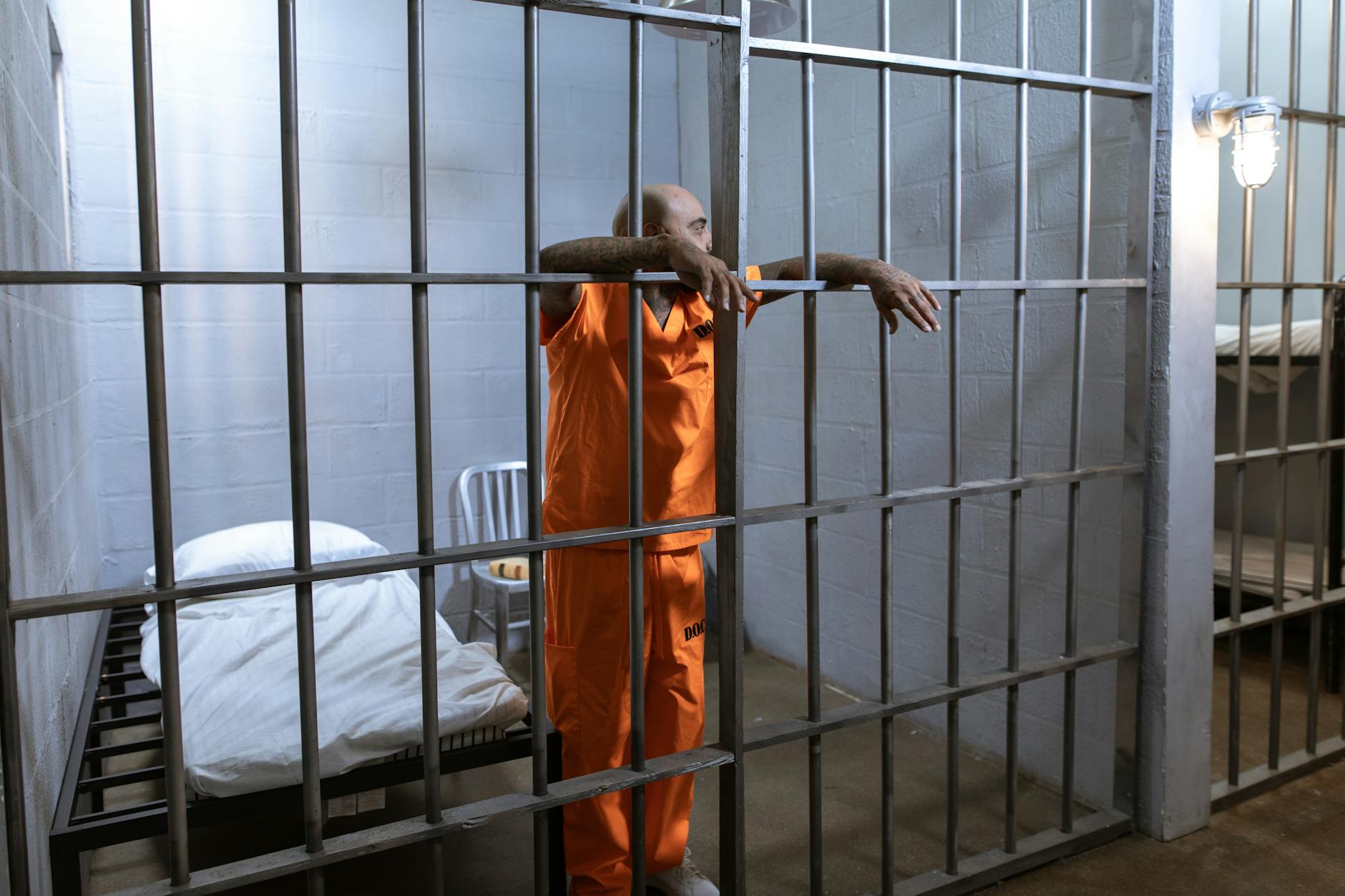
Death Row Inmates Spend an Average of 15 Years Waiting for Execution
Waiting for Execution: A Life Sentence of Its Own
The death penalty is often viewed as the ultimate punishment, but for those on death row, the waiting game can be just as grueling as the sentence itself. A staggering 15 years is the average amount of time inmates spend waiting for execution in the United States, with some cases taking over 30 years to resolve. This lengthy period of uncertainty can take a profound toll on those awaiting their fate.
Research suggests that prolonged periods of isolation can exacerbate mental health issues, including depression and anxiety. The American Psychological Association notes that prolonged isolation can even lead to a condition known as "death row syndrome," characterized by extreme emotional and psychological distress.
While some death row inmates have seen their sentences commuted to life in prison, many still face a daunting wait for their execution. Despite the lengthy wait, the debate over capital punishment continues, with proponents arguing that it serves as a deterrent to crime, while opponents argue that it is a morally reprehensible practice that disproportionately affects minority communities.
Death Row Inmates Face Years of Appeals and Delays
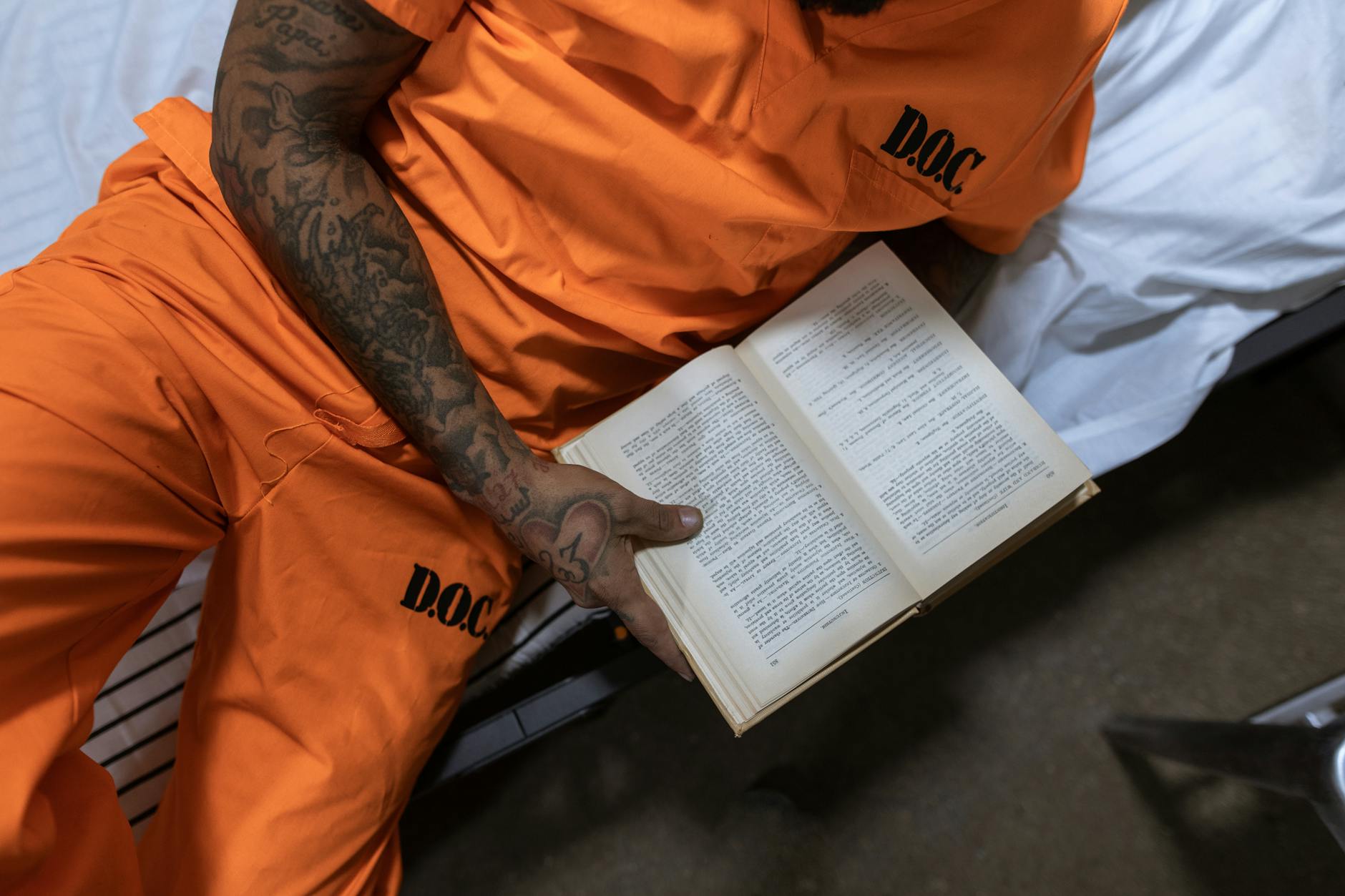
Death Row Inmates Face Years of Appeals and Delays
The lengthy process of execution in the United States is characterized by numerous delays and appeals. According to Amnesty International, it can take an average of 15 years for a death row inmate to be executed, with many cases lingering for decades. The appeals process is a complex and time-consuming endeavor, involving multiple levels of court review and potential retrials.
Delays often result from the slow pace of the judicial system, with courts struggling to keep up with the volume of appeals. In addition, many death row inmates pursue multiple avenues of appeal, including habeas corpus petitions and appeals to the US Supreme Court. While some may argue that these delays are necessary to ensure due process, they can have a devastating impact on families of the victims and the inmates themselves.
The prolonged wait for execution can take a significant toll on death row inmates, who often experience psychological and emotional distress as a result of prolonged isolation and uncertainty. A study by the National Institute of Justice found that 75% of death row inmates experience some form of mental health issue during their time on death row.
Prolonged Incarceration Takes a Devastating Toll Inside
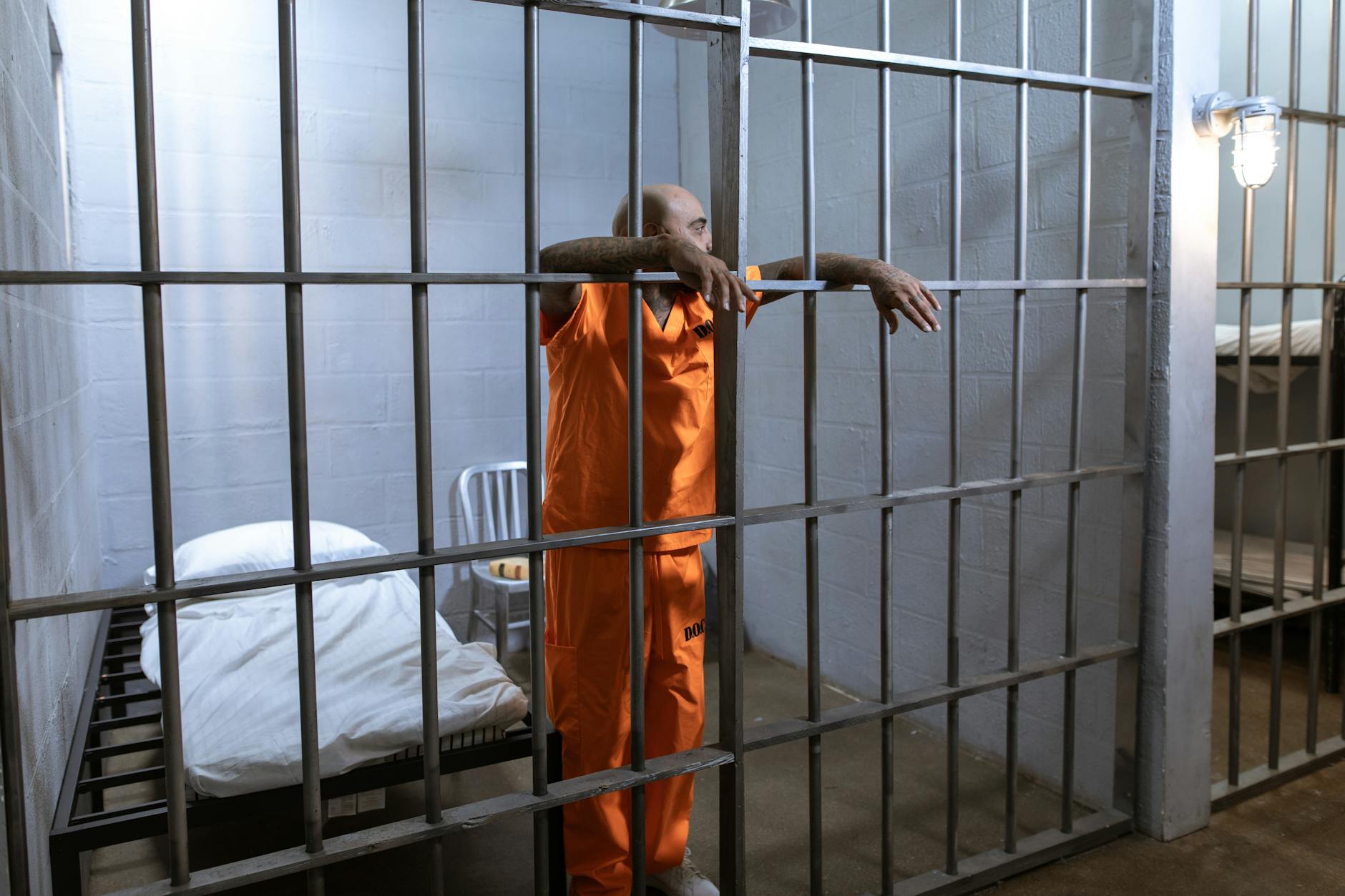
Death Row Inmates Spend an Average of 15 Years Waiting for Execution
Many death row inmates experience prolonged incarceration, with some spending over two decades waiting for their execution. Prolonged Incarceration Takes a Devastating Toll Inside.
Isolation and confinement can have severe psychological effects on individuals, leading to depression, anxiety, and even suicidal tendencies. Studies have shown that prolonged isolation can impair cognitive function, memory, and emotional regulation, ultimately eroding a person's mental health. The prolonged wait for execution can be a catalyst for these effects, exacerbating the existing trauma and stress.
Experts estimate that approximately 60% of death row inmates experience some form of mental health issue. The American Psychological Association reports that prolonged confinement can lead to a breakdown in an individual's mental state, making them more susceptible to mental illness.
The lengthy wait for execution can also have a profound impact on an individual's sense of identity and purpose. Without a clear end date, death row inmates often struggle to find meaning in their lives, leading to a sense of hopelessness and despair.
A Lifelong Wait for a Death That May Never Come

Death Row Inmates Spend an Average of 15 Years Waiting for Execution
For many death row inmates, the wait for execution becomes a prolonged and grueling experience. The average length of time spent on death row is 15 years, with some inmates waiting as long as 30 years for their fate to be decided.
Studies have shown that the lengthy wait times are due in part to the complexity of the appeals process, which can be lengthy and unpredictable. The appeals process typically involves multiple layers of review, including state and federal courts, which can delay the execution date by years. A 2019 study found that the average death row inmate spends 14.7 years on death row before being executed.
Those on death row often experience a range of emotions, from anxiety and depression to hope and despair. The prolonged wait can take a significant toll on their mental and physical health.
The harsh reality of capital punishment is starkly illustrated by the lengthy wait times experienced by death row inmates, with an average of 15 years spent waiting for execution. This prolonged period of uncertainty can have a devastating impact on both the inmates and their loved ones, exacerbating the psychological toll of the death penalty. Reform efforts should prioritize expediting the appeals process to minimize the time individuals spend on death row, implementing measures such as hiring additional judges and streamlining the review process. By taking decisive action to shorten wait times, states can begin to address the inherent injustices of the death penalty and work towards a more compassionate and efficient justice system, ultimately reducing the number of years spent in limbo for those awaiting their fate.
Need this answered for your specific case?
Get a flat-fee consultation with a verified U.S. immigration attorney. Engagement letter on every paid consult.
Related guides
-
Sanctions on Juvenile Offenders Cut Recidivism Rate by 27% in First Year
7 min read · May 13, 2026
-
Federal Court Rules Graduated Sanctions Can Reduce Recidivism by 30% in Prisons
6 min read · May 13, 2026
-
Four-Year Prison Sentence for Man Convicted of 12 Technical Violations of Probation
6 min read · May 11, 2026
This guide provides general legal information and does not create an attorney–client relationship. Information accurate as of July 2026. Always verify current USCIS guidance before acting.