
The United States is home to nearly 1.5 million prisoners, with the majority serving time in state and federal facilities. Federal prisons, however, account for only about 10% of the total prison population, yet they house some of the most notorious and high-profile inmates. What Is a Federal Prison vs State Prison is a distinction that has significant implications for both the inmates and the communities affected by their crimes.
The stark contrast between federal and state prisons is a critical aspect of the American justice system. Federal prisons, such as those operated by the Federal Bureau of Prisons, are responsible for housing inmates who have committed federal crimes, including white-collar crimes, terrorism, and narcotics trafficking. In contrast, state prisons are responsible for inmates who have committed state crimes, such as murder, robbery, and assault. This article will delve into the 5 key distinctions between federal and state prisons, providing a comprehensive look at the nuances of the American prison system.
Federal Prisons: Origins and Purpose
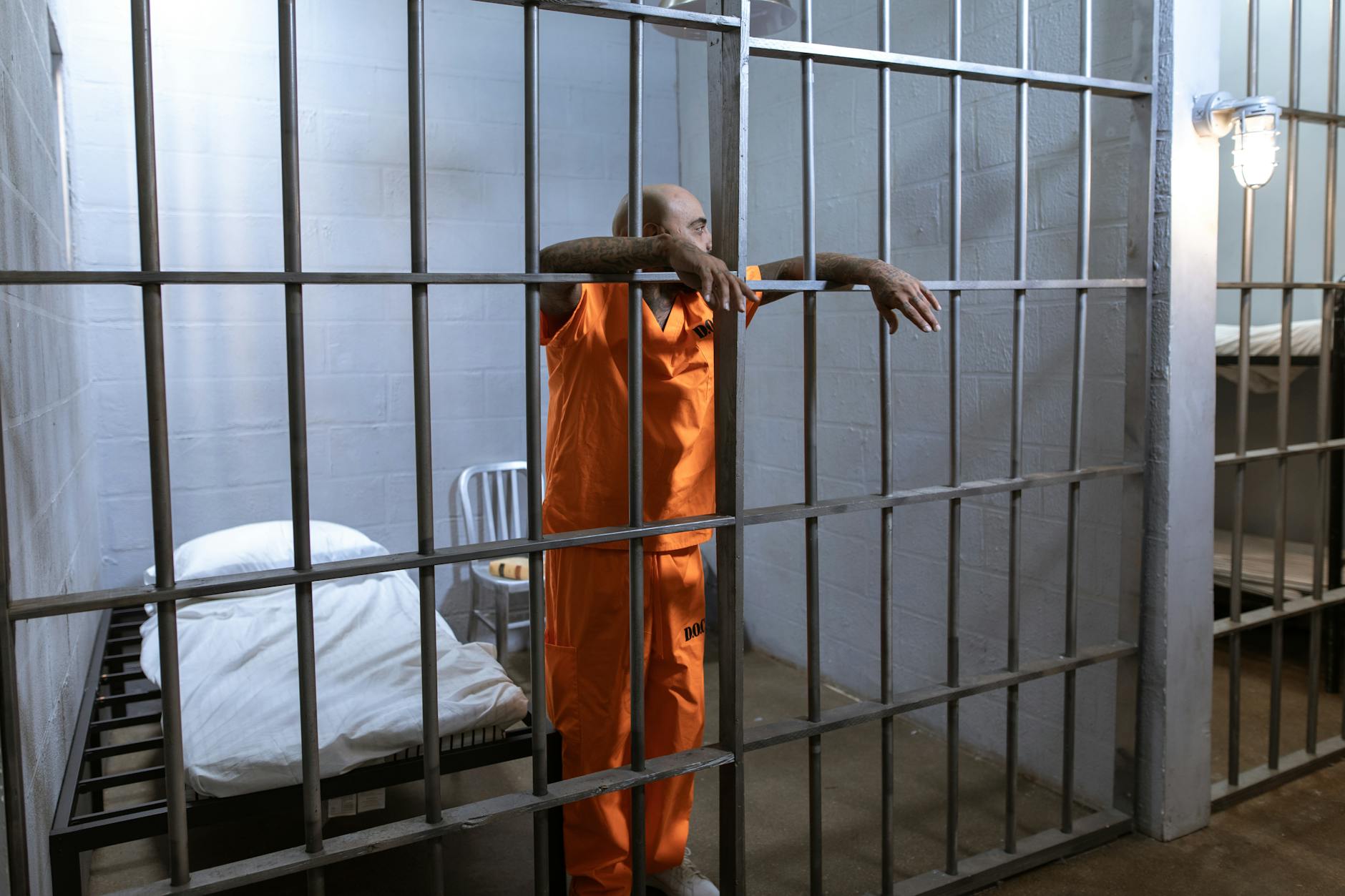
Federal prisons originated in 1891, when the United States government established the Federal Bureau of Prisons. The primary purpose of federal prisons is to house individuals convicted of federal crimes, which are offenses that violate federal laws. These crimes often involve interstate activity, such as human trafficking, cybercrime, or financial crimes like money laundering.
The federal prison system serves about 183,000 inmates, with facilities located throughout the United States. The Bureau of Prisons has a staff of over 36,000 employees, who provide a range of services, including security, education, and healthcare. According to the Bureau of Justice Statistics, about 70% of federal inmates are serving sentences for drug-related offenses. Many federal prisons also offer rehabilitation programs, such as counseling and job training, to help inmates prepare for release.
Federal prisons have a more strict and formalized structure than state prisons. Inmates are typically housed in separate facilities based on their security level, ranging from minimum to supermax. The Federal Correctional Complex in Florence, Colorado, is one example of a federal prison system that includes multiple facilities with different security levels. While federal prisons prioritize security and rehabilitation, state prisons often focus on punishment and public safety.
Understanding the Structure of Federal Prisons
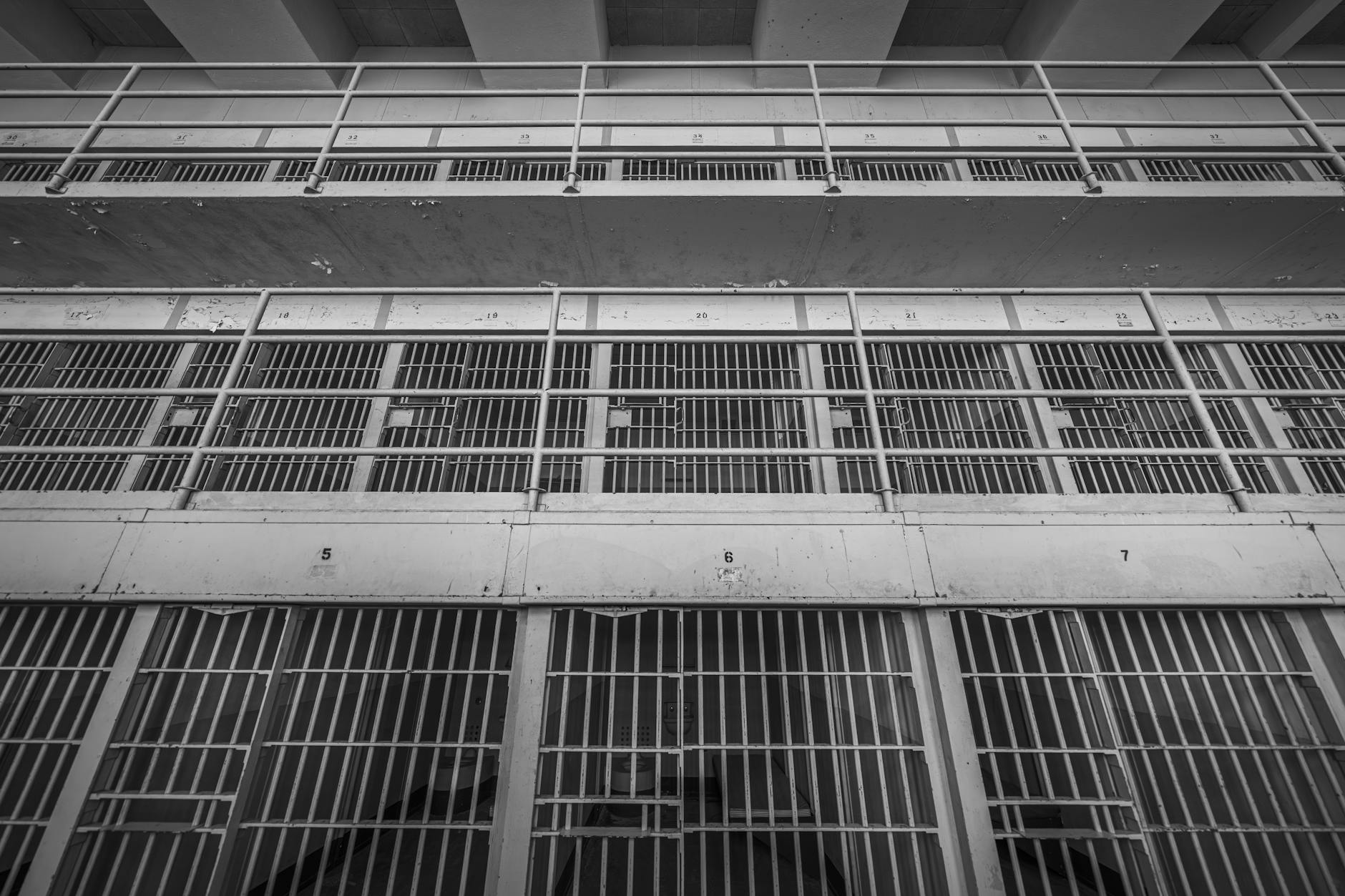
Federal prisons are designed to accommodate inmates who have been convicted of federal crimes. These crimes typically involve crossing state lines or violating federal laws.
Approximately 200,000 inmates are housed in federal prisons, according to the Federal Bureau of Prisons. This number has been steadily increasing over the years due to stricter sentencing guidelines.
The structure of federal prisons is typically more formal and rigid, reflecting the seriousness of the crimes committed. For example, inmates in federal prisons are often required to adhere to a strict schedule and participate in various programs aimed at rehabilitation. These programs may include counseling, education, and job training.
Federal prisons are also more likely to offer specialized facilities, such as prisons designed for high-risk inmates or those with specific medical needs. The design and operations of federal prisons are overseen by the Federal Bureau of Prisons, which aims to ensure that these institutions are run in a safe and secure manner.
Comparing Security Levels in Federal and State Prisons
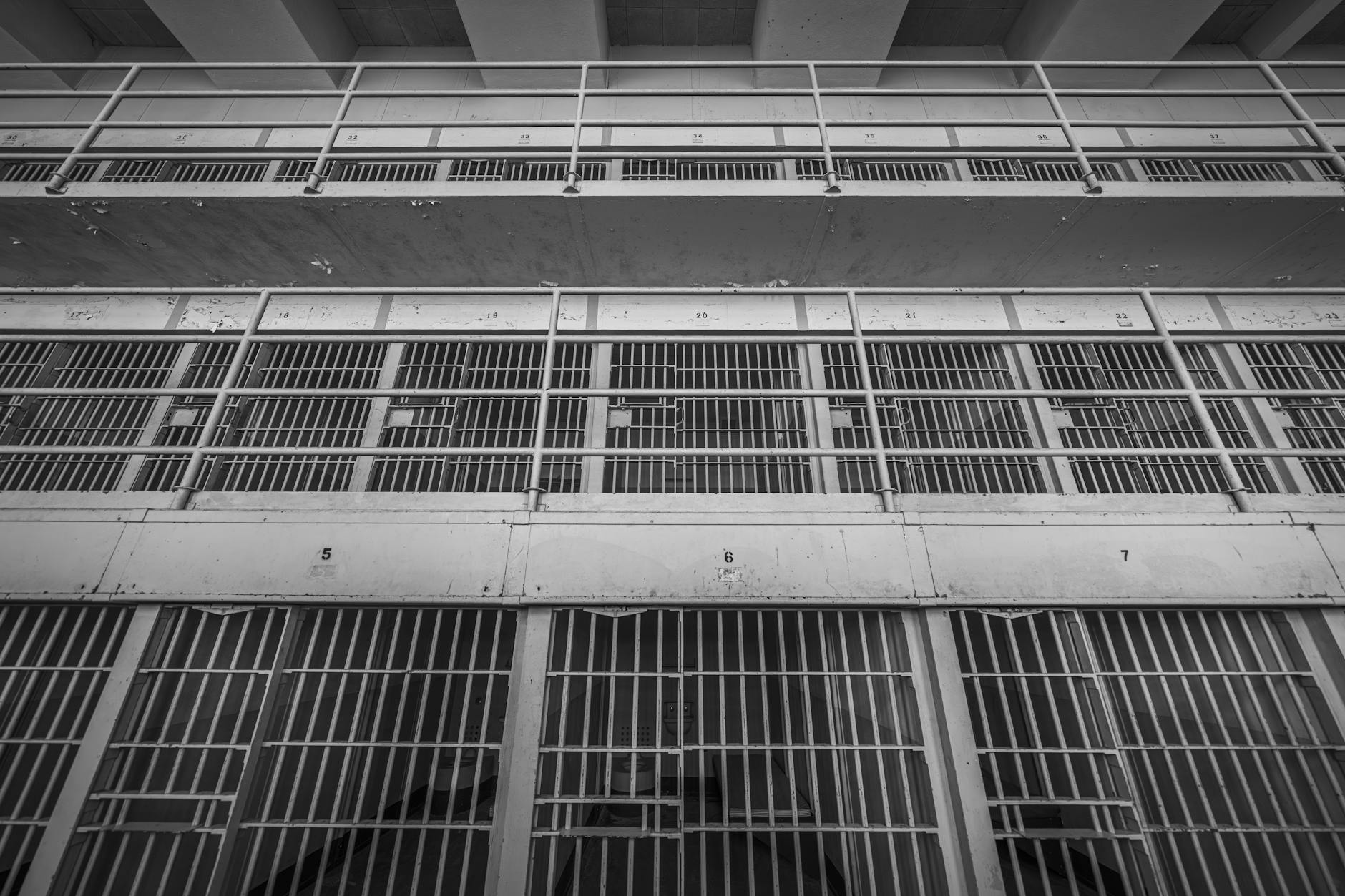
Federal prisons employ a higher level of security than state prisons. They are designed to house inmates who have committed serious crimes, such as violent offenses or large-scale narcotics trafficking. These facilities typically have a higher staff-to-inmate ratio, which allows for more stringent surveillance and control.
Federal prisons also have more advanced security features, including motion detectors, alarms, and video cameras. According to the Bureau of Prisons, the average federal prison has a recidivism rate of 40.3%, compared to 50.7% in state prisons. This suggests that federal prisons may be more effective at rehabilitating inmates and reducing the likelihood of reoffending.
State prisons, on the other hand, are designed to house inmates who have committed less serious crimes, such as property offenses or driving under the influence. While state prisons still have security measures in place, they are generally less stringent than those found in federal facilities.
Life Behind Bars: Conditions and Amenities

Federal prisons are known for providing more amenities and comforts compared to state prisons. They offer a range of recreational activities, including sports, music, and art programs. However, the primary focus of federal prisons is on rehabilitation, with a strong emphasis on education and job training.
The living conditions in federal prisons are generally more comfortable, with better dining facilities and more spacious cells. According to the Bureau of Prisons, the average cost of housing an inmate in a federal prison is around $38,000 per year. This is significantly higher than the average cost in state prisons, which is around $20,000 per year.
Prisoners in federal facilities often have access to medical care, counseling services, and other programs designed to address their specific needs. These services can include substance abuse treatment, mental health counseling, and educational programs. Federal prisons also offer more opportunities for inmates to participate in work programs, which can help them develop job skills and earn a steady income.
One notable difference between federal and state prisons is the level of security. Federal prisons are generally more secure, with more stringent protocols in place for inmates and staff. This is due in part to the fact that federal prisons often house more violent offenders.
Reentry Programs: Preparing for Life After Incarceration
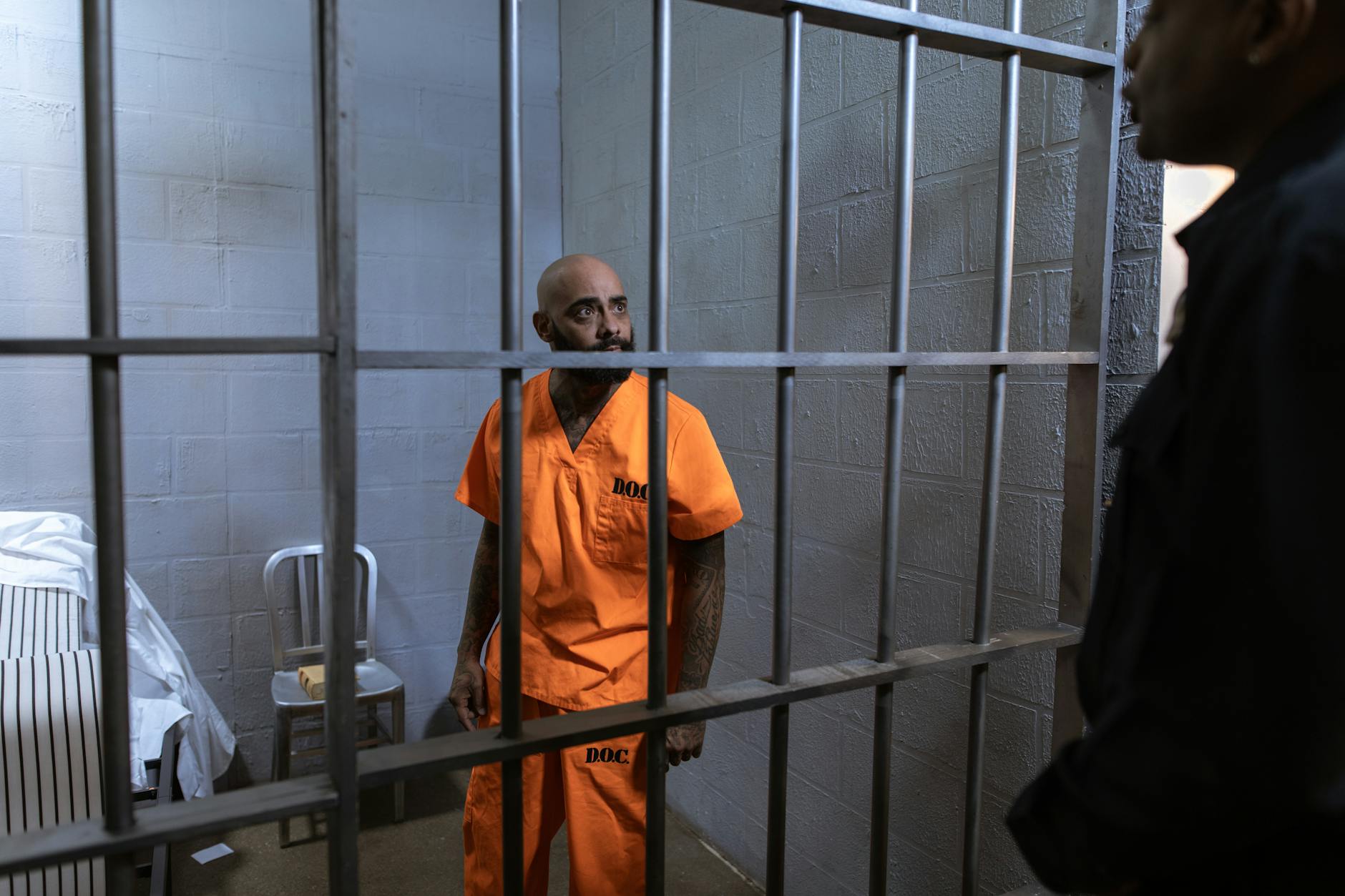
Reentry Programs: Preparing for Life After Incarceration
Life after incarceration is often a challenging and daunting experience, with those released from federal and state prisons facing numerous obstacles, including finding employment and stable housing. Research suggests that nearly 75% of individuals released from prison will reoffend within the first year, highlighting the need for effective reentry programs.
Reentry programs aim to address the unique needs of individuals transitioning from incarceration to community life. These programs may include job training, education, and counseling services, as well as assistance with obtaining identification documents and accessing healthcare. By providing a supportive framework for individuals to rebuild their lives, reentry programs can help reduce recidivism rates and promote successful reintegration.
In addition to these core services, some reentry programs also offer specialized assistance, such as mentorship programs and vocational training. These programs can help individuals develop the skills and confidence needed to pursue meaningful employment and achieve long-term stability. Overall, the goal of reentry programs is to empower individuals with the tools and resources necessary to thrive in their communities.
The distinction between federal and state prisons lies in their varying degrees of jurisdiction, security, and rehabilitation efforts. Federal prisons, for instance, house inmates who have committed crimes that violate federal laws, such as drug trafficking and terrorism, whereas state prisons are responsible for housing inmates convicted of state-level crimes, such as murder and theft. As the prison system continues to evolve, it's essential for policymakers and corrections officials to prioritize the unique needs of federal and state prisons to create more effective and rehabilitative environments. By acknowledging these differences, they can develop targeted strategies to reduce recidivism rates and promote successful reintegration of former inmates back into society.
Need this answered for your specific case?
Get a flat-fee consultation with a verified U.S. immigration attorney. Engagement letter on every paid consult.
Related guides
-
Sanctions on Juvenile Offenders Cut Recidivism Rate by 27% in First Year
7 min read · May 13, 2026
-
Federal Court Rules Graduated Sanctions Can Reduce Recidivism by 30% in Prisons
6 min read · May 13, 2026
-
Four-Year Prison Sentence for Man Convicted of 12 Technical Violations of Probation
6 min read · May 11, 2026
This guide provides general legal information and does not create an attorney–client relationship. Information accurate as of July 2026. Always verify current USCIS guidance before acting.