
The United States has a vast and complex criminal justice system, comprising over 2,000 jails and 1,500 prisons that house approximately 2.3 million inmates. Among these facilities, the distinction between jails and prisons is often blurred, leading to widespread confusion about the roles and purposes of these institutions. The difference between jail and prison is more than just semantics - it has significant implications for the lives of those incarcerated and the communities they come from.
Understanding the fundamental distinction between jails and prisons is crucial for anyone seeking insight into the inner workings of the US criminal justice system. After all, Jail vs Prison: What's the Real Difference is a question that has puzzled many for years. This article aims to provide clarity on this issue, examining the key differences between jails and prisons, including their populations, lengths of stay, and rehabilitation programs. By examining the specifics of Jail vs Prison: What's the Real Difference, readers will gain a deeper understanding of the nuances of the US criminal justice system.
Understanding the Complex US Criminal Justice System
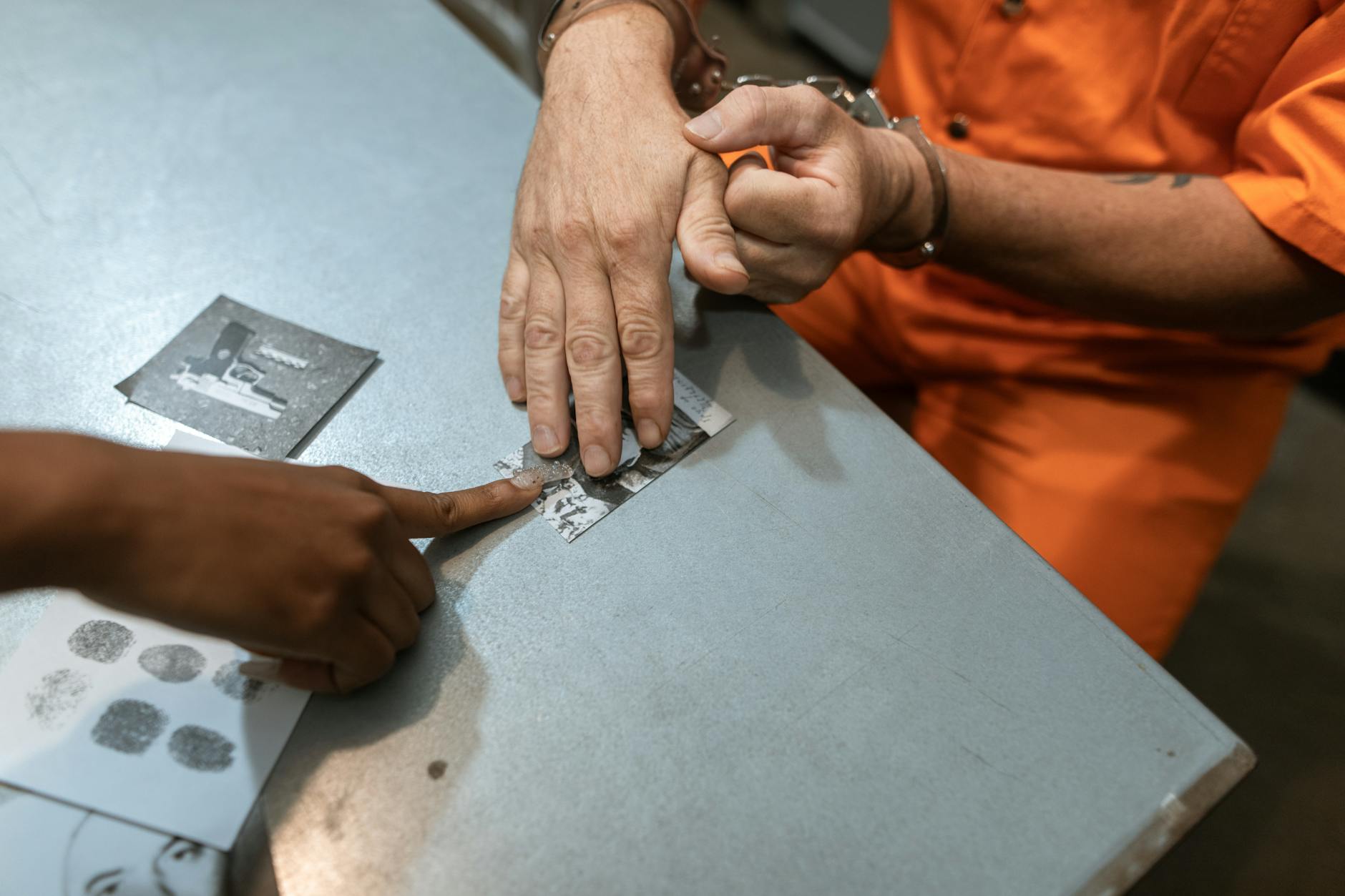
The US criminal justice system is a sprawling entity, encompassing over 2,000 jails and 1,500 prisons across the country. At its core, the distinction between these two entities lies in their purpose and administration.
Jails are primarily local facilities, operated by county governments, used to hold individuals awaiting trial or serving short sentences. According to the Bureau of Justice Statistics, approximately 70% of the US jail population are pretrial detainees, awaiting disposition of their cases. This means that the primary function of jails is to provide temporary housing for individuals awaiting the outcome of their court proceedings.
The majority of prisons, on the other hand, are state-run facilities, designed to house individuals serving longer sentences. Prisons are typically larger in scale and more secure than jails, with a focus on rehabilitation and punishment. While some prisons may offer educational or vocational programs, the primary goal is to serve as a correctional institution.
As the US continues to grapple with mass incarceration, understanding the nuances between jails and prisons is essential for developing effective reform strategies.
Defining the Distinction Between Jails and Prisons

The distinction between jails and prisons is often blurred, but a clear understanding of their roles is crucial in the US criminal justice system. Jails are typically local facilities that hold individuals awaiting trial or serving short sentences, often for minor offenses. According to the Bureau of Justice Statistics, over 700,000 people are held in local jails on any given day.
Jails are generally designed to provide a temporary holding facility for individuals who are awaiting court proceedings. They often house individuals who are charged with misdemeanors, such as traffic offenses or petty crimes. In contrast, prisons are state or federal facilities that house individuals serving longer sentences for more serious offenses.
The primary function of a jail is to maintain public safety while individuals are awaiting trial or serving short sentences. Prisons, on the other hand, are designed to provide long-term housing and rehabilitation services for individuals convicted of more serious crimes.
Inside the Walls: Jail and Prison Conditions Compared
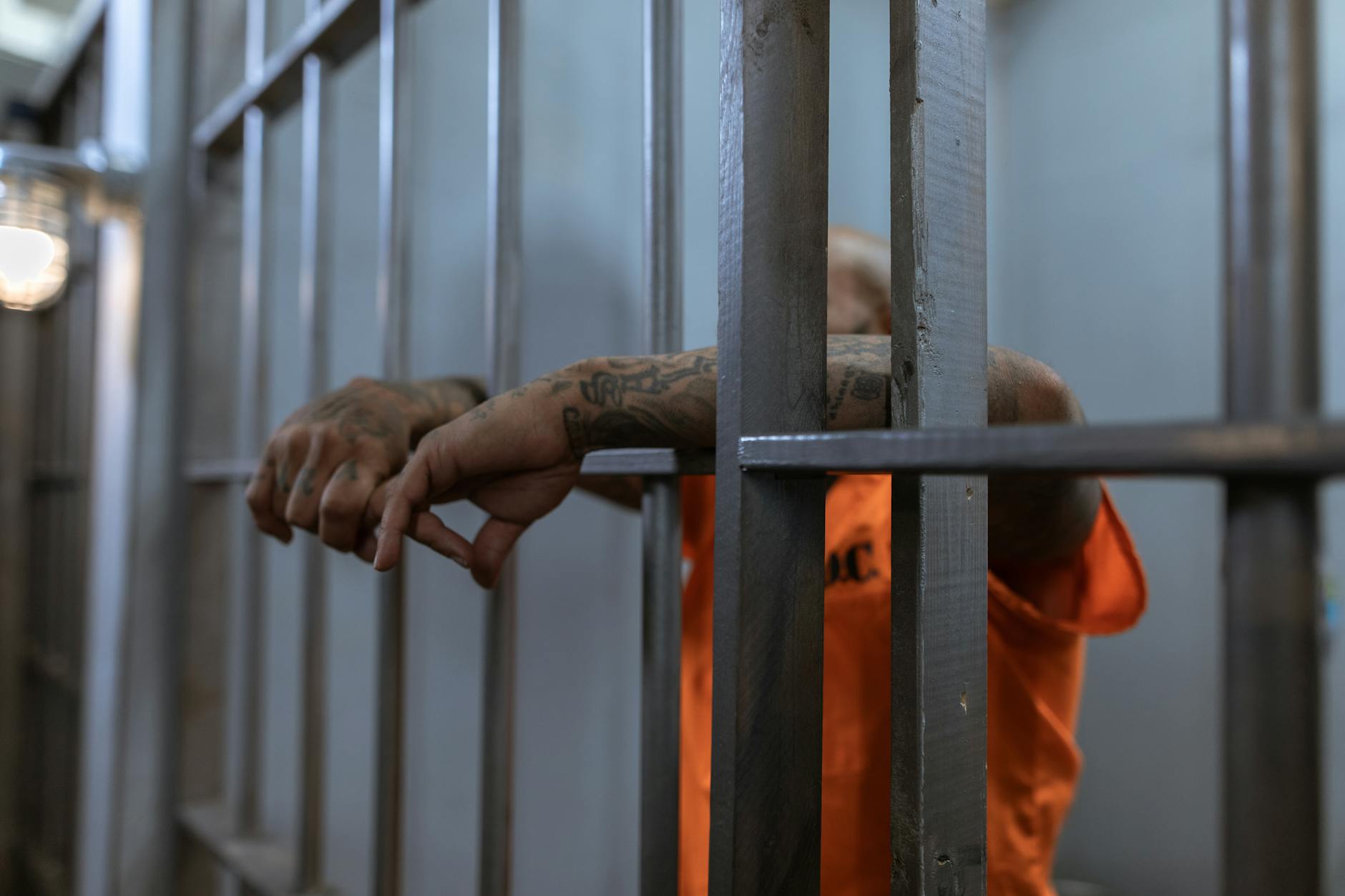
The stark contrast between jails and prisons is often misunderstood. Jails are typically used for short-term detention, holding individuals awaiting trial or serving sentences of less than a year, whereas prisons hold inmates serving longer sentences. The distinction lies in the purpose and duration of confinement.
The majority of jails in the US are operated by local governments, with approximately 95% of them housing fewer than 1,000 inmates. In contrast, prisons are managed by state and federal authorities and can hold thousands of inmates. According to the Bureau of Justice Statistics, 63% of jail inmates are being held for non-serious crimes, such as misdemeanors.
The living conditions within jails and prisons also vary significantly. Jails often lack the infrastructure and resources to provide adequate care, leading to overcrowding, inadequate sanitation, and limited access to healthcare. In contrast, prisons typically have better facilities, including larger cells, improved recreational areas, and more comprehensive medical services.
Breaking Down the Real Reasons for Incarceration
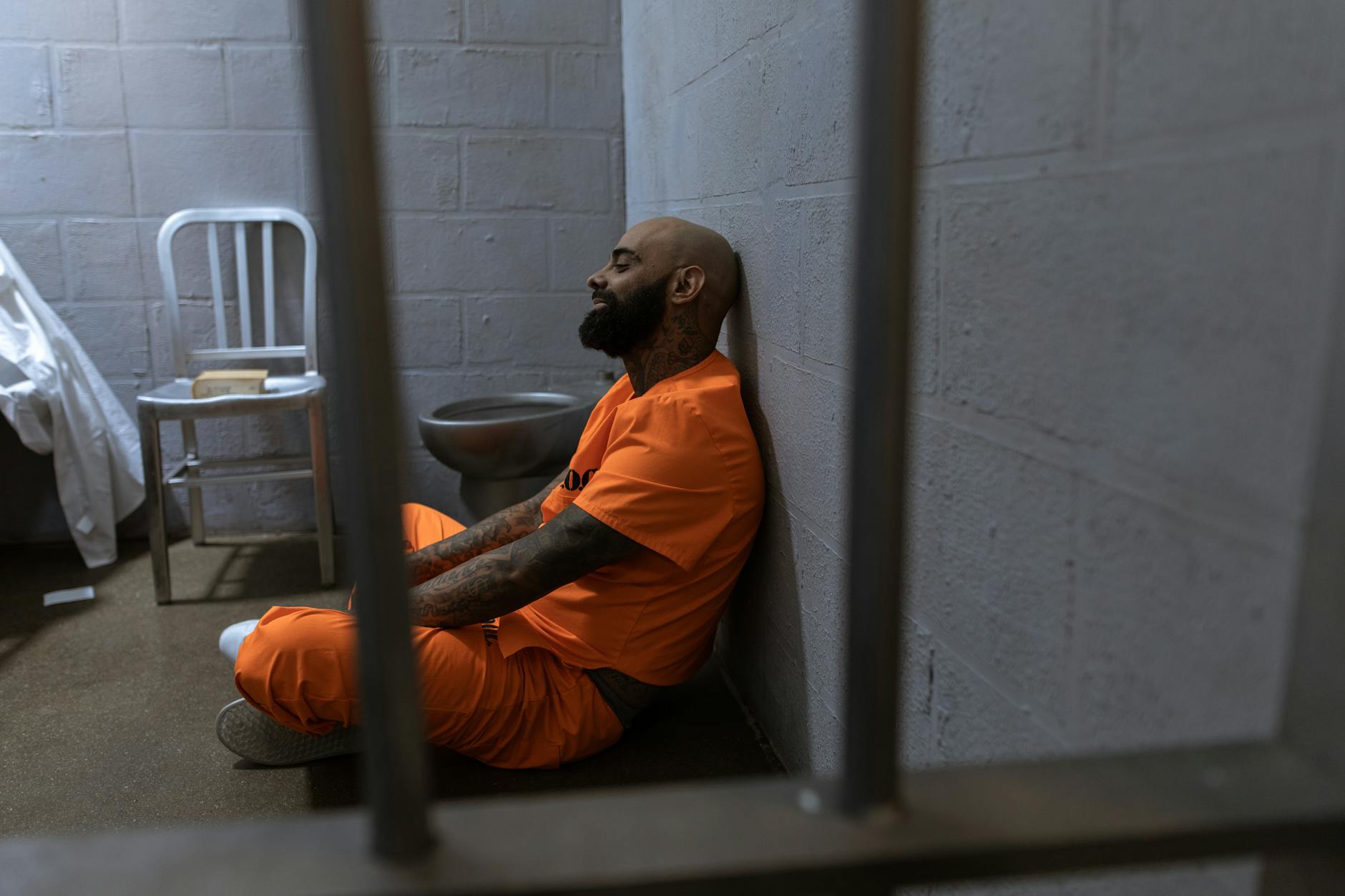
Breaking Down the Real Reasons for Incarceration
The US criminal justice system is complex, with over 2,000 jails and 1,500 prisons. At the core of this system lies a critical distinction between jails and prisons. According to the Bureau of Justice Statistics, approximately 62% of prisoners are serving time for non-violent crimes. This highlights the stark reality that many people are incarcerated for reasons that have little to do with public safety.
Jails primarily hold individuals awaiting trial or those serving short sentences, often for minor crimes. In contrast, prisons are designed for longer-term sentences, typically exceeding a year. Prisons tend to focus on rehabilitation and provide more resources for inmates. However, the harsh realities of prison life often make rehabilitation challenging.
Research suggests that the primary drivers of incarceration are poverty, lack of access to education, and mental health issues. These underlying factors often intersect, making it difficult for individuals to break the cycle of crime. Effective solutions must address these root causes, rather than simply focusing on punishment.
Reforming the System: A Path Forward for Justice

The US criminal justice system is a complex network of institutions, encompassing over 2,000 jails and 1,500 prisons. At the heart of this system lies a fundamental distinction between these two types of facilities: jails and prisons.
Jails are designed to hold individuals awaiting trial or serving short-term sentences, typically under a year. According to the Bureau of Justice Statistics, in 2020, approximately 745,000 people were being held in local jails. Jails provide a temporary holding place for inmates, often with the goal of rehabilitation through work programs, educational services, and counseling. In contrast, prisons are designed for long-term inmates, typically those serving sentences over a year.
The distinction between jails and prisons is not always clear-cut. However, this differentiation is critical in understanding the purpose and function of each facility within the US criminal justice system.
The primary goal of prisons is to rehabilitate and punish those who have committed serious crimes, with the aim of reintegrating them into society upon release. In contrast, jails are more focused on managing the flow of people through the system, preparing them for trial, and providing a temporary holding place.
Need this answered for your specific case?
Get a flat-fee consultation with a verified U.S. immigration attorney. Engagement letter on every paid consult.
Related guides
-
Sanctions on Juvenile Offenders Cut Recidivism Rate by 27% in First Year
7 min read · May 13, 2026
-
Federal Court Rules Graduated Sanctions Can Reduce Recidivism by 30% in Prisons
6 min read · May 13, 2026
-
Four-Year Prison Sentence for Man Convicted of 12 Technical Violations of Probation
6 min read · May 11, 2026
This guide provides general legal information and does not create an attorney–client relationship. Information accurate as of July 2026. Always verify current USCIS guidance before acting.