
The Department of Justice has launched investigations into 14 police departments across the United States, scrutinizing their practices for potential systemic violations. This surge in investigations underscores a growing concern about law enforcement's adherence to constitutional standards and community trust.
At the heart of these inquiries lies the concept of "police pattern and practice." This refers to systemic issues within a police department that may indicate a consistent or widespread disregard for individuals' rights. The DOJ examines whether these practices are part of a broader pattern, rather than isolated incidents. Understanding police pattern and practice is crucial for communities, as it reveals whether law enforcement agencies are operating within the bounds of the law or perpetuating harmful behaviors. These investigations aim to hold departments accountable and implement reforms that foster fairness and transparency.
Understanding Police Pattern and Practice
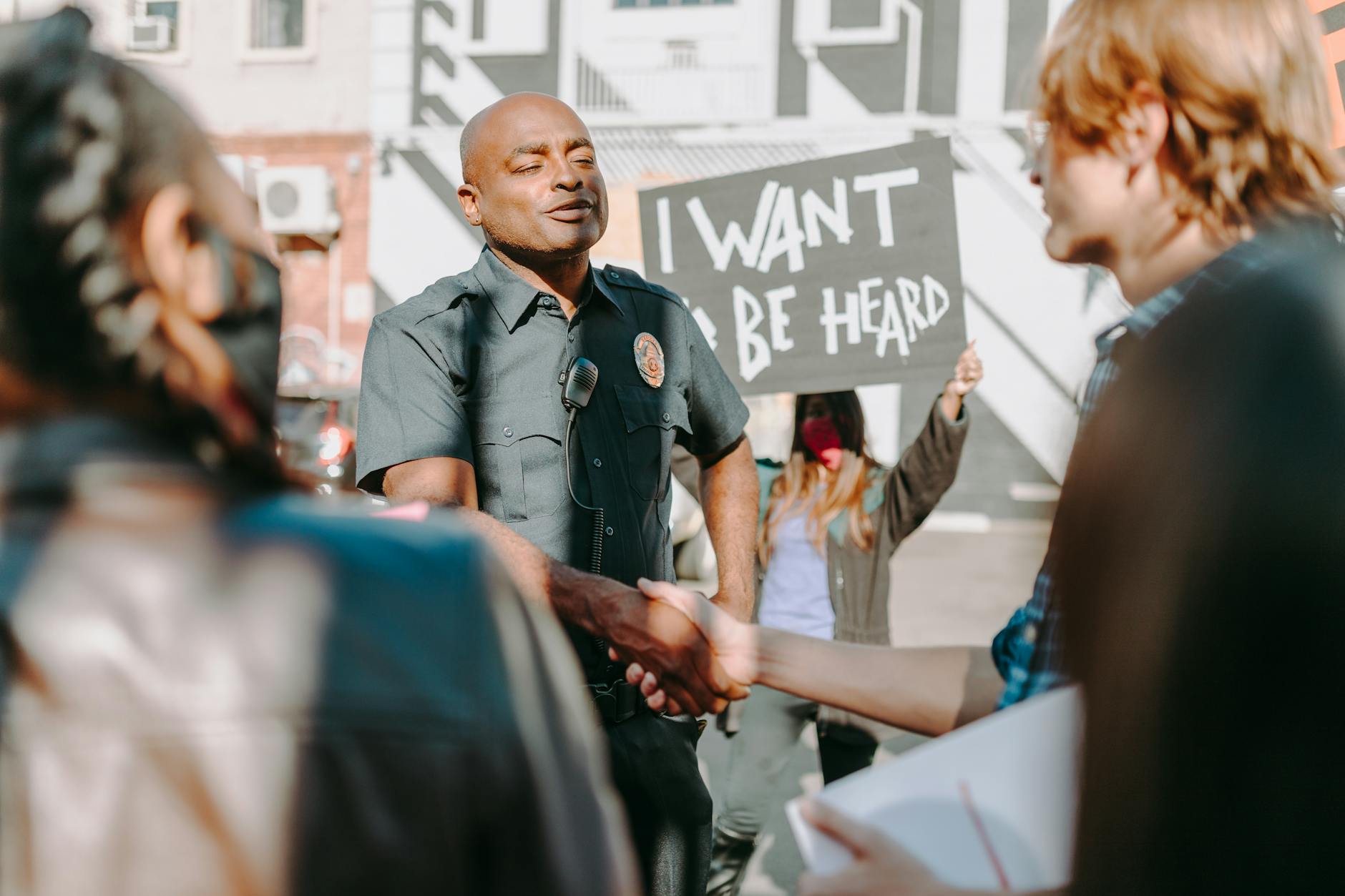
Police pattern and practice refers to systemic issues within law enforcement agencies that may violate constitutional rights or federal laws. These patterns often emerge from policies, procedures, or customs that lead to discriminatory practices or excessive use of force. The Department of Justice (DOJ) typically investigates these patterns when there is evidence of widespread misconduct or a significant number of complaints.
A key aspect of pattern and practice investigations is identifying whether misconduct is systemic rather than isolated incidents. According to the DOJ, these investigations aim to determine if there is a "persistent, widespread, and egregious" pattern of misconduct. This could involve racial profiling, unlawful stops and searches, or excessive force. The goal is to ensure that police departments operate within the bounds of the law and respect the rights of all individuals.
Expert analysis often highlights the importance of addressing these systemic issues to rebuild community trust. A study by the National Institute of Justice found that communities with higher levels of trust in their police departments report lower crime rates. This underscores the need for police departments to address patterns of misconduct proactively. By doing so, they can foster a more positive relationship with the communities they serve.
When the DOJ identifies a pattern and practice of violations, it may enter into a consent decree with the police department. This legal agreement outlines specific reforms the department must implement to correct the identified issues. The process involves ongoing monitoring to ensure compliance and effectiveness. Ultimately, the goal is to create a police force that operates fairly, transparently, and in accordance with the law.
Key Elements of Unlawful Patterns
The Department of Justice investigates police departments for "pattern and practice" violations when there's evidence of systemic misconduct. This refers to repeated behavior that violates individuals' constitutional rights. Such patterns can include excessive use of force, discriminatory policing, or failures in accountability systems. These investigations aim to identify and rectify systemic issues rather than isolated incidents.
One key element is the frequency and severity of incidents. A single event rarely constitutes a pattern, but repeated violations over time can. For instance, if a department consistently fails to intervene in cases of excessive force, it may indicate a systemic problem. The DOJ looks for trends that suggest a department-wide issue rather than individual officer misconduct.
According to a report by the Police Executive Research Forum, departments with weak oversight and accountability mechanisms are more likely to develop unlawful patterns. This includes inadequate training, lack of transparency, and insufficient internal investigations. Addressing these issues is crucial for preventing and correcting systemic misconduct.
Another critical factor is the impact on the community. If certain groups are disproportionately affected, it may signal discriminatory practices. The DOJ examines whether policies or practices disproportionately harm specific racial, ethnic, or religious groups. This analysis helps determine if the department's actions violate federal law and constitutional rights.
Real-World Examples of Violations

The Department of Justice's investigations into police departments often uncover systemic issues that go beyond isolated incidents. In Ferguson, Missouri, a 2015 DOJ report revealed a pattern of racial bias in policing, including disproportionate stops, searches, and arrests of African Americans. The report found that Black drivers were 68% more likely to be pulled over than white drivers, highlighting a clear pattern of discriminatory practices.
Another stark example came from Baltimore, Maryland, where a 2016 DOJ investigation identified a culture of excessive force and lack of accountability within the police department. Officers were found to routinely use unreasonable force, including unjustified stops, seizures, and arrests. The investigation also uncovered a failure to properly investigate misconduct allegations, allowing problematic behaviors to persist.
In Chicago, a 2017 DOJ report exposed a pattern of excessive force, particularly against individuals with mental health issues. The report detailed numerous instances where officers used excessive force, including deadly force, in situations that could have been de-escalated. Experts note that these patterns often stem from systemic issues, such as inadequate training and a lack of oversight.
These real-world examples illustrate how pattern and practice violations can permeate police departments, affecting entire communities. The DOJ's investigations aim to identify these systemic issues and implement reforms to ensure accountability and improve policing practices. Such efforts are crucial for rebuilding trust between law enforcement and the communities they serve.
Consequences for Departments Under Investigation

Departments under investigation by the Department of Justice (DOJ) for pattern and practice violations face significant consequences. These investigations focus on systemic issues rather than isolated incidents, examining whether departments engage in constitutional violations as part of their standard practices. If violations are found, the DOJ can pursue legal action, which may result in court-ordered reforms. These reforms often include federal oversight, mandatory retraining, and policy changes to address the identified issues.
A federal investigation can strain a department's resources and reputation. The process is lengthy and resource-intensive, often taking years to complete. According to a report by the Police Executive Research Forum, departments under investigation may experience increased scrutiny from the public and media, further complicating their operations. The financial burden of implementing reforms and complying with federal mandates can also be substantial.
Beyond the immediate operational challenges, departments may face long-term consequences. A pattern and practice investigation can erode community trust, making it difficult to rebuild relationships even after reforms are implemented. The DOJ's findings can also influence hiring, funding, and collaboration with other agencies. For example, a department under investigation may struggle to attract qualified candidates or secure grants and partnerships.
Legal experts emphasize the importance of cooperation during these investigations. Departments that work proactively with the DOJ often see more favorable outcomes. However, resistance or non-compliance can lead to more severe penalties, including the appointment of an independent monitor to oversee the department's activities. The goal of these investigations is not to punish but to ensure that police departments uphold constitutional rights and serve their communities effectively.
Reforming Police Practices for the Future
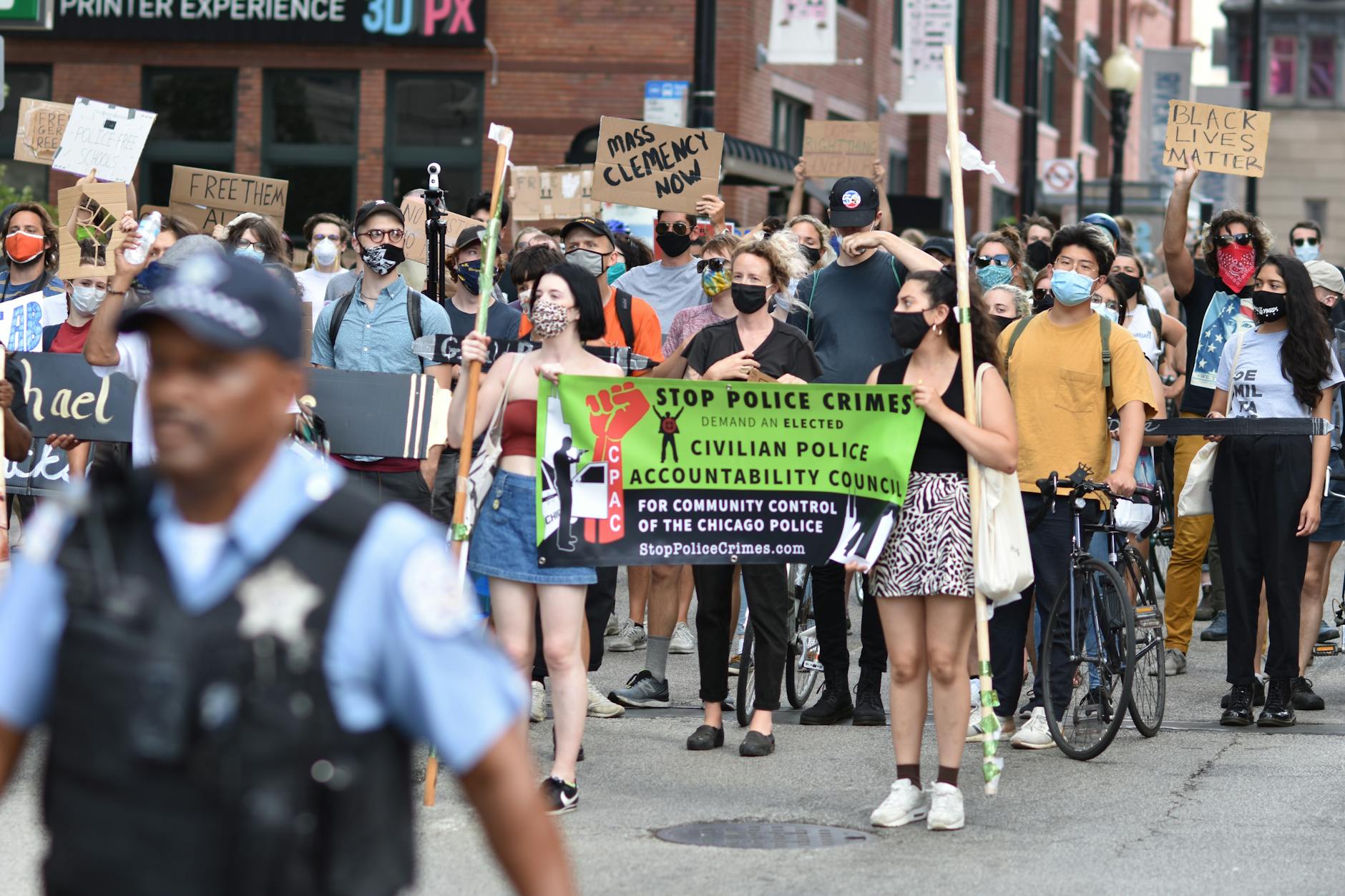
The term "pattern or practice" refers to systemic issues within police departments that result in repeated constitutional violations. This legal concept stems from the Violent Crime Control and Law Enforcement Act of 1994, which empowers the Department of Justice to investigate and address such systemic problems. When a pattern or practice of misconduct is identified, it typically involves a consistent failure to adhere to constitutional standards, often affecting entire communities.
According to a report by the Police Executive Research Forum, systemic issues can manifest in various ways, including excessive use of force, discriminatory policing, or failures in accountability mechanisms. These patterns often reflect deeper organizational problems, such as inadequate training, poor leadership, or a lack of oversight. Addressing these issues requires comprehensive reforms that go beyond individual incidents of misconduct.
A 2020 study by the National Police Foundation found that departments with strong accountability systems and community engagement initiatives were more likely to reduce incidents of misconduct. Effective reforms often involve revising policies, enhancing training programs, and fostering transparency through independent oversight. By tackling systemic issues head-on, police departments can build trust and improve public safety.
The Department of Justice's investigation into 14 police departments underscores the critical importance of understanding police pattern and practice—systemic issues that reveal whether a department has engaged in a persistent pattern of misconduct. These investigations focus on identifying violations of constitutional rights, such as excessive force, discriminatory policing, or failures in accountability, which can erode public trust and safety. For communities and law enforcement agencies, the key takeaway is the necessity of proactive reforms, including robust training, independent oversight, and transparent policies to prevent such violations. Moving forward, these efforts will be essential in shaping a future where law enforcement operates with integrity and accountability, ultimately fostering stronger, safer communities.
Need this answered for your specific case?
Get a flat-fee consultation with a verified U.S. immigration attorney. Engagement letter on every paid consult.
Related guides
This guide provides general legal information and does not create an attorney–client relationship. Information accurate as of July 2026. Always verify current USCIS guidance before acting.