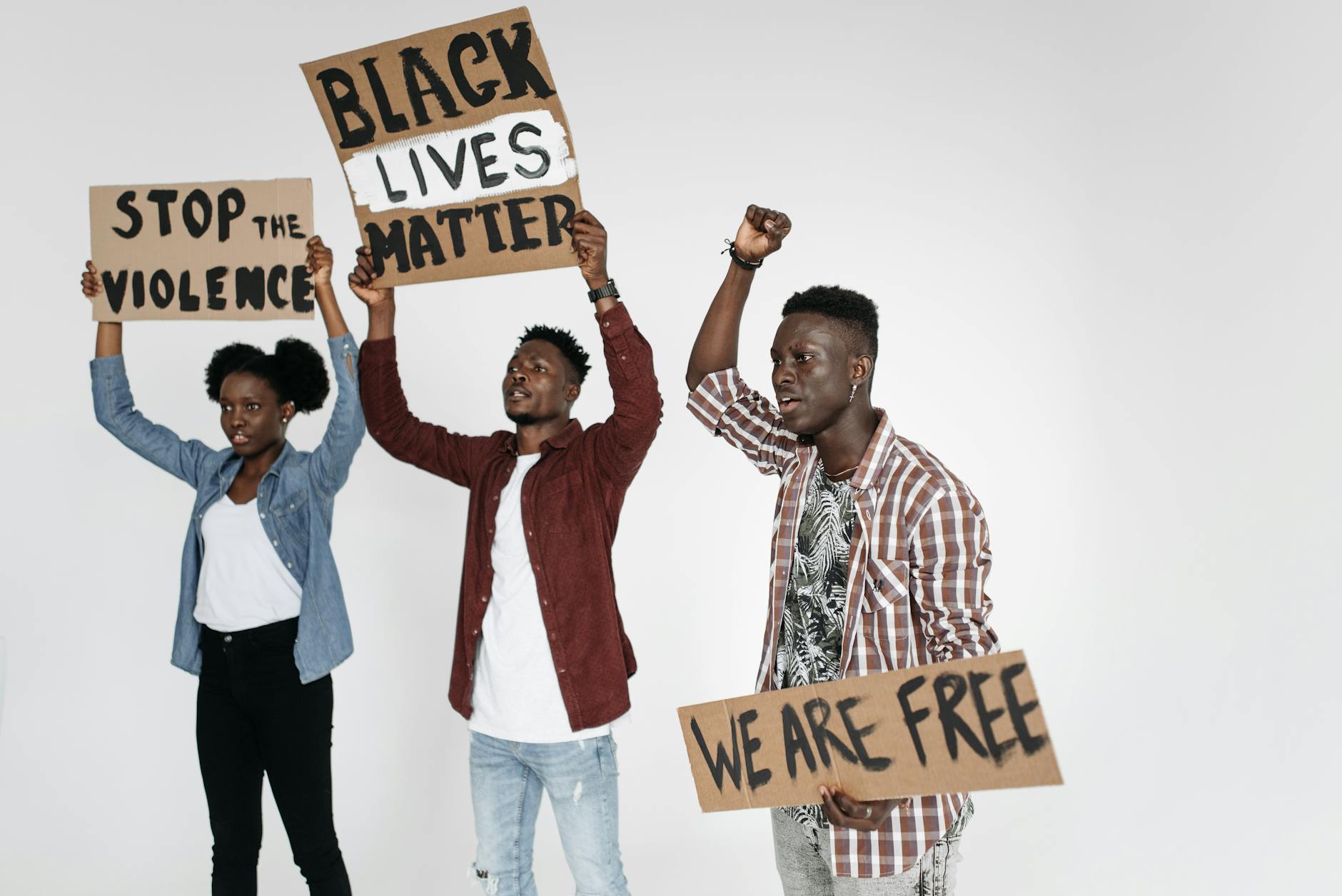
Domestic violence is a pervasive issue in the United States, with a staggering 1 in 4 American women experiencing some form of abuse in their lifetime. The emotional, physical, and psychological scars inflicted by these perpetrators can be long-lasting and devastating. The disturbing reality is that domestic violence is a leading cause of injury to women, ranking only behind motor vehicle accidents and falls.
Is Domestic Violence a Private Matter? For many victims, the answer is a resounding no. The struggle to escape a toxic relationship is often isolating, with the perpetrator exerting control over every aspect of the victim's life. The silence surrounding domestic violence is a significant obstacle in seeking help, and it's crucial that the public responds with compassion and understanding. As the nation grapples with this complex issue, it's essential to acknowledge that domestic violence is not a private matter, but rather a public health concern that requires collective action to prevent and address.
Domestic Violence: A Silent Epidemic in American Homes

Domestic violence is often perceived as a private matter, hidden behind closed doors, and subject to shame and stigma. This misconception perpetuates the silence surrounding the issue, making it difficult for victims to seek help.
The devastating reality is that domestic violence is a pervasive problem in American society; nearly 20% of women in the US have experienced severe physical violence by an intimate partner. This staggering statistic underscores the need for a collective response to the issue.
Some argue that domestic violence is a private matter between two individuals, and that outside interference can exacerbate the situation. However, experts contend that this perspective ignores the inherent power imbalance in abusive relationships.
Victims of domestic violence often face significant barriers to seeking help, including fear of retaliation, shame, and a lack of resources. A supportive and non-judgmental community is crucial in helping victims break the silence and seek the help they need.
Private Struggles, Public Denial: The Complexity of Domestic Abuse

Domestic Violence a Private Matter is a Myth
The notion that domestic violence is a private matter is a pervasive misconception. This attitude contributes to a culture of silence, making it more difficult for victims to seek help and for the abuse to be reported. However, the reality is that domestic violence is a public health issue with far-reaching consequences.
According to the National Coalition Against Domestic Violence, one in three women and one in four men experience some form of domestic violence in their lifetime. These statistics underscore the need for a collective response, rather than viewing domestic violence as a personal problem.
Domestic violence is often hidden behind closed doors, but its impact is felt in communities nationwide. When victims are silenced, perpetrators are emboldened, and the cycle of abuse continues. By acknowledging domestic violence as a public issue, society can begin to dismantle the barriers that prevent victims from seeking help and perpetrators from facing consequences.
Behind Closed Doors: The Hidden Reality of Domestic Violence Sufferers

Domestic violence is often shrouded in secrecy, leaving its victims isolated and ashamed. Behind closed doors, the reality of their suffering is a harrowing tale of manipulation, control, and fear.
A staggering 80% of domestic violence victims report feeling trapped and unable to leave their abusive relationships due to a lack of support and resources. This sense of isolation is a deliberate tactic employed by abusers to maintain power and control over their partners.
The silence surrounding domestic violence is a major obstacle in the fight against this epidemic. Victims may feel reluctant to speak out due to fear of judgment, shame, or retaliation from their abusers. According to the National Coalition Against Domestic Violence, only 34% of domestic violence cases are reported to the authorities. This underreporting perpetuates the cycle of violence and makes it difficult to hold perpetrators accountable.
Victims often suffer in silence, unsure of where to turn for help. The lack of awareness and education about domestic violence can exacerbate this problem, leaving victims feeling alone and without support.
Breaking the Silence: Why Public Response Matters in Domestic Abuse Cases
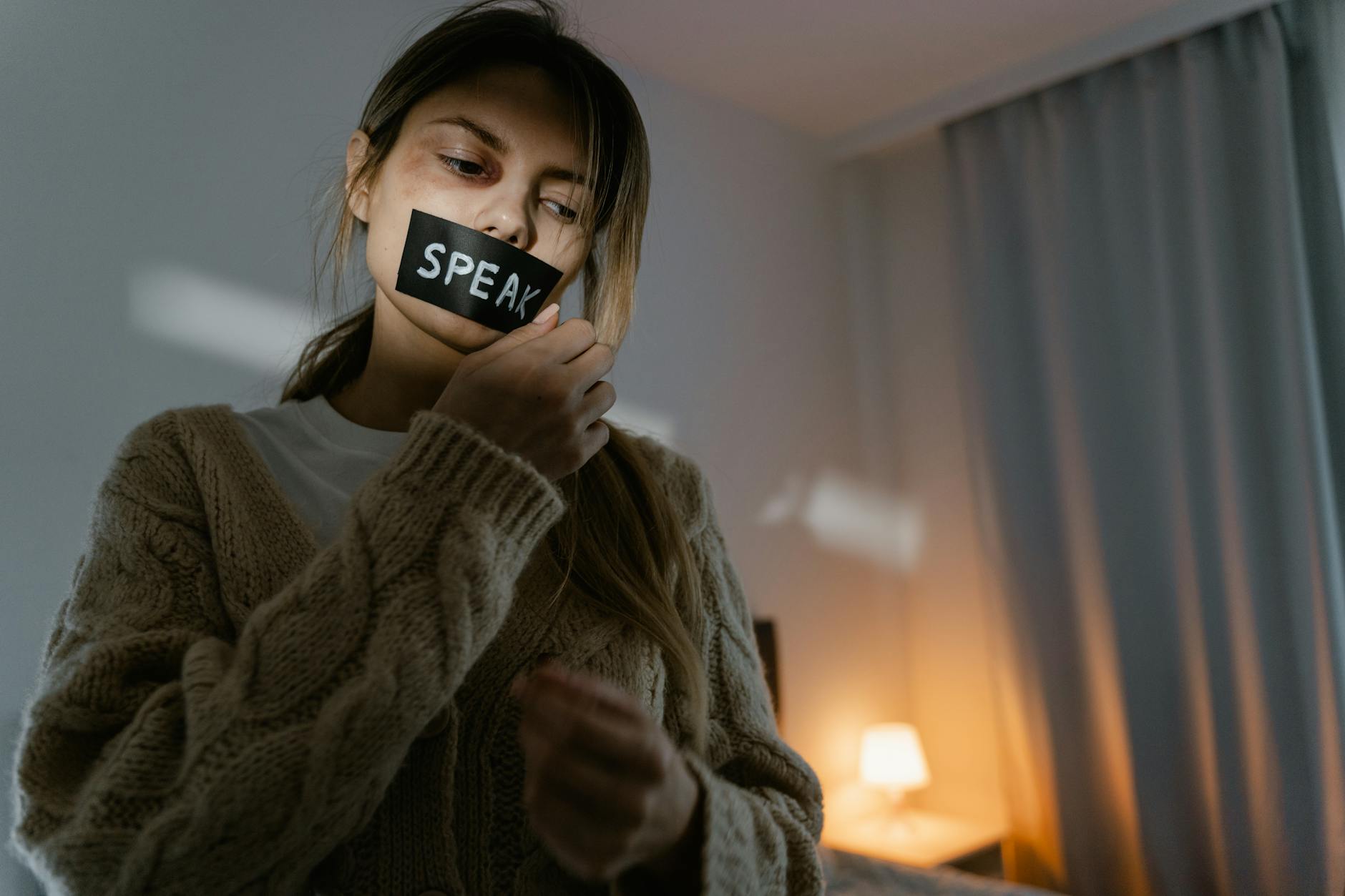
Domestic abuse cases often spark intense debate about the role of public response in addressing the issue. Typically, discussions focus on whether domestic violence is a private matter between two individuals or a public concern that warrants collective attention.
The private nature of domestic abuse can be a significant obstacle in seeking help, with many victims feeling ashamed or embarrassed about their situation. Some research suggests that up to 70% of domestic abuse victims delay seeking help due to feelings of shame or guilt.
However, experts argue that a public response is crucial in breaking the silence surrounding domestic abuse. By acknowledging the issue and providing support to victims, communities can create a culture that discourages perpetrators and empowers survivors to seek help.
Moving Forward Together: Empowering Survivors and Preventing Future Abuse

Domestic violence is often viewed as a private matter, something that should be handled within the confines of a family or household. However, this perception can be detrimental to survivors and hinder efforts to prevent future abuse.
Many people believe that domestic violence is a personal issue, not a public concern. However, this mindset can lead to victims being isolated and unsupported, making it more difficult for them to seek help. According to the National Coalition Against Domestic Violence, 1 in 4 women will experience severe physical violence by an intimate partner in their lifetime.
The private nature of domestic violence can also make it challenging for authorities to intervene early. Often, abuse goes unreported due to fear, shame, or a sense of responsibility for the perpetrator's actions. This can result in severe consequences, including physical harm, emotional trauma, and even death.
By reframing domestic violence as a public issue, communities can come together to support survivors and prevent future abuse. This shift in perspective requires a collective effort to challenge societal norms and promote a culture of respect and accountability.
Domestic violence is a pervasive issue in American society, with one in four women falling victim to its devastating effects. The public response to these crimes will be crucial in shaping the nation's stance on this critical matter.
By acknowledging that domestic violence is not a private matter, but rather a serious crime that demands collective attention and action, we can work towards creating a safer environment for victims to come forward and seek help. This recognition should prompt policymakers and community leaders to allocate resources and support services for those affected, ultimately breaking the silence surrounding domestic violence and holding perpetrators accountable for their actions. As the nation continues to grapple with this complex issue, a unified and determined public response will be essential in preventing further suffering and promoting healing for those who have been affected.
Need this answered for your specific case?
Get a flat-fee consultation with a verified U.S. immigration attorney. Engagement letter on every paid consult.
Related guides
-
Crime Statistics Debunked: Separating Fact from Fiction in 10 Common Misconceptions
6 min read · Apr 12, 2026
-
One in Five Small Businesses Hit with Cybercrime Every Year, Statistics Reveal
5 min read · Apr 12, 2026
-
More Than 2 Million Americans Fall Victim to Fraud Every Year
6 min read · Apr 12, 2026
This guide provides general legal information and does not create an attorney–client relationship. Information accurate as of July 2026. Always verify current USCIS guidance before acting.