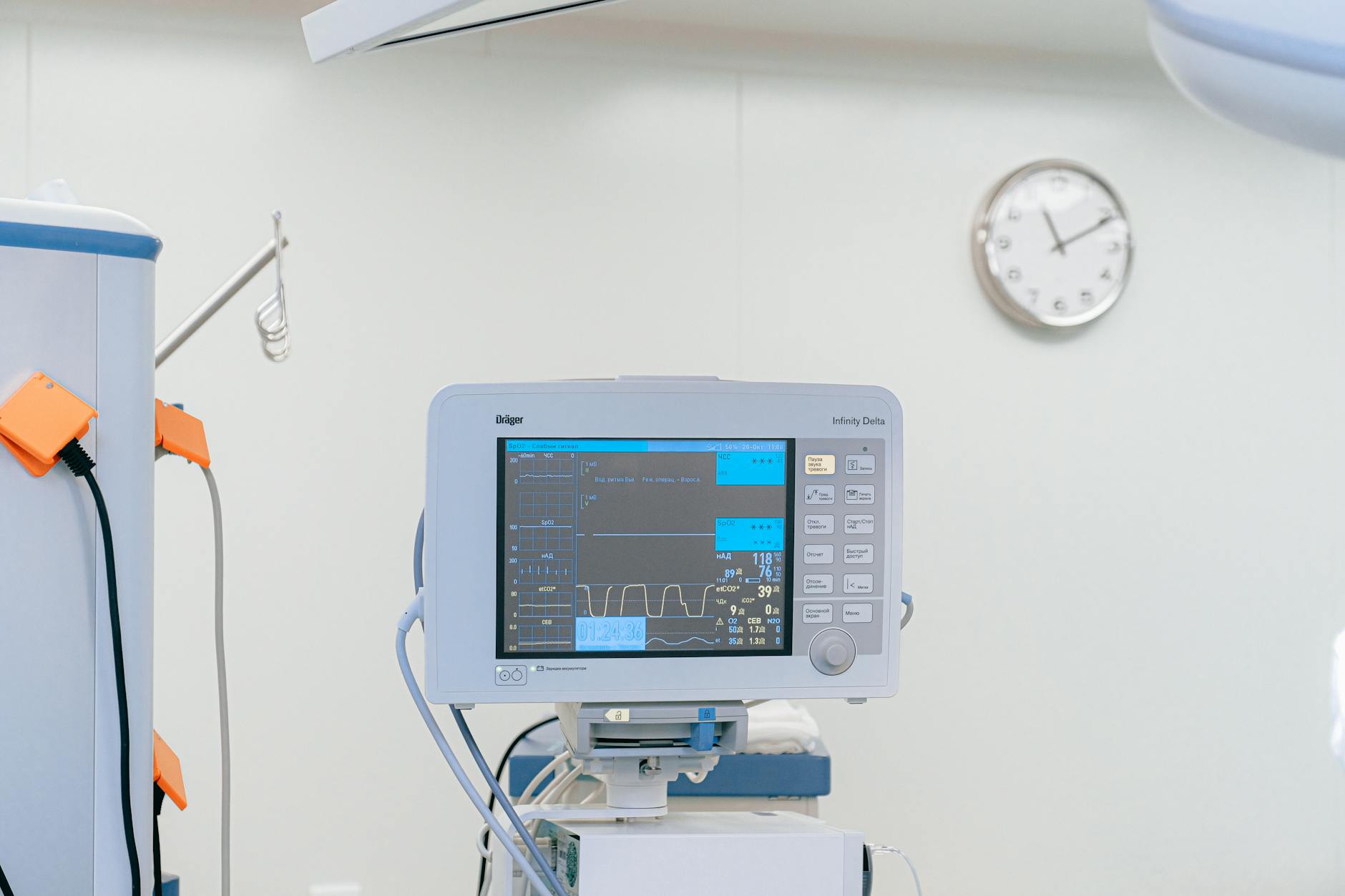
Over 1.5 million people in the United States alone are currently under some form of electronic monitoring, a figure that has tripled in the past decade. This technology, once reserved for high-profile cases, has become a standard tool in law enforcement and criminal justice systems worldwide. Electronic monitoring, a system that tracks individuals' locations and activities in real-time, has evolved significantly, raising both opportunities and challenges.
Electronic monitoring, also known as EM, is not just a tool for tracking offenders. It plays a crucial role in rehabilitation programs, domestic violence cases, and even workplace compliance. For readers, understanding what is electronic monitoring means recognizing its impact on personal freedoms, public safety, and the justice system. From ankle bracelets to GPS-enabled smartphones, EM has become an integral part of modern society, shaping how justice is administered and monitored.
Origins of electronic monitoring

Electronic monitoring traces its roots to the late 20th century, emerging as a response to overcrowded prisons and rising correctional costs. The first ankle bracelets appeared in the 1980s, marking a shift from physical confinement to remote surveillance. These early devices tracked location through radio frequencies, offering a rudimentary but effective alternative to incarceration.
By the 1990s, technology advanced rapidly. GPS-enabled devices replaced radio frequencies, providing more accurate tracking. This evolution coincided with a growing emphasis on rehabilitation over punishment. According to a 2000 study by the National Institute of Justice, electronic monitoring reduced recidivism rates by up to 25% compared to traditional probation.
Private companies entered the market, driving innovation and expanding monitoring capabilities. Devices now track not just location but also curfew compliance and substance use. This commercial involvement raised ethical questions, though proponents argue it improved efficiency and reduced costs.
Today, electronic monitoring serves diverse purposes—from monitoring parolees to tracking individuals under house arrest. Its origins reflect a broader societal shift toward technology-driven solutions in criminal justice. As the system evolves, so too do the debates surrounding its effectiveness and ethical implications.
Core components of tracking systems

Electronic monitoring systems rely on several core components to provide continuous tracking. At the heart of these systems lies the tracking device itself, which can range from ankle bracelets to GPS-enabled smartphones. These devices collect and transmit data, forming the foundation of the monitoring process. The type of device used often depends on the specific requirements of the case, with some designed for high-risk individuals and others for lower-risk situations.
Data transmission forms another critical component. Tracking devices communicate with monitoring centers through various means, including cellular networks, radio frequencies, or satellite signals. This real-time data flow enables authorities to maintain constant supervision. According to industry experts, reliable data transmission is vital for the effectiveness of electronic monitoring programs, with some systems achieving over 95% accuracy in data transmission rates.
Monitoring centers play a pivotal role in managing the collected data. These centers analyze the information, generate reports, and alert authorities to any breaches or anomalies. Staffed by trained professionals, these centers operate around the clock to ensure continuous oversight. The integration of advanced software further enhances their capabilities, allowing for efficient data management and quick response times.
Finally, the legal and administrative framework supports the entire system. Clear guidelines and protocols govern the use of electronic monitoring, ensuring compliance and accountability. This framework includes regulations on device deployment, data privacy, and the rights of those being monitored. Adherence to these guidelines is essential for the ethical and effective operation of electronic monitoring systems.
Real-world applications today

Electronic monitoring has become a staple in modern criminal justice systems, offering a cost-effective alternative to incarceration. Offenders equipped with GPS-enabled ankle bracelets or other tracking devices can remain under supervision while reintegrating into society. This approach has gained significant traction, with over 125,000 individuals monitored electronically in the U.S. alone, according to a recent report by the Pew Charitable Trusts.
One of the most common applications is house arrest. Defendants or convicted individuals wear tracking devices that restrict their movement to approved locations, such as their homes or workplaces. Violations, such as leaving without permission, trigger immediate alerts to supervising authorities. This method not only reduces jail overcrowding but also allows offenders to maintain employment and family ties.
Electronic monitoring also plays a crucial role in monitoring high-risk individuals, including sex offenders and domestic violence perpetrators. By enforcing exclusion zones around schools, parks, or victims' residences, authorities can prevent potential reoffenses. Experts emphasize that while electronic monitoring is not foolproof, it serves as a valuable tool in managing risk and promoting public safety.
Beyond criminal justice, electronic monitoring has found applications in immigration enforcement and workplace compliance. Some companies use it to ensure employees adhere to safety protocols or non-compete agreements. This versatile technology continues to evolve, with advancements in real-time tracking and data analytics enhancing its effectiveness.
Balancing privacy and surveillance

Electronic monitoring (EM) has become an integral part of modern law enforcement and workplace management. It involves the continuous tracking of individuals using electronic devices, raising significant debates about privacy and surveillance. The technology, which includes GPS tracking, biometric verification, and remote monitoring software, is used in various contexts, from criminal justice to employee monitoring. According to a recent study by a leading research institution, over 60% of organizations now use some form of electronic monitoring to track employee productivity and security.
One of the primary concerns with electronic monitoring is the delicate balance between security and privacy. While proponents argue that EM enhances safety and accountability, critics highlight the potential for misuse and invasion of personal privacy. The constant surveillance can create an atmosphere of mistrust and anxiety, particularly in workplaces where employees feel their every move is being watched. This tension underscores the need for clear guidelines and ethical considerations in the implementation of EM technologies.
Legal frameworks play a crucial role in regulating electronic monitoring. Many jurisdictions have established laws to protect individuals from unwarranted surveillance while allowing necessary monitoring for security purposes. For instance, some countries require employers to obtain consent before implementing electronic monitoring in the workplace. These regulations aim to strike a balance between the benefits of EM and the protection of individual rights, ensuring that technology is used responsibly and ethically.
As electronic monitoring continues to evolve, so do the discussions around its ethical implications. Experts emphasize the importance of transparency and consent in the use of EM technologies. Organizations and governments must prioritize the development of policies that respect privacy while leveraging the advantages of electronic monitoring. By doing so, they can create a balanced approach that benefits both security and individual freedoms.
Emerging trends in 2024

Electronic monitoring continues to evolve, with 2024 bringing several notable trends. One significant development is the increased use of GPS tracking for individuals under house arrest. This shift allows for more accurate monitoring and reduces the need for physical check-ins. The technology has proven effective, with a 2023 study showing a 15% reduction in recidivism rates among participants.
Another emerging trend is the integration of artificial intelligence into monitoring systems. AI algorithms can now predict potential violations before they occur, providing a proactive approach to supervision. This innovation has been particularly useful in managing high-risk individuals, according to experts in the field.
Additionally, there is a growing emphasis on the privacy and ethical implications of electronic monitoring. Advocacy groups are pushing for stricter regulations to ensure that the technology is used responsibly. This debate highlights the need for a balanced approach that prioritizes both public safety and individual rights.
As technology advances, the landscape of electronic monitoring is expected to change even more dramatically. The focus will likely shift towards more personalized and less intrusive methods of supervision. This evolution reflects a broader trend in the criminal justice system towards rehabilitation and reintegration.
Electronic monitoring in 2024 is a sophisticated system that combines GPS tracking, biometric verification, and real-time data analysis to ensure compliance with court orders or probation conditions. At its core, it serves as a digital leash, providing authorities with continuous updates on an individual's location and activities. While it raises privacy concerns, the technology has proven effective in reducing recidivism rates and offering a cost-effective alternative to incarceration. For those subject to electronic monitoring, understanding the device's capabilities and limitations is crucial. It's essential to follow all guidelines meticulously to avoid potential violations. As technology advances, electronic monitoring systems will likely become even more integrated into the criminal justice system, potentially reshaping how society approaches rehabilitation and surveillance.
Need this answered for your specific case?
Get a flat-fee consultation with a verified U.S. immigration attorney. Engagement letter on every paid consult.
Related guides
This guide provides general legal information and does not create an attorney–client relationship. Information accurate as of July 2026. Always verify current USCIS guidance before acting.