
Every 40 seconds, a vehicle disappears without its owner's consent in the U.S. This staggering statistic, from the FBI's Uniform Crime Reporting Program, underscores a persistent crime wave that costs Americans billions annually. Vehicle theft is not merely an inconvenience; it's a complex criminal enterprise with far-reaching consequences, from insurance hikes to public safety concerns.
So, what is vehicle theft crime? It encompasses the unauthorized taking of a motor vehicle with the intent to permanently deprive the owner of it. This crime ranges from joyriding to sophisticated operations run by organized crime rings. Understanding what is vehicle theft crime is crucial for vehicle owners, law enforcement, and policymakers alike. It's a crime that affects everyone, from the individual whose car is stolen to the broader community that bears the financial and social burdens.
Understanding vehicle theft statistics

Vehicle theft remains a persistent challenge across the United States. The Federal Bureau of Investigation (FBI) reports that law enforcement agencies recorded over 800,000 vehicle thefts in 2022. This figure underscores the prevalence of the crime, affecting communities nationwide. Thefts range from opportunistic acts to sophisticated operations targeting specific makes and models.
Urban areas often see higher theft rates due to population density and vehicle availability. However, rural regions are not immune, with thefts sometimes going unreported. Experts point to economic factors and organized crime networks as key drivers. The rise of keyless entry systems has also presented new challenges, with thieves exploiting technological vulnerabilities.
Understanding these statistics helps shape prevention strategies. Insurance companies and law enforcement agencies collaborate to identify trends. Public awareness campaigns emphasize basic precautions, such as using steering wheel locks or parking in well-lit areas. These efforts aim to reduce the frequency and impact of vehicle theft.
Despite progress, vehicle theft remains a significant issue. The FBI's data highlights the need for continued vigilance. Communities must remain proactive in protecting their assets. By staying informed and taking preventive measures, individuals can contribute to the collective effort against this crime.
Common targets and hotspots

Urban areas consistently report higher vehicle theft rates, with cities like Los Angeles, Houston, and Detroit frequently topping the charts. These metropolitan hubs offer thieves a mix of high vehicle density and anonymity, making them prime targets. Thefts often cluster around transportation hubs, shopping centers, and entertainment districts where vehicles are left unattended for extended periods.
Certain vehicle models attract thieves more than others. According to industry experts, popular targets include the Honda Accord and Civic, Toyota Camry, and Ford F-Series trucks. These vehicles are often stolen for their parts or exported to other countries. The National Insurance Crime Bureau reports that these models have been the most stolen vehicles for several consecutive years.
Residential areas also see significant theft activity, particularly in neighborhoods with lower security measures. Thieves often target driveways and streets where vehicles are parked overnight. A study by a leading automotive research group found that nearly 60% of vehicle thefts occur between 10 PM and 4 AM, highlighting the importance of secure parking and anti-theft devices.
Commercial fleets and rental vehicles are another common target. Thieves exploit the transient nature of these vehicles, which are often left unattended at airports, hotels, and construction sites. The lack of personalized security measures makes these vehicles easier targets for theft.
Vehicle theft hotspots can shift based on economic conditions and law enforcement efforts. Areas experiencing economic downturns may see an increase in theft rates as thieves seek quick financial gains. Conversely, targeted police operations can temporarily reduce theft rates in specific areas.
How thieves operate and evolve

Vehicle theft is a crime that has evolved significantly over the years, adapting to new technologies and security measures. Thieves often target older vehicles with outdated or easily bypassed security systems. They may use simple tools to break into cars or employ more sophisticated methods like relay attacks, where they intercept signals from key fobs to unlock and start vehicles remotely. According to the National Insurance Crime Bureau, approximately 40% of stolen vehicles are recovered, but the damage is often already done.
Modern thieves are quick to adapt. As car manufacturers introduce advanced security features, criminals find new ways to circumvent them. For instance, the rise of keyless entry systems has led to an increase in relay attacks. These thieves use devices to intercept and amplify the signal from a key fob inside a home, allowing them to unlock and start the vehicle without the key.
Organized crime rings also play a significant role in vehicle theft. These groups often steal vehicles for parts, which are then sold on the black market. High-demand parts, such as catalytic converters, are particularly targeted. The FBI reports that organized crime is responsible for a substantial portion of vehicle thefts, making it a lucrative and dangerous enterprise.
Protecting your vehicle effectively

Vehicle theft remains a persistent challenge for law enforcement and vehicle owners alike. According to the FBI, a vehicle is stolen every 40 seconds in the United States, highlighting the need for robust preventive measures. Experts emphasize that understanding and implementing effective security strategies can significantly reduce the risk of vehicle theft.
One of the most straightforward yet effective methods to protect a vehicle is the use of mechanical locks. Steering wheel locks, brake pedal locks, and gear shift locks act as visible deterrents. These devices are often enough to dissuade potential thieves, who typically seek easy targets. Additionally, installing an alarm system can provide an extra layer of security. Modern alarm systems come equipped with features like motion sensors and remote monitoring, offering peace of mind to vehicle owners.
Technology has also played a crucial role in combating vehicle theft. GPS tracking devices allow owners to monitor their vehicle's location in real-time. In the event of a theft, these devices can help law enforcement quickly recover the vehicle. Another technological advancement is the use of smart keys, which use encrypted signals to communicate with the vehicle's ignition system. This makes it extremely difficult for thieves to bypass the security measures.
Regular maintenance and attention to detail can also go a long way in protecting a vehicle. Ensuring that all doors and windows are locked, even for short periods, can prevent opportunistic thefts. Parking in well-lit areas or within view of security cameras further reduces the risk. Vehicle owners should also be cautious about leaving valuables in plain sight, as this can attract potential thieves. By combining these strategies, vehicle owners can create a comprehensive security plan that significantly lowers the chances of theft.
Emerging technologies in vehicle security
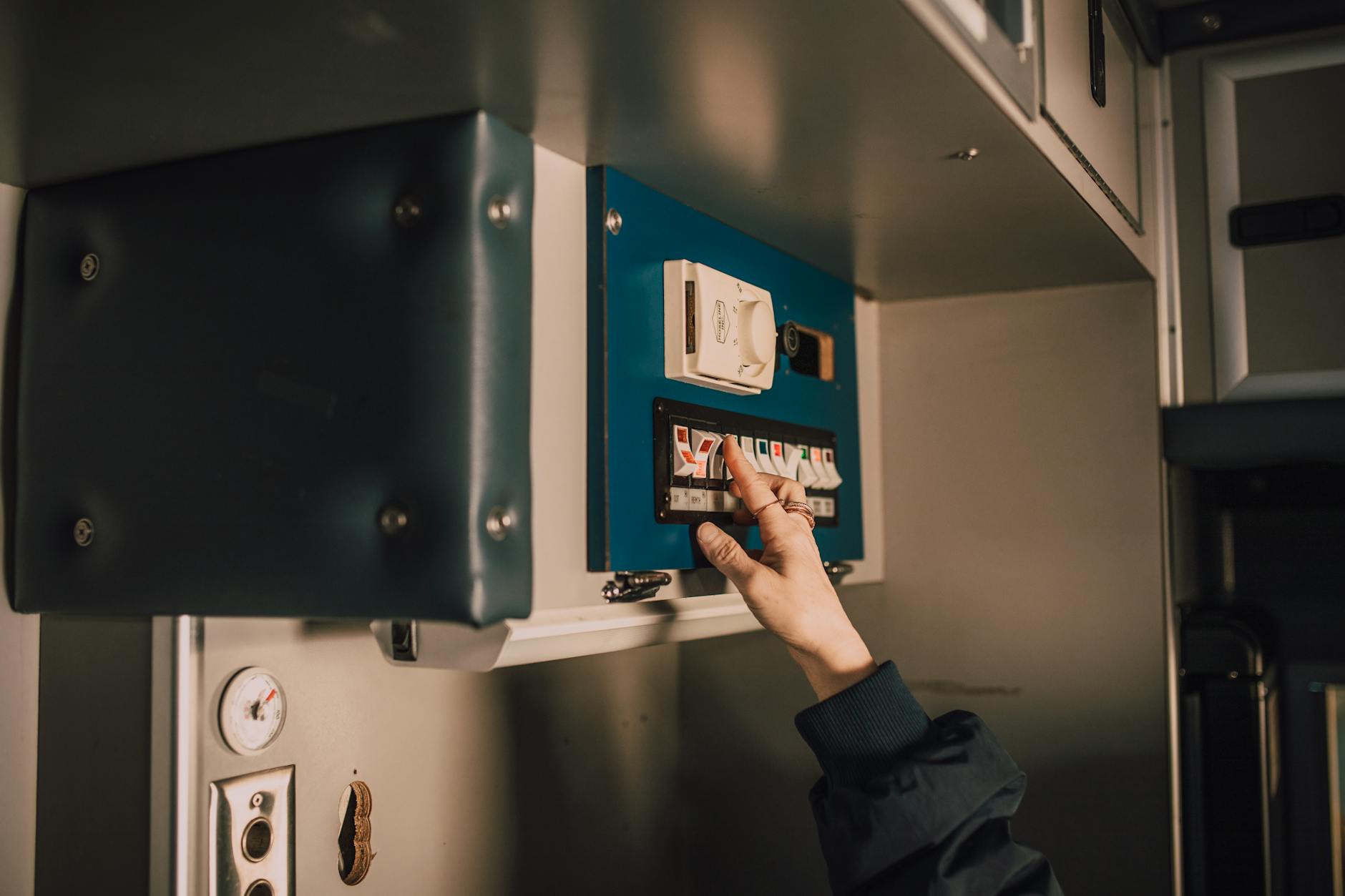
Vehicle theft remains a persistent challenge, but emerging technologies are offering new ways to combat this crime. Advanced tracking systems, such as GPS and telematics, now provide real-time location data, enabling law enforcement to recover stolen vehicles more efficiently. These systems often include features like geofencing, which alerts owners if a vehicle leaves a designated area, adding an extra layer of security.
Another promising development is the use of biometric authentication. Some high-end vehicles now come equipped with fingerprint or facial recognition technology, ensuring that only authorized individuals can start the engine. This innovation significantly reduces the risk of theft by making it nearly impossible for thieves to bypass the ignition system.
Additionally, the rise of connected cars has paved the way for over-the-air (OTA) updates. These updates allow manufacturers to remotely patch vulnerabilities in a vehicle's software, addressing security flaws before they can be exploited. According to a recent study, vehicles with regular OTA updates experience a 30% lower theft rate compared to those without this feature.
Despite these advancements, experts caution that no system is foolproof. Thieves are constantly evolving their methods, necessitating continuous innovation in vehicle security. As technology progresses, the hope is that these emerging solutions will make vehicle theft increasingly difficult, ultimately reducing the frequency of such crimes.
Vehicle theft is a persistent and widespread crime, with a car stolen every 40 seconds in the U.S., highlighting the urgent need for heightened awareness and preventive measures. Thefts range from opportunistic thefts of unlocked vehicles to sophisticated operations targeting specific models, with hotspots in urban areas and near major highways. To combat this, drivers should always lock their vehicles, remove valuables, and consider using anti-theft devices. As technology evolves, law enforcement and automakers are collaborating to develop smarter security systems, offering hope for a future where vehicle theft becomes a rarity.
Need this answered for your specific case?
Get a flat-fee consultation with a verified U.S. immigration attorney. Engagement letter on every paid consult.
Related guides
This guide provides general legal information and does not create an attorney–client relationship. Information accurate as of July 2026. Always verify current USCIS guidance before acting.