
Eyewitness testimony is a critical component of many criminal trials, with over 75% of convictions in the United States relying on eyewitness identification. However, research suggests that eyewitness certainty is not as reliable as it seems, with many studies pointing to a phenomenon known as the 80% confidence myth.
The 80% confidence myth, a central theme of "Myths About Eyewitness Certainty," refers to the widespread assumption that eyewitnesses are accurate 80% of the time when they are confident in their identifications. However, this myth has been consistently debunked by empirical evidence showing that eyewitness accuracy is often much lower than expected. Despite this, many courts and law enforcement agencies still rely on eyewitness testimony, often with disastrous consequences. The 80% confidence myth highlights the urgent need for a more nuanced understanding of eyewitness accuracy and the importance of critically evaluating eyewitness testimony in the pursuit of justice.
Eyewitness Testimony: A Misconception Born from Misinformation
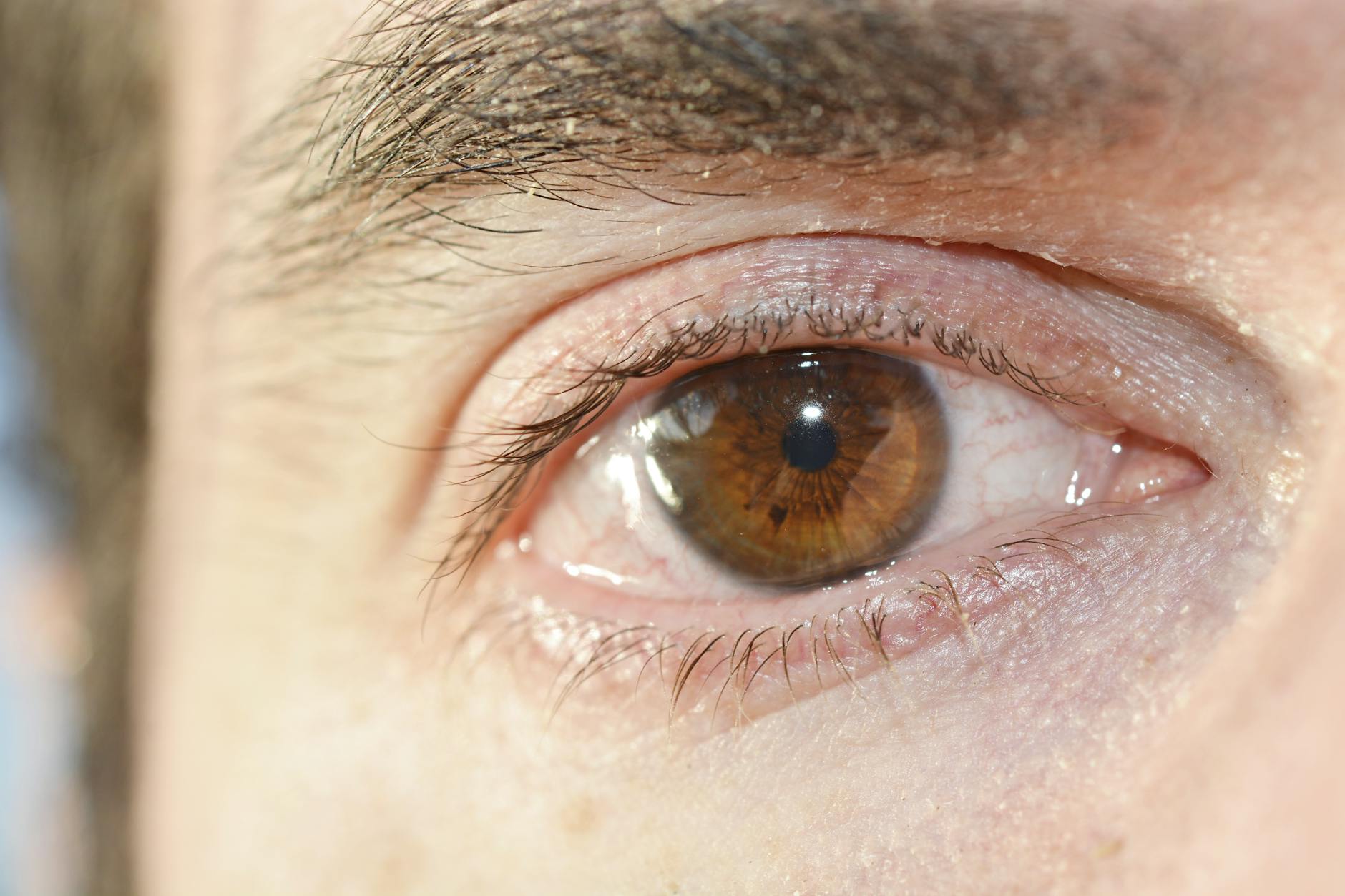
Eyewitness testimony is often seen as a reliable source of evidence, but this assumption is largely a misconception born from misinformation.
Eyewitness testimony has been shown to be notoriously unreliable, with estimates suggesting that up to 80% of convictions based on eyewitness evidence are later overturned.
Research has consistently demonstrated that human memory is susceptible to a range of distortions and biases, which can significantly impact the accuracy of eyewitness testimony. For instance, a study published in the journal Psychology, Crime & Law found that eyewitnesses are more likely to misidentify a suspect if they are shown a lineup with a high number of similar-looking individuals.
The consequences of relying on eyewitness testimony can be severe, with innocent people being wrongly convicted and imprisoned as a result. According to the Innocence Project, eyewitness misidentification is the leading cause of wrongful convictions in the United States, accounting for approximately 70% of all such cases.
Misconceptions Surrounding Eyewitness Certainty and Confidence
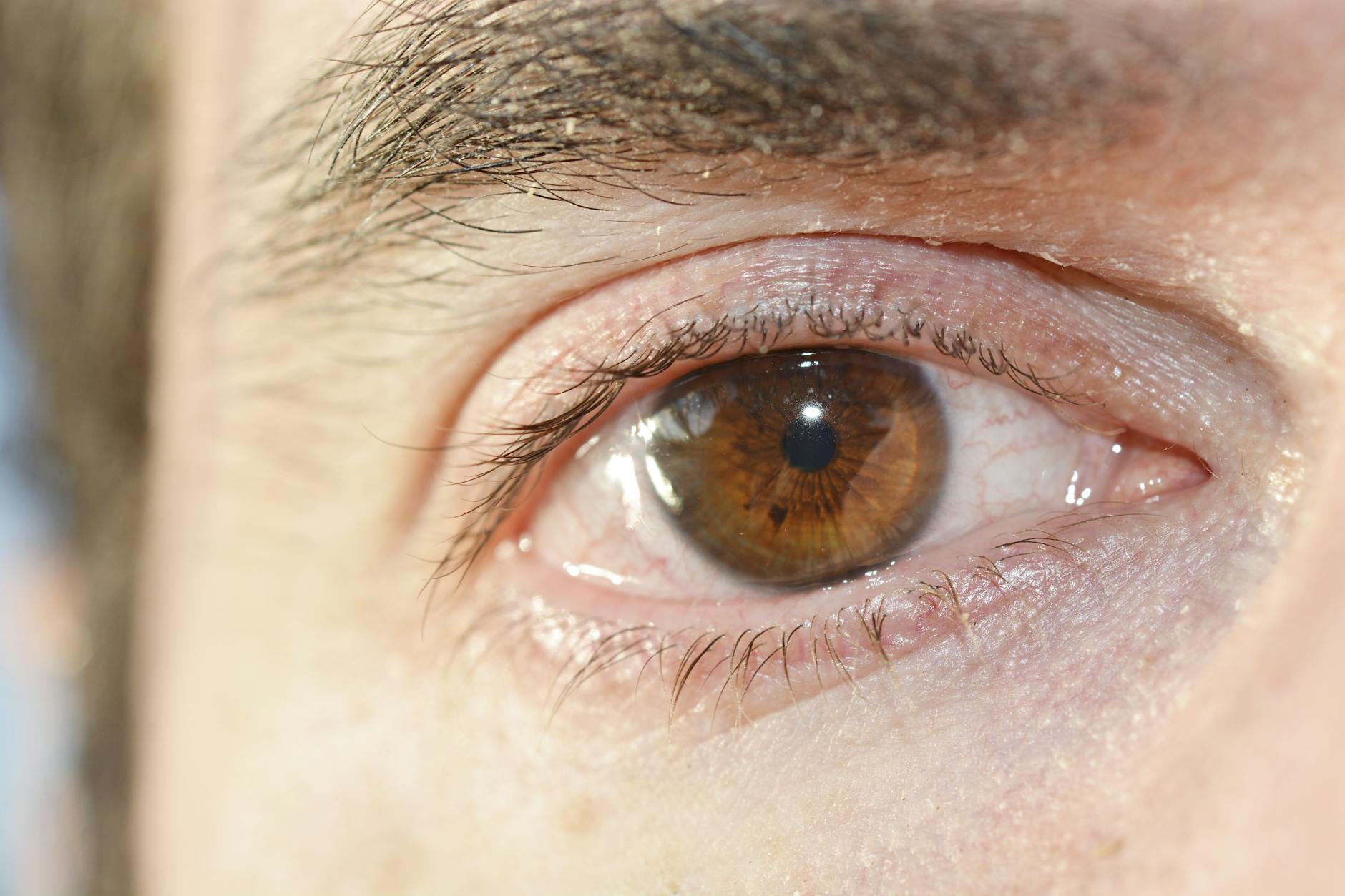
Eyewitness testimony plays a crucial role in court proceedings, but its reliability is often questioned. The assumption that eyewitnesses are 80% certain about their accounts is a common misconception that has been debunked by researchers.
Studies have consistently shown that eyewitnesses are often overconfident in their recollections, but this confidence does not necessarily translate to accuracy. In fact, a study conducted by the National Institute of Justice found that eyewitnesses are wrong approximately 70% of the time when their testimony is cross-examined.
Eyewitness testimony can be influenced by a variety of factors, including the environment, lighting, and the presence of other individuals. These factors can lead to misperceptions and errors in memory, which can have serious consequences in court.
The Psychology Behind Eyewitness Misidentification and Its Consequences
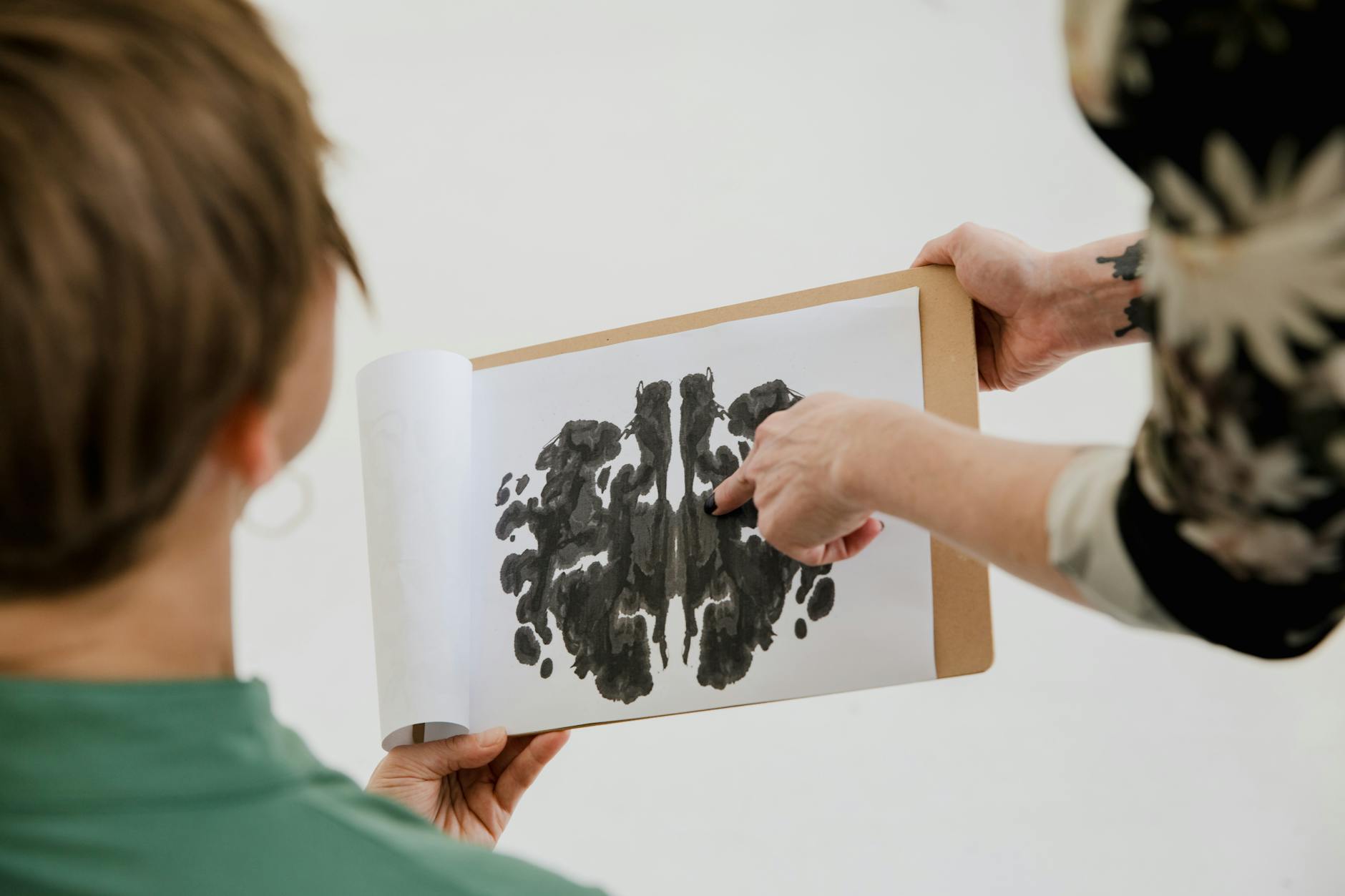
Eyewitness testimony is a cornerstone of the justice system, yet it is often tainted by a phenomenon called the eyewitness misidentification. This occurs when an individual mistakenly identifies a suspect or a perpetrator due to a combination of factors, including cognitive biases, social pressures, and the limitations of human perception.
Research has shown that eyewitness identification is susceptible to a range of influences, such as the lineup procedure, the quality of the witness's viewing conditions, and the presence of any preconceptions or expectations. The reliability of eyewitness testimony is further eroded by the fact that even experts estimate that eyewitness misidentification is responsible for between 70% to 80% of all wrongful convictions in the United States.
Eyewitness misidentification can have devastating consequences, including the conviction of innocent individuals, prolonged imprisonment, and irreparable damage to families and communities. The psychological factors underlying eyewitness misidentification are complex and multifaceted, involving cognitive biases, emotional influences, and social pressures that can compromise the accuracy of eyewitness testimony.
The consequences of eyewitness misidentification are far-reaching, with the potential to destroy lives and undermine the integrity of the justice system. As such, it is crucial to critically evaluate eyewitness testimony and to implement procedures that minimize the risk of misidentification.
Practical Implications of the 80% Confidence Myth in Court

Eyewitness testimony is a crucial component in many court cases, often relied upon to determine guilt or innocence. Studies have shown that eyewitness confidence, particularly the idea that a witness must be at least 80% certain of their identification, has led to wrongful convictions in the past.
Jurors may rely too heavily on the witness's confidence level, overlooking the inherent fallibility of human memory. Research suggests that confidence is not a reliable indicator of accuracy, with some studies indicating that even highly confident witnesses may be incorrect up to 75% of the time.
In practice, this means that judges and prosecutors must be cautious when assessing eyewitness testimony and not rely solely on the witness's level of confidence. They should instead consider other factors, such as the quality of the initial witness lineup and the witness's opportunity to observe the perpetrator.
Ultimately, the 80% confidence threshold has been widely discredited, and courts are beginning to adopt more nuanced approaches to evaluating eyewitness testimony. By doing so, they can reduce the risk of wrongful convictions and ensure a more just outcome.
Rethinking Eyewitness Testimony for a More Just Justice System

Eyewitness testimony is a cornerstone of justice systems worldwide, with many relying on such accounts to secure convictions. However, a growing body of research suggests that eyewitness confidence is not always a reliable indicator of accuracy.
The 80% confidence myth has been particularly damaging, implying that witnesses who are 80% certain of their testimony are 80% accurate. However, studies have shown that witnesses can be just as confident in their incorrect identifications as they are in their correct ones. According to a study by the National Institute of Justice, eyewitness misidentifications are responsible for approximately 70% of wrongful convictions in the United States.
The issue lies in the psychological and cognitive biases that affect eyewitness testimony, such as the availability heuristic and the confirmation bias. These biases can lead to false memories and incorrect identifications, which are then reinforced by eyewitness confidence. By acknowledging these limitations, justice systems can begin to rethink their reliance on eyewitness testimony and develop more robust methods for verifying evidence.
The consequences of eyewitness misidentification can be devastating, resulting in lengthy prison sentences and even executions. As justice systems continue to evolve, it is essential to prioritize the accuracy of evidence over eyewitness confidence.
The notion that eyewitnesses are 80% certain of their identifications in court is a pervasive myth that has been debunked by decades of research. In reality, eyewitness confidence is no guarantee of accuracy, and the likelihood of misidentification is alarmingly high. This myth has real-world consequences, influencing the outcome of trials and the fate of individuals accused of crimes. To improve the reliability of eyewitness testimony, law enforcement agencies and courts should adopt protocols that emphasize the importance of collecting and analyzing objective evidence, rather than relying solely on eyewitness accounts. As the science of eyewitness testimony continues to evolve, it is crucial that we adapt our justice system to reflect the complexities of human perception and memory.
Need this answered for your specific case?
Get a flat-fee consultation with a verified U.S. immigration attorney. Engagement letter on every paid consult.
Related guides
-
Crime Statistics Debunked: Separating Fact from Fiction in 10 Common Misconceptions
6 min read · Apr 12, 2026
-
One in Five Small Businesses Hit with Cybercrime Every Year, Statistics Reveal
5 min read · Apr 12, 2026
-
More Than 2 Million Americans Fall Victim to Fraud Every Year
6 min read · Apr 12, 2026
This guide provides general legal information and does not create an attorney–client relationship. Information accurate as of July 2026. Always verify current USCIS guidance before acting.