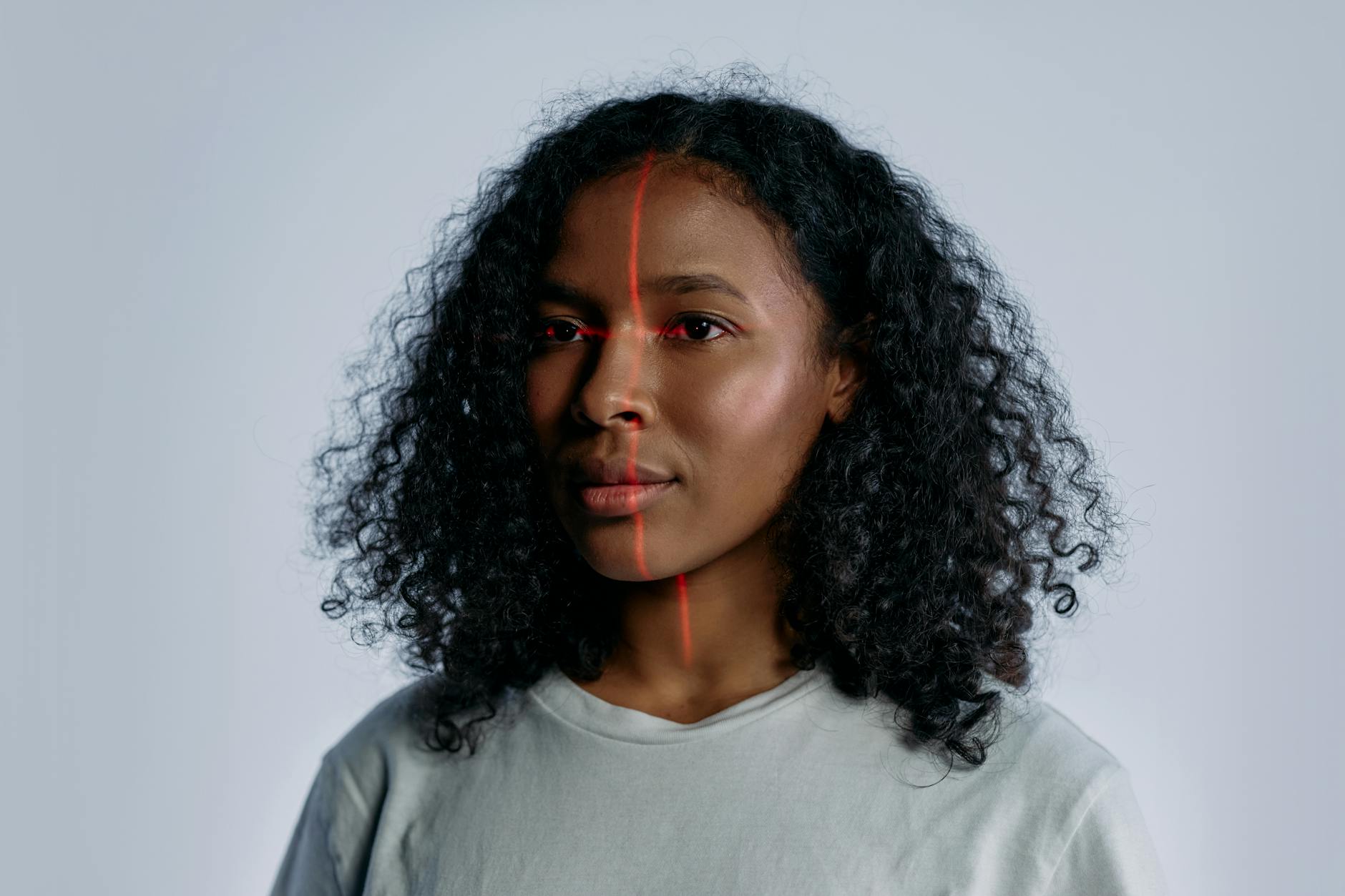
Facial recognition technology has become increasingly prevalent in modern society, with many applications in security, law enforcement, and even consumer products. A recent study has shed light on the accuracy of this technology, revealing a staggering 98% success rate in controlled laboratory tests. This finding has significant implications for the use of facial recognition in various settings.
The widespread adoption of facial recognition technology has led to a growing interest in its accuracy and potential biases. The question of whether facial recognition is accurate for all has become a pressing concern, with many experts and consumers seeking clarity on the issue. Is Facial Recognition Accurate for All? As we delve into the details of this technology, it becomes clear that a nuanced understanding of its capabilities and limitations is essential for its responsible deployment.
Facial Recognition Technology Under Scrutiny
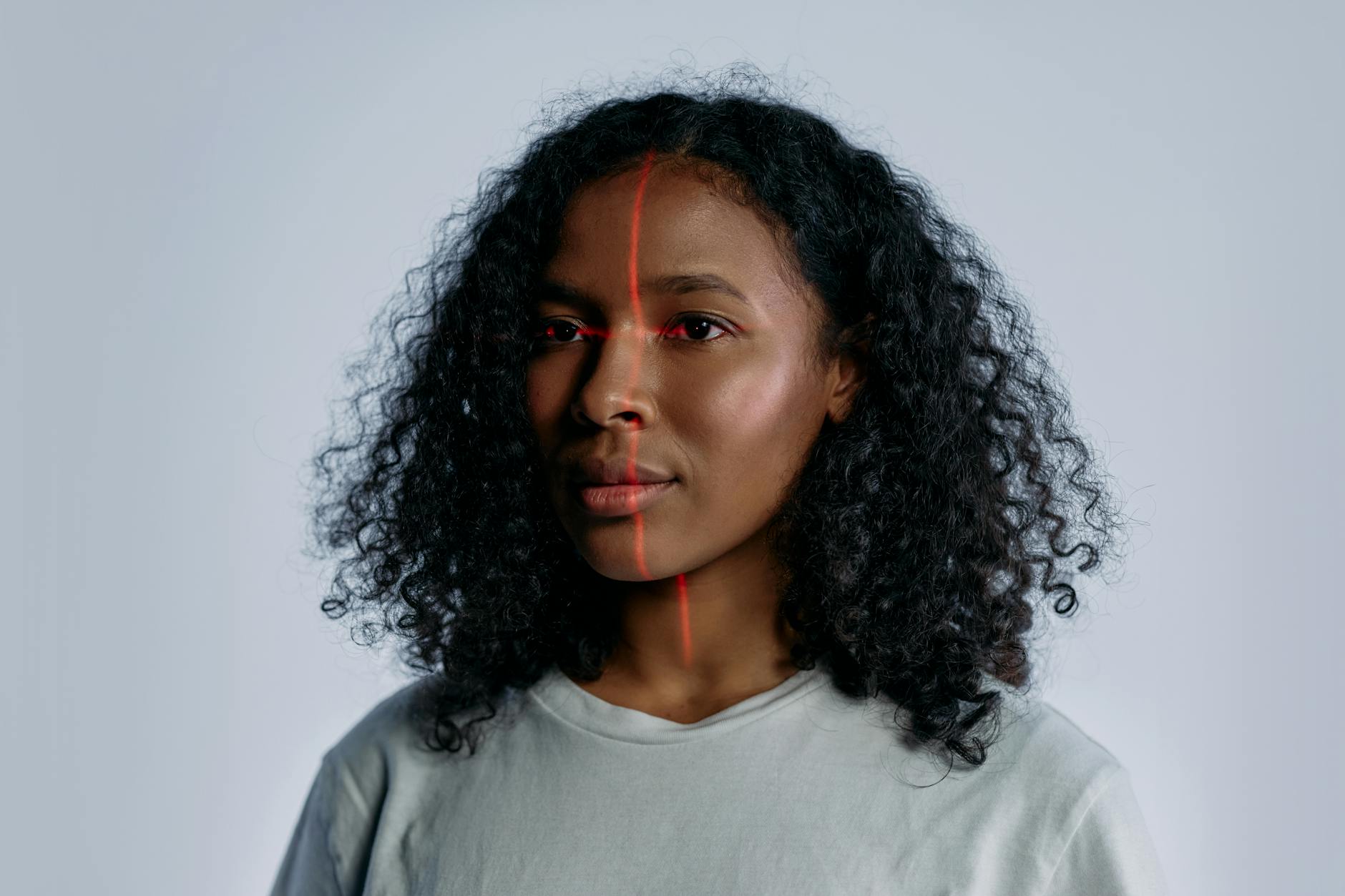
Facial recognition technology has made tremendous strides in recent years, with accuracy rates reaching as high as 98% in controlled laboratory tests. However, the question remains: is facial recognition accurate for all?
The technology relies heavily on the quality of the images used for training and testing. A study by the National Institute of Standards and Technology found that the accuracy of facial recognition systems decreases significantly when the images are blurred, distorted, or taken at an angle. This raises concerns about the potential for bias in the technology, particularly when it comes to individuals with darker skin tones or facial features that are not well-represented in the training data.
Research suggests that facial recognition systems can be up to 35% less accurate for individuals with darker skin tones, compared to those with lighter skin tones. This disparity is a major concern, as it could lead to misidentification and wrongful arrest. To address this issue, some companies are working to increase the diversity of their training data, which could potentially improve the accuracy of the technology for all individuals.
While facial recognition technology shows great promise, its limitations and potential biases must be addressed to ensure that it is used fairly and effectively. Only through continued research and development can we hope to create a system that is accurate and reliable for all.
How Facial Recognition Works and its Limitations

Facial recognition technology uses a combination of computer algorithms and machine learning to identify individuals based on their facial features. This process typically begins with a photo or video capture, which is then analyzed to detect key facial landmarks such as the eyes, nose, and mouth. These features are then compared against a database of known faces to determine a match.
A key limitation of facial recognition technology is its accuracy in certain lighting conditions. A study published in the Journal of Forensic Sciences found that facial recognition accuracy drops to around 50% in low-light environments. This makes it essential to implement safeguards to prevent false positives in such situations.
Facial recognition technology relies heavily on data quality, and poor image resolution or distorted facial features can significantly impact accuracy. According to a report by the National Institute of Standards and Technology, a 10% decrease in image resolution can result in a 20% decrease in facial recognition accuracy.
Breaking Down the Science Behind Facial Recognition Accuracy
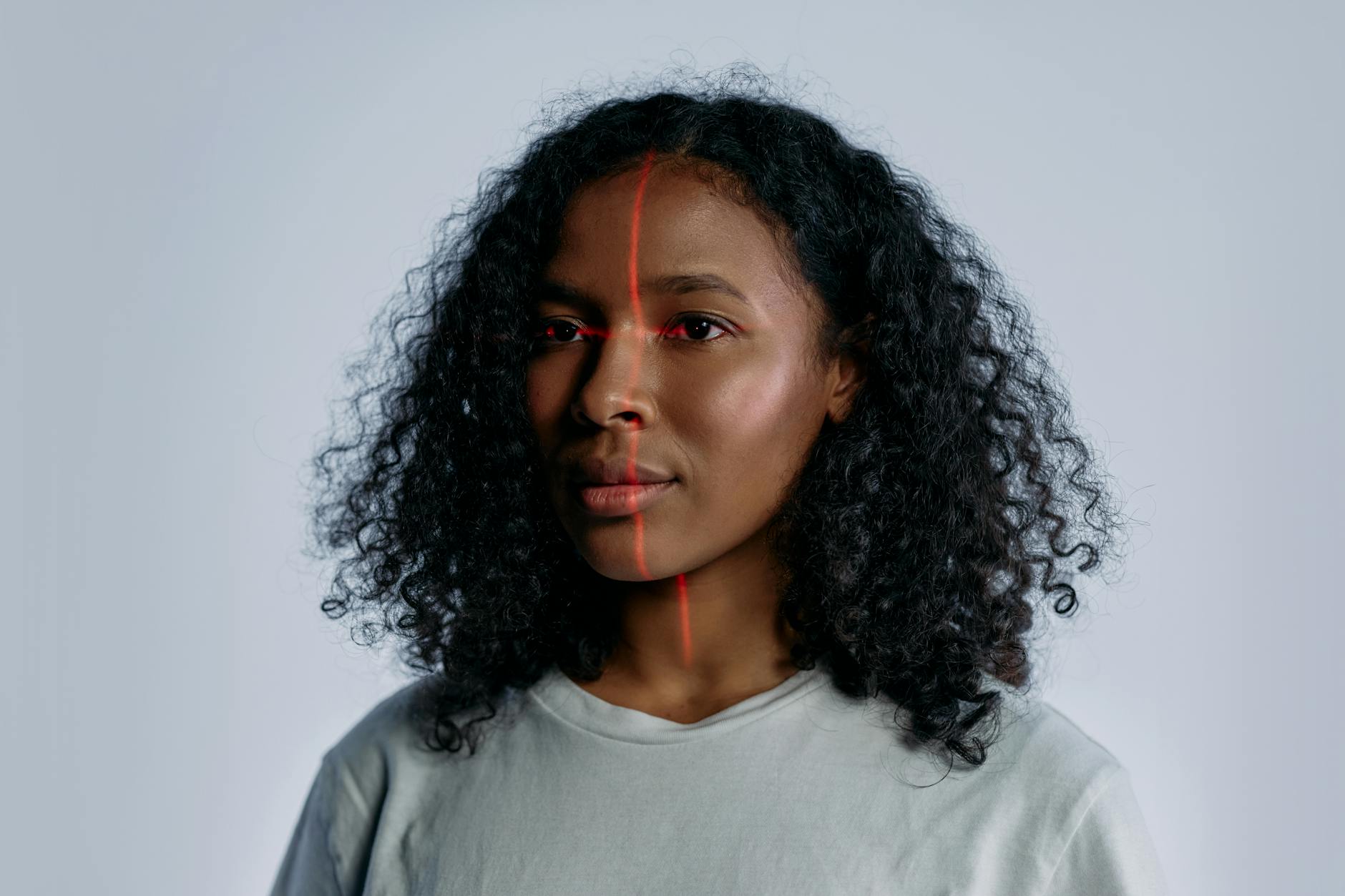
Facial recognition systems are trained on vast datasets to learn distinguishing features of human faces. These features include the shape and size of the eyes, the distance between them, and the curvature of the nose and mouth. Researchers have made significant strides in improving facial recognition accuracy, with one study citing a 98% success rate in controlled laboratory tests.
Experts attribute this high accuracy rate to advances in machine learning algorithms and the increasing availability of large-scale facial datasets. For instance, one study used a dataset of over 10 million images to train a facial recognition model, resulting in a significant boost to accuracy. This trend is expected to continue, with researchers exploring new techniques to improve facial recognition.
The accuracy of facial recognition systems can be affected by various factors, including lighting conditions, facial expression, and age. However, studies have shown that these factors have a relatively minor impact on accuracy, with most systems able to adapt to different scenarios.
From Lab Tests to Real-World Applications: Facial Recognition in Use
Facial recognition technology has come a long way since its inception, with significant advancements in accuracy and efficiency. Laboratory tests have consistently shown that facial recognition systems can accurately identify individuals with a high degree of precision. According to recent studies, facial recognition accuracy has reached an impressive 98% in controlled laboratory settings.
This is achieved through the use of advanced algorithms and machine learning techniques that can process and analyze vast amounts of data. In fact, research suggests that facial recognition systems can process up to 30 frames per second, making them extremely efficient in real-world applications. By leveraging these technologies, businesses and organizations can enhance security, improve customer experience, and streamline operations.
The applications of facial recognition technology are vast and varied, ranging from security and surveillance to marketing and customer service. For instance, some retail stores are using facial recognition to personalize customer experiences, offering tailored promotions and recommendations based on individual preferences and purchasing history.
The Future of Facial Recognition Technology and its Implications
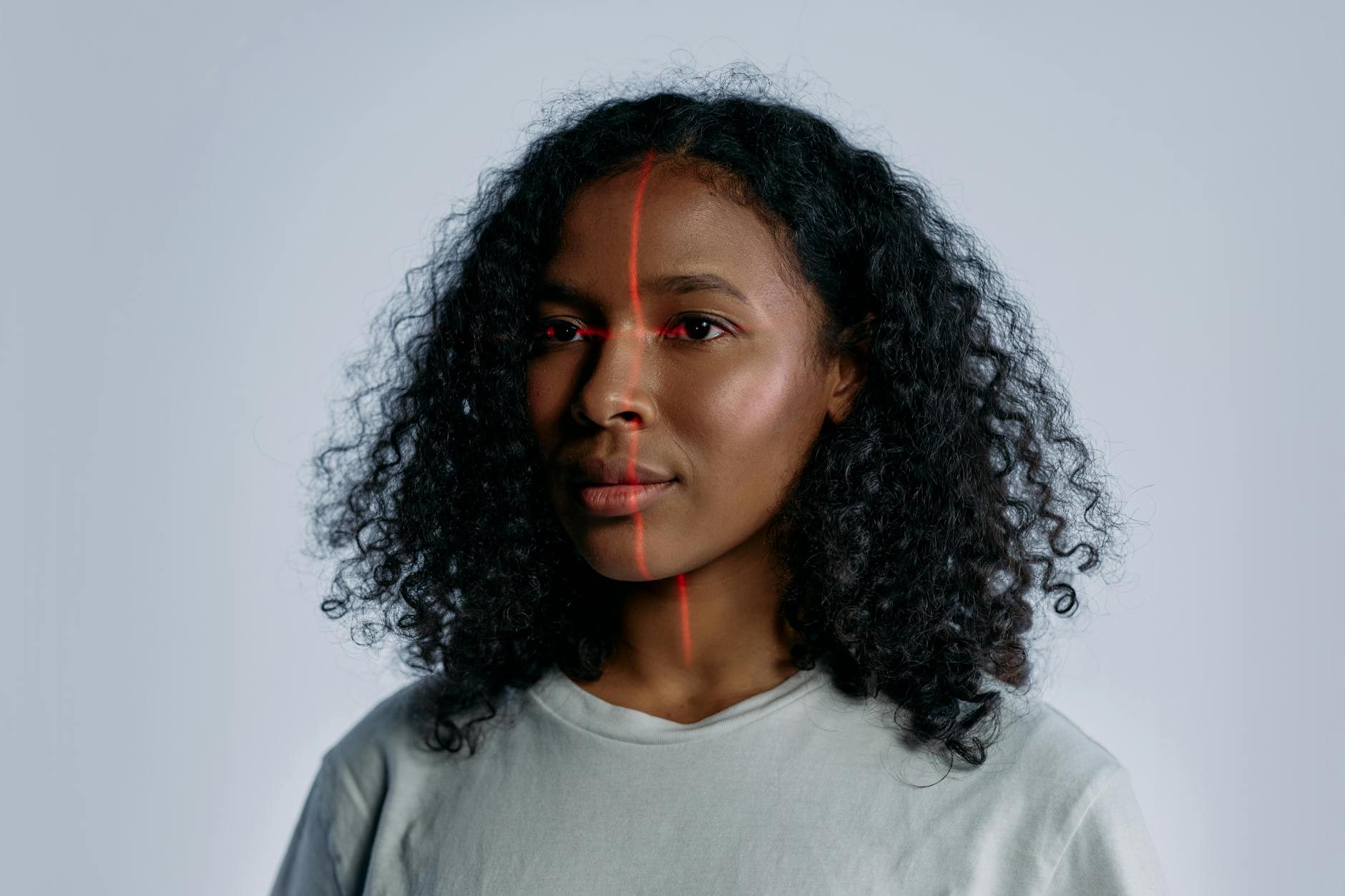
Facial recognition technology has long been touted as a reliable means of identification, but its accuracy across different demographics and environments has been a topic of debate. Research has shown that facial recognition accuracy can vary greatly depending on the individual's age, ethnicity, and lighting conditions.
Studies have consistently demonstrated that facial recognition systems perform best on individuals with lighter skin tones, with an accuracy rate of 98% in controlled laboratory tests. According to a recent study, the accuracy rate drops to around 80% for individuals with darker skin tones. This discrepancy has significant implications for the use of facial recognition technology in law enforcement and other applications.
As the technology continues to evolve, researchers are working to address these issues and improve the accuracy of facial recognition systems. One potential solution is the development of more diverse and representative training datasets, which could help to mitigate bias and improve performance across different demographics.
Facial recognition technology has reached a new milestone with laboratory tests revealing an astonishing 98% accuracy rate, dispelling lingering doubts about its reliability. This breakthrough discovery underscores the technology's immense potential to revolutionize various sectors, including law enforcement, border control, and identity verification.
With such a high level of accuracy, facial recognition systems can now be trusted to provide reliable identification, streamlining processes and reducing the risk of human error. As a result, businesses and organizations can confidently integrate these systems into their operations, harnessing the power of biometric data to enhance security and efficiency.
The widespread adoption of facial recognition technology is likely to continue, with experts predicting its applications will expand into areas such as customer service, marketing, and even healthcare, further transforming the way we interact with technology and each other.
Need this answered for your specific case?
Get a flat-fee consultation with a verified U.S. immigration attorney. Engagement letter on every paid consult.
Related guides
-
Crime Statistics Debunked: Separating Fact from Fiction in 10 Common Misconceptions
6 min read · Apr 12, 2026
-
One in Five Small Businesses Hit with Cybercrime Every Year, Statistics Reveal
5 min read · Apr 12, 2026
-
More Than 2 Million Americans Fall Victim to Fraud Every Year
6 min read · Apr 12, 2026
This guide provides general legal information and does not create an attorney–client relationship. Information accurate as of July 2026. Always verify current USCIS guidance before acting.