
The legal consequences of making false accusations can be severe, potentially leading to defamation lawsuits and significant financial penalties. In the United States, defamation cases are on the rise, with public figures and private individuals alike seeking redress for damages to their reputation. The stakes are high, and understanding the legal landscape is crucial for anyone who has ever wondered, "Can you be charged for false accusations?"
False accusations can have far-reaching impacts, affecting personal relationships, professional reputations, and even mental health. Whether it's a heated argument, a misunderstanding, or a deliberate attempt to harm someone's reputation, the legal ramifications can be substantial. The question, "Can you be charged for false accusations?" is not just academic; it's a practical concern for anyone involved in a dispute. Knowing the legal boundaries can help individuals navigate conflicts more carefully and avoid potentially devastating legal consequences.
Understanding Defamation Laws

Defamation laws exist to protect individuals from false statements that harm their reputation. In the United States, these laws vary by state but generally require proof of a false statement made to a third party that causes actual harm. The statement must be presented as fact, not opinion, to qualify as defamation. Understanding these nuances is crucial when navigating false accusation claims.
Libel and slander are the two primary forms of defamation. Libel refers to written or published false statements, while slander involves spoken words. Both can lead to legal consequences if they meet the criteria outlined in defamation laws. According to legal experts, the burden of proof often falls on the accuser to demonstrate the falsity and harm of the statement.
A 2020 study by the Pew Research Center revealed that 48% of Americans have experienced some form of online harassment, including false accusations. This statistic underscores the prevalence of defamatory statements in the digital age. Individuals must be aware of the potential legal ramifications when making accusations, whether online or in person.
When False Accusations Cross the Line

False accusations can escalate into serious legal matters when they cross the line into defamation. Defamation occurs when false statements harm someone's reputation, and when these statements are made with actual malice or reckless disregard for the truth, they can lead to lawsuits. Actual malice is a legal term that refers to a deliberate intention to cause harm or a conscious disregard for the truth. This standard applies in cases involving public figures or matters of public concern.
According to legal experts, the threshold for proving defamation is high. The accuser must demonstrate that the false statements were made with knowledge of their falsity or with reckless disregard for their truth or falsity. This means that simply making a false accusation isn't enough to warrant a defamation lawsuit. The context, intent, and impact of the accusation are crucial factors in determining whether it crosses the line into defamation.
A study by the Pew Research Center found that 41% of Americans have experienced online harassment, which often includes false accusations. This highlights the prevalence of such issues in the digital age. When false accusations are made publicly, especially on social media or in news outlets, the potential for defamation lawsuits increases significantly. The widespread nature of these platforms amplifies the impact of false statements, making it easier for them to cause reputational harm.
In some jurisdictions, criminal charges can also arise from false accusations. For instance, making false police reports or providing false information to law enforcement can result in charges of perjury or filing a false report. These charges underscore the serious legal consequences that can stem from making false accusations without proper evidence or intent to deceive.
Navigating the complexities of defamation law requires a thorough understanding of legal standards and the specific circumstances of each case. Legal professionals emphasize the importance of consulting with an attorney to assess the viability of a defamation claim. This step ensures that individuals understand their rights and the potential legal recourse available to them when false accusations cross the line into defamation.
Real-World Consequences of False Claims

The repercussions of false accusations extend far beyond the courtroom, seeping into the fabric of everyday life. A defamation lawsuit can tarnish reputations, damage careers, and strain personal relationships. According to a 2022 study by the American Bar Association, false accusations contribute to a significant portion of defamation cases, highlighting the seriousness of the issue. The ripple effect often leaves lasting scars on the accused, even if they are eventually exonerated.
Professionally, false accusations can lead to job loss, difficulty finding future employment, and damage to one's professional reputation. Employers may hesitate to hire someone who has been publicly accused, even if the accusations are later proven false. The stigma can linger, creating a barrier to career advancement and opportunities. This professional fallout underscores the importance of verifying information before making accusations.
On a personal level, false accusations can erode trust within communities and families. Friends and family members may struggle to reconcile the accusations with their perception of the accused, leading to fractured relationships. The emotional toll can be immense, with victims experiencing stress, anxiety, and even depression. Legal experts emphasize the need for accountability in such cases, urging individuals to consider the potential consequences before making false claims.
The financial impact of false accusations cannot be overstated. Legal fees, court costs, and potential damages can add up quickly, placing a significant burden on the accused. Even if the accused wins the lawsuit, the financial strain can be substantial. This financial fallout serves as a stark reminder of the importance of responsible communication and the potential consequences of spreading false information.
Protecting Yourself from Defamation Risks

False accusations can have serious consequences, but those making them can also face legal repercussions. Defamation laws exist to protect individuals from false statements that harm their reputation. To avoid such risks, it's crucial to verify information before making accusations. A study by the Reputation Institute found that 65% of reputational damage cases could have been prevented with proper fact-checking.
When discussing sensitive matters, context matters. Avoid making absolute statements without concrete evidence. Experts recommend focusing on facts rather than opinions. This approach not only protects the accuser but also ensures the integrity of the information shared.
Documentation is key. Keep records of all communications and evidence supporting the accusations. This practice provides a solid foundation if legal action arises. It also demonstrates due diligence in the investigation process.
Seeking legal advice before making accusations can prevent potential defamation lawsuits. Consulting with a legal professional ensures compliance with defamation laws. This step is particularly important in high-stakes situations where reputations are at risk.
Navigating the Legal Landscape Ahead
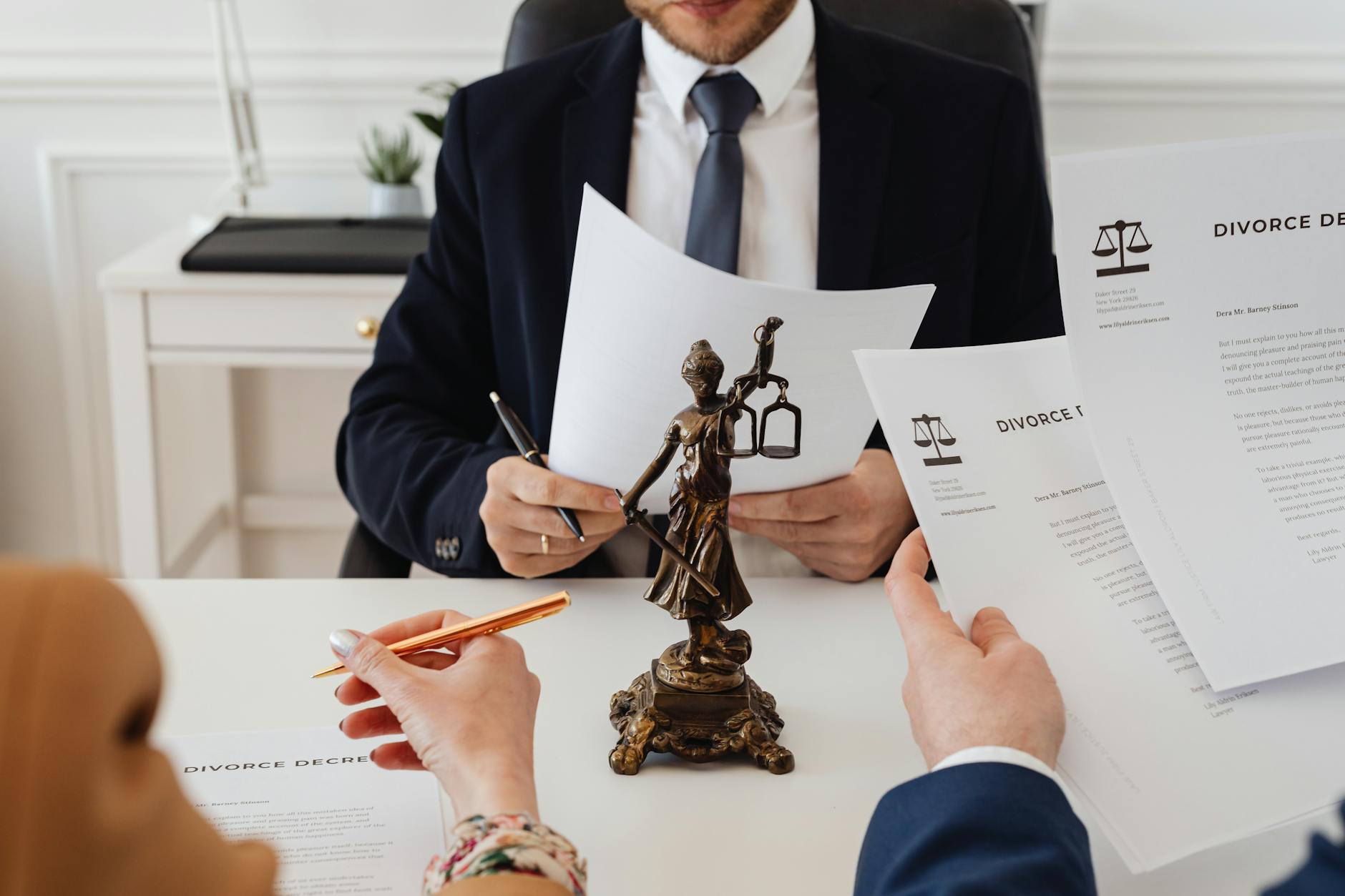
The legal landscape surrounding false accusations is complex and varies significantly by jurisdiction. In the United States, for instance, defamation laws protect individuals from false statements that harm their reputation. However, the burden of proof often lies with the accuser, making it challenging to pursue legal action without substantial evidence. Defendants in such cases may argue that their statements were made in good faith or were opinions rather than factual claims.
According to a legal expert from a prominent law firm, "Navigating defamation lawsuits requires a nuanced understanding of both civil and criminal laws." The expert emphasizes that while false accusations can indeed lead to legal consequences, the process is fraught with complexities. For example, public figures often face a higher burden of proof compared to private individuals, as established by precedents like the New York Times Co. v. Sullivan case.
In some cases, false accusations may also lead to criminal charges, particularly if they involve perjury or malicious intent. However, prosecutors must demonstrate beyond a reasonable doubt that the accuser acted with malice or reckless disregard for the truth. This high standard of proof underscores the importance of seeking legal counsel early in the process. Understanding the specific laws in one's jurisdiction is crucial for anyone considering legal action.
For those on the receiving end of false accusations, the path to justice can be long and arduous. Legal experts advise gathering as much evidence as possible, including documentation, witness statements, and any relevant communications. This evidence can strengthen a defamation case and increase the likelihood of a favorable outcome. Additionally, consulting with an attorney experienced in defamation law can provide valuable guidance and support throughout the legal process.
False accusations can have serious legal consequences, including potential defamation lawsuits. Understanding the legal boundaries of accusations is crucial to avoid severe repercussions. To protect yourself, always verify information before making accusations and consult with a legal professional when in doubt. As society continues to grapple with the spread of misinformation, the importance of responsible communication will only grow, shaping the future of legal standards and public discourse.
Need this answered for your specific case?
Get a flat-fee consultation with a verified U.S. immigration attorney. Engagement letter on every paid consult.
Related guides
This guide provides general legal information and does not create an attorney–client relationship. Information accurate as of July 2026. Always verify current USCIS guidance before acting.