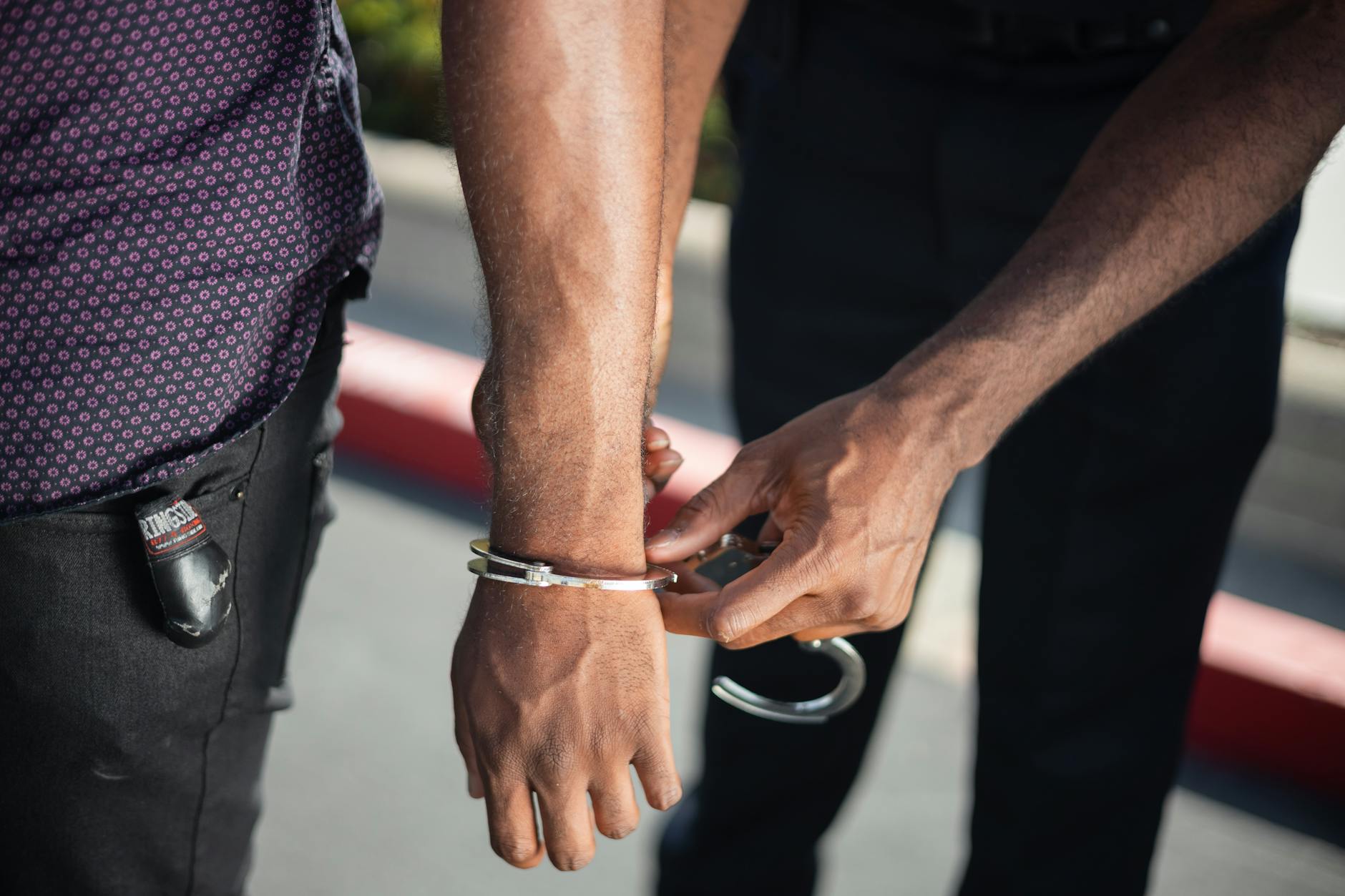
False arrest claims have surged by 20% in the past year, according to recent legal data. This alarming increase coincides with heightened public scrutiny of police practices and ongoing reform debates. The rise in cases underscores a critical issue in the justice system that demands attention and action.
At its core, a false arrest claim involves a person being detained or arrested without legal justification. This can occur when law enforcement officers act without probable cause or violate an individual's constitutional rights. The consequences of such incidents extend beyond the immediate trauma, often leading to prolonged legal battles and significant emotional distress. Understanding what constitutes a false arrest claim is crucial for both the public and law enforcement agencies, as it highlights the delicate balance between maintaining public safety and upholding individual rights.
Understanding false arrest claims

A false arrest claim occurs when an individual alleges that law enforcement officers detained them without proper legal justification. This typically involves situations where officers lack probable cause or a valid warrant. The Fourth Amendment of the U.S. Constitution protects citizens from such unlawful detentions, providing a legal basis for these claims.
According to the National Police Accountability Project, false arrest claims have become increasingly common in recent years. These claims often arise from misunderstandings, misidentification, or excessive use of police discretion. Victims may seek compensation for damages, including emotional distress and loss of liberty.
Legal experts emphasize that proving a false arrest requires demonstrating that the arresting officers acted without reasonable suspicion or probable cause. This can be challenging, as courts often defer to police judgment in such matters. However, successful claims can result in significant settlements or judgments against law enforcement agencies.
Key elements of false arrest
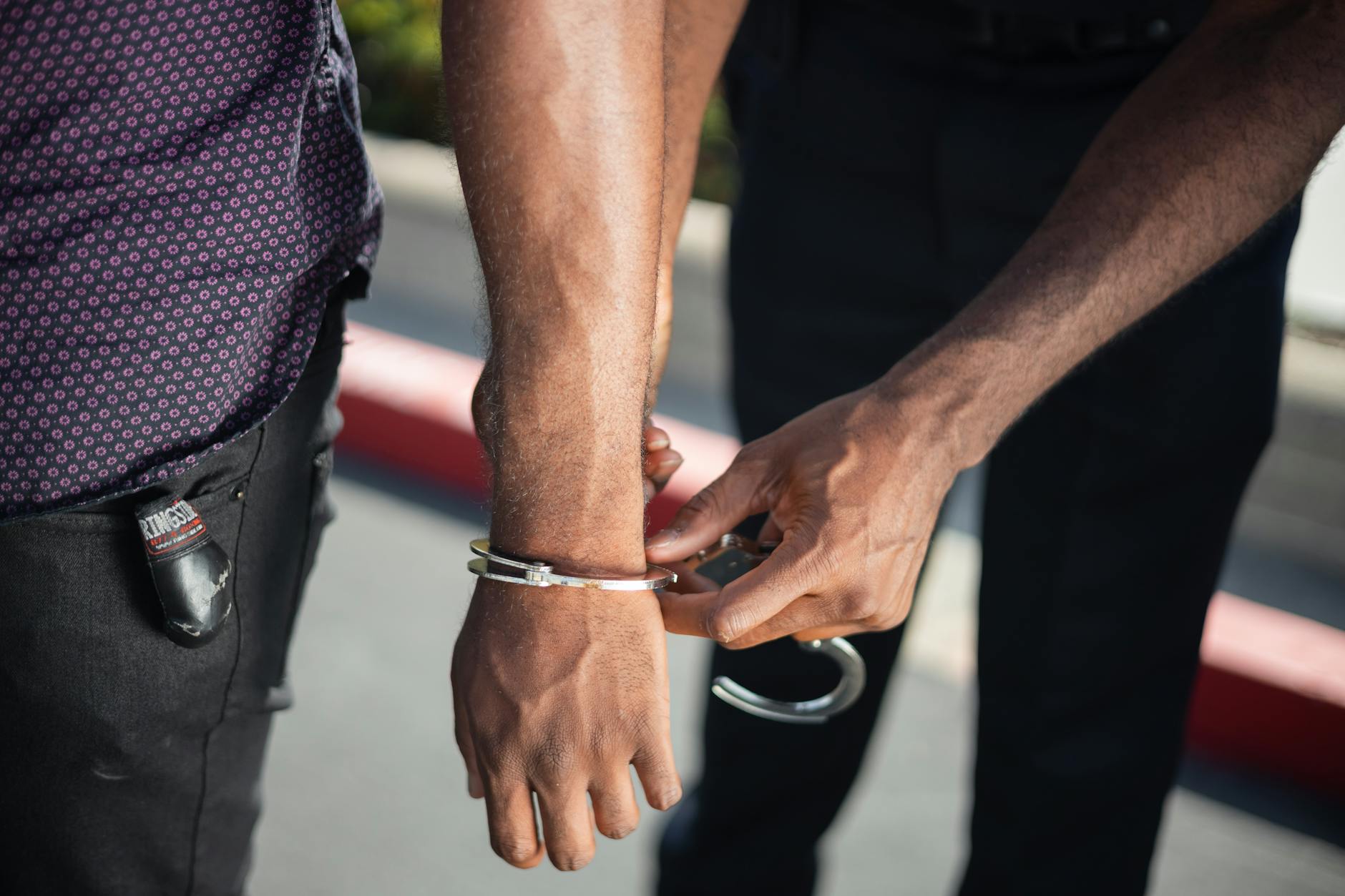
False arrest claims involve allegations that law enforcement officers detained an individual without proper legal justification. This typically occurs when officers lack probable cause or a valid warrant. Key elements include the absence of reasonable suspicion and improper use of authority. Victims often cite violations of their constitutional rights, particularly under the Fourth Amendment.
According to legal experts, false arrest claims have risen significantly in recent years. A study by the National Police Accountability Project revealed a 20% increase in such cases. This trend coincides with heightened public scrutiny of police conduct. Victims frequently seek compensation for emotional distress and wrongful detention.
Proving false arrest requires demonstrating that the arrest was unlawful. Evidence may include witness testimonies, body camera footage, and police reports. Courts often evaluate whether the officer's actions were reasonable under the circumstances. Successful claims can result in significant damages awarded to the victim.
False arrest claims also highlight broader issues within law enforcement. They underscore the need for better training and accountability measures. Advocates argue that addressing these issues can restore public trust in police departments. The rise in false arrest claims underscores the ongoing debate surrounding police reform.
How false arrest claims are filed

A false arrest claim arises when an individual believes law enforcement officers detained them without probable cause or legal justification. This civil rights violation falls under the Fourth Amendment, which protects against unreasonable seizures. To file a claim, plaintiffs typically allege that officers lacked sufficient evidence or acted maliciously. Documentation of the incident, including witness statements and body camera footage, often serves as critical evidence.
Legal experts emphasize the importance of timely action. Plaintiffs generally have a limited window, often one to three years, to file a claim. Missing this deadline can result in forfeiting the right to pursue compensation. According to a recent study, over 60% of successful false arrest cases involved claims filed within six months of the incident. This statistic underscores the urgency of seeking legal counsel promptly.
Consulting an attorney experienced in civil rights law is crucial. Lawyers can assess the merits of the case, gather evidence, and navigate complex legal procedures. They may also negotiate settlements or represent the plaintiff in court. The process can be emotionally taxing, but legal guidance can significantly improve the chances of a favorable outcome.
False arrest claims can lead to compensation for damages, including emotional distress and lost wages. In some cases, plaintiffs may also seek punitive damages to hold officers accountable. The legal process aims to balance individual rights with law enforcement's duty to maintain public safety. As debates over police reform continue, these claims highlight ongoing tensions in the criminal justice system.
The impact of false arrests on individuals
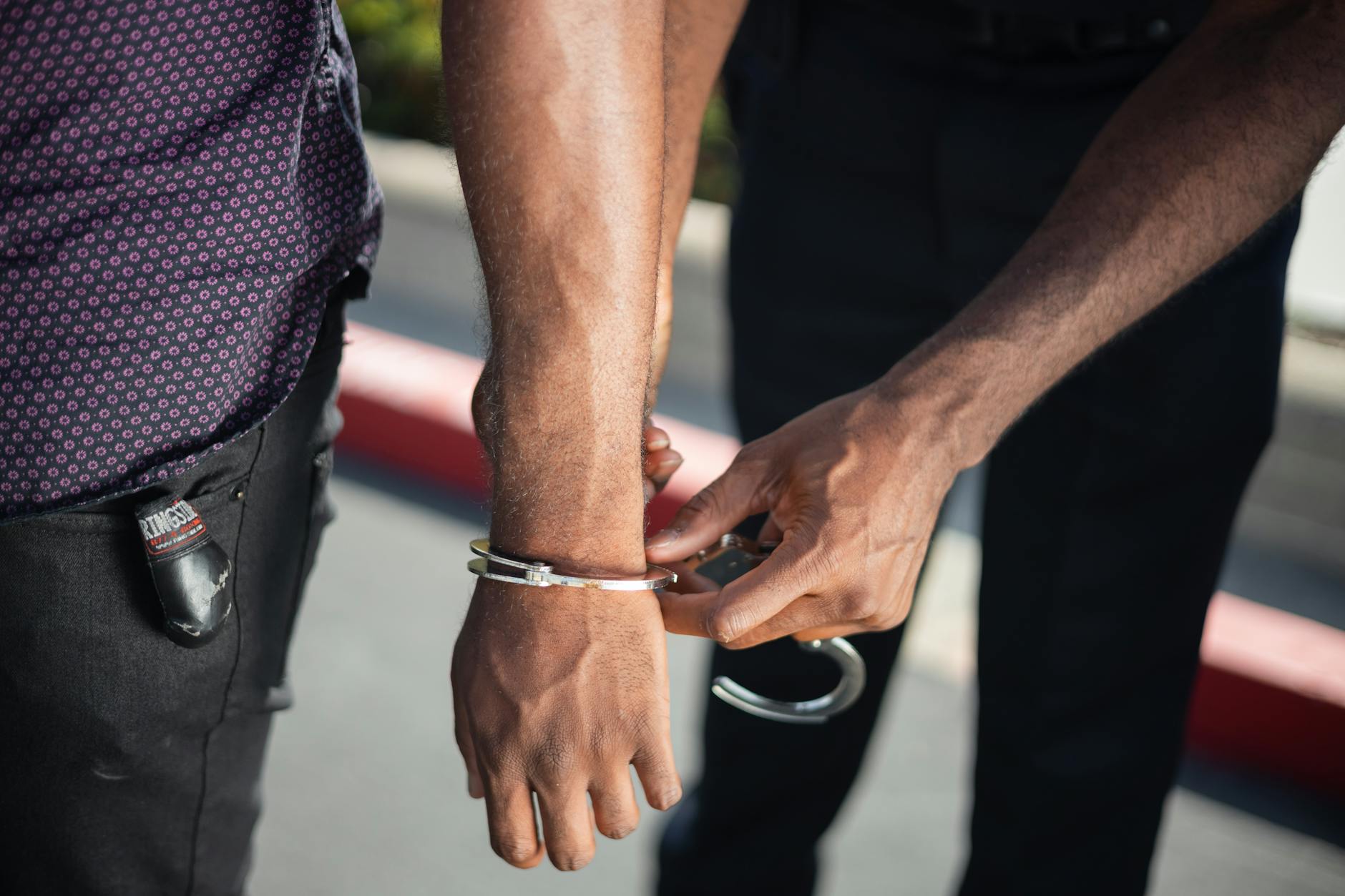
False arrest claims have surged 20% recently, leaving individuals grappling with profound consequences. A false arrest occurs when law enforcement detains someone without probable cause or legal justification. These incidents can shatter lives, inflicting emotional trauma and financial strain. Victims often face public scrutiny, job loss, and damaged reputations, even when charges are eventually dropped.
Psychological impacts are particularly severe. Many individuals experience anxiety, depression, and post-traumatic stress disorder (PTSD) following false arrests. A study by a leading criminal justice research institute found that 68% of false arrest victims reported long-term mental health challenges. The erosion of trust in law enforcement can also extend to broader societal distrust.
Legal battles add another layer of hardship. Pursuing compensation for false arrest requires navigating complex legal processes. Victims may struggle to afford legal representation, creating an uneven playing field. Despite these challenges, successful claims can set legal precedents and contribute to systemic reforms.
Financial repercussions are equally devastating. Lost wages, legal fees, and medical expenses can accumulate rapidly. Some individuals face insurmountable debt, exacerbating the emotional toll. The ripple effects extend to families, who may also suffer financially and emotionally. These interconnected challenges highlight the urgent need for accountability and reform within law enforcement.
Addressing false arrest claims in reform efforts

False arrest claims occur when individuals allege that law enforcement officers detained them without probable cause or legal justification. These claims often stem from situations where police lack sufficient evidence or reasonable suspicion to make an arrest. The legal threshold for probable cause requires officers to have credible information indicating a person's involvement in criminal activity. When this standard isn't met, individuals may pursue false arrest claims to seek justice and compensation.
According to a recent study by a prominent legal research organization, false arrest claims have become increasingly common in recent years. The study found that nearly 30% of all police misconduct lawsuits involve allegations of false arrest. This trend highlights the need for ongoing police reform and better training to ensure officers understand and adhere to legal standards.
Legal experts emphasize that false arrest claims serve a crucial purpose in holding law enforcement accountable. They provide a mechanism for individuals to challenge unlawful detentions and seek redress for violations of their civil rights. Successful claims can lead to policy changes and improved practices within police departments, ultimately benefiting both officers and the communities they serve.
Addressing false arrest claims requires a multifaceted approach. Police departments must implement rigorous training programs to educate officers on the legal standards for arrest. Additionally, departments should establish clear protocols for documenting and investigating allegations of false arrest. By taking these steps, law enforcement can build trust with the public and reduce the likelihood of such claims.
False arrest claims represent a serious legal matter where individuals allege they were wrongfully detained or arrested without probable cause or reasonable suspicion. These claims can lead to significant legal consequences for law enforcement and have fueled ongoing debates about police reform. To navigate such situations, individuals who believe they have been falsely arrested should promptly document evidence, seek legal counsel, and understand their rights under local laws. As discussions around police accountability continue to evolve, the frequency and handling of false arrest claims will likely remain a critical focus in the broader conversation about justice and public safety.
Need this answered for your specific case?
Get a flat-fee consultation with a verified U.S. immigration attorney. Engagement letter on every paid consult.
Related guides
This guide provides general legal information and does not create an attorney–client relationship. Information accurate as of July 2026. Always verify current USCIS guidance before acting.