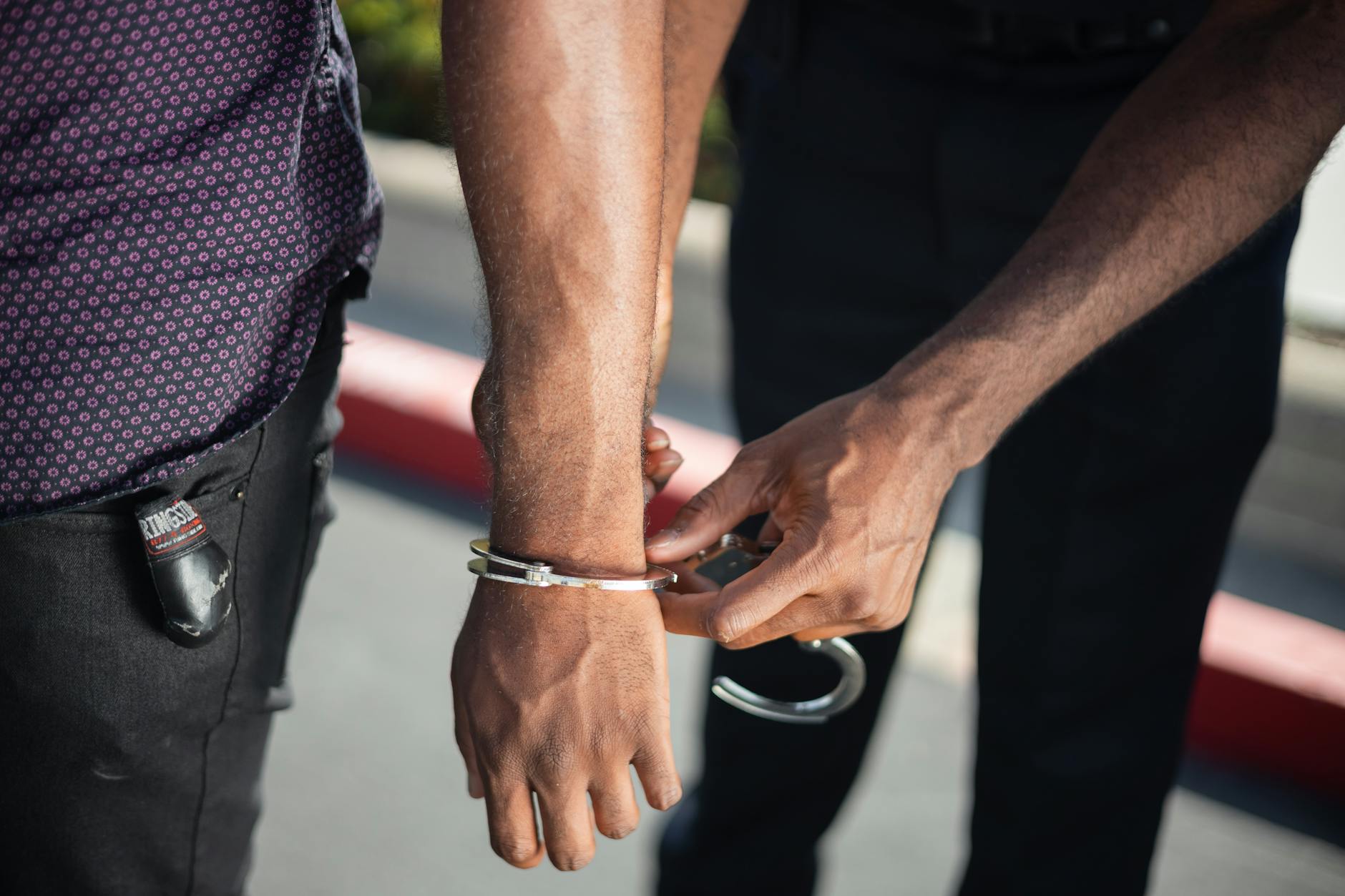
Every year, thousands of individuals in the United States fall victim to false arrest, a serious violation of civil rights. False arrest occurs when a law enforcement officer or a private citizen detains someone without sufficient legal justification. This misconduct not only undermines public trust but also inflicts significant emotional and financial harm on victims. Understanding the legal elements of false arrest is crucial for recognizing injustices and seeking appropriate remedies.
False arrest, a subset of false imprisonment, involves the unlawful confinement of an individual against their will. This crime can have severe consequences, including wrongful convictions and lasting damage to a person's reputation. For those who have experienced this violation, knowing what is false arrest crime and the key legal elements can empower them to take action. It also educates the public about their rights and the importance of holding perpetrators accountable.
Understanding False Arrest Basics
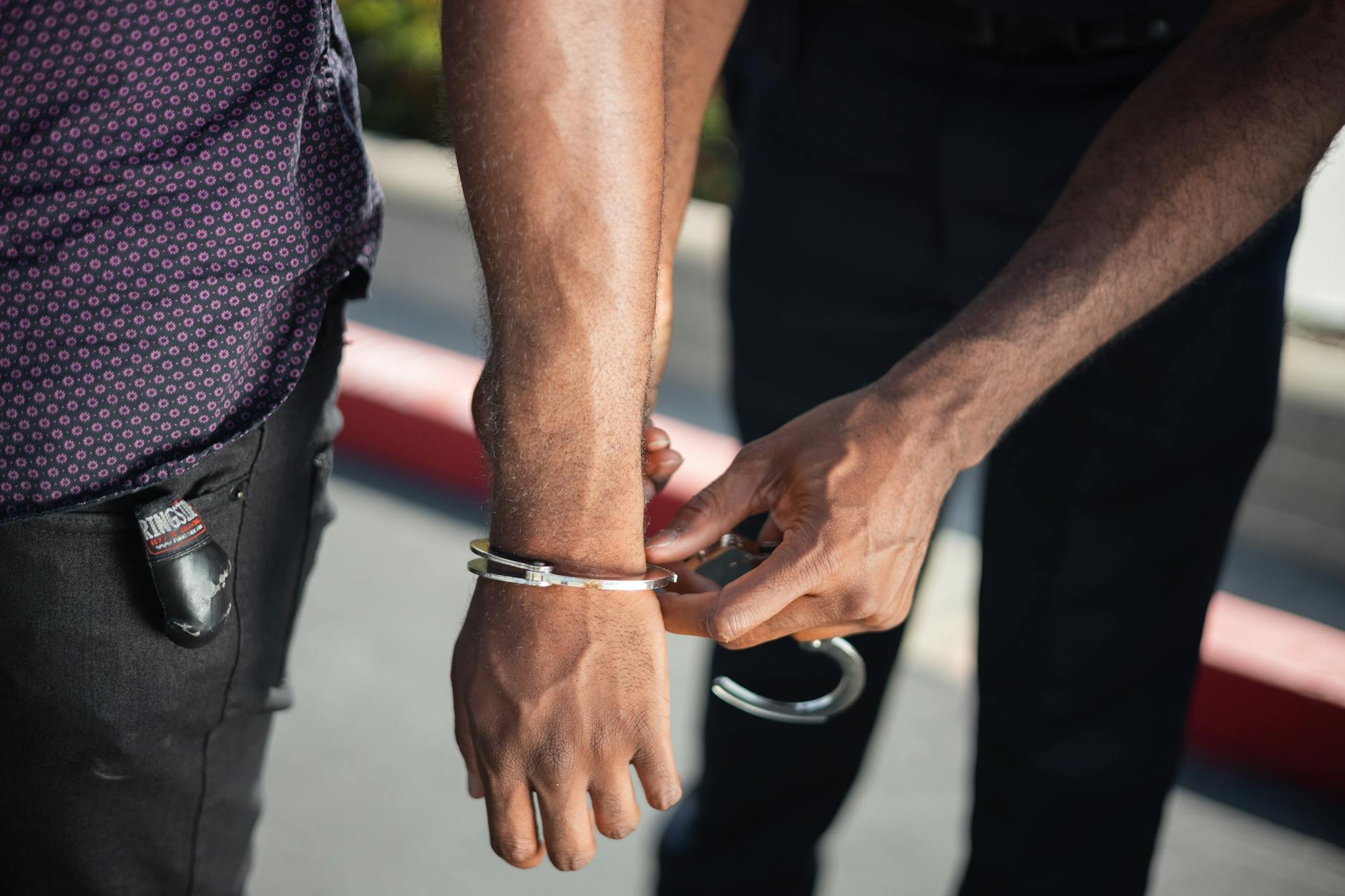
False arrest occurs when law enforcement officers detain an individual without proper legal justification. This violation of civil rights can happen in various scenarios, from mistaken identity to excessive use of force. The core of false arrest claims lies in the absence of probable cause or reasonable suspicion to justify the detention. According to the American Civil Liberties Union, false arrests are more common than many realize, often leading to significant emotional and financial repercussions for the victims.
Understanding the basics of false arrest begins with recognizing the legal standards that govern law enforcement actions. Probable cause, a key legal concept, requires officers to have sufficient evidence to believe a crime has been committed or is about to be committed. Without this threshold, any detention may be deemed unlawful. Courts often scrutinize the circumstances surrounding an arrest to determine if the officers acted reasonably and within the bounds of the law.
A false arrest claim can arise in situations where an individual is held against their will without valid legal grounds. This can include detentions based on racial profiling, incorrect information, or overzealous policing. Victims of false arrest may seek compensation for damages, including emotional distress and loss of liberty. Legal experts emphasize the importance of documenting every detail of the incident, as evidence plays a crucial role in proving false arrest cases.
False arrest cases often hinge on the specific actions of the officers involved. For instance, if an officer detains someone without a warrant and lacks probable cause, the arrest may be deemed false. Courts consider factors such as the officer's training, the circumstances of the arrest, and the individual's behavior. Victims of false arrest should consult with legal professionals to explore their options for seeking justice and compensation.
Key Elements of False Arrest Claims
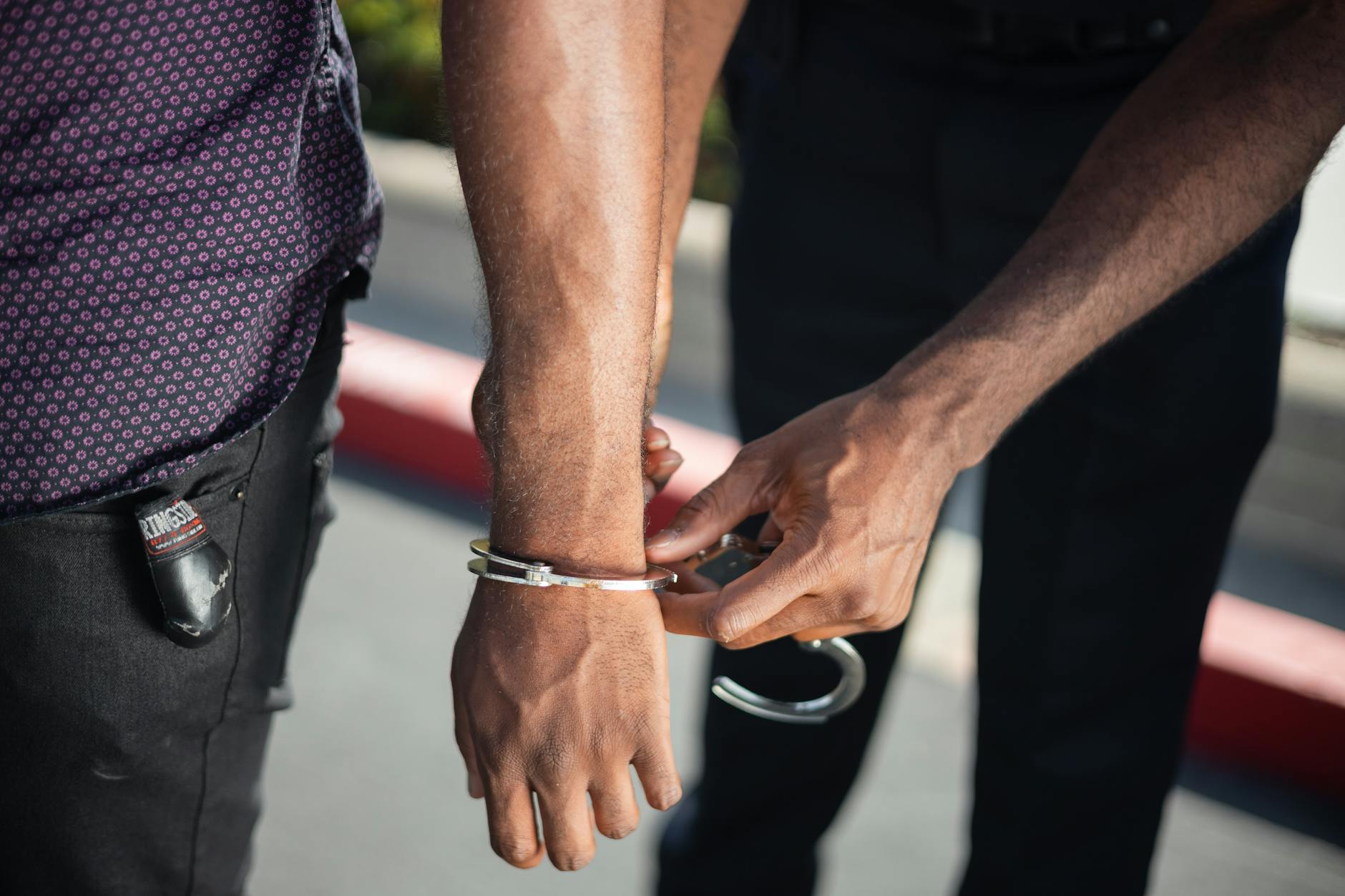
False arrest claims hinge on four key elements that must be proven in court. The first is intent. Law enforcement must have intended to confine or detain the individual. This element is crucial because it distinguishes false arrest from mere mistakes or misunderstandings. Without intent, a claim may not hold up in legal proceedings.
A second critical element is the lack of legal authority. The arrest must occur without a valid warrant or probable cause. According to legal experts, this is often the most contentious aspect of false arrest cases. It requires a thorough examination of the circumstances leading up to the arrest. Statistics show that improper arrests account for a significant portion of civil rights violations.
The third element involves the use of force or threat of force. This can include physical restraint, handcuffs, or even verbal threats that compel compliance. The nature and extent of the force used play a pivotal role in determining the validity of the claim. Courts often scrutinize whether the force was reasonable and necessary under the circumstances.
Finally, the claimant must demonstrate harm or damages resulting from the false arrest. This can include physical injuries, emotional distress, or financial losses. Documenting these damages is essential for a successful claim. Legal professionals emphasize the importance of gathering evidence and witness testimonies to support the claimant's case.
Proving Intent in False Arrest Cases

Proving intent in false arrest cases can be challenging. Law enforcement officers must have acted with willful disregard for the law. This means they knew or should have known their actions violated the individual's rights. Intent can be demonstrated through patterns of behavior, prior training, or explicit statements made during the arrest.
Expert testimony often plays a crucial role. Legal analysts frequently highlight the importance of witness statements and body camera footage. These elements can provide clear evidence of an officer's state of mind. According to a recent study, cases with strong evidence of intent are 30% more likely to result in favorable outcomes for plaintiffs.
Documentation is key. Detailed records of the arrest, including any discrepancies in reports, can reveal intent. Courts often scrutinize the consistency of an officer's actions with established protocols. This scrutiny helps determine whether the arrest was justified or a violation of rights.
Real-World Examples of False Arrest
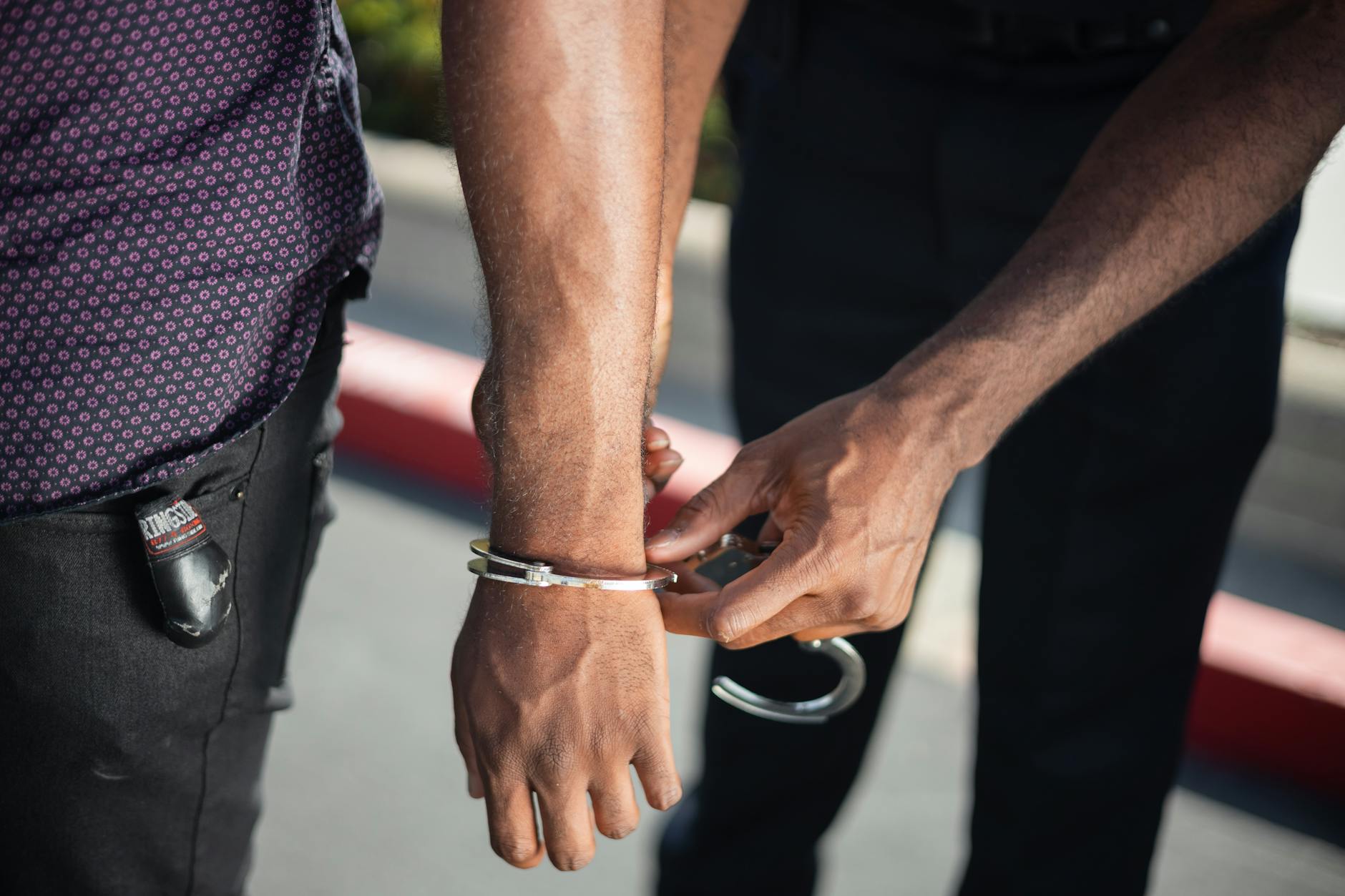
False arrest cases occur more frequently than many realize, often involving law enforcement mistakes or abuses of power. One notable example is the case of a Black man wrongfully arrested in New York City during a routine traffic stop. Officers mistook him for a suspect matching a vague description, leading to his detention. The man spent 18 hours in custody before being released without charges. A civil rights attorney later highlighted this case as a clear example of racial profiling and false arrest.
In another incident, a woman was falsely arrested at a protest after being mistaken for someone else. Surveillance footage later proved she was not involved in any illegal activity. The incident sparked public outrage and led to a settlement. According to a legal expert, such cases underscore the need for better training and accountability in law enforcement.
A particularly egregious case involved a man arrested for a crime that occurred while he was in police custody. The error was discovered only after he spent weeks in jail. The city eventually paid a substantial settlement to the victim. Such cases highlight the critical importance of verifying identities and circumstances before making arrests.
Preventing False Arrest in Law Enforcement
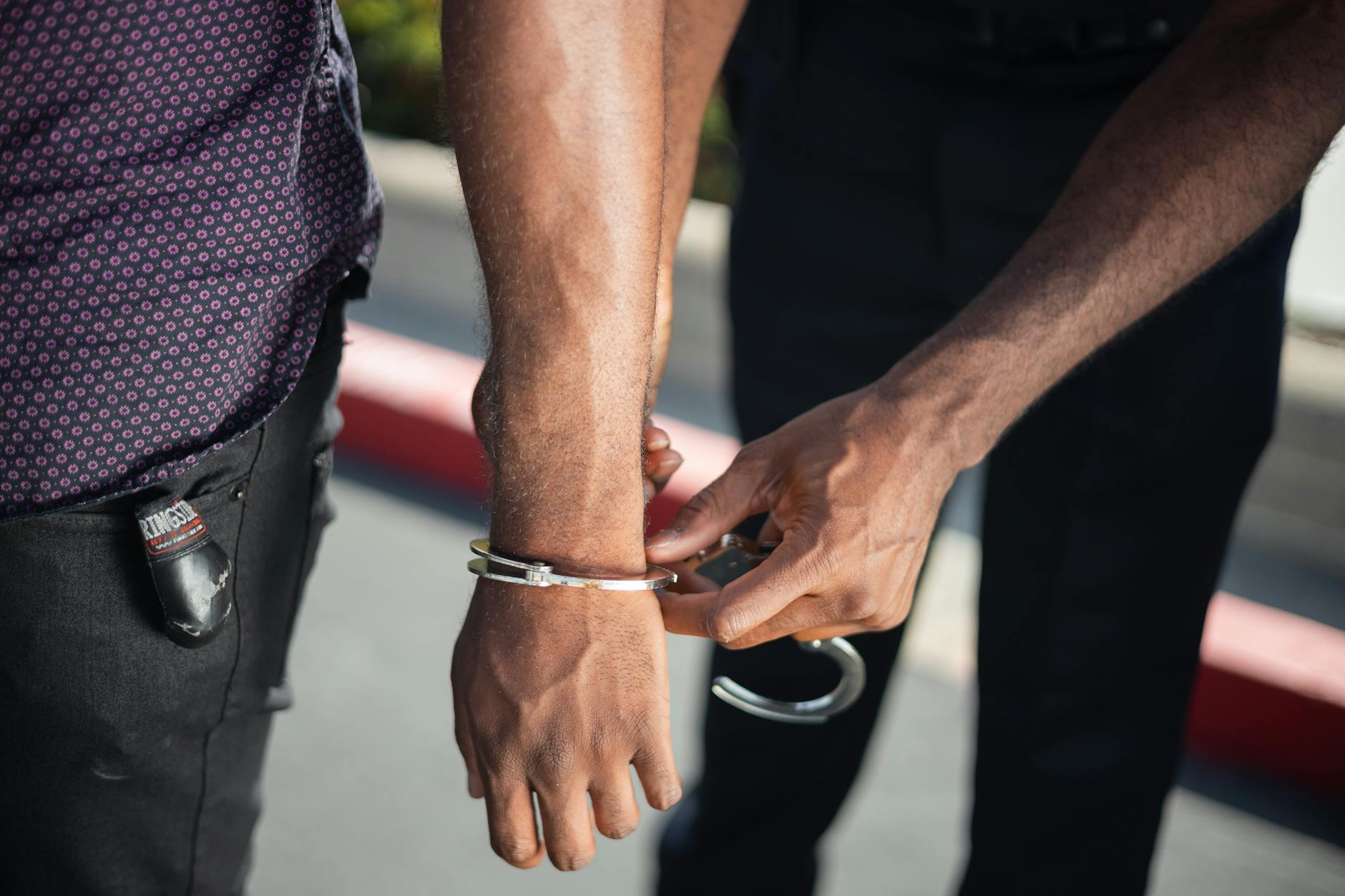
False arrest represents a critical area of concern in law enforcement, where the balance between public safety and individual rights must be carefully maintained. According to the National Police Misconduct Statistics and Reporting Project, false arrest claims account for a significant portion of civil rights lawsuits against law enforcement agencies. To prevent these incidents, officers must adhere to strict legal standards and procedural guidelines.
Training plays a pivotal role in equipping officers with the knowledge and skills necessary to avoid false arrest situations. The International Association of Chiefs of Police emphasizes the importance of ongoing education on constitutional law, search and seizure protocols, and the proper use of force. By staying updated on legal precedents and best practices, law enforcement professionals can minimize the risk of false arrest claims.
Community engagement also serves as a vital component in preventing false arrest. Building trust between law enforcement and the communities they serve fosters open communication and mutual respect. When officers take the time to understand the unique needs and concerns of the communities they serve, they are better equipped to make informed decisions that uphold the rights of all individuals.
Technology can be a powerful ally in the fight against false arrest. Body-worn cameras and in-car video systems provide objective documentation of interactions between officers and the public. These tools not only enhance transparency but also offer valuable evidence in the event of a dispute. By embracing technology, law enforcement agencies can demonstrate their commitment to accountability and fairness.
False arrest is a serious violation of an individual's civil rights, occurring when law enforcement detains someone without sufficient legal grounds. It's crucial to understand the four key elements—intentional confinement, awareness of the confinement, lack of consent, and lack of legal authority—to recognize such incidents. If you or someone you know has experienced a false arrest, it's essential to consult with a legal professional promptly to explore your options and protect your rights. As awareness of false arrest grows, it's likely that law enforcement practices will continue to evolve, emphasizing the importance of staying informed about your rights and the legal landscape.
Need this answered for your specific case?
Get a flat-fee consultation with a verified U.S. immigration attorney. Engagement letter on every paid consult.
Related guides
This guide provides general legal information and does not create an attorney–client relationship. Information accurate as of July 2026. Always verify current USCIS guidance before acting.